Suing Employer For Severance In Wake
Description




Form popularity
FAQ
These include financial drawbacks such as loss of steady income and potential loss of benefits, as well as the uncertainty of future job prospects and impact on retirement savings and benefits.
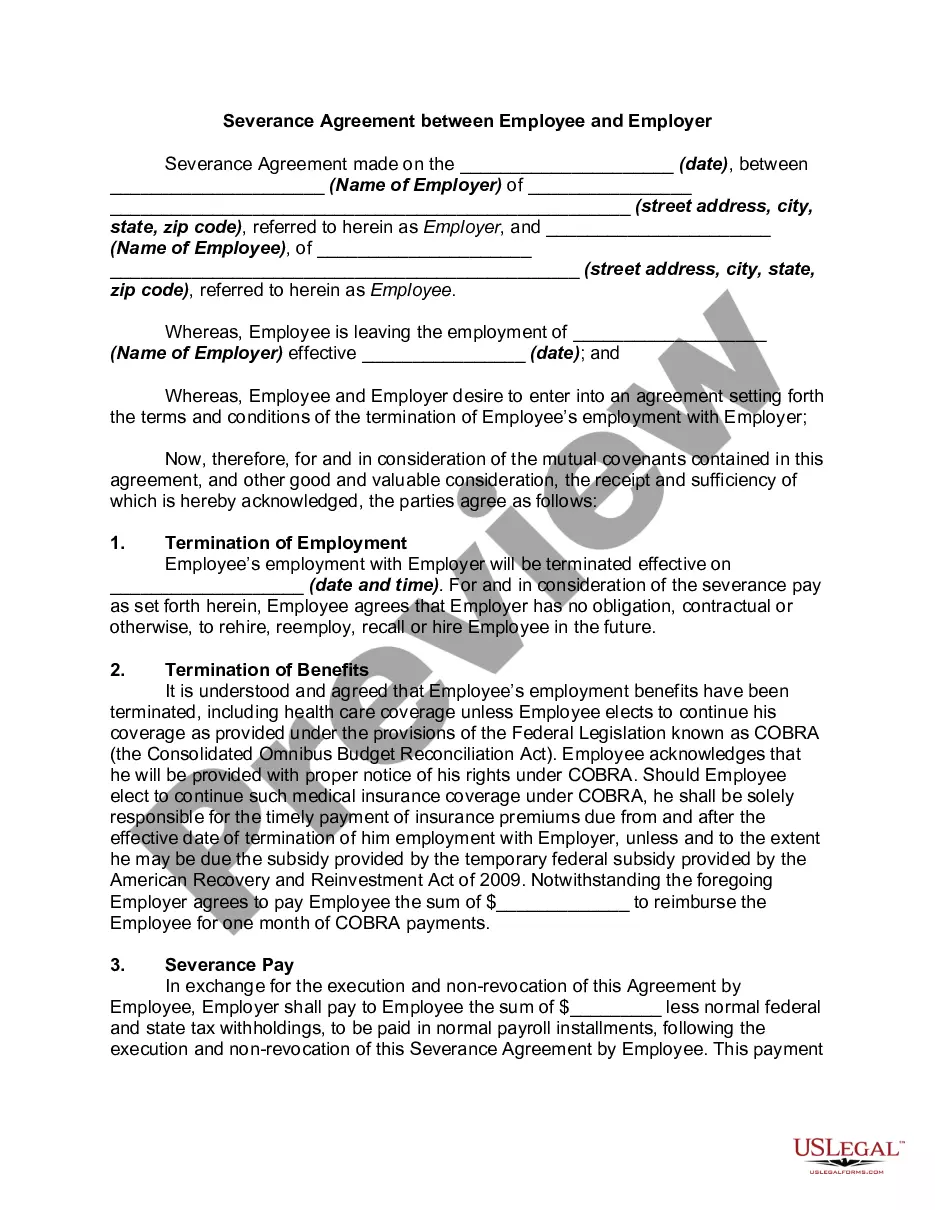
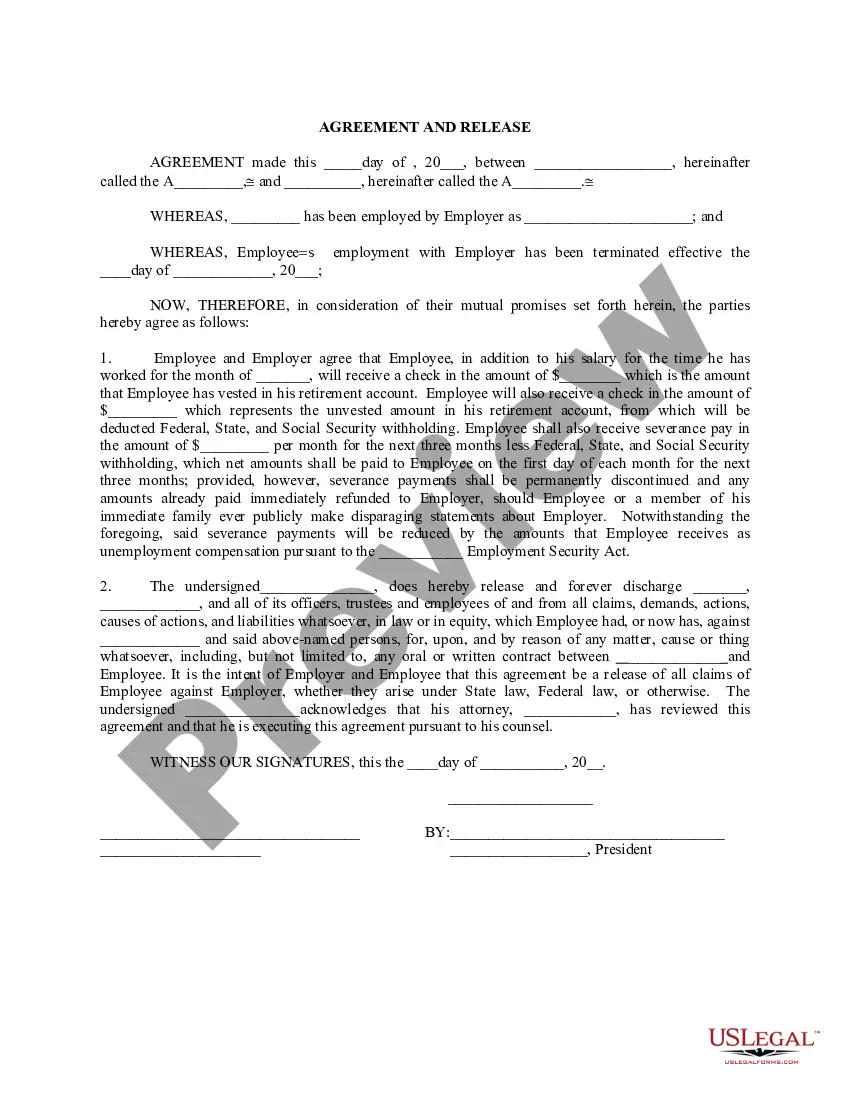
Severance packages are intended to help ease the transition out of your terminated position. But while a severance package offer can be a great benefit, it can be important to give any offer careful consideration before accepting it because it is a contract between you and the company.
Keep it friendly. Don't hint that you may sue or are looking to make their lives difficult. Respond to the severance email or reach out to HR directly saying you'd like to discuss the severance agreement. Come prepared with research.
What is the downside to severance? The downside to severance includes financial drawbacks such as loss of steady income, potential loss of benefits, and uncertainty about future job prospects, as well as the impact on retirement savings and benefits.
If so, California law requires that before signing a severance agreement, your employer advise you that you have right to consult an attorney and that you have at least 21 days to consider the agreement before signing it. You also have 7 days after signing the agreement to revoke it.
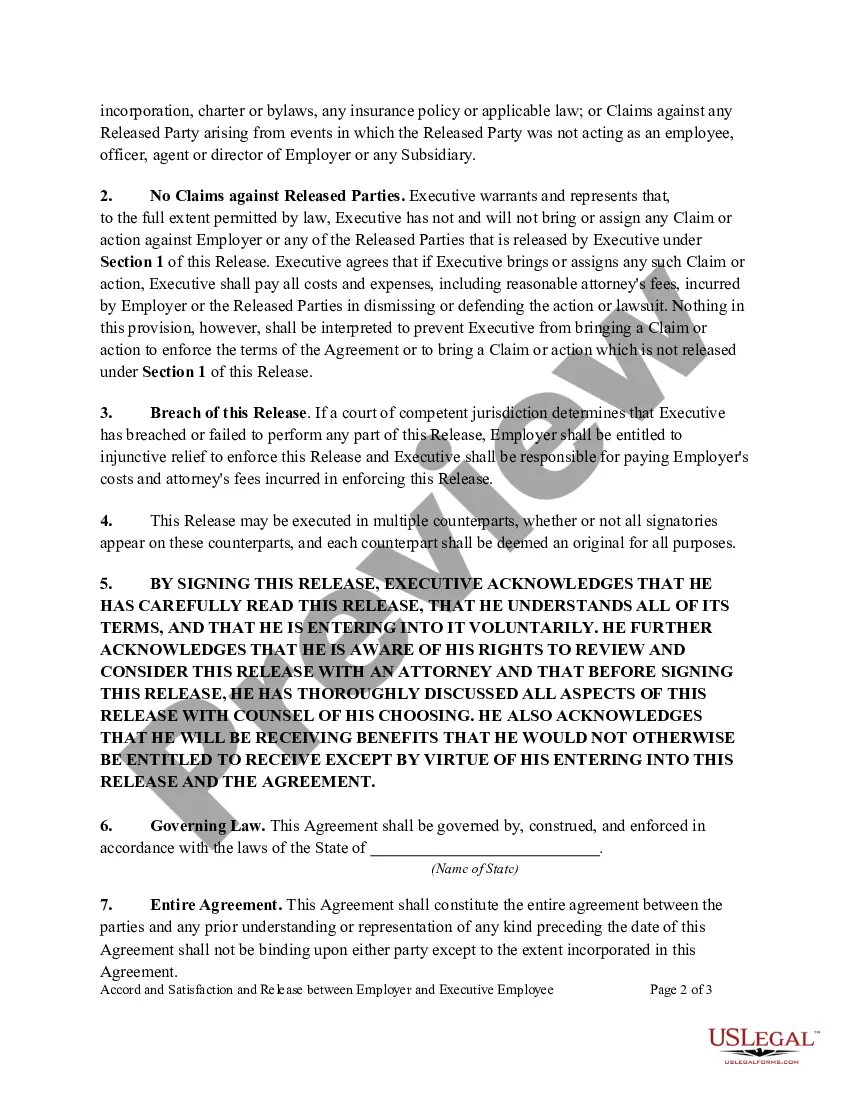
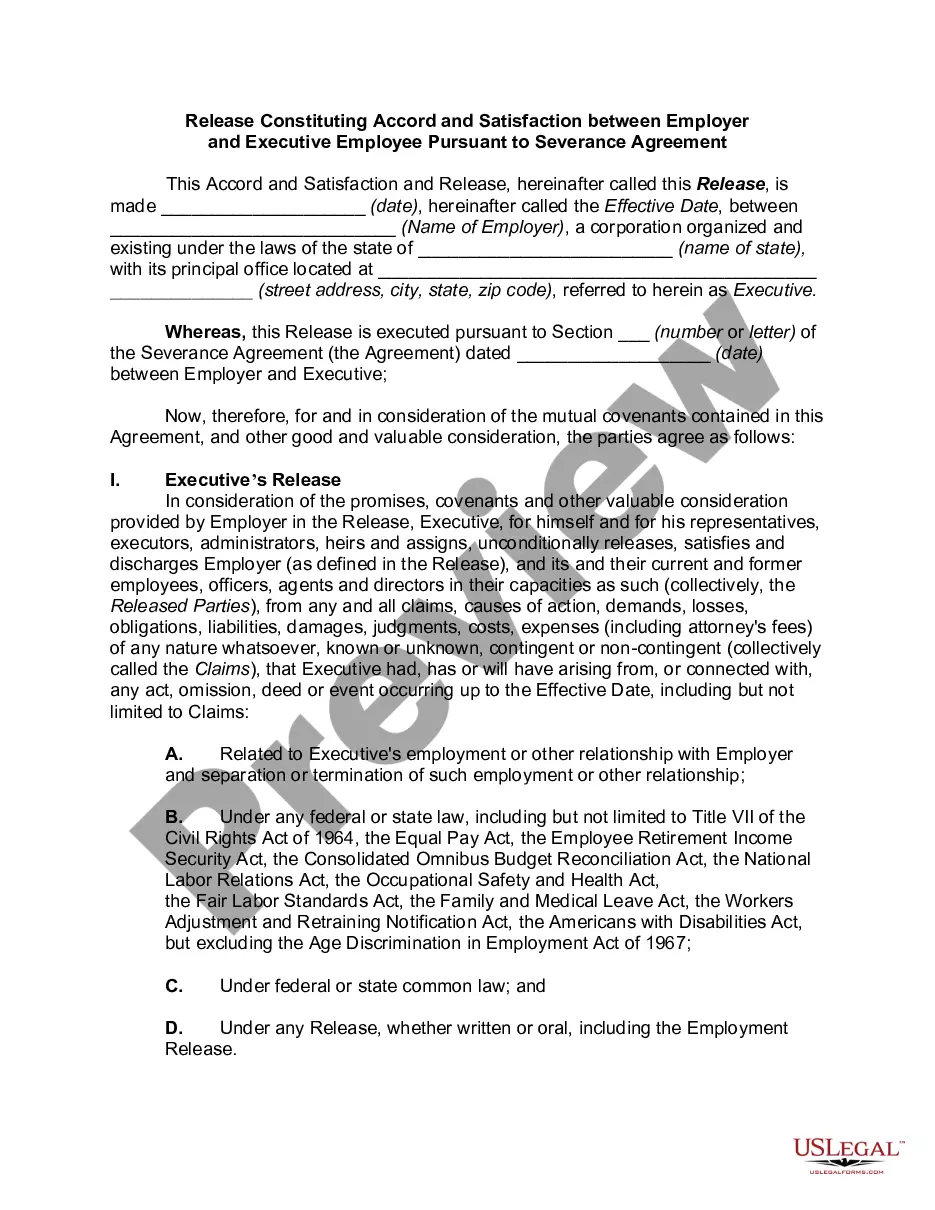
Yes, you can sue if the severance package did not include a release. However, if you signed a release, suing becomes more difficult. A release of claims clause prevents former employees from suing their employer for any employment-related issues that may have contributed to the termination.
You waive only claims which have occurred up through the date you sign either a separation agreement or settlement agreement. You can still bring a lawsuit concerning any conduct or actions which your employer takes against you after that date.
In many states, the agreement may be withdrawn within seven days of signing.
Extension of Benefits Under Rule of 70 To be eligible to retire, you must be at least age 55 with 10 years of service or age 65. Years of service for the “Rule of 70” eligibility purposes, means total years of employment from date of hire to date of termination.
Eligibility for Retiree Health and Life Insurance Benefits Rule of 70: the employee's age plus years of continuous, full-time service equal 70 or more, and the employee is at least age 55, with at least ten years of continuous, full-time service.