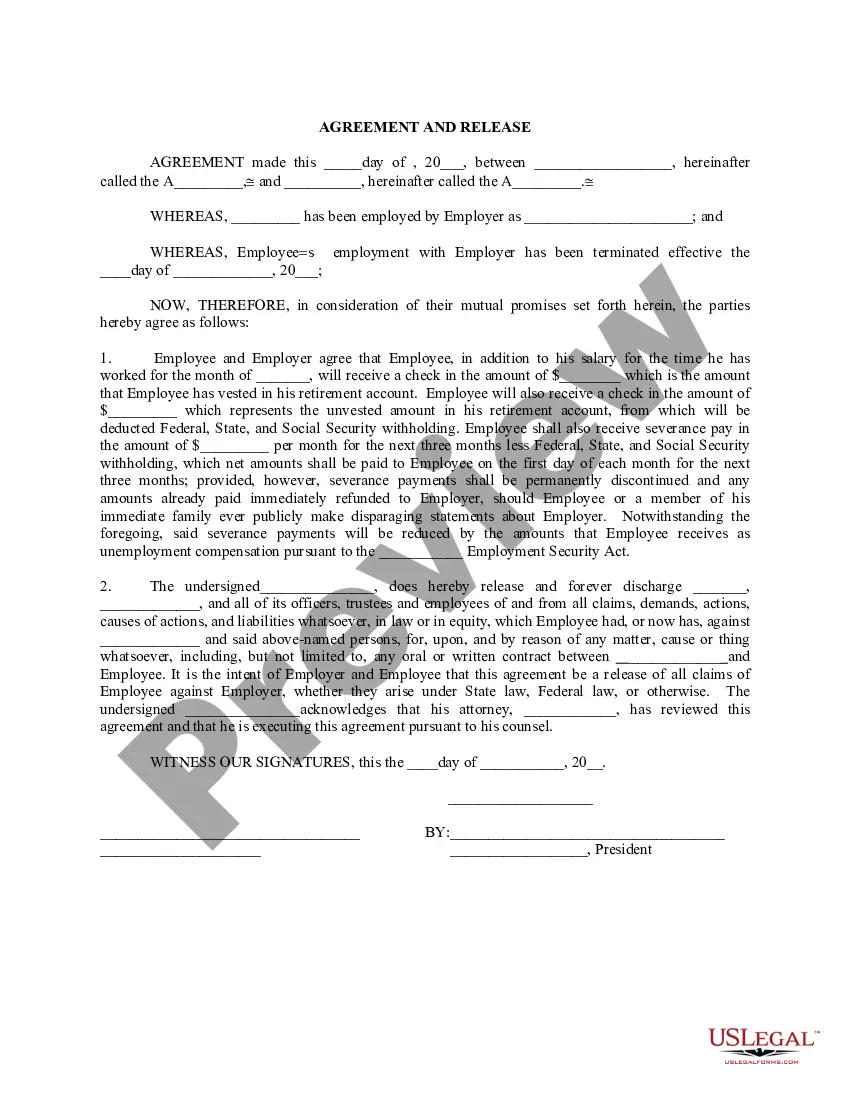
Employment With Severance In Travis
Description

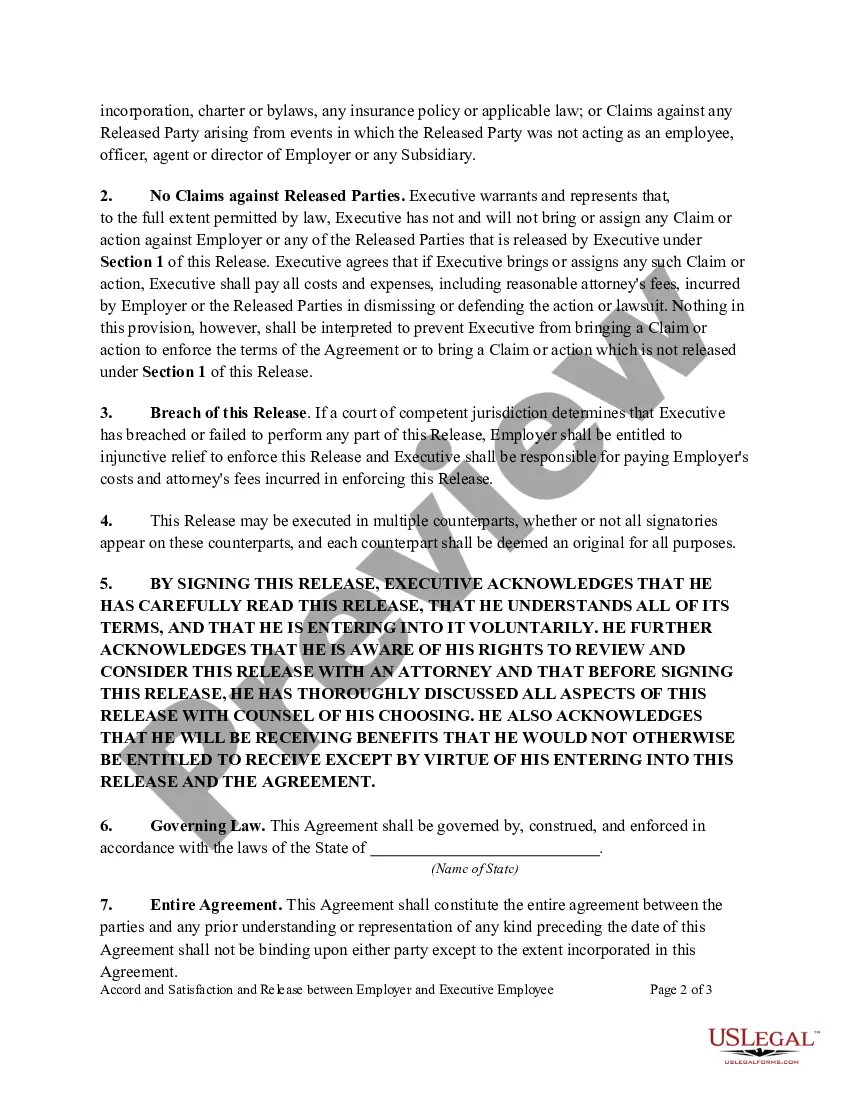
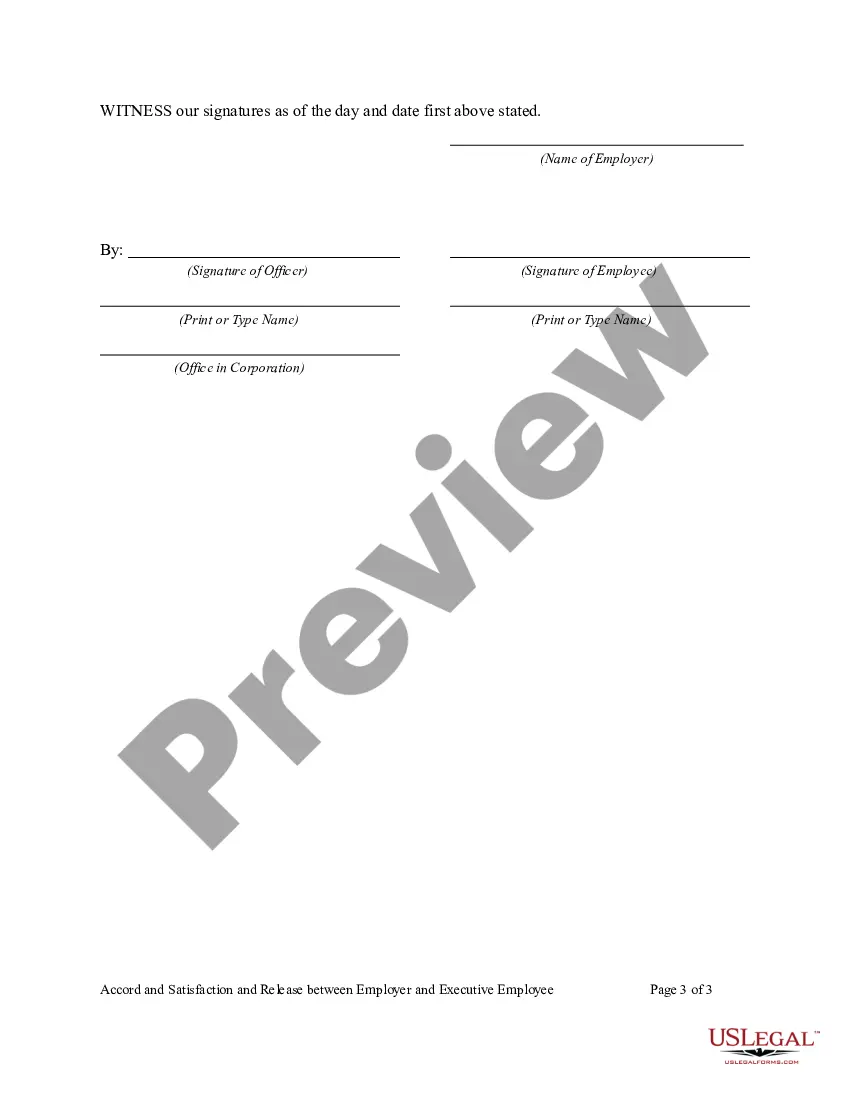
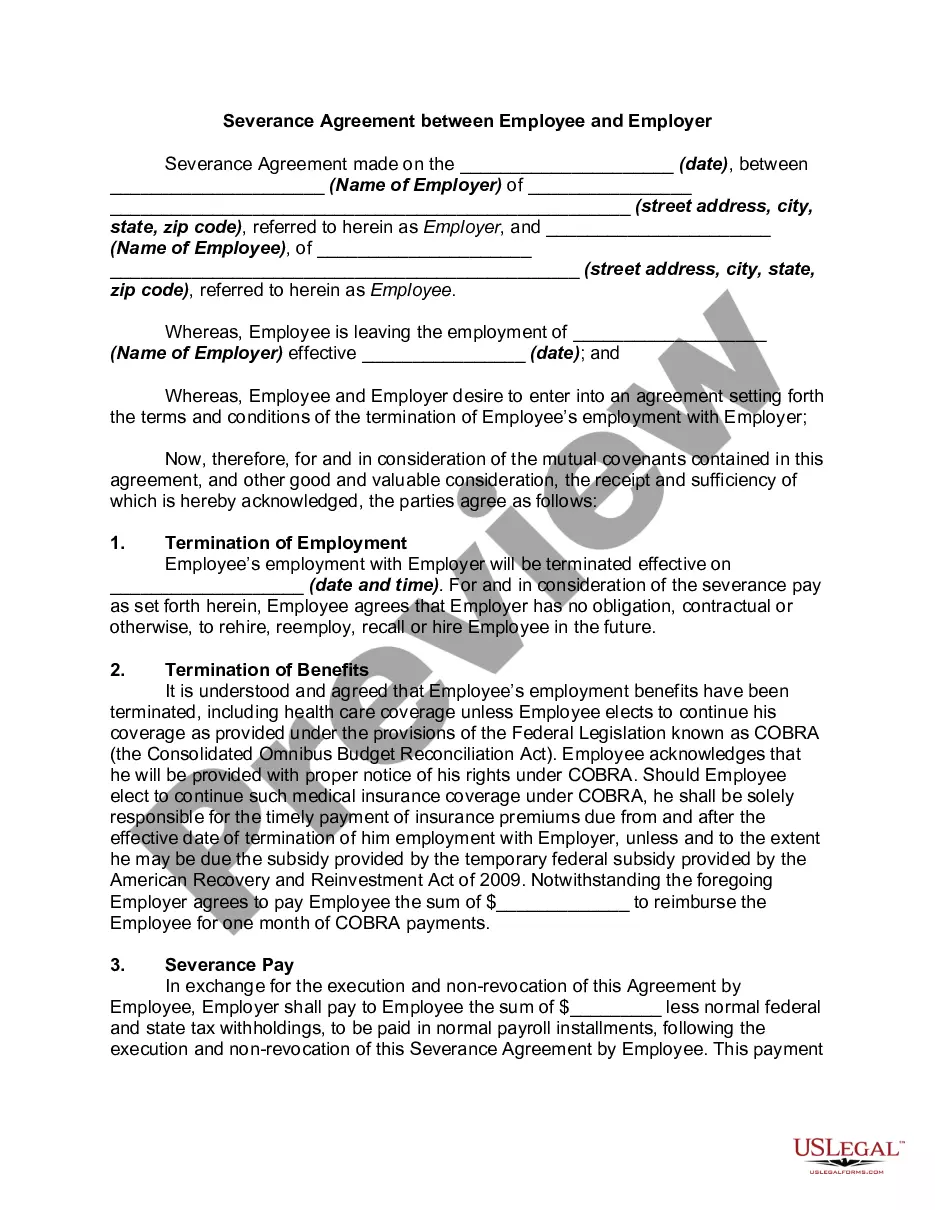
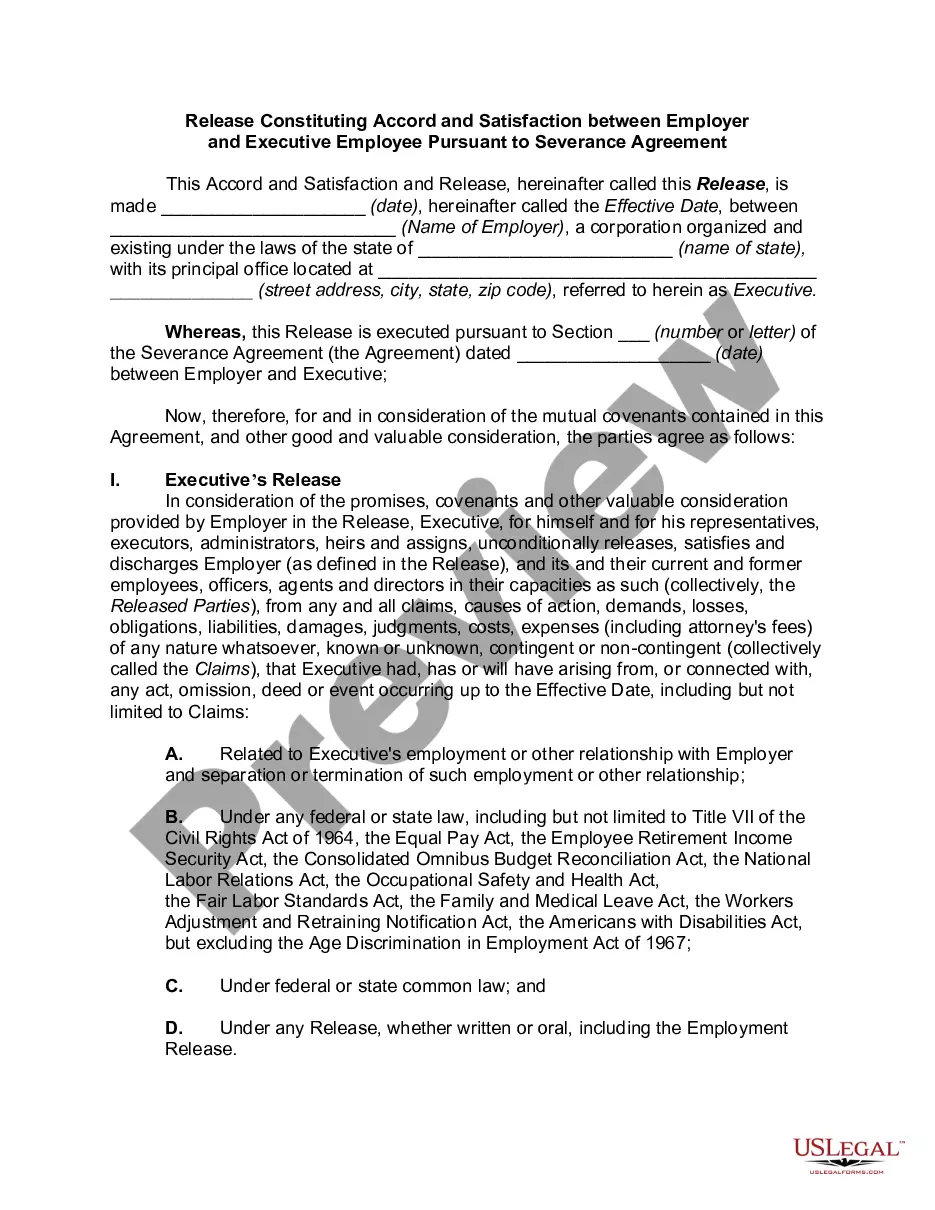
Get your form ready online
Our built-in tools help you complete, sign, share, and store your documents in one place.
Make edits, fill in missing information, and update formatting in US Legal Forms—just like you would in MS Word.
Download a copy, print it, send it by email, or mail it via USPS—whatever works best for your next step.
Sign and collect signatures with our SignNow integration. Send to multiple recipients, set reminders, and more. Go Premium to unlock E-Sign.
If this form requires notarization, complete it online through a secure video call—no need to meet a notary in person or wait for an appointment.
We protect your documents and personal data by following strict security and privacy standards.

Make edits, fill in missing information, and update formatting in US Legal Forms—just like you would in MS Word.

Download a copy, print it, send it by email, or mail it via USPS—whatever works best for your next step.

Sign and collect signatures with our SignNow integration. Send to multiple recipients, set reminders, and more. Go Premium to unlock E-Sign.

If this form requires notarization, complete it online through a secure video call—no need to meet a notary in person or wait for an appointment.

We protect your documents and personal data by following strict security and privacy standards.
Looking for another form?










Form popularity
FAQ
Most employers offer a severance agreement established by company policy that outlines the financial terms on which the employee will leave the company. Sometimes, employees can negotiate those terms. Regardless, they must sign the agreement to receive their severance package.
Some factors that are often considered include length of employment at the company, your position or rank within the organization, salary, and individual circumstances relating to termination. Some employers adhere to a written contract or employment agreement or policy that was outlined previously.
Some factors that are often considered include length of employment at the company, your position or rank within the organization, salary, and individual circumstances relating to termination. Some employers adhere to a written contract or employment agreement or policy that was outlined previously.
Examples of misconduct that could make you ineligible include violation of company policy, violation of law, neglect or mismanagement of your position, or failure to perform your work adequately if you are capable of doing so.
"An individual is disqualified for unemployment compensation benefits if the director finds that he or she left his or her most recent work voluntarily without good cause or that he or she has been discharged for misconduct connected with his or her most recent work."
In California, severance agreements are legally binding contracts. Depending on how the agreement is structured, signing it may not always be in your best interests. Learn what to consider before signing your severance package and how a California employment law attorney can help you protect your rights.