Severance Agreement Form With Non-disparagement Clause In Salt Lake
Description

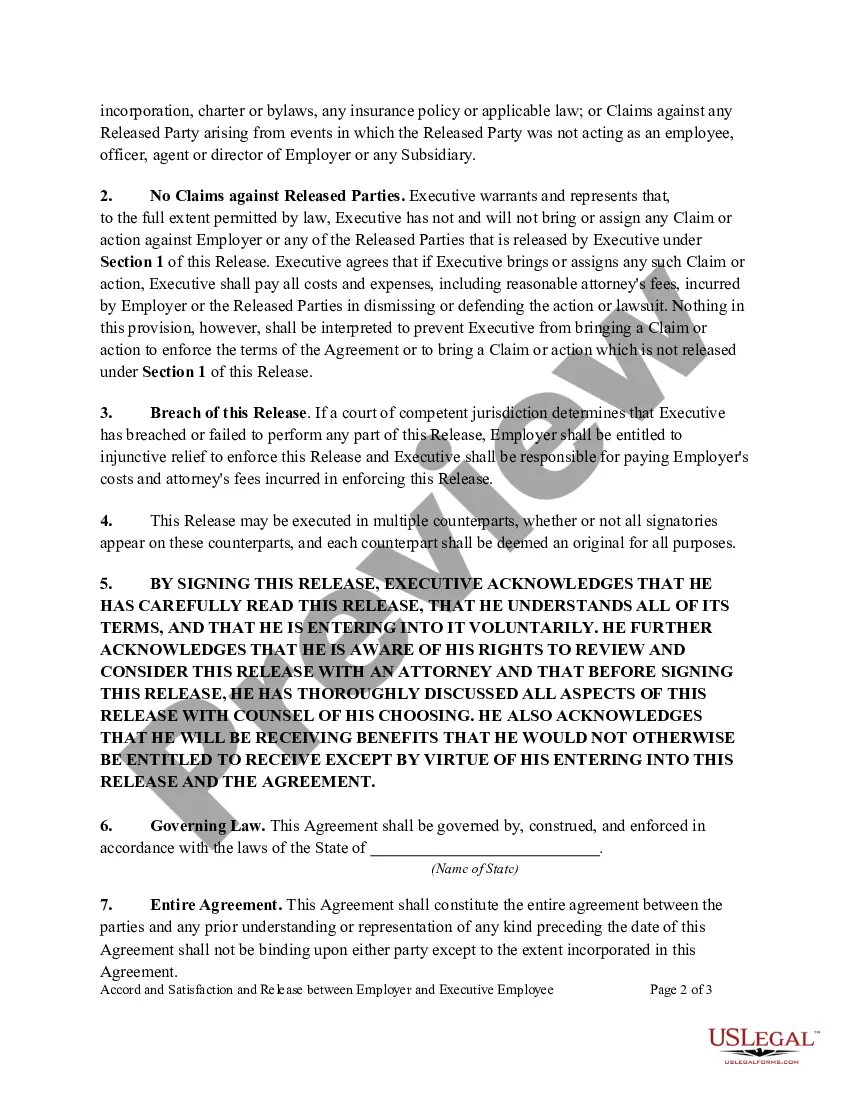
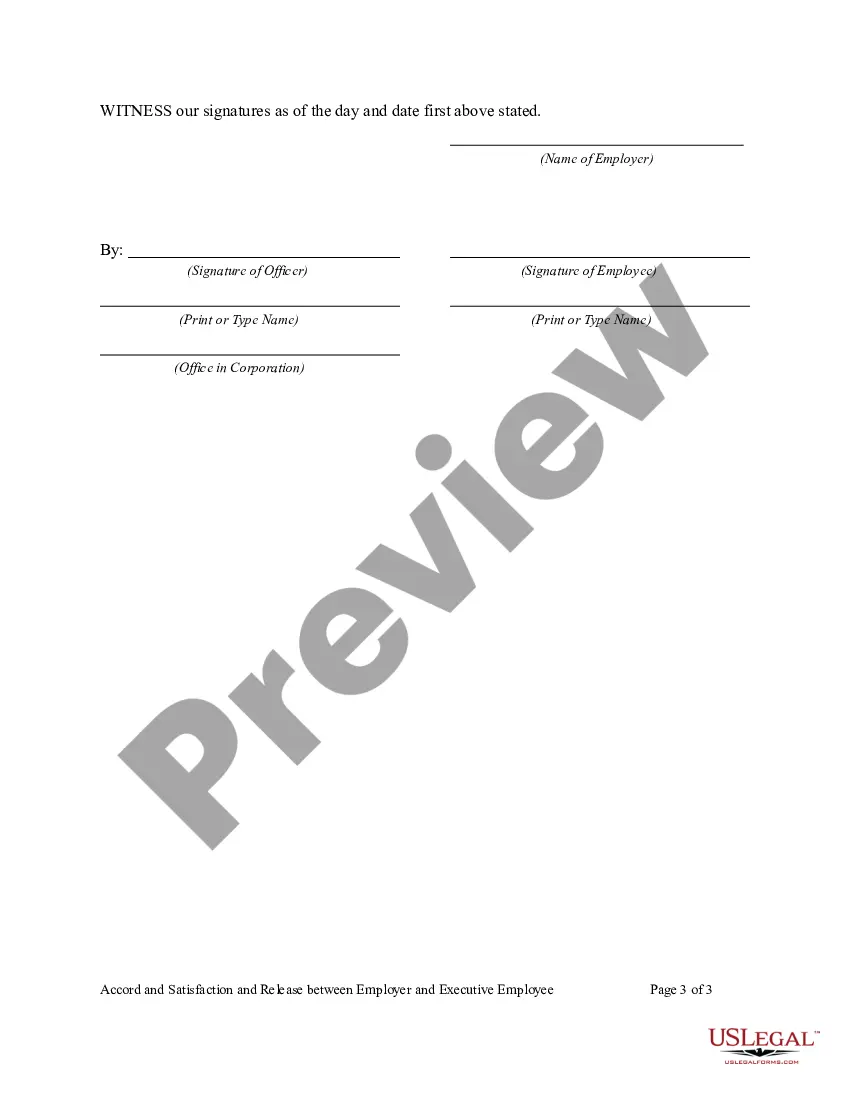
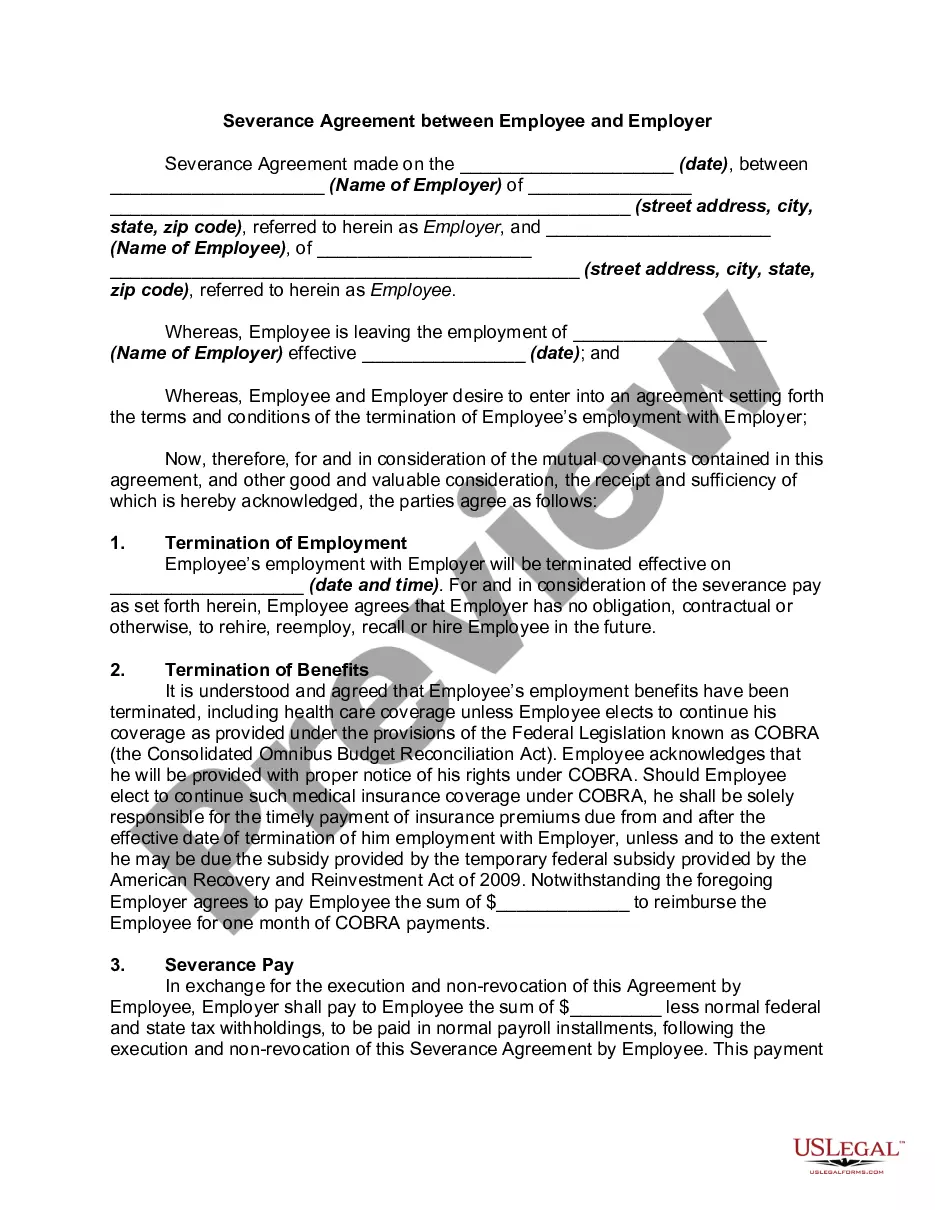
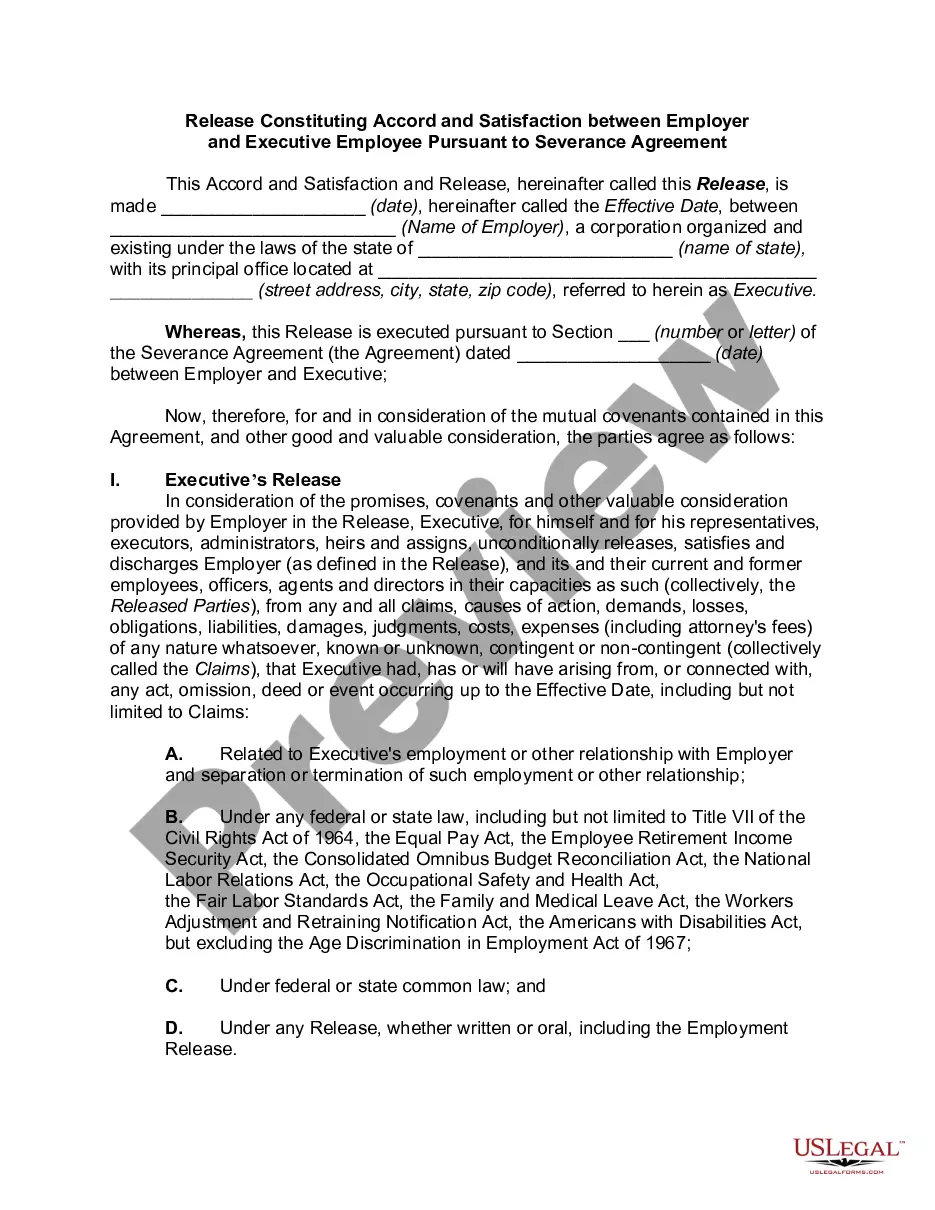
Get your form ready online
Our built-in tools help you complete, sign, share, and store your documents in one place.
Make edits, fill in missing information, and update formatting in US Legal Forms—just like you would in MS Word.
Download a copy, print it, send it by email, or mail it via USPS—whatever works best for your next step.
Sign and collect signatures with our SignNow integration. Send to multiple recipients, set reminders, and more. Go Premium to unlock E-Sign.
If this form requires notarization, complete it online through a secure video call—no need to meet a notary in person or wait for an appointment.
We protect your documents and personal data by following strict security and privacy standards.

Make edits, fill in missing information, and update formatting in US Legal Forms—just like you would in MS Word.

Download a copy, print it, send it by email, or mail it via USPS—whatever works best for your next step.

Sign and collect signatures with our SignNow integration. Send to multiple recipients, set reminders, and more. Go Premium to unlock E-Sign.

If this form requires notarization, complete it online through a secure video call—no need to meet a notary in person or wait for an appointment.

We protect your documents and personal data by following strict security and privacy standards.
Looking for another form?








Form popularity
FAQ
Non-Disparagement Clauses Be cautious of one-sided clauses that prevent you from sharing your experience while allowing the company to speak negatively about you, potentially hindering your future job prospects.
disparagement clause generally prevents employees from disclosing certain confidential business information or saying anything negative about their former employer. Confidentiality clauses generally prohibit employees from sharing details of the severance agreement.
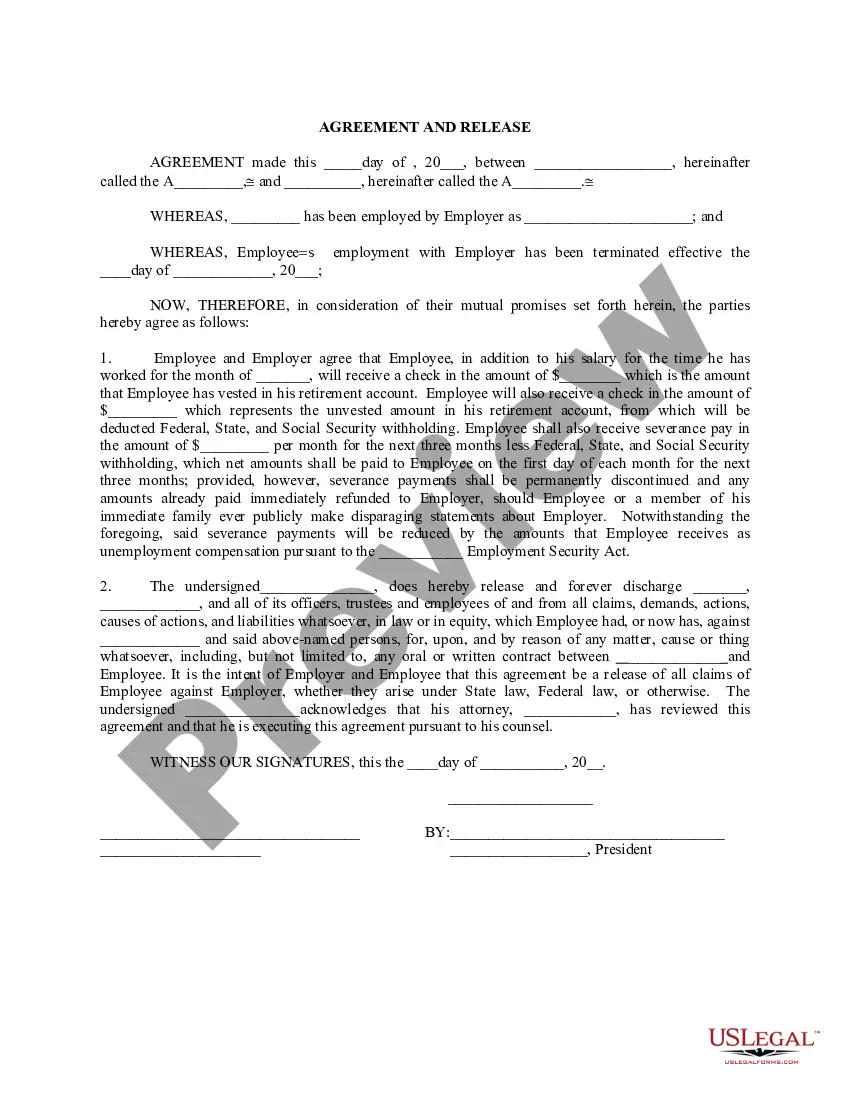
disparagement clause is a provision in an agreement that prohibits the involved parties from making any negative statements, remarks, or representations about each other.
The parties agree to not make any statements written or verbal, or cause or encourage any others to make statements, written or verbal regarding the past behavior of the parties, which statements would tend to disparage or impugn the reputation of any party.
Utah lawmakers added redundancy in March with a bill that prohibits NDAs “related to sexual assault and sexual harassment, as a condition of employment.”
Non-disparagement clauses have been enforced by a vast majority of state and federal courts, and proving that you have disparaged someone is not as hard as you think.
In California, a nondisclosure agreement may be enforceable, provided it meets basic criteria. The restrictive covenant must be properly drafted. This entails clear writing, detailed information about the confidential components of the contract, and a clearly stated extent of the confidentiality obligation.
As to whether the non-disparagement clause is lawful, that depends on whether certain exceptions are provided for. There should be exceptions that allow a party to provide truthful testimony in legal proceedings, communicate truthfully with any government agency, or enforce the agreement the parties signed.
For example, California Government Code Section 12964.5 prohibits employers from requiring an applicant or employee, as a condition of employment or continued employment, to sign a non-disparagement agreement or any other document that prevents applicants or employees from discussing or disclosing information about ...