Severance Agreement Form Without An Agreement In Orange
Description

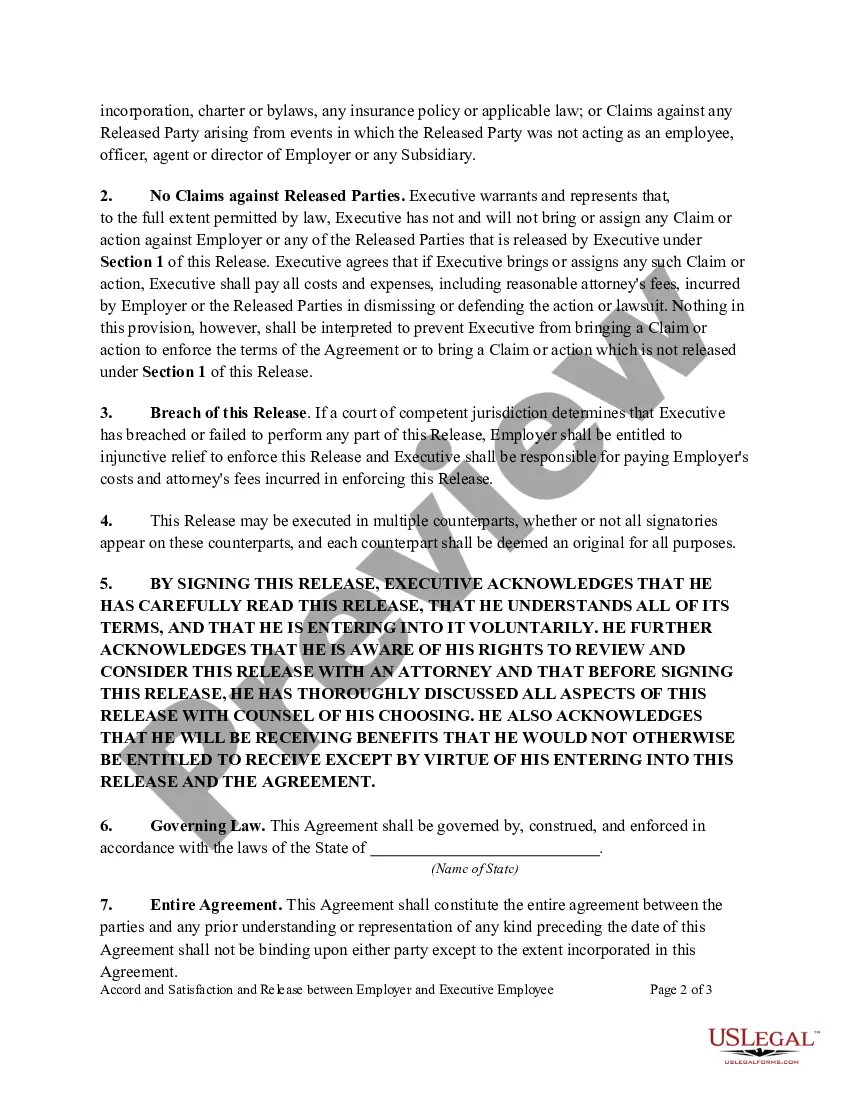
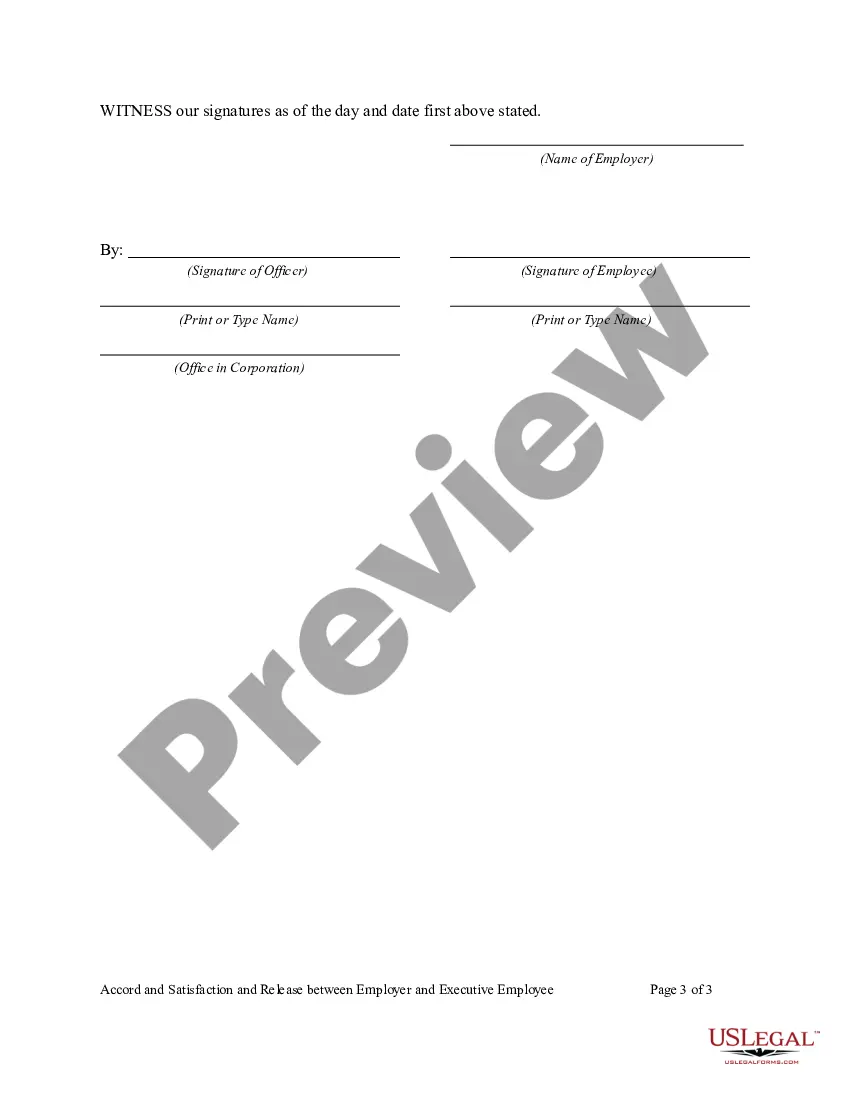
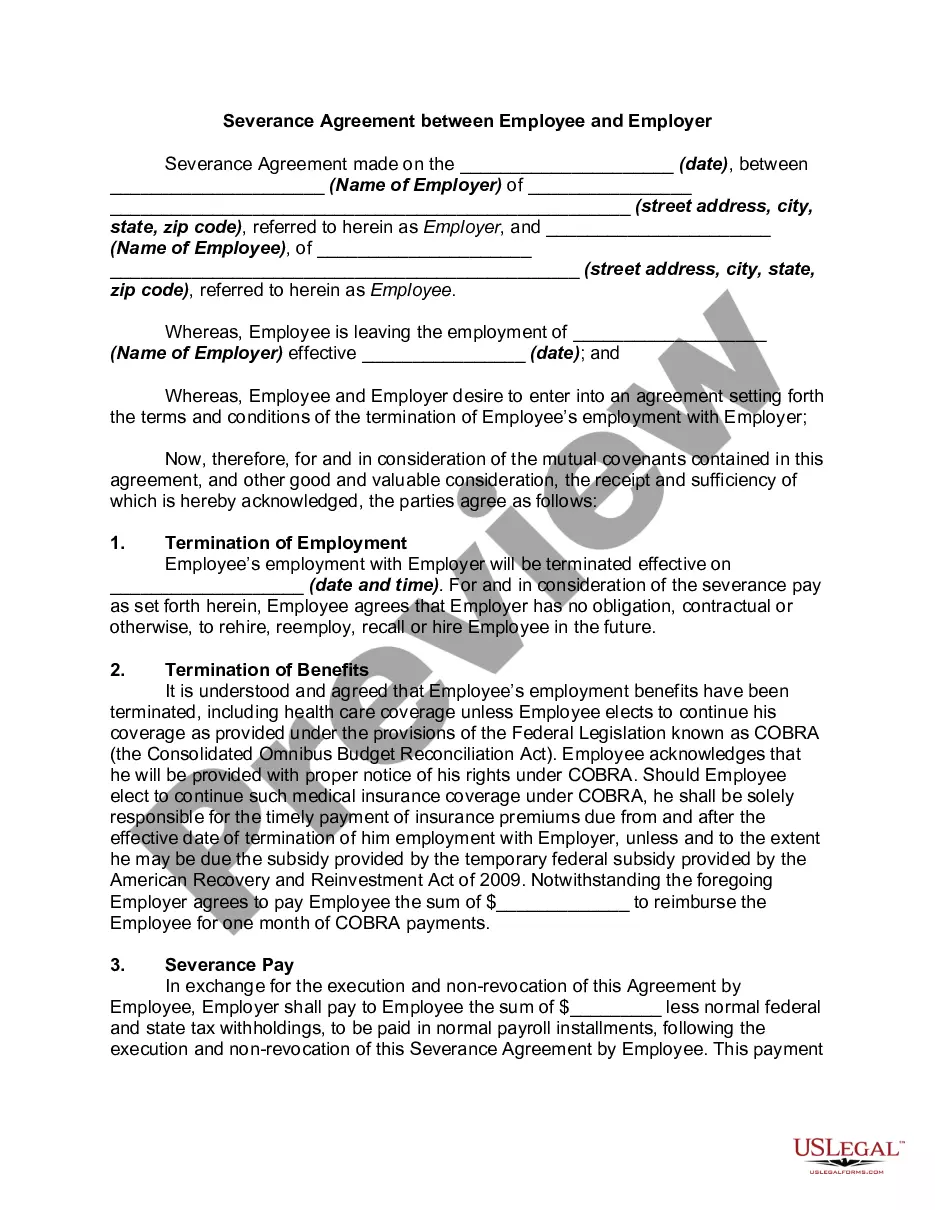
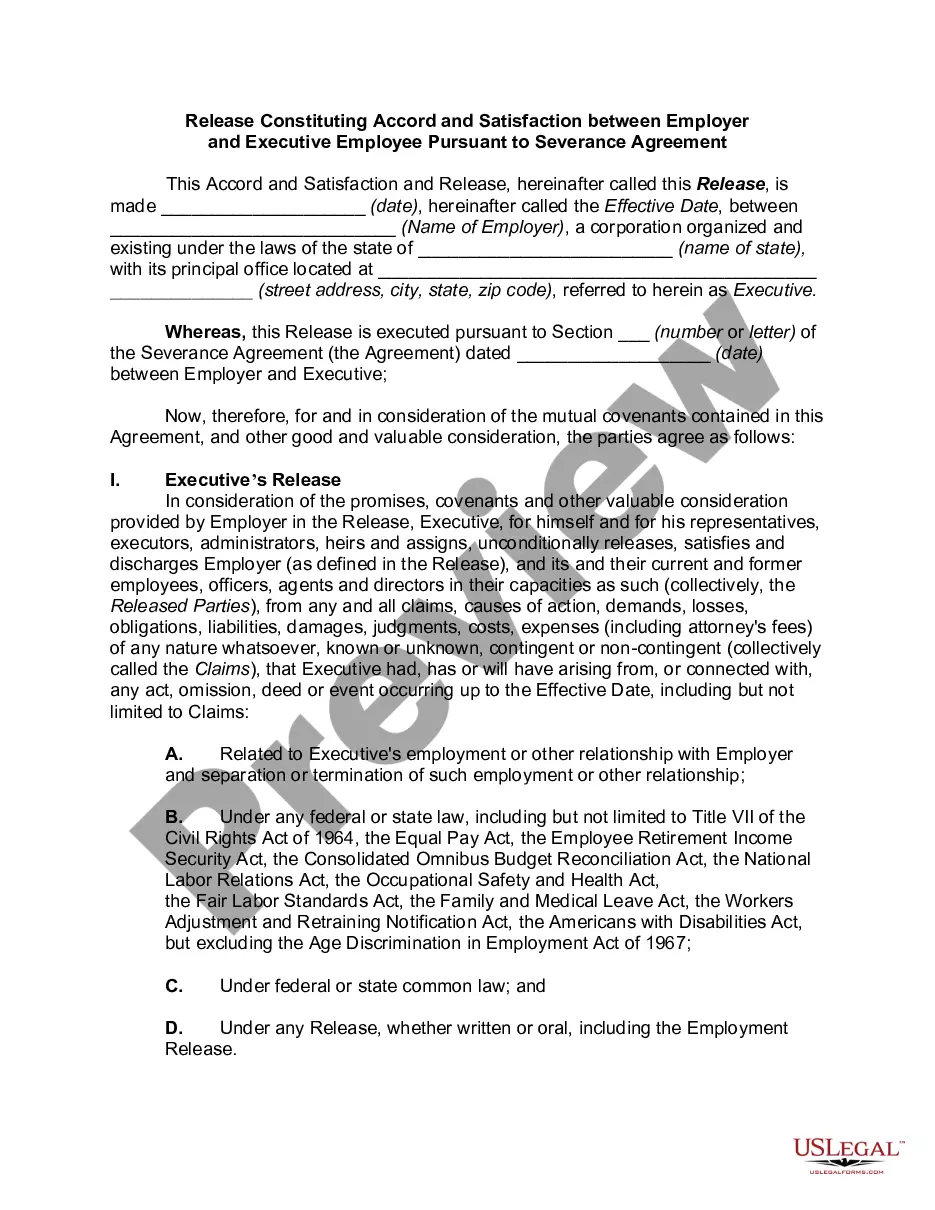
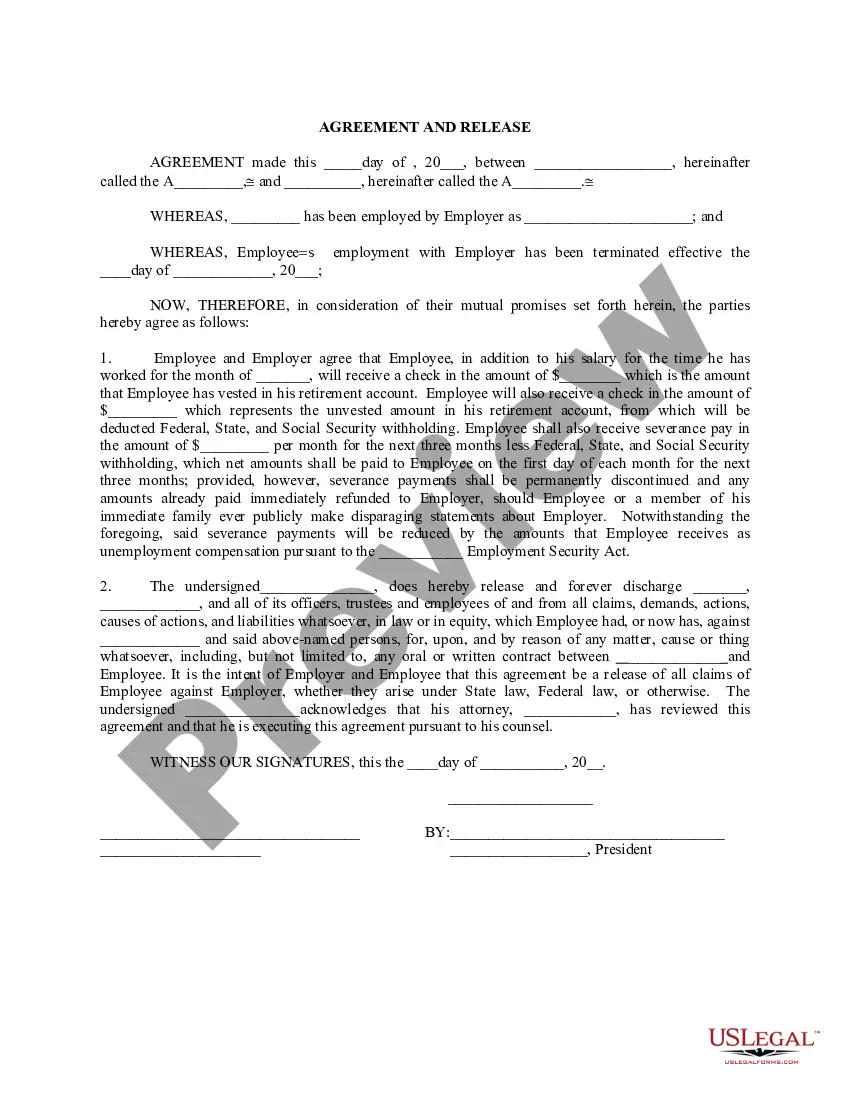
Get your form ready online
Our built-in tools help you complete, sign, share, and store your documents in one place.
Make edits, fill in missing information, and update formatting in US Legal Forms—just like you would in MS Word.
Download a copy, print it, send it by email, or mail it via USPS—whatever works best for your next step.
Sign and collect signatures with our SignNow integration. Send to multiple recipients, set reminders, and more. Go Premium to unlock E-Sign.
If this form requires notarization, complete it online through a secure video call—no need to meet a notary in person or wait for an appointment.
We protect your documents and personal data by following strict security and privacy standards.

Make edits, fill in missing information, and update formatting in US Legal Forms—just like you would in MS Word.

Download a copy, print it, send it by email, or mail it via USPS—whatever works best for your next step.

Sign and collect signatures with our SignNow integration. Send to multiple recipients, set reminders, and more. Go Premium to unlock E-Sign.

If this form requires notarization, complete it online through a secure video call—no need to meet a notary in person or wait for an appointment.

We protect your documents and personal data by following strict security and privacy standards.
Looking for another form?






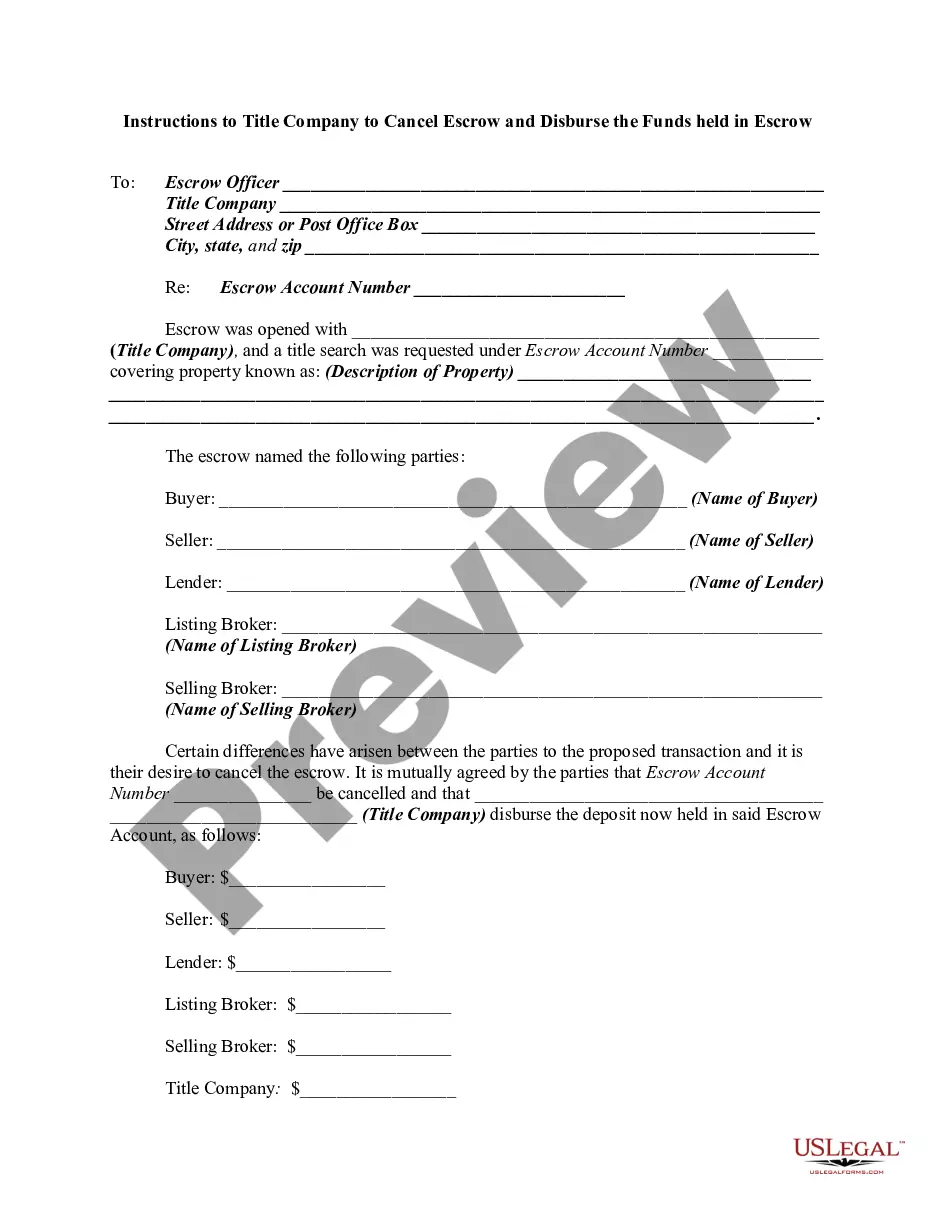
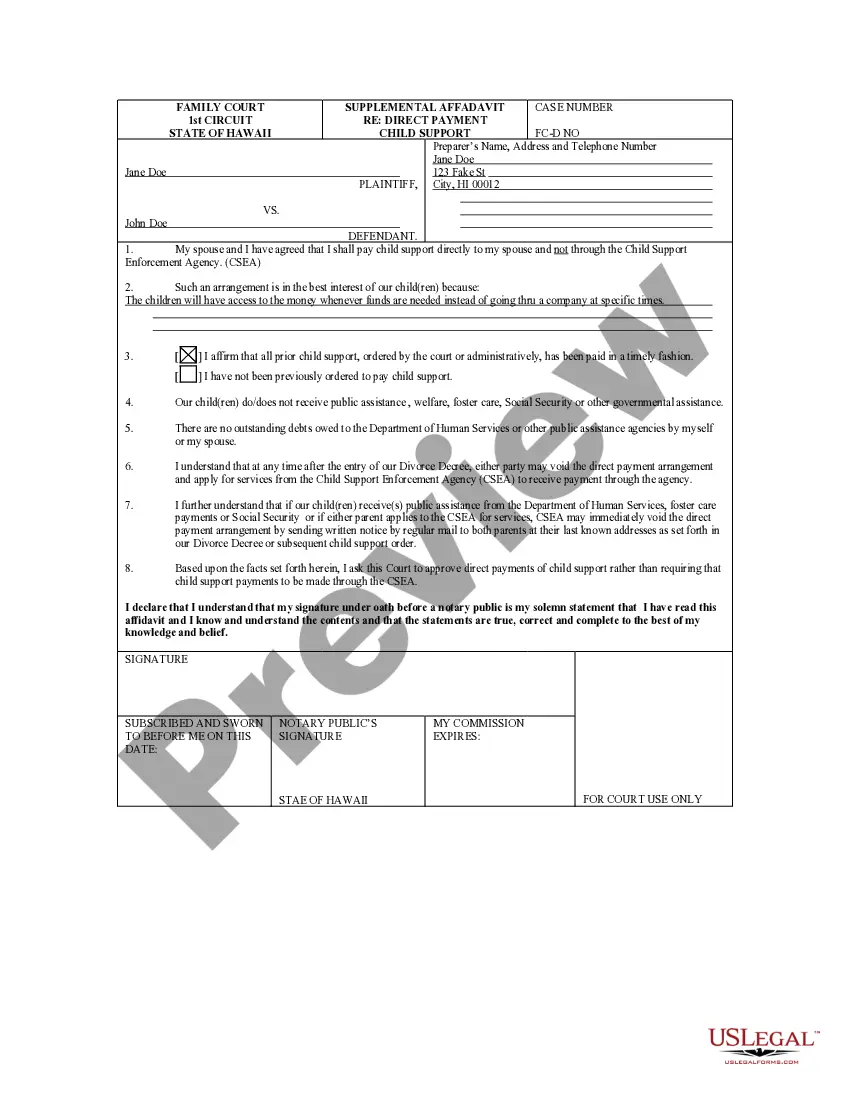

Form popularity
FAQ
Lack of Voluntary Consent: Under California law, a severance agreement can be considered valid and enforceable only if the parties entered into it voluntarily. If your consent was obtained through coercion, duress, or fraud, the agreement will be deemed invalid.
No. Under California law, it's not mandatory for you to sign a severance agreement – regardless of your position, job responsibilities, and the industry you work in. In fact, the law states that a severance agreement is valid only if the parties involved voluntarily enter into it.
While no mandate requires employers to provide severance under California law, SB 331, signed into law in October 2021, introduced important provisions: Time to Review: You have a minimum of five days to review the severance agreement.
The employee may be able to negotiate some exceptions for disclosure, such as family members, lawyers, accountants, financial advisors and government or tax authorities. Signatures: Both parties must sign the document to demonstrate that they agree to the severance terms and conditions.
You and your employer must follow certain legal formalities for a severance agreement to be enforceable. You must ensure that the agreement is in writing and that your employer has signed it. Sometimes, you might also need a witness or have it notarized. Failing to adhere to these formalities can void the agreement.
Neither the California Labor Code nor the federal Fair Labor Standards Act require employers to offer severance agreements to departing employees. Instead, severance agreements are provided by employers to accomplish a specific goal.