Employment With Severance In New York
Description

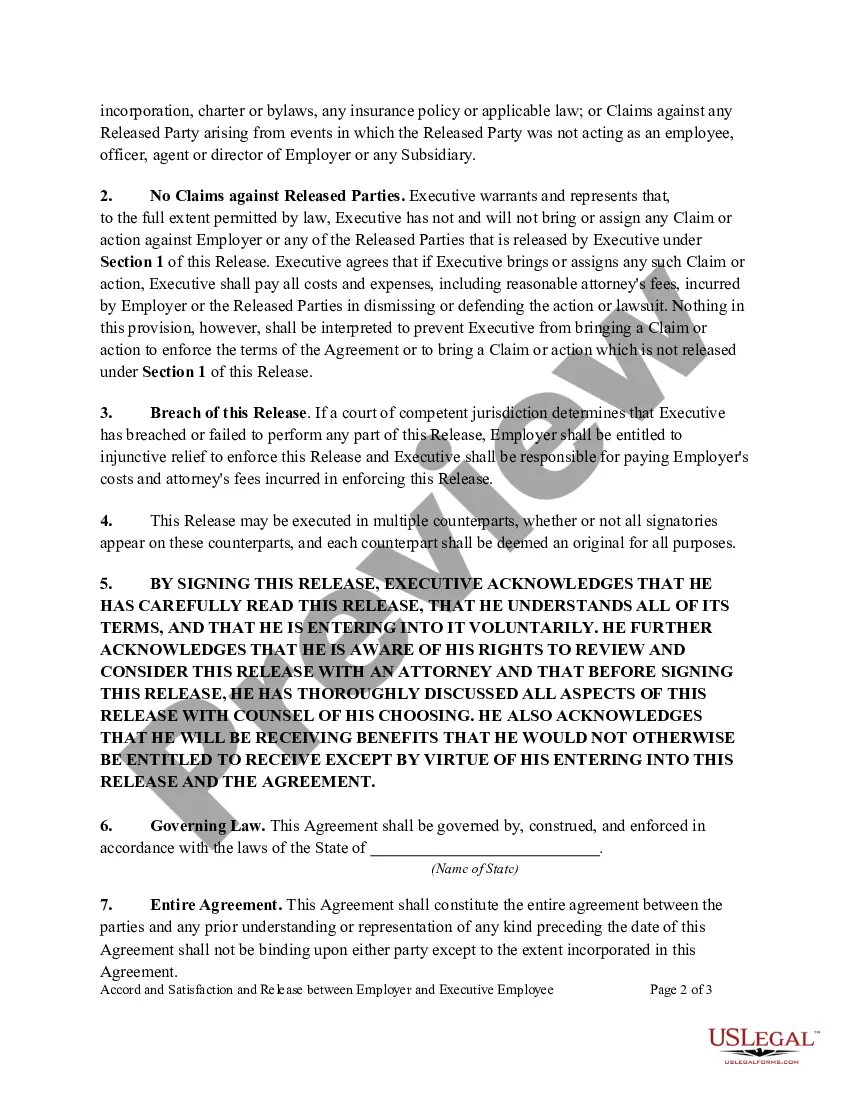
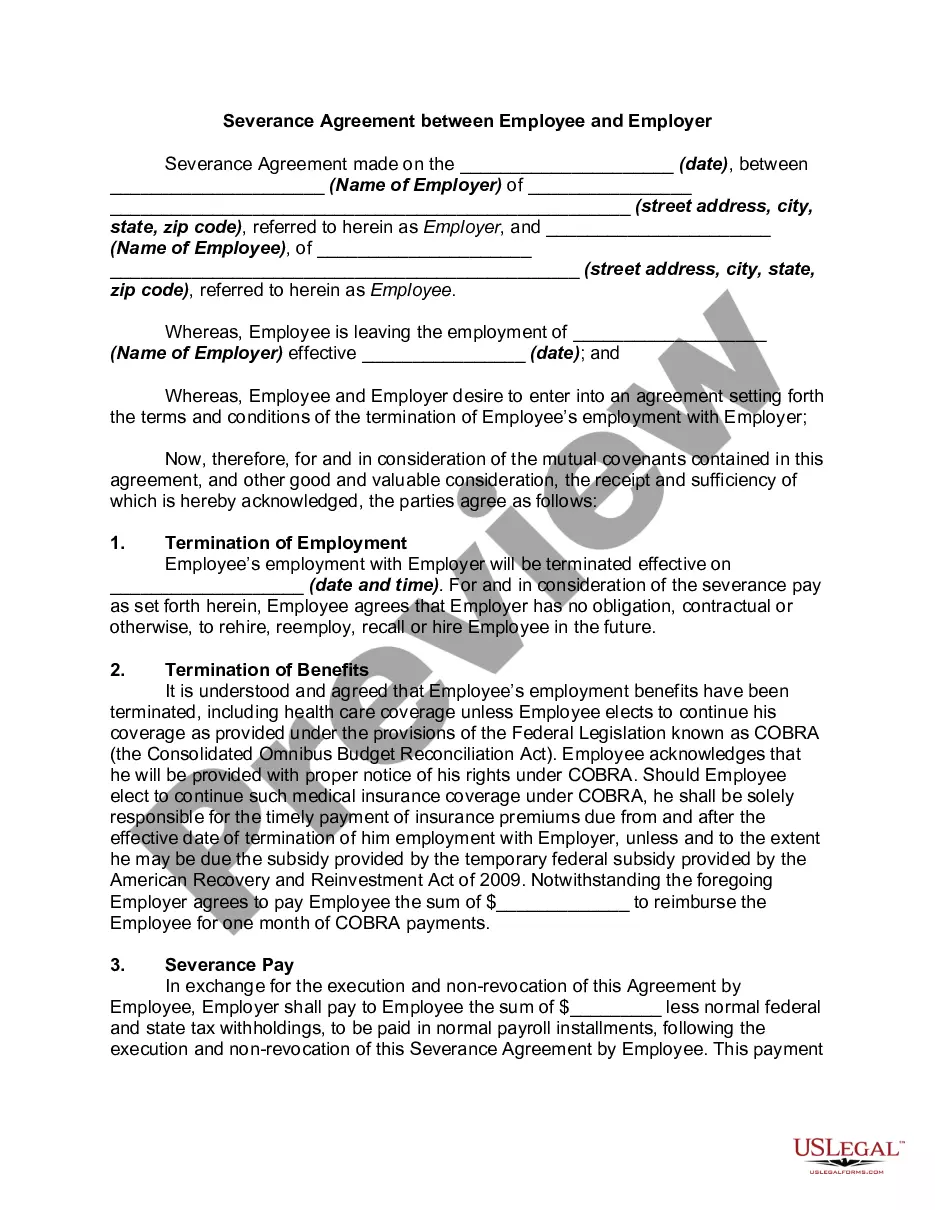
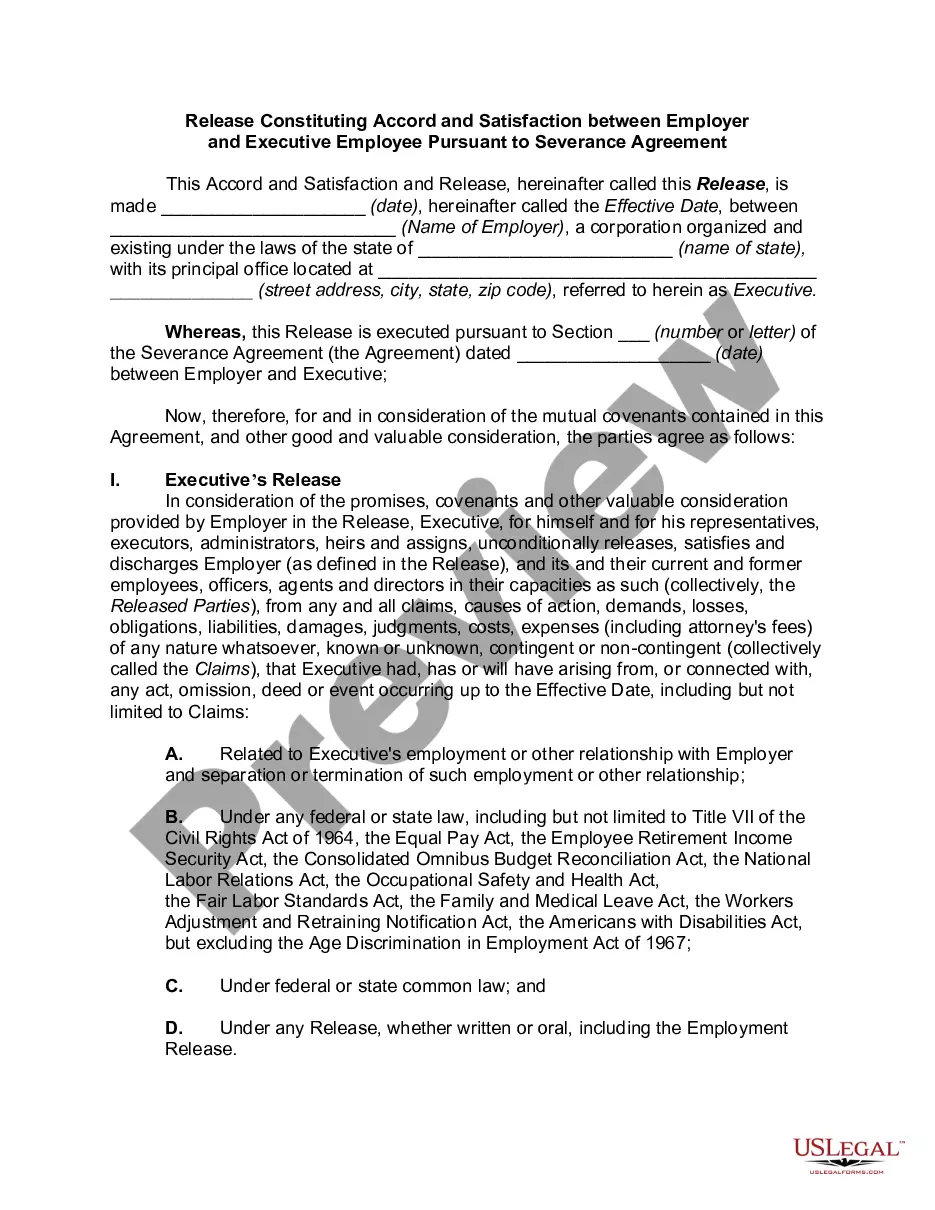
Get your form ready online
Our built-in tools help you complete, sign, share, and store your documents in one place.
Make edits, fill in missing information, and update formatting in US Legal Forms—just like you would in MS Word.
Download a copy, print it, send it by email, or mail it via USPS—whatever works best for your next step.
Sign and collect signatures with our SignNow integration. Send to multiple recipients, set reminders, and more. Go Premium to unlock E-Sign.
If this form requires notarization, complete it online through a secure video call—no need to meet a notary in person or wait for an appointment.
We protect your documents and personal data by following strict security and privacy standards.

Make edits, fill in missing information, and update formatting in US Legal Forms—just like you would in MS Word.

Download a copy, print it, send it by email, or mail it via USPS—whatever works best for your next step.

Sign and collect signatures with our SignNow integration. Send to multiple recipients, set reminders, and more. Go Premium to unlock E-Sign.

If this form requires notarization, complete it online through a secure video call—no need to meet a notary in person or wait for an appointment.

We protect your documents and personal data by following strict security and privacy standards.
Looking for another form?










Form popularity
FAQ
If you receive severance within 30 days of the last day you worked, you cannot collect unemployment until the severance runs out. If you receive your first severance payment more than 30 days after your last day, the severance will not affect the weekly benefits.
Severance agreements can be challenged on grounds of unconscionability or duress. Unconscionability refers to terms that are so one-sided or oppressive that they shock the conscience.
On March 4, 2025, the New York Senate passed Senate Bill S372 (the “No Severance Ultimatums Act” or “S372”). If enacted, S372 would add a new section to the New York Labor Law requiring New York employers to provide for a 21-business day review period and a seven-day revocation period in all severance agreements.
The majority of severance agreements are structured to provide financial support regardless of employment status after leaving the company. However, certain agreements may include provisions that allow an employer to stop severance payments if the employee secures comparable work.
You may be denied benefits if you: Were fired because you violated a company policy, rule or procedure, such as absenteeism or insubordination. Quit your job without good cause, such as a compelling personal reason.
Period severance is not considered wages as an offset against unemployment uh the backgroundMorePeriod severance is not considered wages as an offset against unemployment uh the background principle being If you're earning. Wages. Then you're not entitled to unemployment or at least if you're
Severance packages are typically offered at the discretion of the employer for strategic or business-related reasons. Despite the lack of statutory guidelines, many New York companies do voluntarily offer severance packages to executives and other employees when they're terminated, laid off, or reach retirement.
All charges for materials and labor that you bill to your customer for any repair, maintenance, or installation project, including any expenses or other markups, are taxable.
If you receive severance within 30 days of the last day you worked, you cannot collect unemployment until the severance runs out. If you receive your first severance payment more than 30 days after your last day, the severance will not affect the weekly benefits.