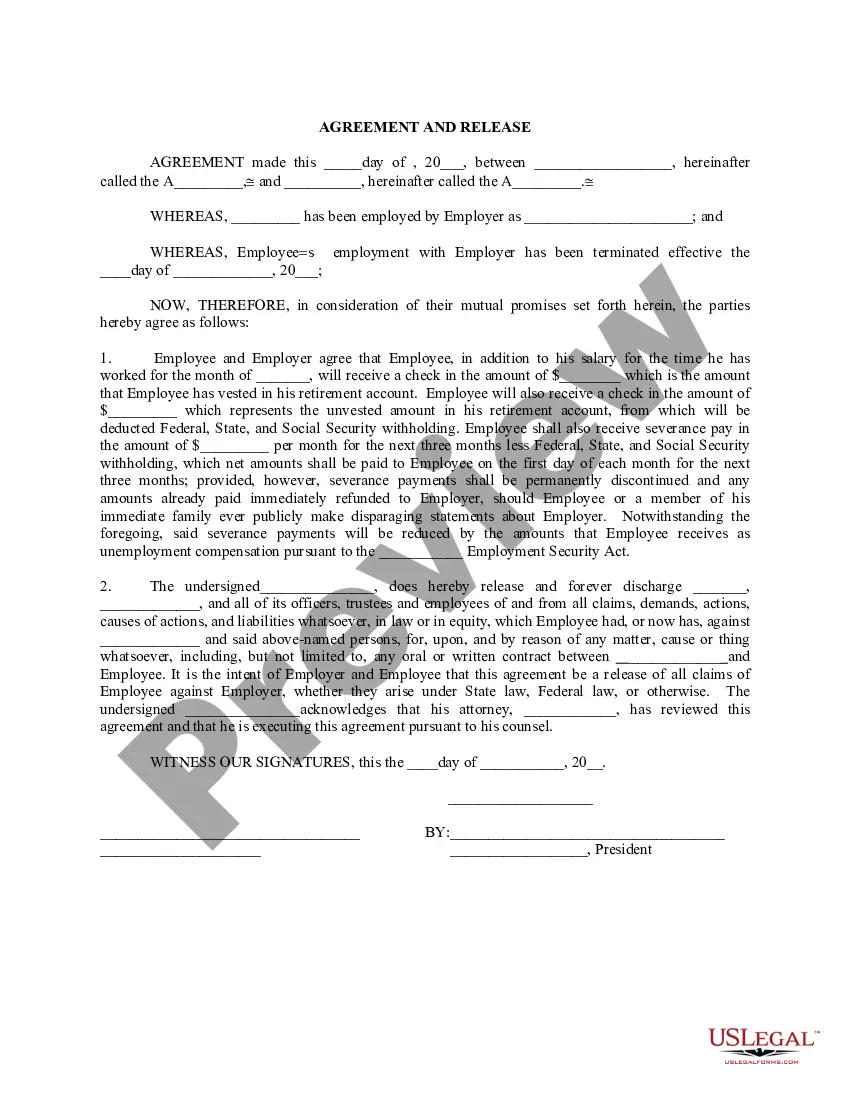
Severance Agreement Form Withdrawn In Montgomery
Description

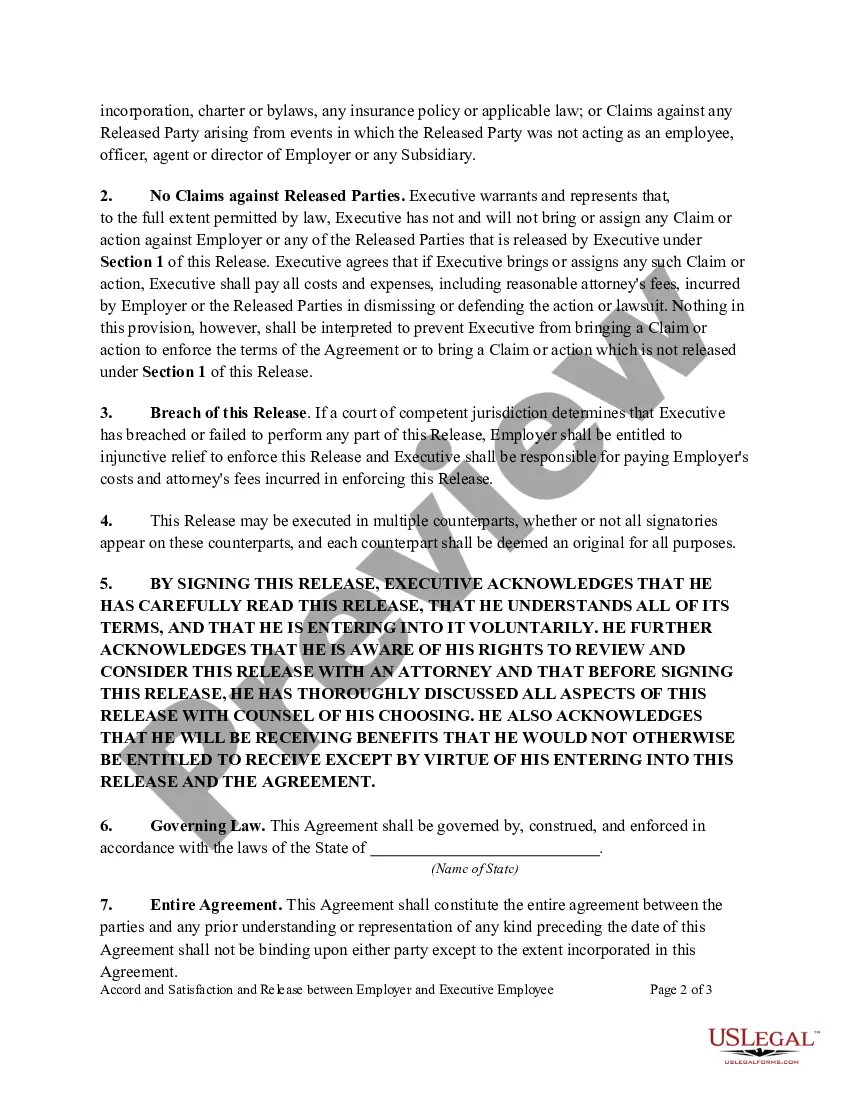
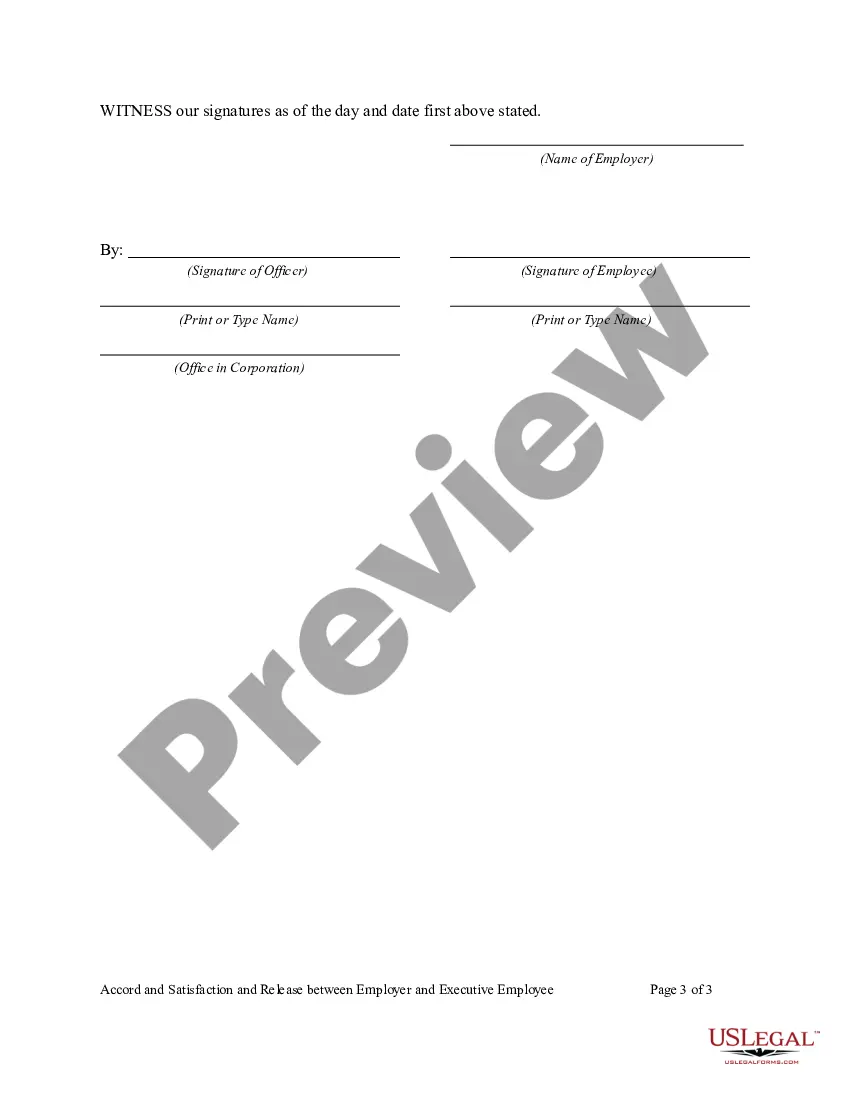
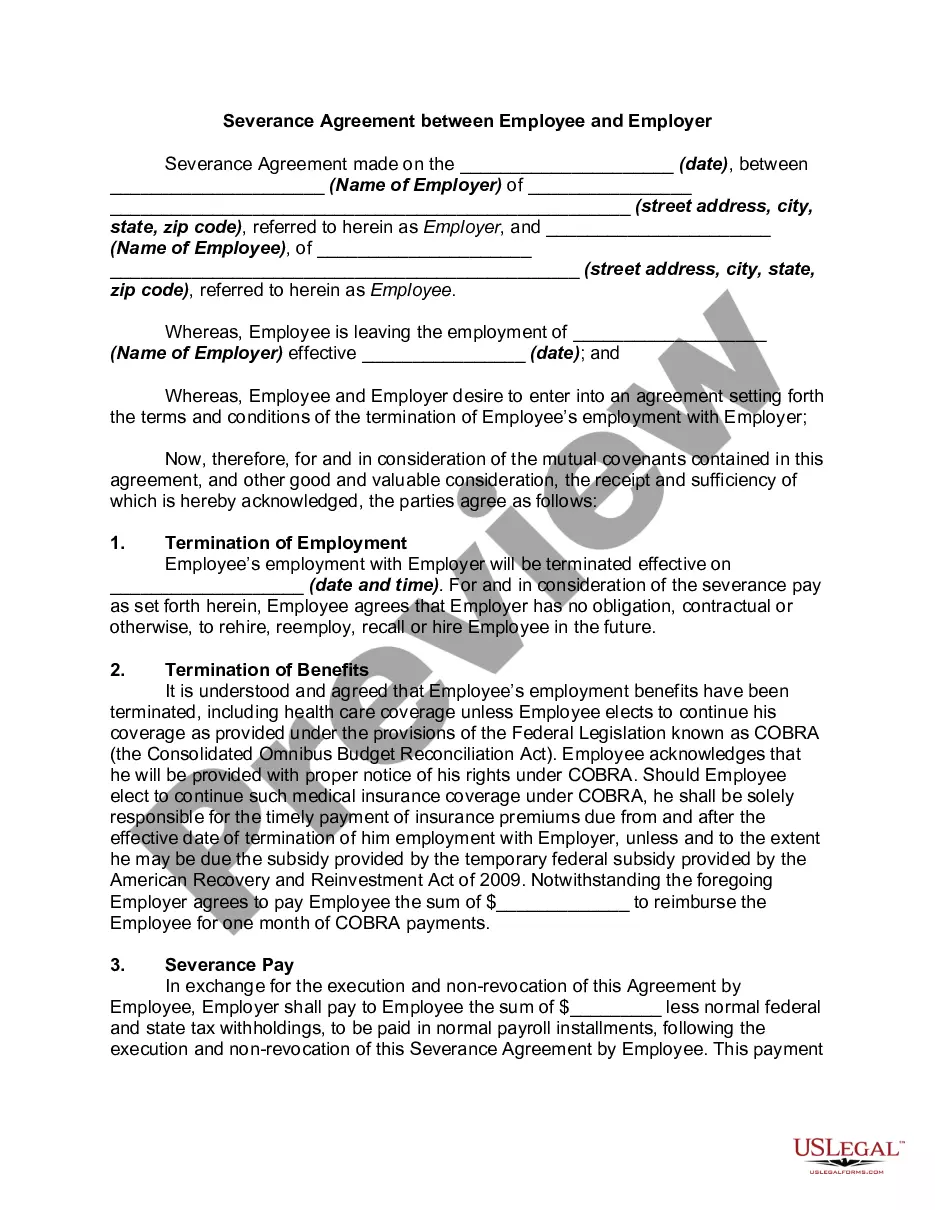
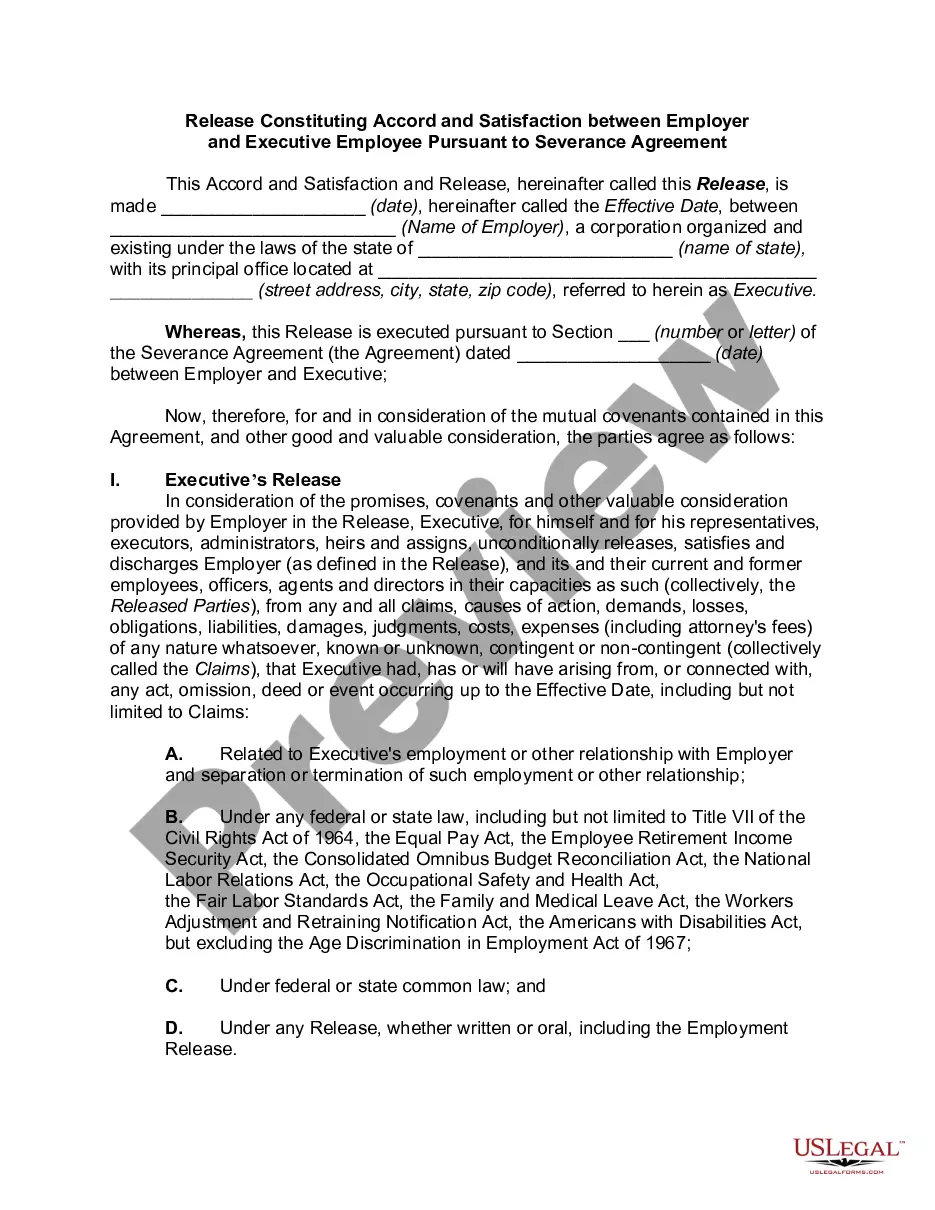
Get your form ready online
Our built-in tools help you complete, sign, share, and store your documents in one place.
Make edits, fill in missing information, and update formatting in US Legal Forms—just like you would in MS Word.
Download a copy, print it, send it by email, or mail it via USPS—whatever works best for your next step.
Sign and collect signatures with our SignNow integration. Send to multiple recipients, set reminders, and more. Go Premium to unlock E-Sign.
If this form requires notarization, complete it online through a secure video call—no need to meet a notary in person or wait for an appointment.
We protect your documents and personal data by following strict security and privacy standards.

Make edits, fill in missing information, and update formatting in US Legal Forms—just like you would in MS Word.

Download a copy, print it, send it by email, or mail it via USPS—whatever works best for your next step.

Sign and collect signatures with our SignNow integration. Send to multiple recipients, set reminders, and more. Go Premium to unlock E-Sign.

If this form requires notarization, complete it online through a secure video call—no need to meet a notary in person or wait for an appointment.

We protect your documents and personal data by following strict security and privacy standards.
Looking for another form?








Form popularity
FAQ
Most severance agreements include a release of claims clause, which means: If You Signed a Release of Claims, You Usually Cannot Sue.
If an employer creates a severance plan, the employees covered by the terms of the plan are entitled to the benefits that the plan provides upon the occurrence of the event that triggers benefits. However, an employer may create, modify or abolish a severance plan as it sees fit.
Lack of Voluntary Consent: Under California law, a severance agreement can be considered valid and enforceable only if the parties entered into it voluntarily. If your consent was obtained through coercion, duress, or fraud, the agreement will be deemed invalid.
Severance agreements can be challenged on grounds of unconscionability or duress. Unconscionability refers to terms that are so one-sided or oppressive that they shock the conscience.
If you were to breach the severance agreement (for example by suing your former employer despite the severance agreement waiving all claims you had against it), the former employer would be within its rights to stop making severance payments.
Yes, you can counter a severance package. However, since employers are not legally required to offer them, it is hard to have any leverage for the negotiation unless you have a potential discrimination claim against the employer that acquired your prior company.
What is the downside to severance? The downside to severance includes financial drawbacks such as loss of steady income, potential loss of benefits, and uncertainty about future job prospects, as well as the impact on retirement savings and benefits.
How to Negotiate Your Severance Package Understand Your Rights and Company Policies. Assess the Terms of the Initial Offer. Consider Seeking Legal Advice. Evaluate Your Unique Circumstances. Identify Negotiable Elements. Articulate Your Contributions. Propose a Counteroffer. Maintain Professionalism.
During negotiations, emphasize your contributions to the company. Highlight your achievements, skills, and the value you brought to your role. Demonstrating your positive impact can strengthen your position and make a case for more favorable severance terms.
How to Structure a Severance Agreement Determine Eligibility: Decide which employees will be offered a severance agreement based on company policy or specific circumstances. Consult Legal Counsel: Work with an attorney to draft the agreement to ensure compliance with federal and state laws.