Severance Termination For Cause In Middlesex
Description

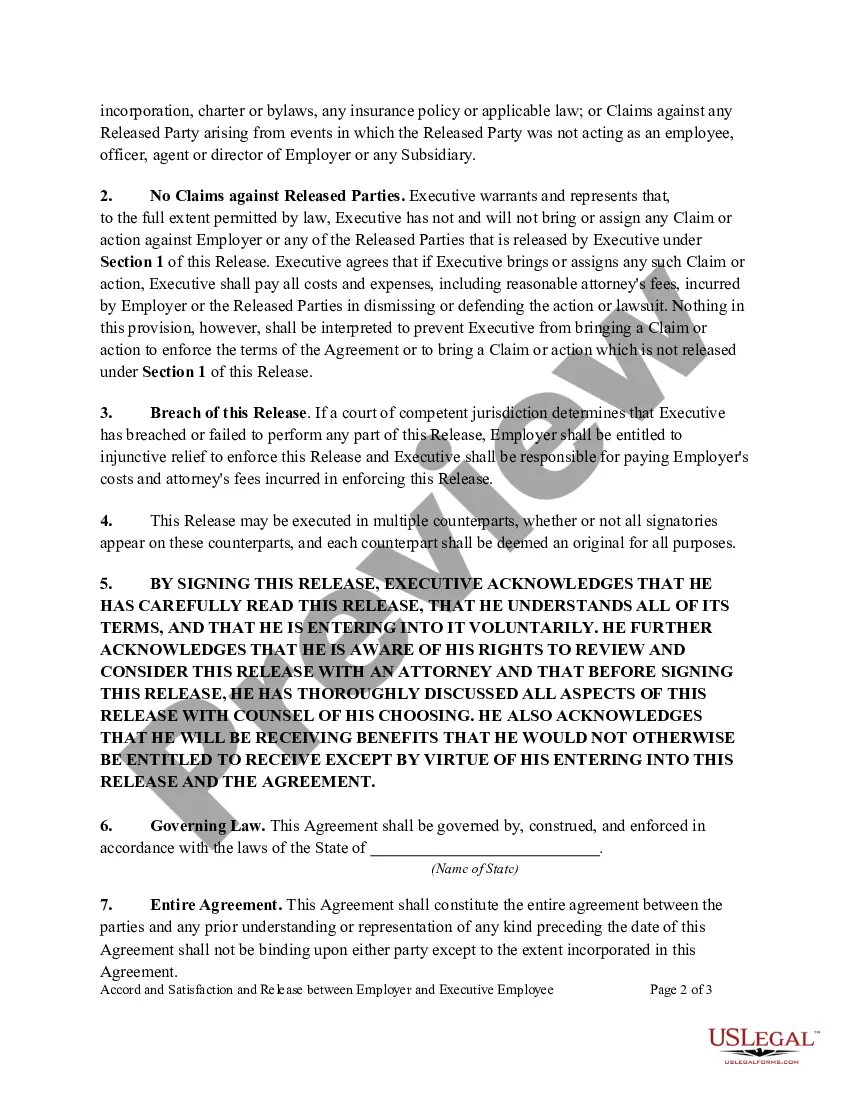
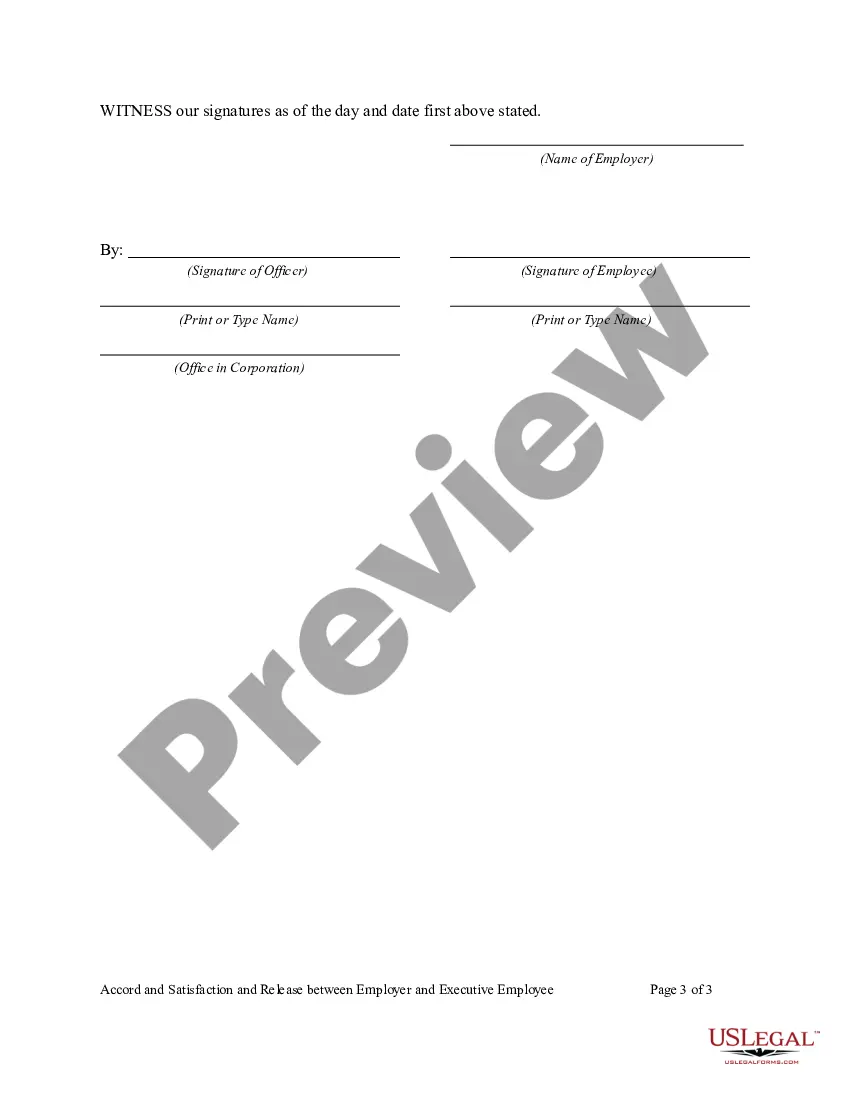
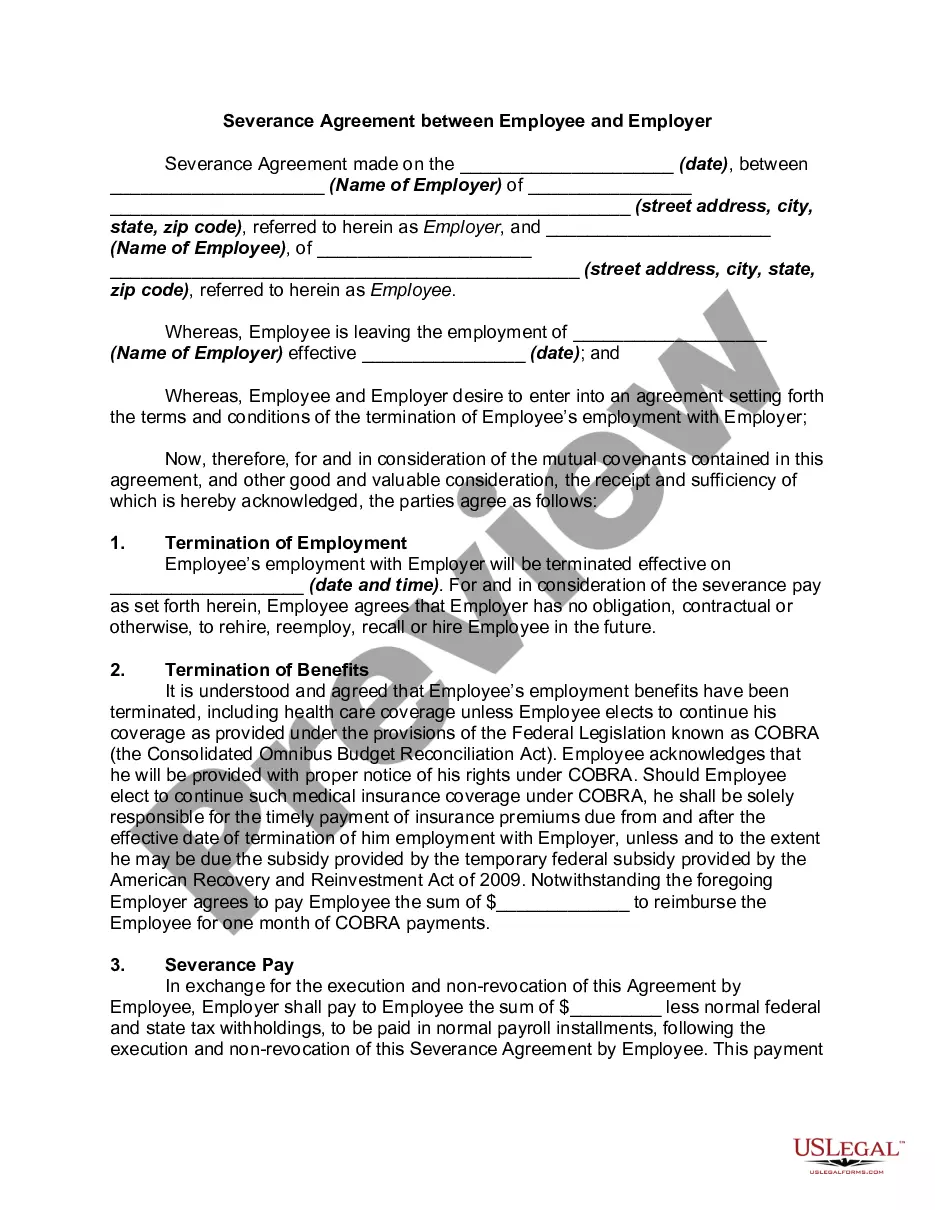
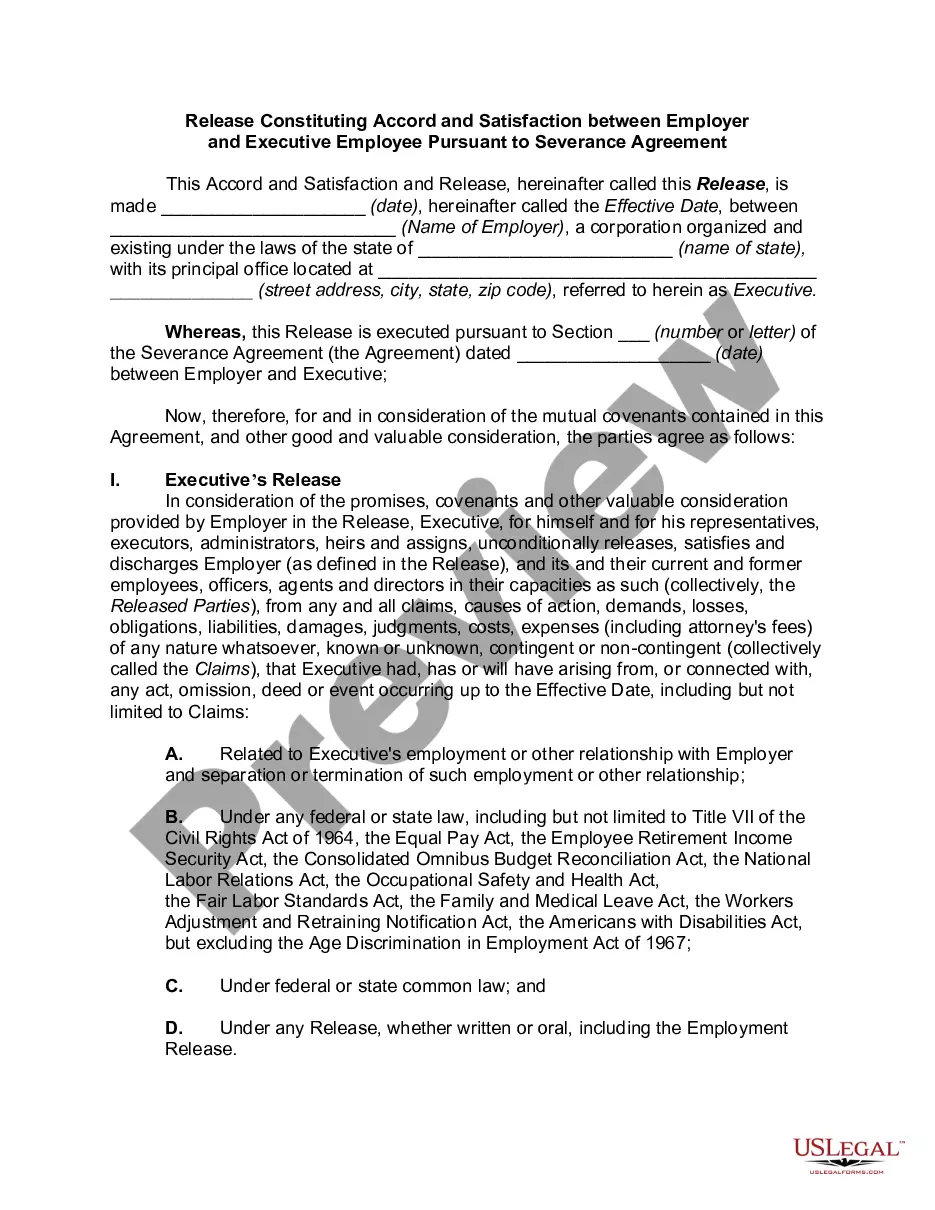
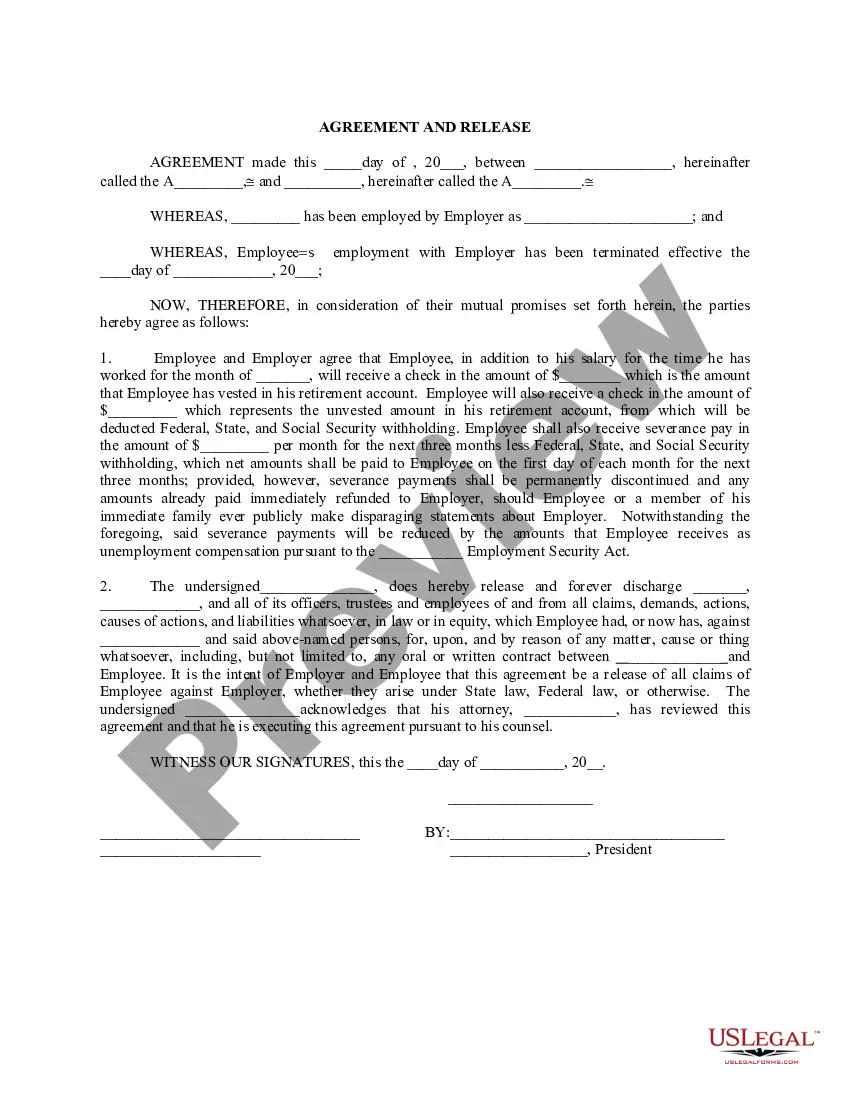
Get your form ready online
Our built-in tools help you complete, sign, share, and store your documents in one place.
Make edits, fill in missing information, and update formatting in US Legal Forms—just like you would in MS Word.
Download a copy, print it, send it by email, or mail it via USPS—whatever works best for your next step.
Sign and collect signatures with our SignNow integration. Send to multiple recipients, set reminders, and more. Go Premium to unlock E-Sign.
If this form requires notarization, complete it online through a secure video call—no need to meet a notary in person or wait for an appointment.
We protect your documents and personal data by following strict security and privacy standards.

Make edits, fill in missing information, and update formatting in US Legal Forms—just like you would in MS Word.

Download a copy, print it, send it by email, or mail it via USPS—whatever works best for your next step.

Sign and collect signatures with our SignNow integration. Send to multiple recipients, set reminders, and more. Go Premium to unlock E-Sign.

If this form requires notarization, complete it online through a secure video call—no need to meet a notary in person or wait for an appointment.

We protect your documents and personal data by following strict security and privacy standards.
Looking for another form?

Form popularity
FAQ
If you're fired for cause, which it sounds like you will be, then they don't need to give you severance. Normally companies will give something to avoid getting sued for wrongful dismissal, because normally there are steps they need to take in order to avoid those kinds of lawsuits.
There are a number of circumstances that might be considered Wrongful Termination in California, which may include an employee who is terminated because of discriminatory practices in the workplace, when a company violates public policy in the process of terminating the employee, or when a company's own guidelines for ...
Employers are not required to provide warnings or reasons for termination unless stipulated in an employment contract or company policy. However, terminations must not violate anti-discrimination laws or other legal protections.
Lack of Voluntary Consent: Under California law, a severance agreement can be considered valid and enforceable only if the parties entered into it voluntarily. If your consent was obtained through coercion, duress, or fraud, the agreement will be deemed invalid.
Here are some tips to help you negotiate your severance package: Meet with your employer or human resources (HR) representative. Contact an employment law attorney. Make a list of terms you can negotiate. Present your case to your employer. Determine whether to sign the severance agreement.
Just make sure you document the termination process well, including evidence of the misconduct. Write a letter of termination listing the behavior and reason for firing, and save a copy for your records. This will serve as valuable evidence if you need to prove it later on.
Incompetence, including lack of productivity or poor quality of work. Insubordination and related issues such as dishonesty or breaking company rules. Attendance issues, such as frequent absences or chronic tardiness.