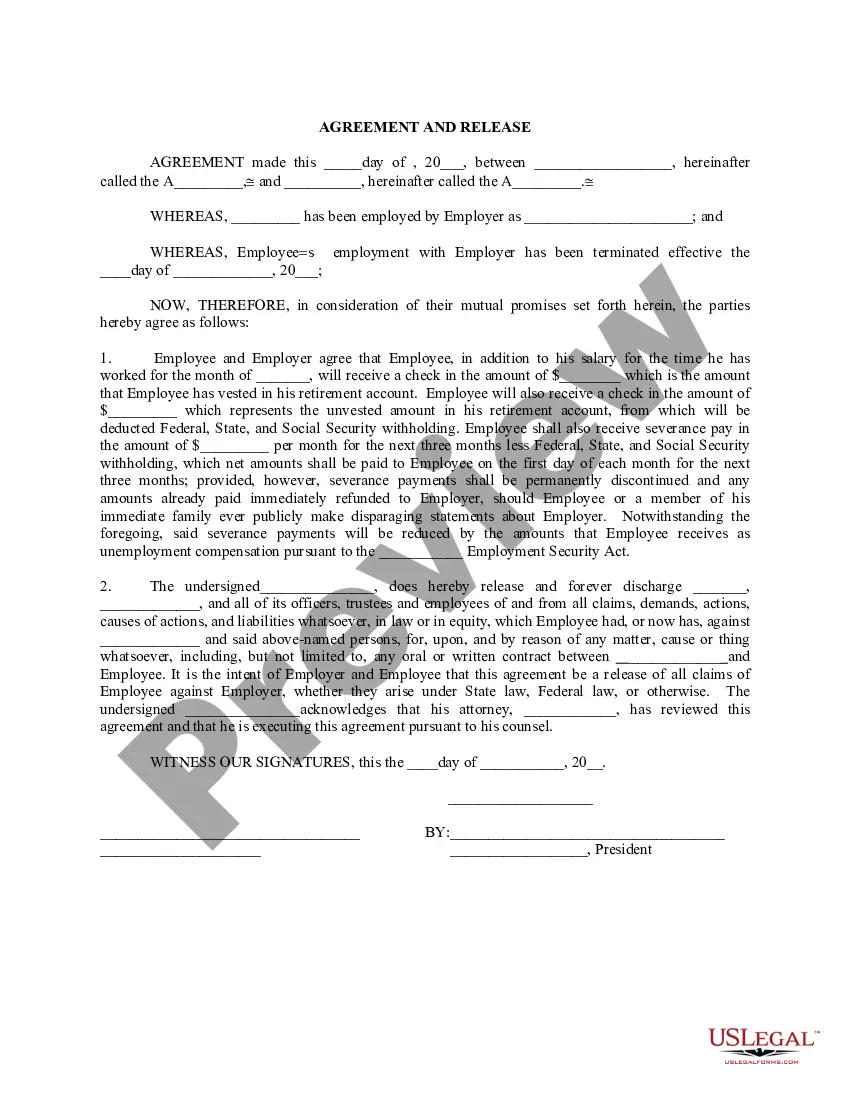
Termination With Severance Letter In Massachusetts
Description

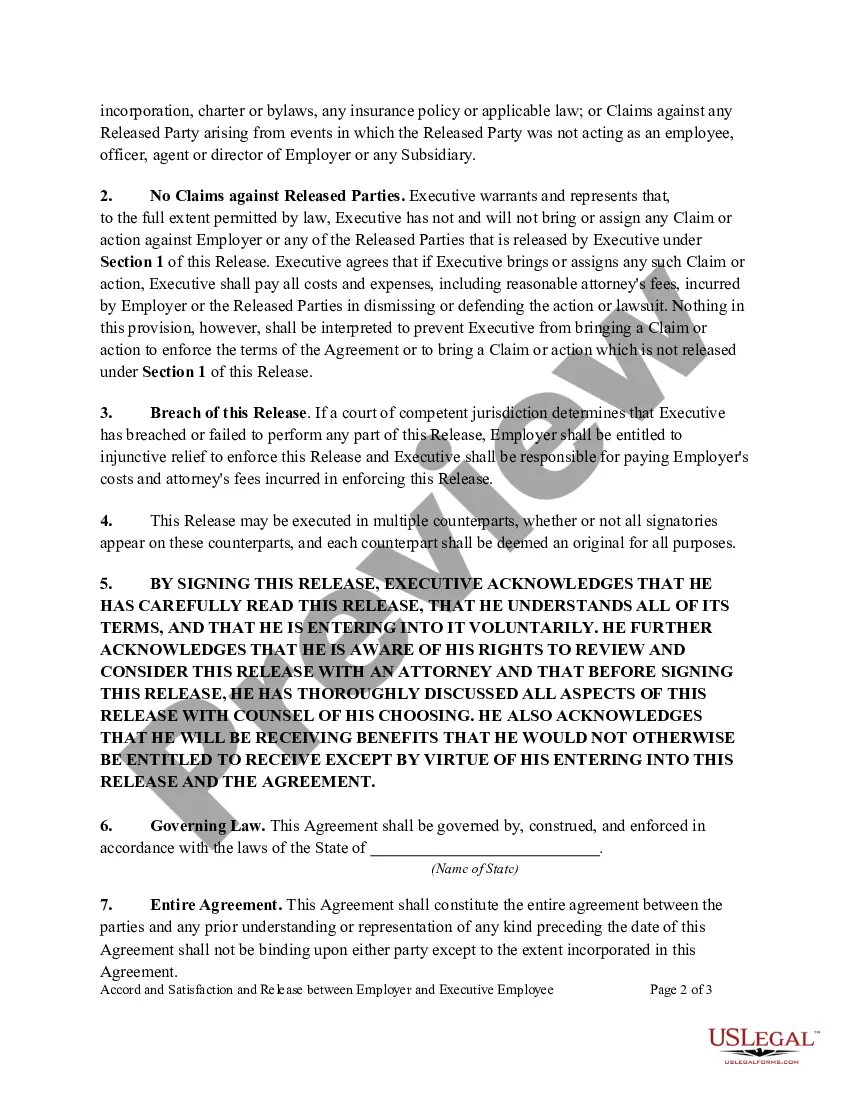
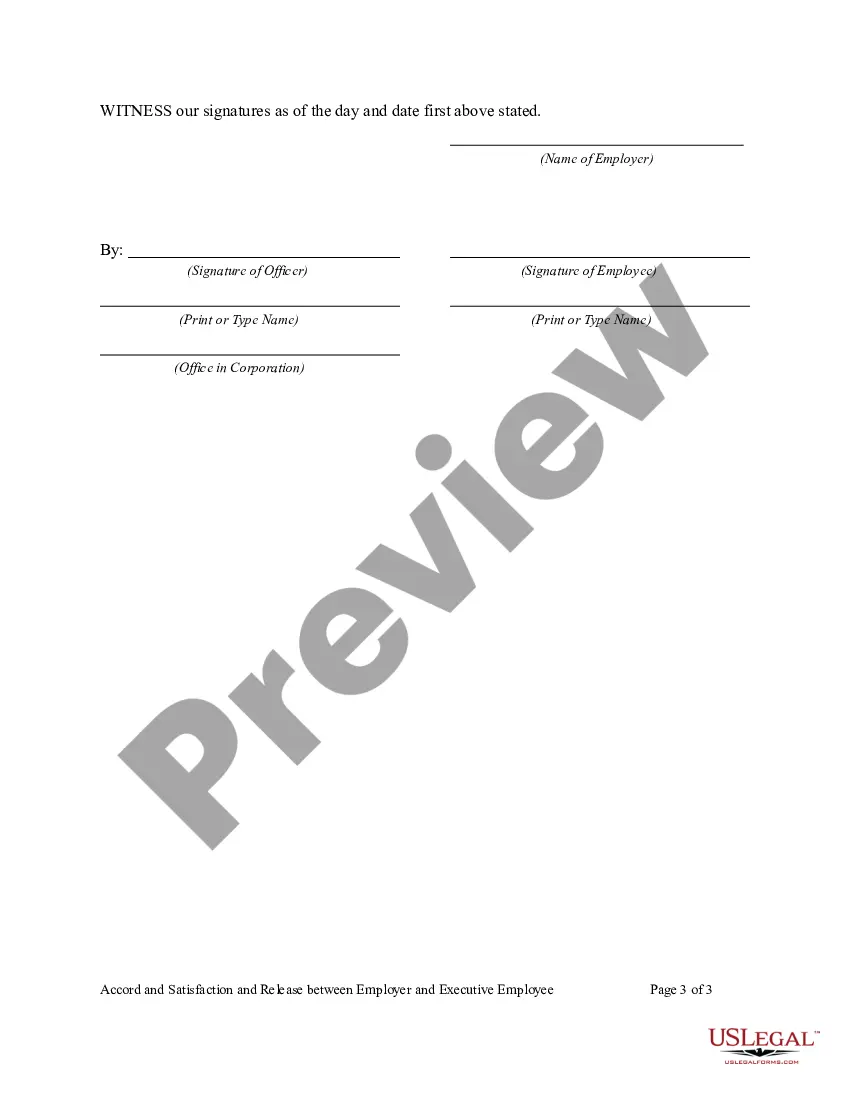
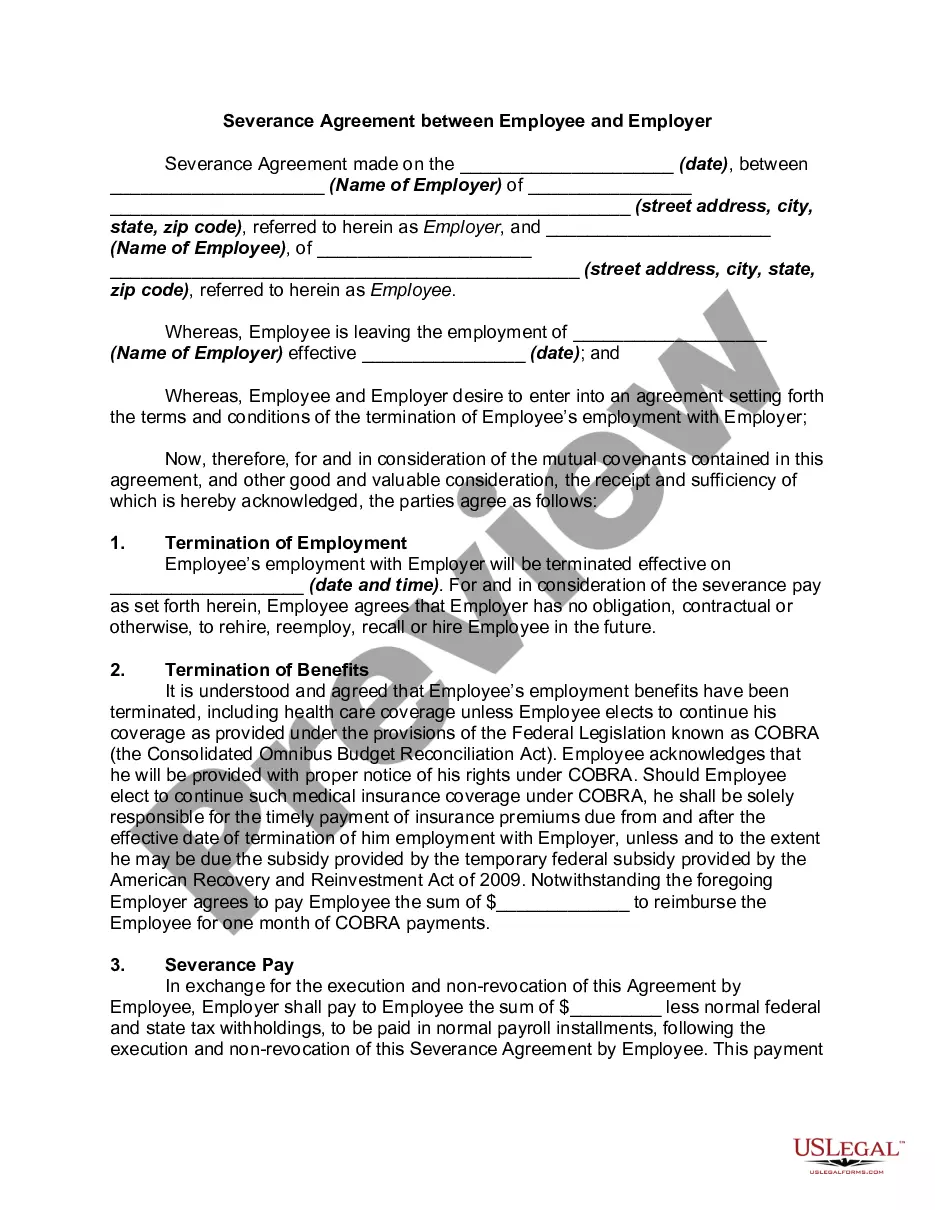
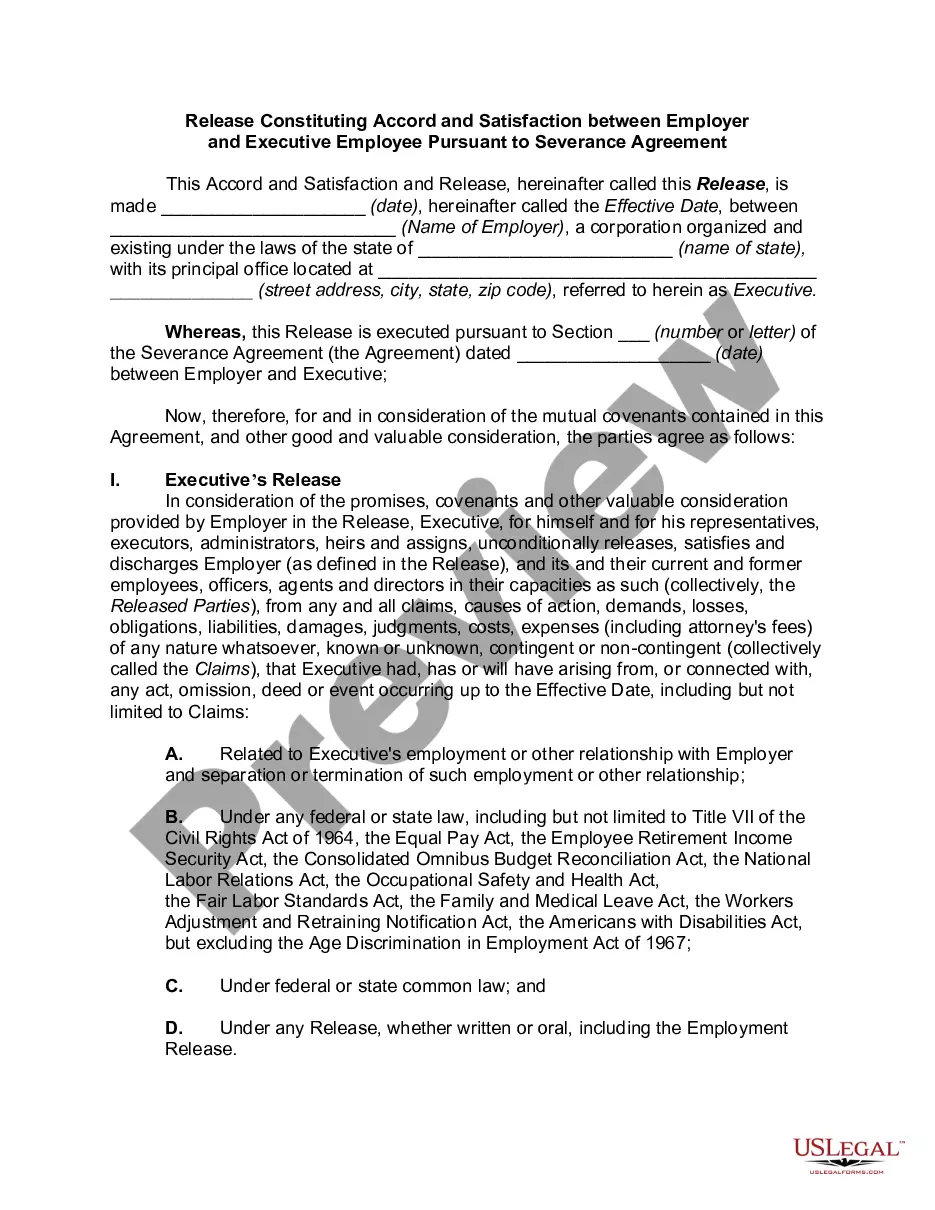
Get your form ready online
Our built-in tools help you complete, sign, share, and store your documents in one place.
Make edits, fill in missing information, and update formatting in US Legal Forms—just like you would in MS Word.
Download a copy, print it, send it by email, or mail it via USPS—whatever works best for your next step.
Sign and collect signatures with our SignNow integration. Send to multiple recipients, set reminders, and more. Go Premium to unlock E-Sign.
If this form requires notarization, complete it online through a secure video call—no need to meet a notary in person or wait for an appointment.
We protect your documents and personal data by following strict security and privacy standards.

Make edits, fill in missing information, and update formatting in US Legal Forms—just like you would in MS Word.

Download a copy, print it, send it by email, or mail it via USPS—whatever works best for your next step.

Sign and collect signatures with our SignNow integration. Send to multiple recipients, set reminders, and more. Go Premium to unlock E-Sign.

If this form requires notarization, complete it online through a secure video call—no need to meet a notary in person or wait for an appointment.

We protect your documents and personal data by following strict security and privacy standards.
Looking for another form?








Form popularity
FAQ
Here are some tips to help you negotiate your severance package: Meet with your employer or human resources (HR) representative. Contact an employment law attorney. Make a list of terms you can negotiate. Present your case to your employer. Determine whether to sign the severance agreement.
Employers are not required to provide a termination letter, and frequently conduct the termination verbally instead of reducing it to writing. Even if you do receive a letter, most often it will not contain any meaningful details about the reasons for termination of employment.
Unemployment Insurance Notice: Massachusetts employers should provide terminated employees with detailed information about unemployment insurance benefits and how to access them.
Dear Employee Name, I feel sorry to inform you that your employment with Company Name will be terminated, effective Termination Date. The reason for your termination is Reason for Termination, which was discussed with you on Date of Discussion during our meeting.
11 Things You Should Never Say When Firing an Employee “This is really hard for me.” ... “I'm not sure how to say this.” ... “We've decided to let you go.” ... “We've decided to go in a different direction.” ... “We'll work out the details later.” ... “Compared to Susan, your performance is subpar.”
Basically, a severance agreement is a waiver or release of liability that the outgoing employee signs, protecting the business from lawsuits. These agreements are usually part of a larger severance package that includes compensation, outplacement services, and other benefits in exchange for the employee's signature.
State Laws Some states, including Arizona, California, Illinois and New Jersey, require employers to provide termination letters. In some cases, the content must follow a specific template. Some states may even provide a form that employers must complete and present to the terminated employee.
Although it seems almost impossible to believe, employers in Massachusetts, or in any other employee-at-will state, can fire any employee at any time for any reason — or even for no reason at all. An employer can terminate any employee, with or without notice. Exceptions to the at-will employment doctrine, Robert S.
California Requirements California Unemployment Insurance Code 1089 requires employers to give a written Notice to Employee as to Change in Relationshipopens in a new tab form to all discharged or laid off employees immediately upon termination.
Massachusetts Laws on References These employers are immune from liability (that is, they may not be sued) for providing reference information about current or former employees, including the employee's employment history and reasons for termination.