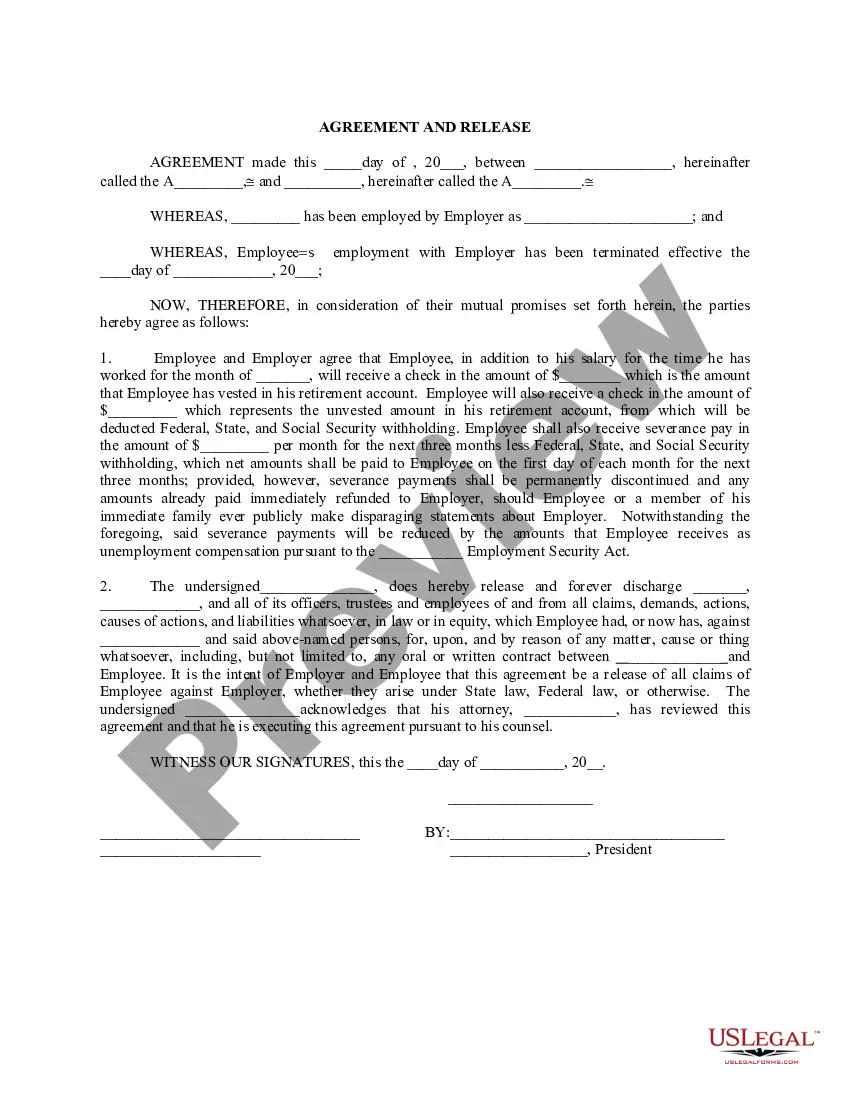
Employer Severance Package In Cuyahoga
Description

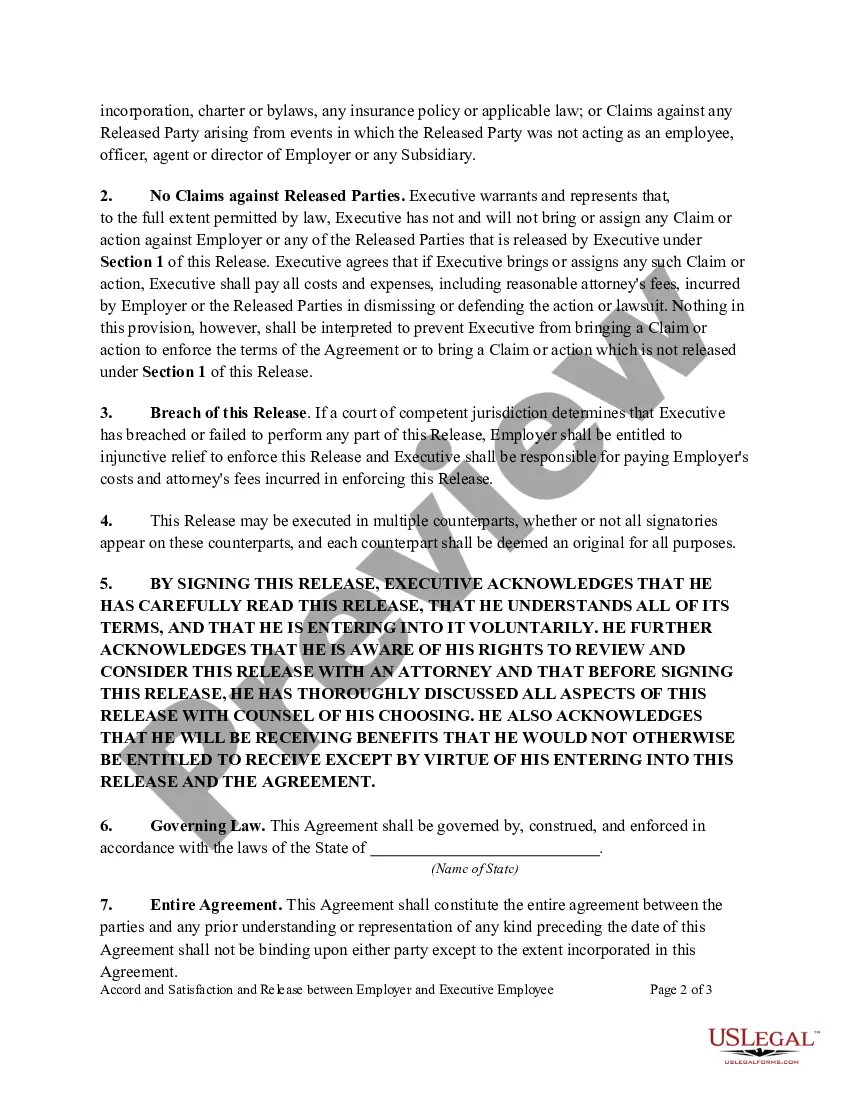
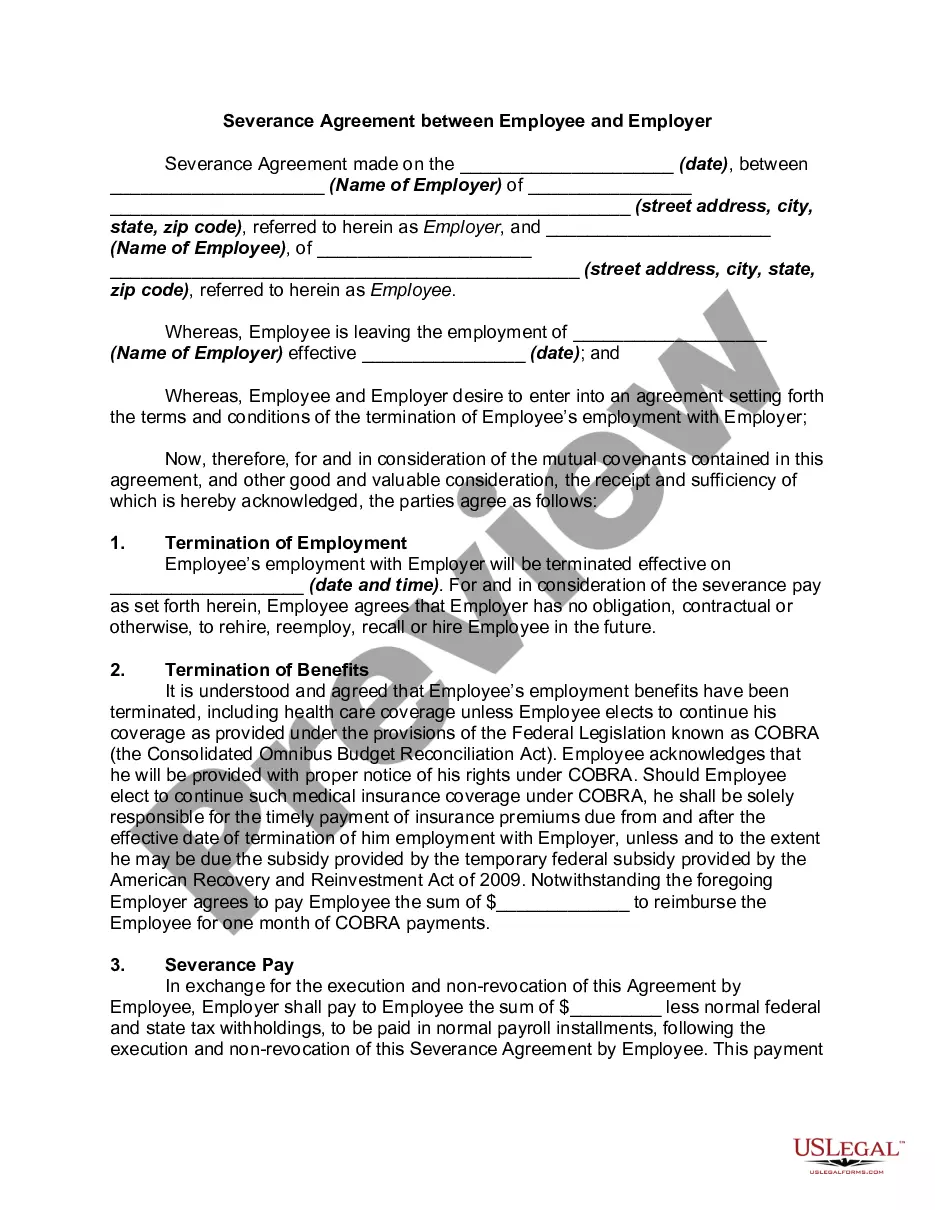
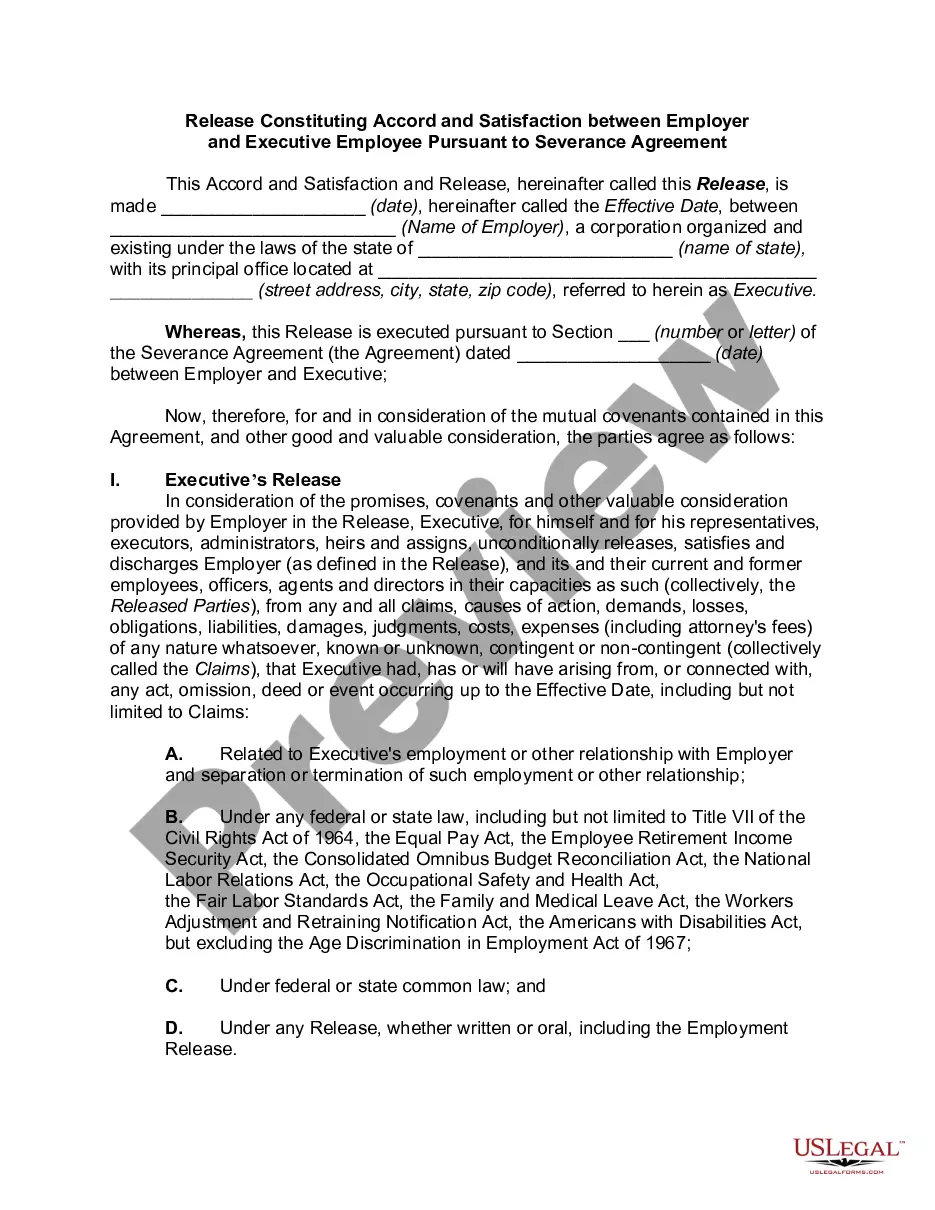
Get your form ready online
Our built-in tools help you complete, sign, share, and store your documents in one place.
Make edits, fill in missing information, and update formatting in US Legal Forms—just like you would in MS Word.
Download a copy, print it, send it by email, or mail it via USPS—whatever works best for your next step.
Sign and collect signatures with our SignNow integration. Send to multiple recipients, set reminders, and more. Go Premium to unlock E-Sign.
If this form requires notarization, complete it online through a secure video call—no need to meet a notary in person or wait for an appointment.
We protect your documents and personal data by following strict security and privacy standards.

Make edits, fill in missing information, and update formatting in US Legal Forms—just like you would in MS Word.

Download a copy, print it, send it by email, or mail it via USPS—whatever works best for your next step.

Sign and collect signatures with our SignNow integration. Send to multiple recipients, set reminders, and more. Go Premium to unlock E-Sign.

If this form requires notarization, complete it online through a secure video call—no need to meet a notary in person or wait for an appointment.

We protect your documents and personal data by following strict security and privacy standards.
Looking for another form?








Form popularity
FAQ
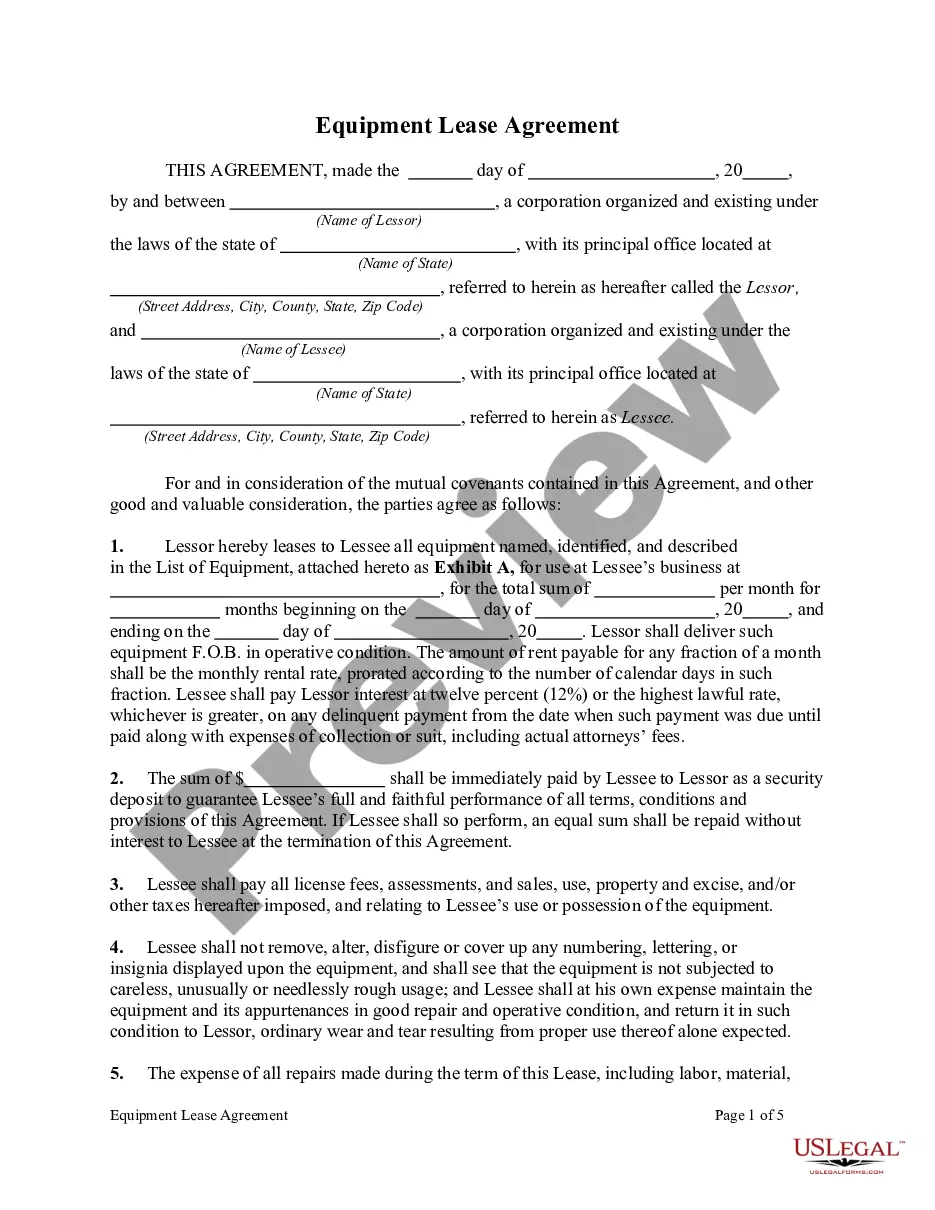
Employment Summary: Concisely summarize your employment history, emphasizing significant achievements and your dedication to the company. Severance Package Request: Detail your severance package request, including financial compensation, health benefits, and any additional support services like career counseling.
"An individual is disqualified for unemployment compensation benefits if the director finds that he or she left his or her most recent work voluntarily without good cause or that he or she has been discharged for misconduct connected with his or her most recent work."
While employers are not legally required to offer severance packages in Ohio, many choose to do so for a smooth transition and to mitigate potential legal disputes.
Neither the California Labor Code nor the federal Fair Labor Standards Act require employers to offer severance agreements to departing employees. Instead, severance agreements are provided by employers to accomplish a specific goal.
During negotiations, emphasize your contributions to the company. Highlight your achievements, skills, and the value you brought to your role. Demonstrating your positive impact can strengthen your position and make a case for more favorable severance terms.
Most employers offer a severance agreement established by company policy that outlines the financial terms on which the employee will leave the company. Sometimes, employees can negotiate those terms. Regardless, they must sign the agreement to receive their severance package.
These include financial drawbacks such as loss of steady income and potential loss of benefits, as well as the uncertainty of future job prospects and impact on retirement savings and benefits.
What is the downside to severance? The downside to severance includes financial drawbacks such as loss of steady income, potential loss of benefits, and uncertainty about future job prospects, as well as the impact on retirement savings and benefits.