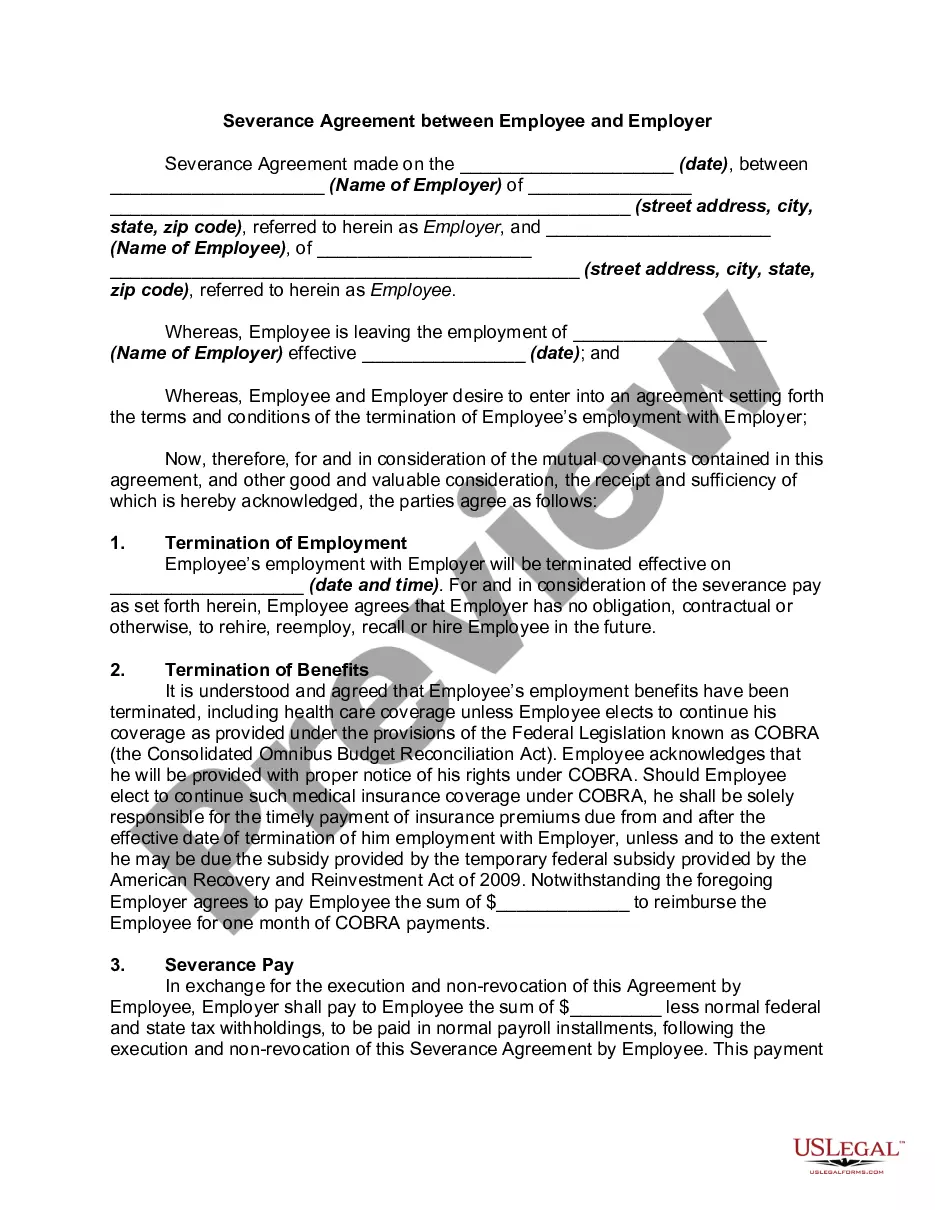
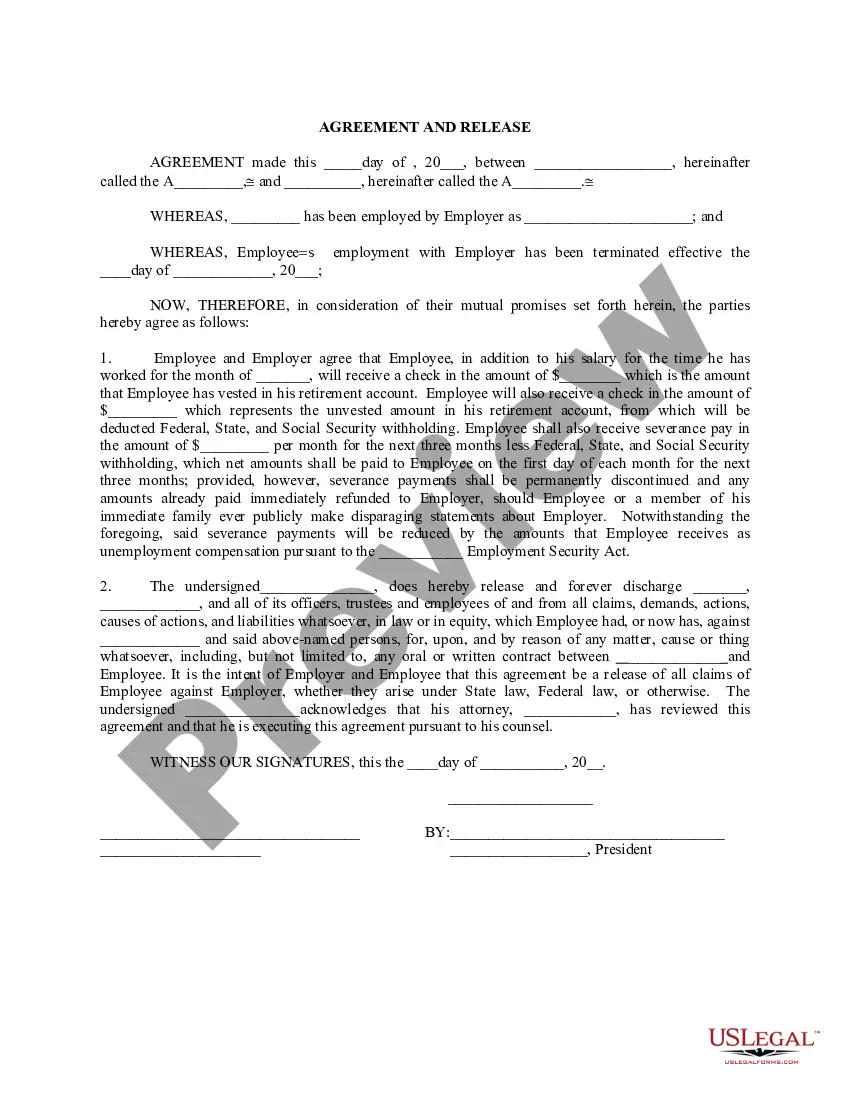
Severance Agreement Form Without Severance In Cook
Description

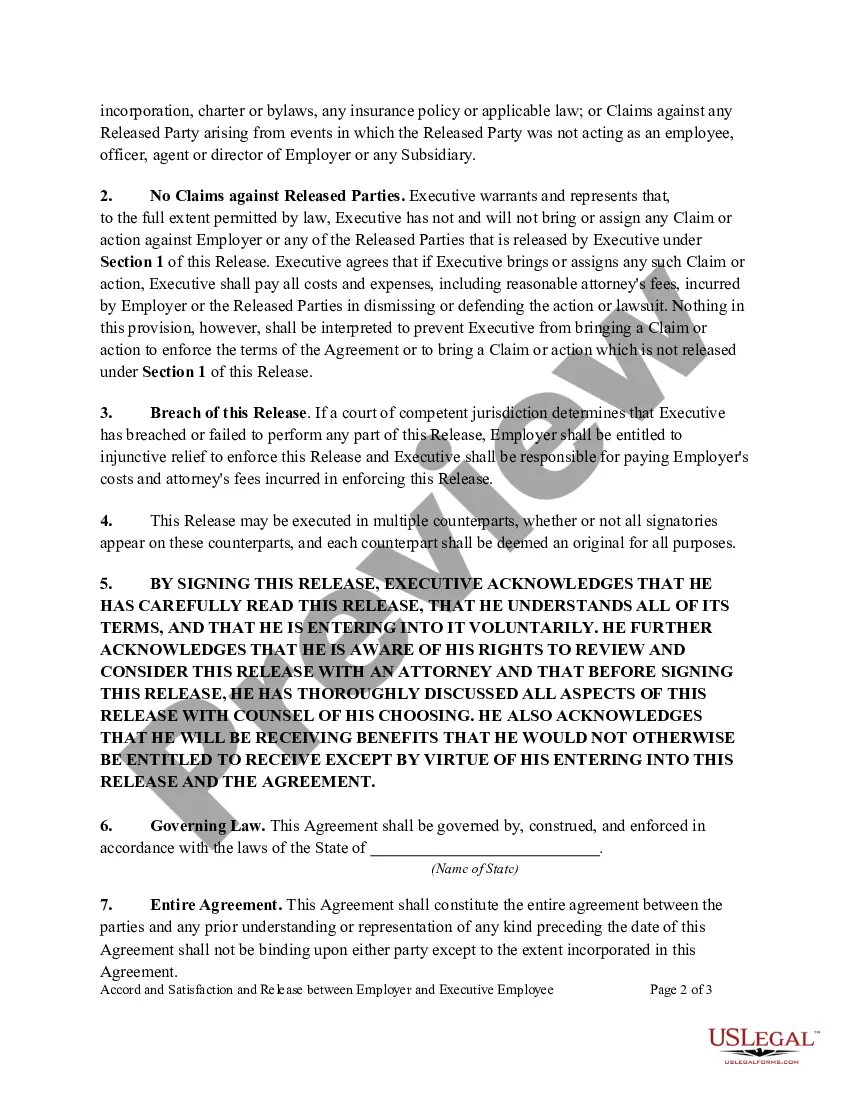
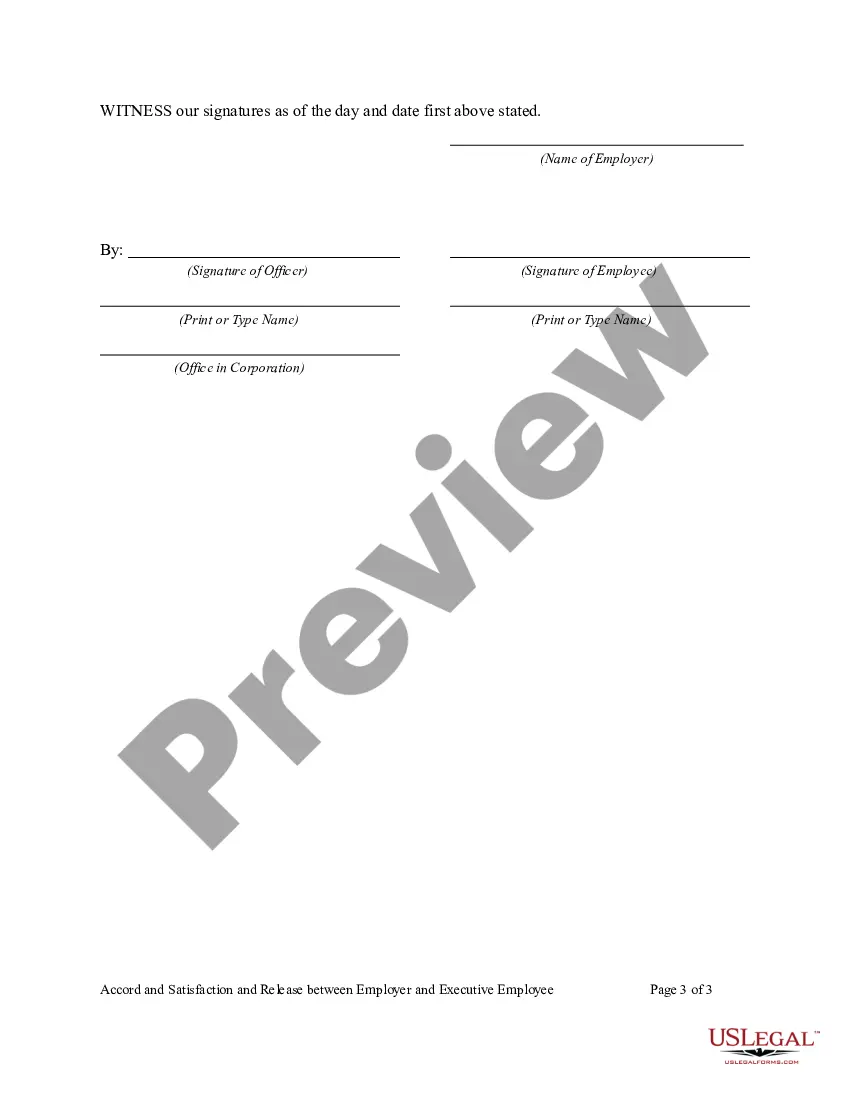
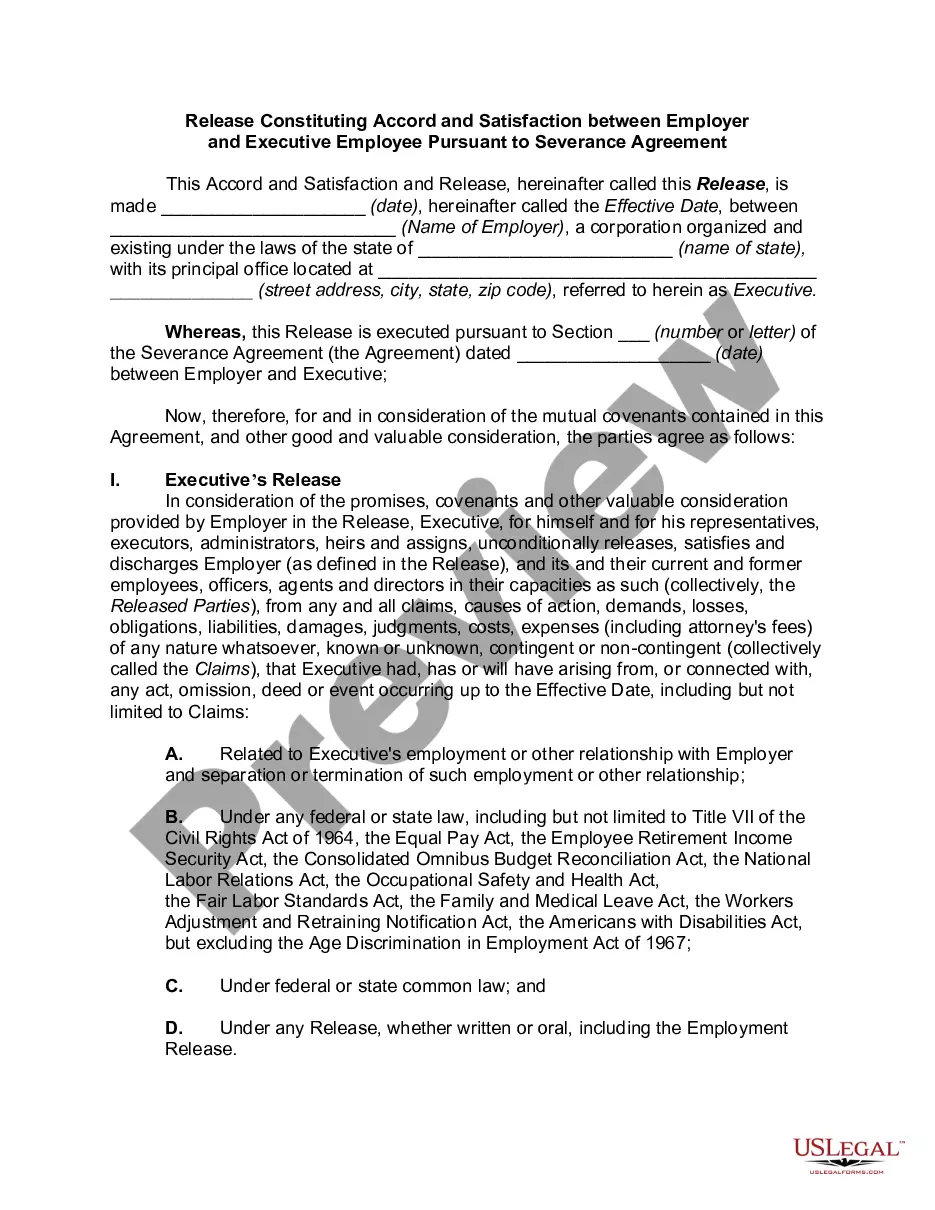
Get your form ready online
Our built-in tools help you complete, sign, share, and store your documents in one place.
Make edits, fill in missing information, and update formatting in US Legal Forms—just like you would in MS Word.
Download a copy, print it, send it by email, or mail it via USPS—whatever works best for your next step.
Sign and collect signatures with our SignNow integration. Send to multiple recipients, set reminders, and more. Go Premium to unlock E-Sign.
If this form requires notarization, complete it online through a secure video call—no need to meet a notary in person or wait for an appointment.
We protect your documents and personal data by following strict security and privacy standards.

Make edits, fill in missing information, and update formatting in US Legal Forms—just like you would in MS Word.

Download a copy, print it, send it by email, or mail it via USPS—whatever works best for your next step.

Sign and collect signatures with our SignNow integration. Send to multiple recipients, set reminders, and more. Go Premium to unlock E-Sign.

If this form requires notarization, complete it online through a secure video call—no need to meet a notary in person or wait for an appointment.

We protect your documents and personal data by following strict security and privacy standards.
Looking for another form?








Form popularity
FAQ
There are a few things that can make a separation agreement invalid, but the most common reason is if one of the parties involved didn't actually agree to it. If one party has been forced or coerced into signing the agreement, or if they were misled about what it said, then it can be overturned in court.
Lack of Voluntary Consent: Under California law, a severance agreement can be considered valid and enforceable only if the parties entered into it voluntarily. If your consent was obtained through coercion, duress, or fraud, the agreement will be deemed invalid.
Severance agreements can be challenged on grounds of unconscionability or duress. Unconscionability refers to terms that are so one-sided or oppressive that they shock the conscience.
There is no requirement to provide severance in the US and if you were terminated for cause a company generally would not provide it. In general severance is only provided when a company does something like lay you off because of financial conditions or restructuring (if even then).
How to Structure a Severance Agreement Determine Eligibility: Decide which employees will be offered a severance agreement based on company policy or specific circumstances. Consult Legal Counsel: Work with an attorney to draft the agreement to ensure compliance with federal and state laws.
A severance process is a series of events (e.g., letters, To Do entries, field activities) that lead to the severance of a service agreement. A separate severance process is required for each service agreement to be severed.
disparagement clause generally prevents employees from disclosing certain confidential business information or saying anything negative about their former employer. Confidentiality clauses generally prohibit employees from sharing details of the severance agreement.
“If any term of this Agreement is to any extent invalid, illegal, or incapable of being enforced, such term shall be excluded to the extent of such invalidity, illegality, or unenforceability; all other terms hereof shall remain in full force and effect.”
Keep it professional. Use business reasons, such as your performance record or time with the company, when negotiating the terms of your severance package rather than personal details, such as having a baby or buying a house. Be wary of non-compete clauses.