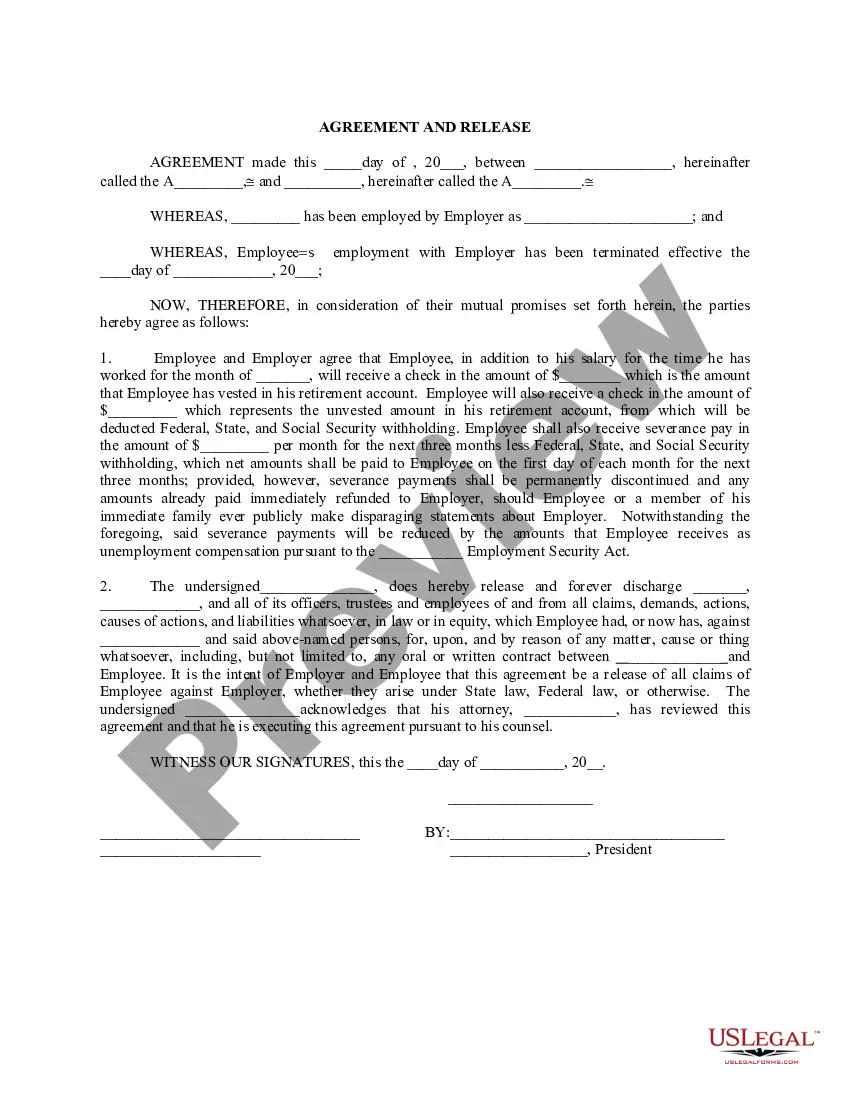
Severance Agreement Form Withdrawn In California
Description

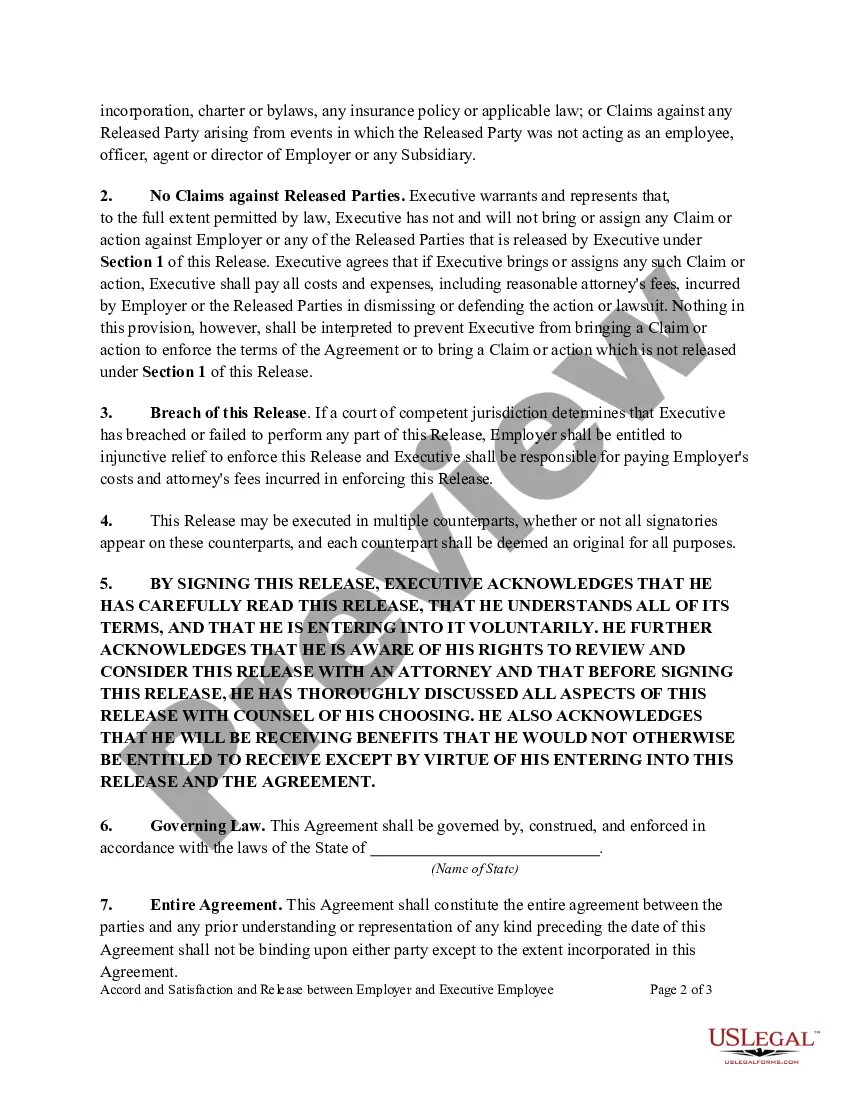
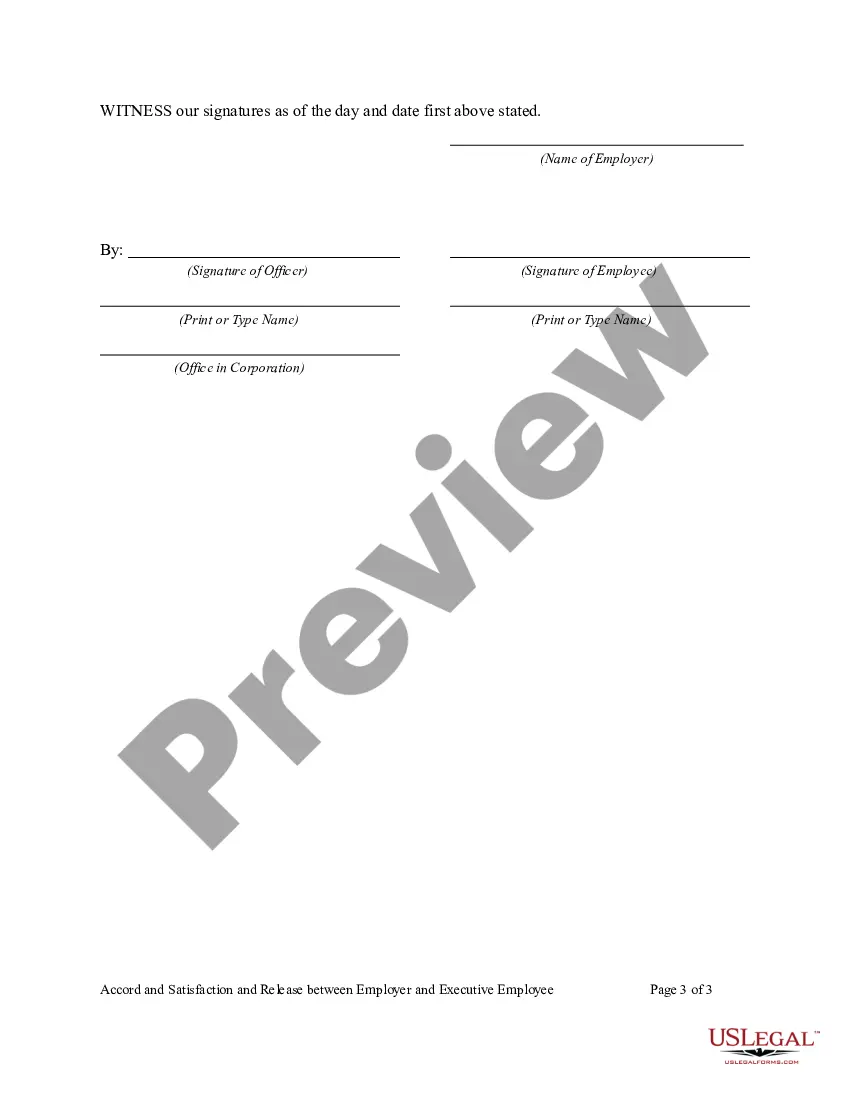
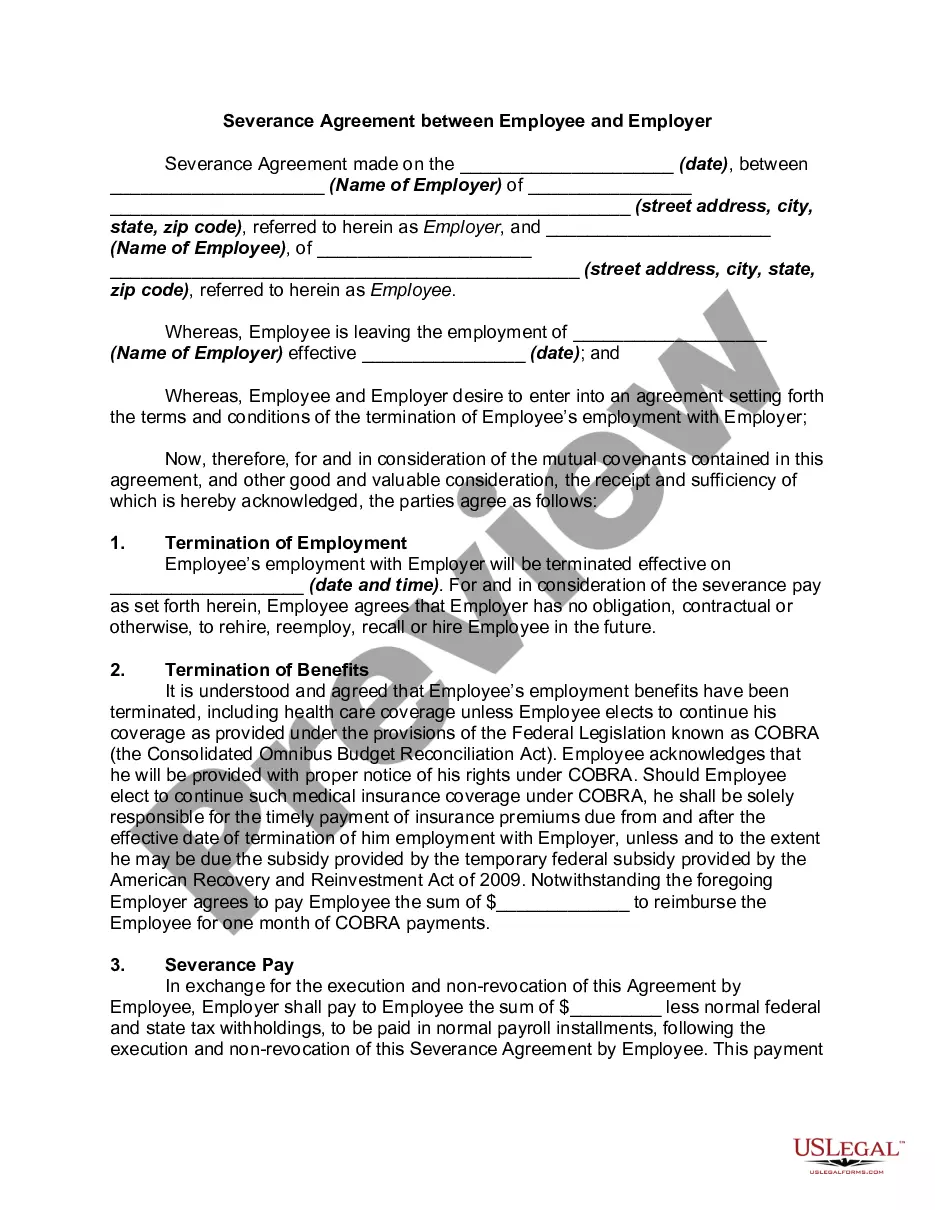
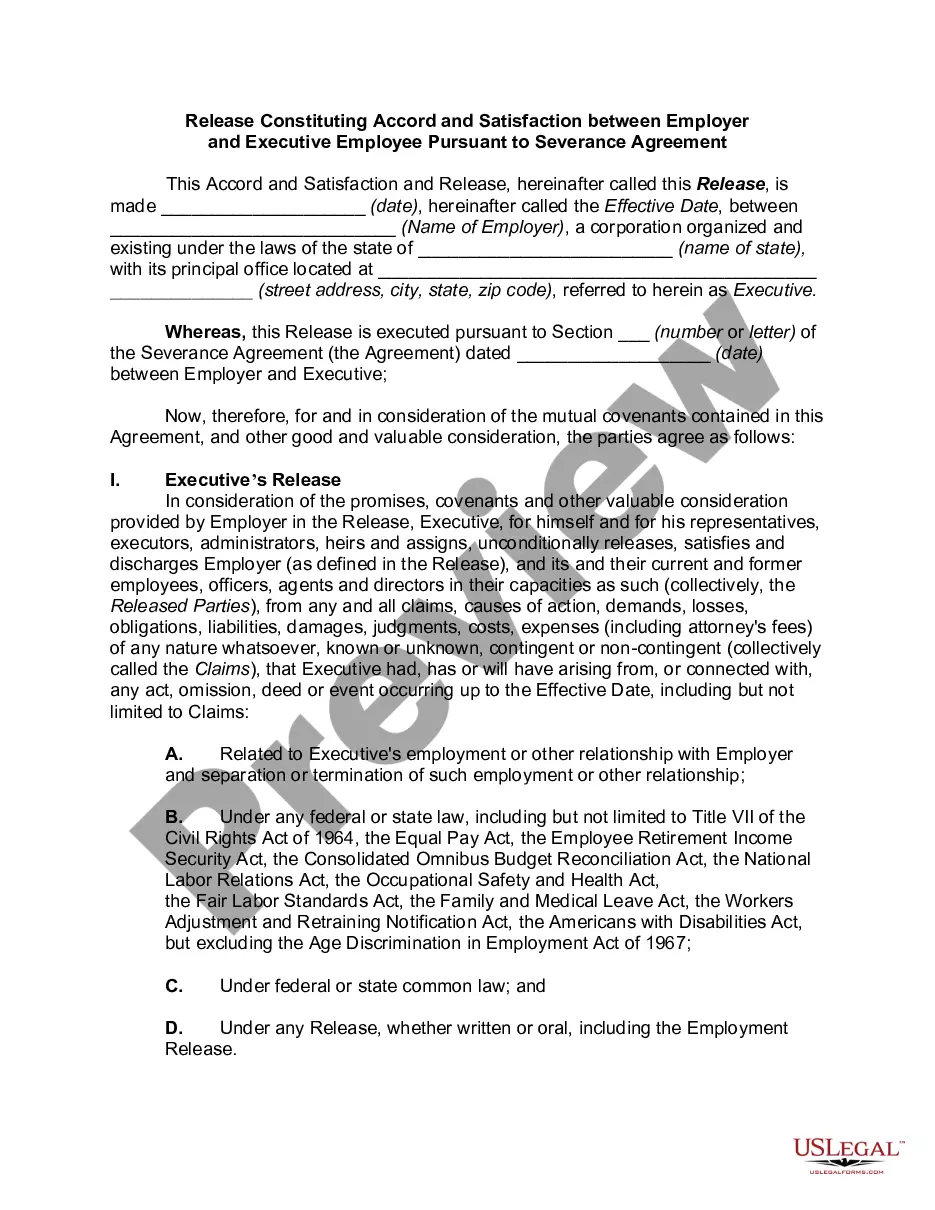
Get your form ready online
Our built-in tools help you complete, sign, share, and store your documents in one place.
Make edits, fill in missing information, and update formatting in US Legal Forms—just like you would in MS Word.
Download a copy, print it, send it by email, or mail it via USPS—whatever works best for your next step.
Sign and collect signatures with our SignNow integration. Send to multiple recipients, set reminders, and more. Go Premium to unlock E-Sign.
If this form requires notarization, complete it online through a secure video call—no need to meet a notary in person or wait for an appointment.
We protect your documents and personal data by following strict security and privacy standards.

Make edits, fill in missing information, and update formatting in US Legal Forms—just like you would in MS Word.

Download a copy, print it, send it by email, or mail it via USPS—whatever works best for your next step.

Sign and collect signatures with our SignNow integration. Send to multiple recipients, set reminders, and more. Go Premium to unlock E-Sign.

If this form requires notarization, complete it online through a secure video call—no need to meet a notary in person or wait for an appointment.

We protect your documents and personal data by following strict security and privacy standards.
Looking for another form?






Form popularity
FAQ
Severance agreements can be challenged on grounds of unconscionability or duress. Unconscionability refers to terms that are so one-sided or oppressive that they shock the conscience.
If you were to breach the severance agreement (for example by suing your former employer despite the severance agreement waiving all claims you had against it), the former employer would be within its rights to stop making severance payments.
If an employer creates a severance plan, the employees covered by the terms of the plan are entitled to the benefits that the plan provides upon the occurrence of the event that triggers benefits. However, an employer may create, modify or abolish a severance plan as it sees fit.
Lack of Voluntary Consent: Under California law, a severance agreement can be considered valid and enforceable only if the parties entered into it voluntarily. If your consent was obtained through coercion, duress, or fraud, the agreement will be deemed invalid.
What If You Already Signed A Severance Agreement? If you are over the age of 40 and 7 days have not passed since you signed it, you can revoke it by giving notice to your employer in writing.
Depending on these factors, the employee will have between five and 45 days to sign the agreement. The Five Day Deadline: California recently enacted a five day minimum deadline for employees to review a severance agreement.
What Is the New Law for Severance Agreements in California? California's “Silenced No More Act” began in January 2022 and impacted severance agreements by prohibiting employers from including non-disclosure and non-disparagement clauses where it relates to harassment, discrimination, and retaliation.
What If You Already Signed A Severance Agreement? If you are over the age of 40 and 7 days have not passed since you signed it, you can revoke it by giving notice to your employer in writing.
How to Negotiate Your Severance Package Understand Your Rights and Company Policies. Assess the Terms of the Initial Offer. Consider Seeking Legal Advice. Evaluate Your Unique Circumstances. Identify Negotiable Elements. Articulate Your Contributions. Propose a Counteroffer. Maintain Professionalism.