Employment Standards For Severance In California
Description

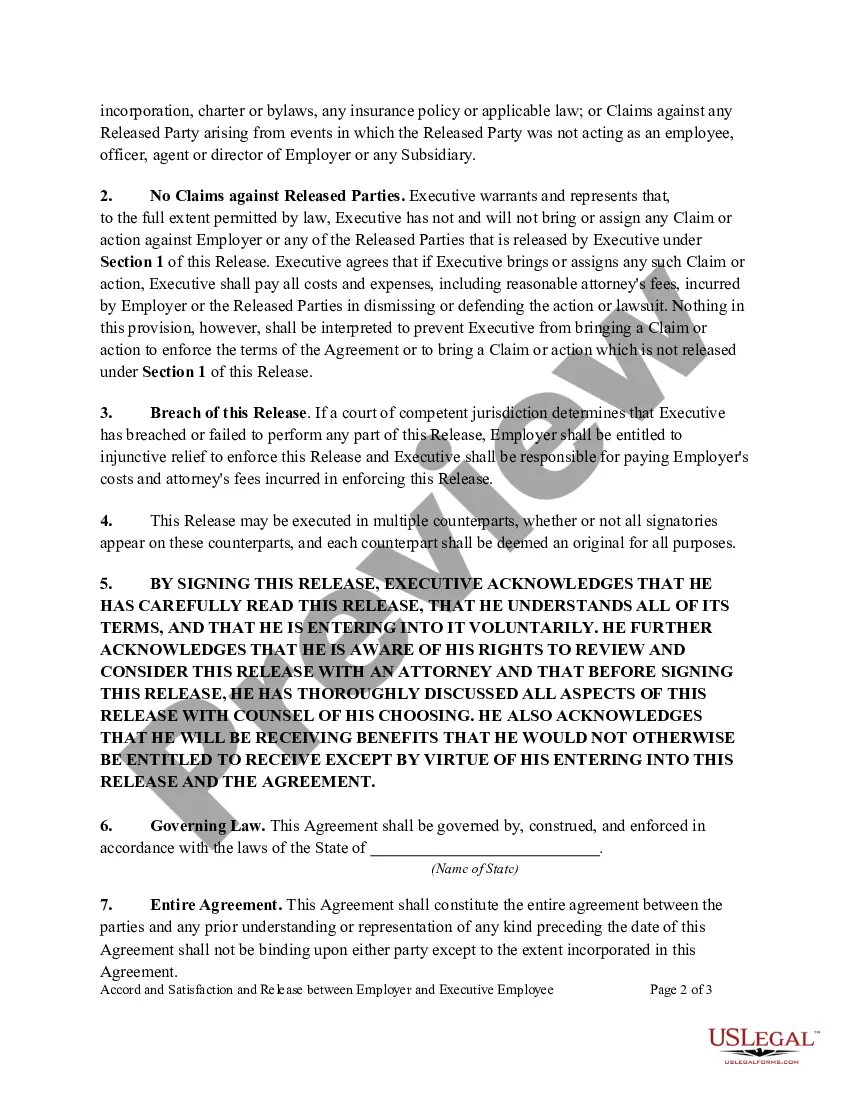
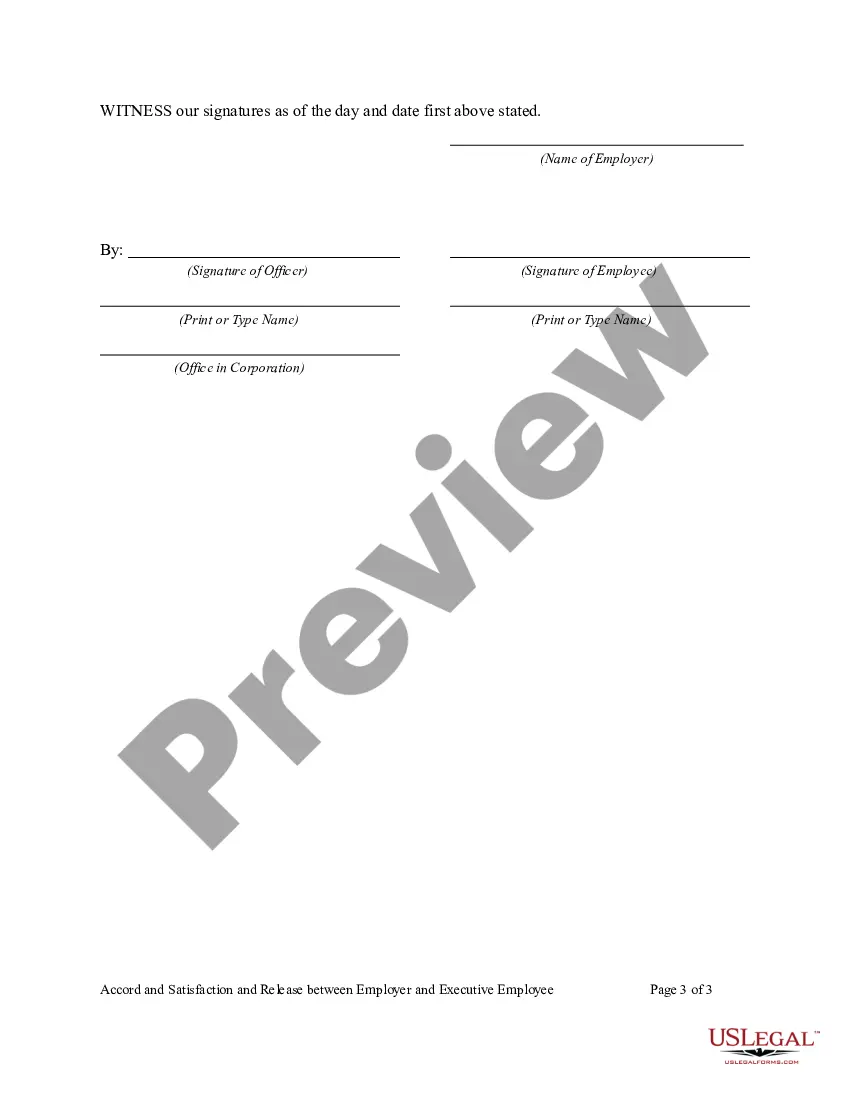
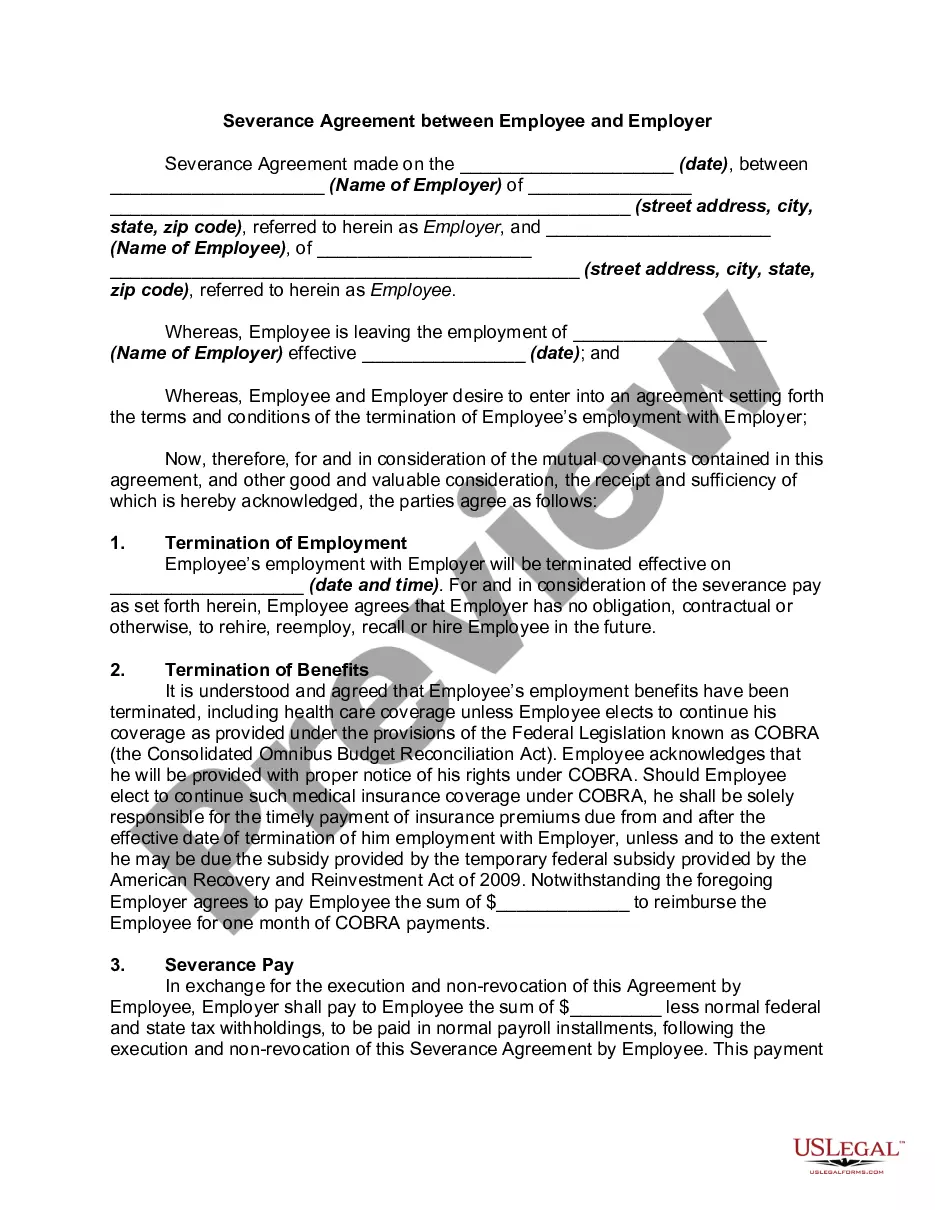
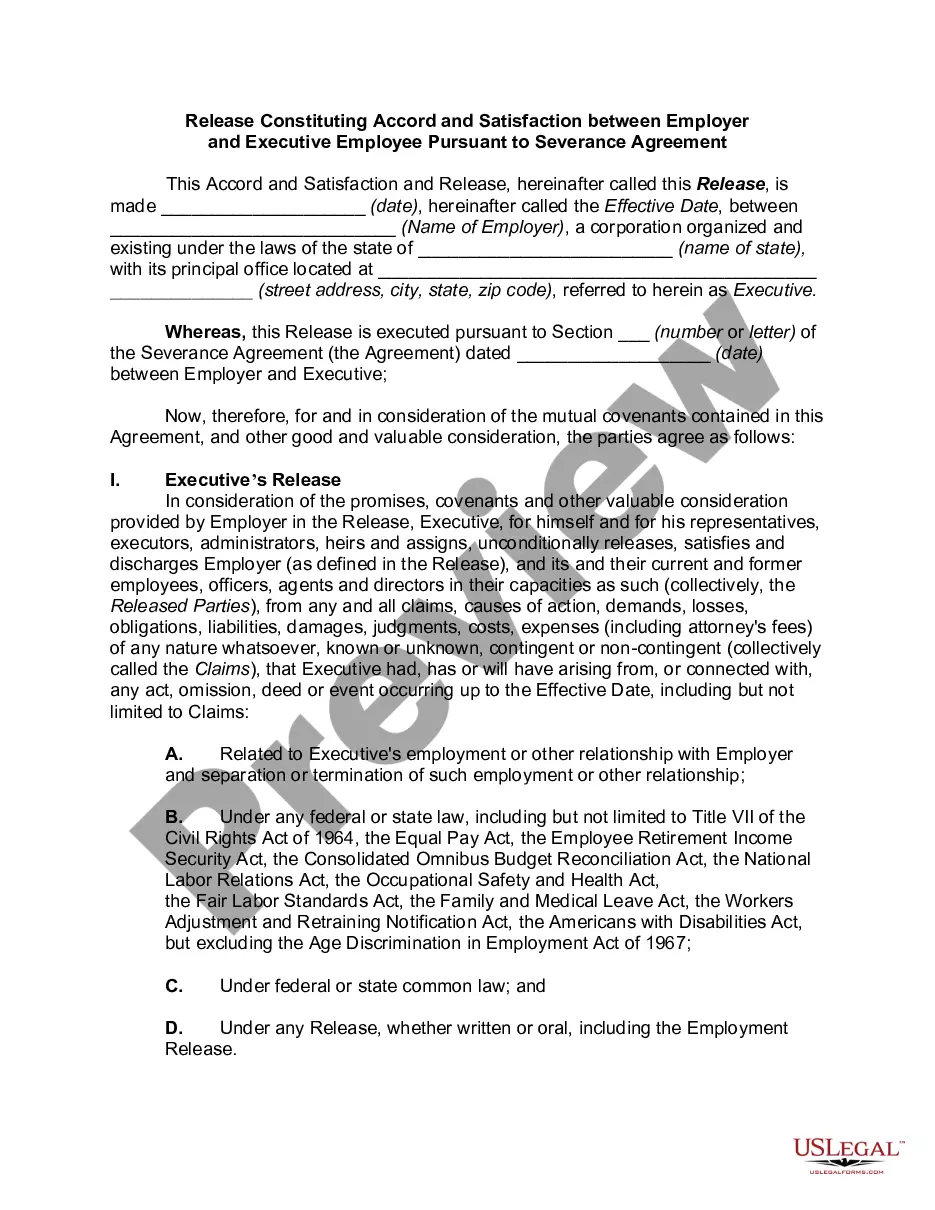
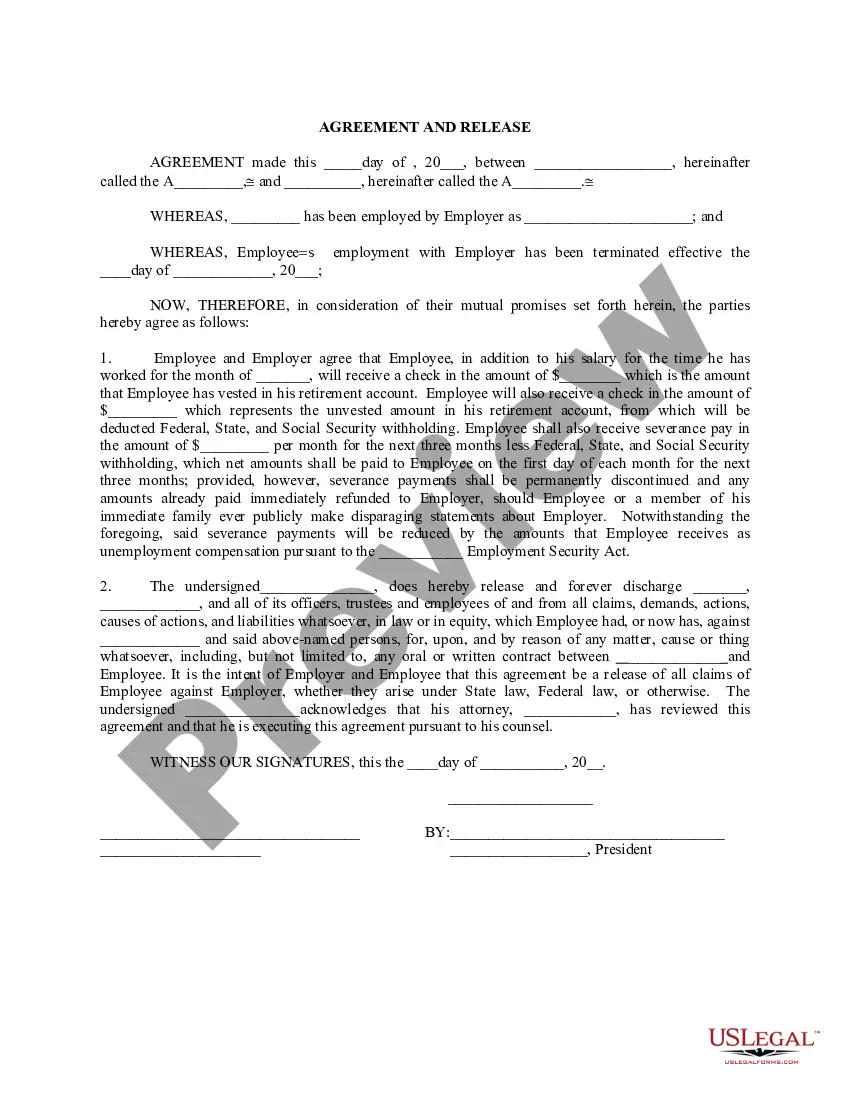
Get your form ready online
Our built-in tools help you complete, sign, share, and store your documents in one place.
Make edits, fill in missing information, and update formatting in US Legal Forms—just like you would in MS Word.
Download a copy, print it, send it by email, or mail it via USPS—whatever works best for your next step.
Sign and collect signatures with our SignNow integration. Send to multiple recipients, set reminders, and more. Go Premium to unlock E-Sign.
If this form requires notarization, complete it online through a secure video call—no need to meet a notary in person or wait for an appointment.
We protect your documents and personal data by following strict security and privacy standards.

Make edits, fill in missing information, and update formatting in US Legal Forms—just like you would in MS Word.

Download a copy, print it, send it by email, or mail it via USPS—whatever works best for your next step.

Sign and collect signatures with our SignNow integration. Send to multiple recipients, set reminders, and more. Go Premium to unlock E-Sign.

If this form requires notarization, complete it online through a secure video call—no need to meet a notary in person or wait for an appointment.

We protect your documents and personal data by following strict security and privacy standards.
Looking for another form?









Form popularity
FAQ
What Is the New Law for Severance Agreements in California? California's “Silenced No More Act” began in January 2022 and impacted severance agreements by prohibiting employers from including non-disclosure and non-disparagement clauses where it relates to harassment, discrimination, and retaliation.
Specifically, California Gov Code 12964.5(b)(4) sets a mandatory waiting period of at least five business days. This period allows employees the necessary time to review the severance agreement thoroughly and consult with legal counsel to ensure the terms are fair and in their best interest.
California Labor Code Section 2808(b) requires employers to provide to employees, upon termination, notification of all continuation, disability extension and conversion coverage options under any employer-sponsored coverage for which the employee may remain eligible after employment terminates.
Written notice must be given immediately to employees of their discharge, layoff, leave of absence, or change in employment status. This sample notice (PDF) meets the minimum requirements. You may wish to prepare a duplicate employee notice and keep a copy for your records.
What are the grounds or reasons to fire an employee? Misconduct: This can cover behaviors like discrimination, sexual harassment, and gross misconduct that threatens employee safety. Poor Performance: If an employee continually fails to meet their reasonable targets, they may be fired.
Wrongful termination occurs when an employer fires a worker for unlawful reasons. Common unlawful reasons for unlawful termination includes firing employees for discriminatory reasons based on age, disability or pregnancy. Employees may be able to sue former employers for wrongful termination in California.
Most termination clauses are an agreement between the employer and the employee that in the event the employer elects to dismiss the employee without cause, the employee will only receive what they are entitled to under the Employment Standards Code.
How to Structure a Severance Agreement Determine Eligibility: Decide which employees will be offered a severance agreement based on company policy or specific circumstances. Consult Legal Counsel: Work with an attorney to draft the agreement to ensure compliance with federal and state laws.