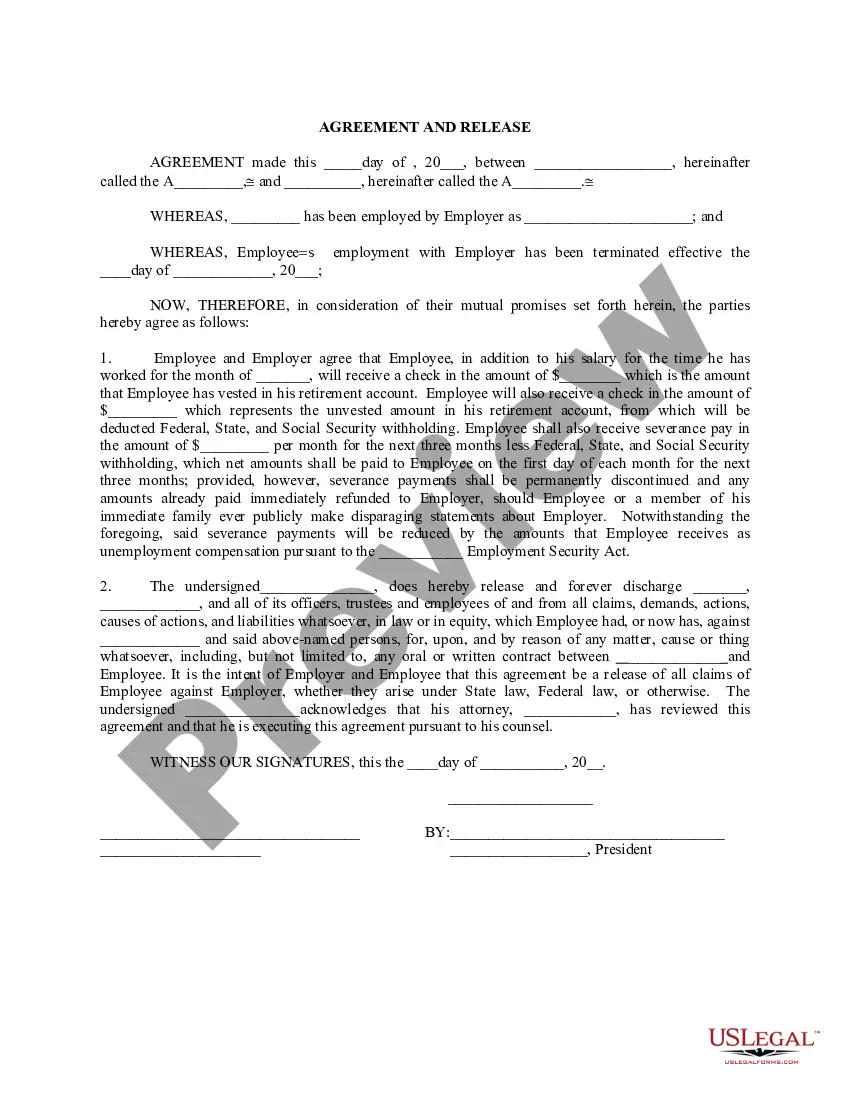
Severance Agreement Form With Non-disparagement Clause In Bronx
Description

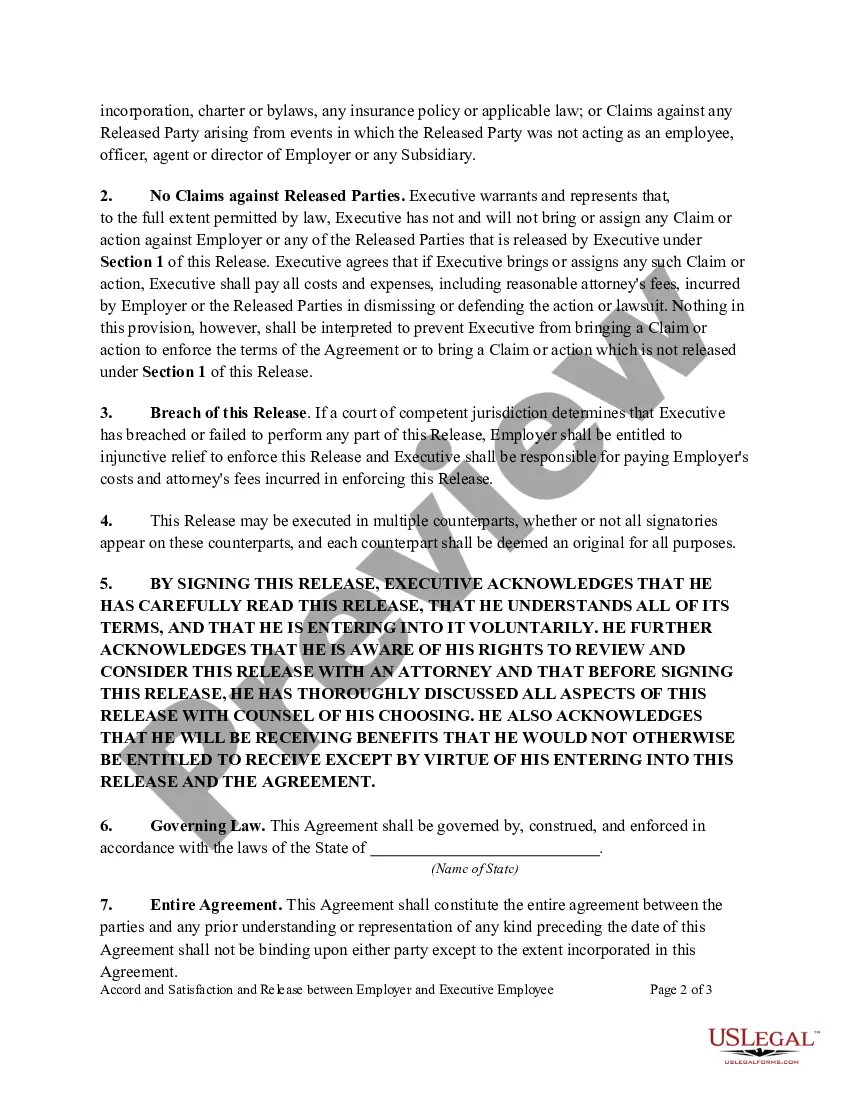
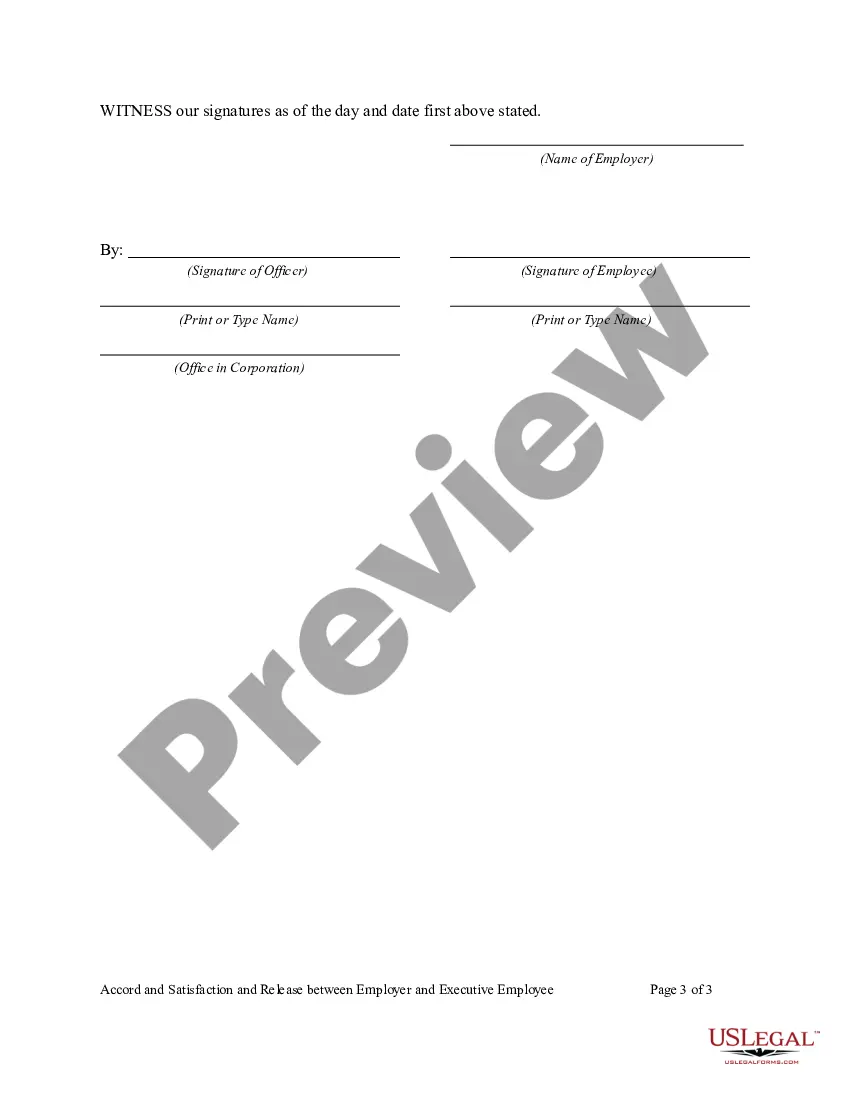
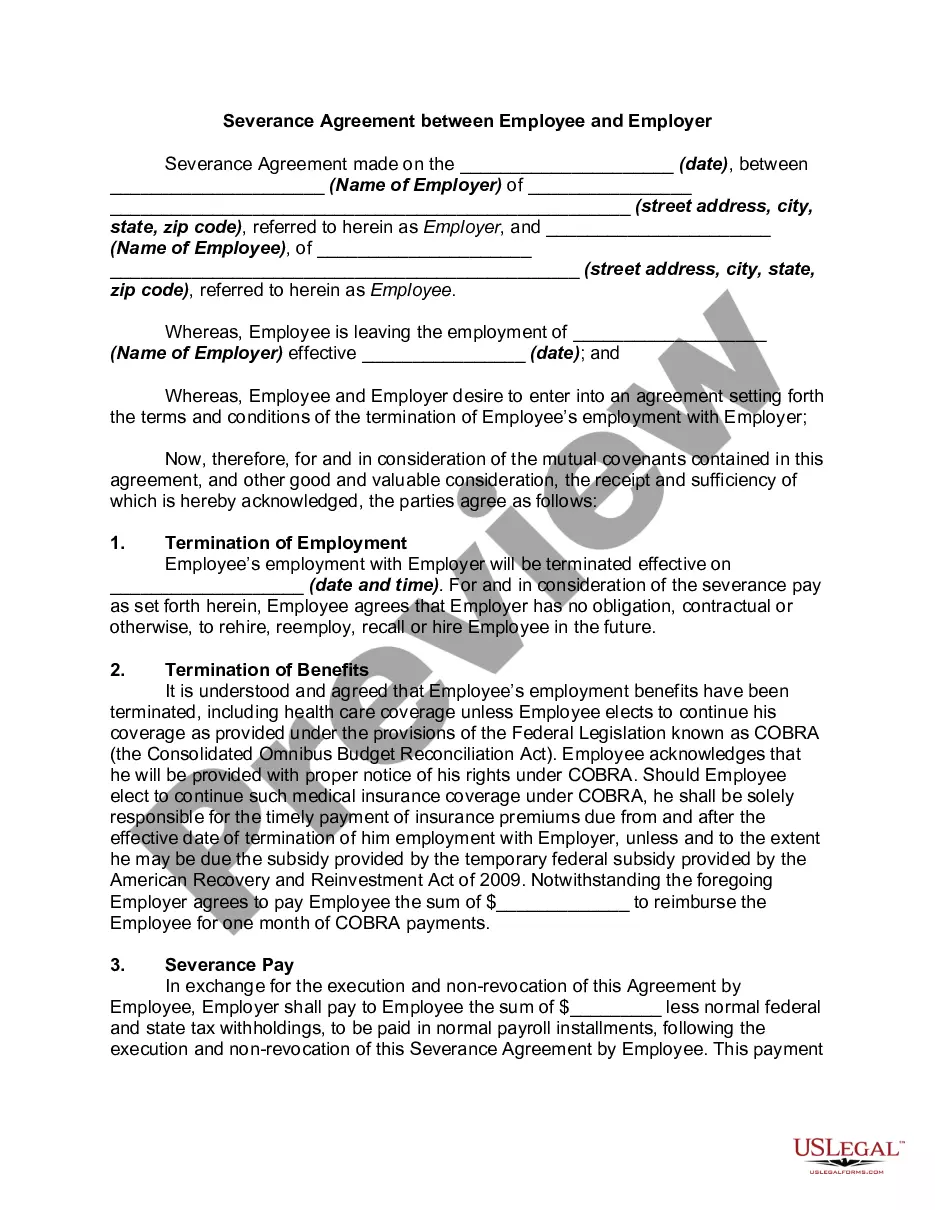
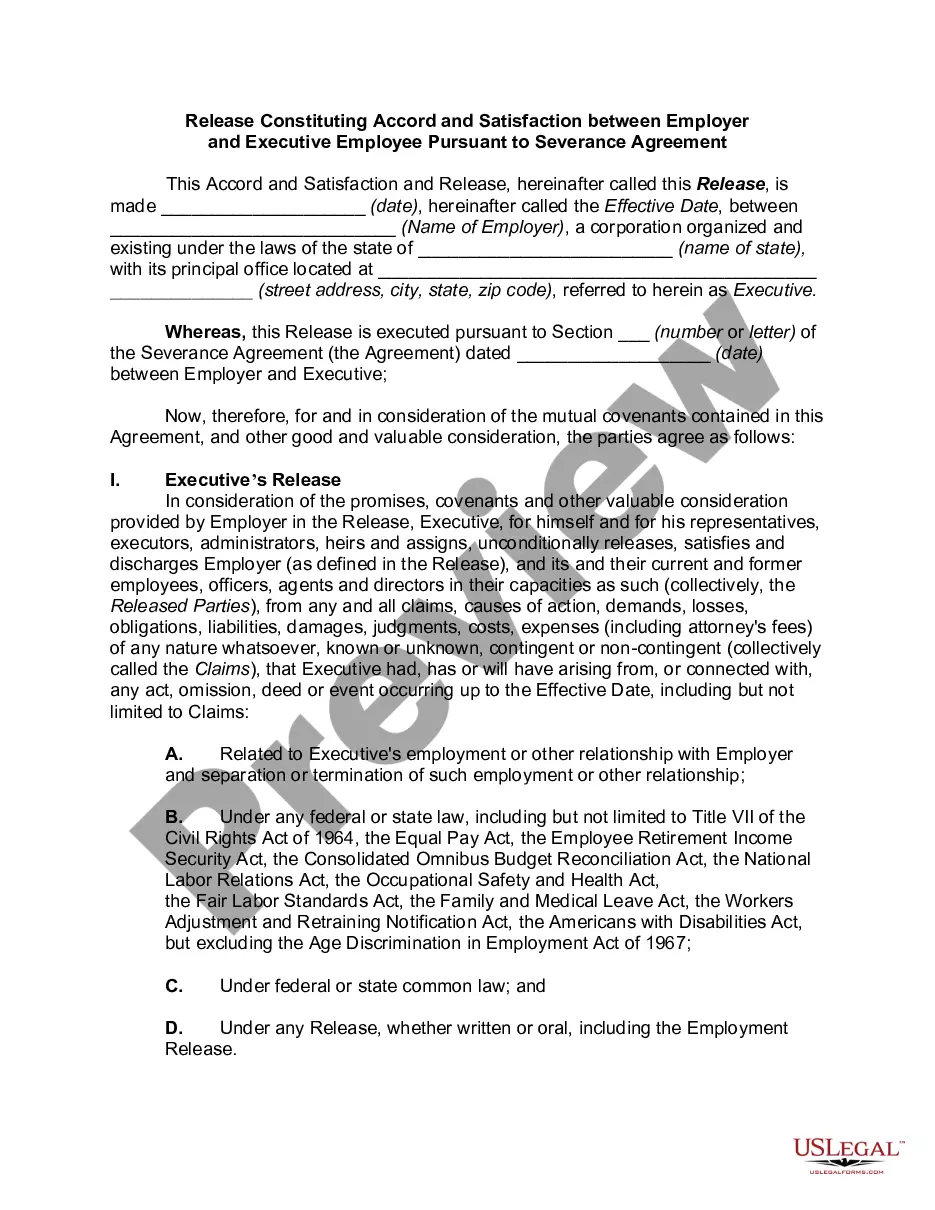
Get your form ready online
Our built-in tools help you complete, sign, share, and store your documents in one place.
Make edits, fill in missing information, and update formatting in US Legal Forms—just like you would in MS Word.
Download a copy, print it, send it by email, or mail it via USPS—whatever works best for your next step.
Sign and collect signatures with our SignNow integration. Send to multiple recipients, set reminders, and more. Go Premium to unlock E-Sign.
If this form requires notarization, complete it online through a secure video call—no need to meet a notary in person or wait for an appointment.
We protect your documents and personal data by following strict security and privacy standards.

Make edits, fill in missing information, and update formatting in US Legal Forms—just like you would in MS Word.

Download a copy, print it, send it by email, or mail it via USPS—whatever works best for your next step.

Sign and collect signatures with our SignNow integration. Send to multiple recipients, set reminders, and more. Go Premium to unlock E-Sign.

If this form requires notarization, complete it online through a secure video call—no need to meet a notary in person or wait for an appointment.

We protect your documents and personal data by following strict security and privacy standards.
Looking for another form?



Form popularity
FAQ
It is generally unlawful in California for an employer's severance agreement to state that you may not compete against the employer in a future job.
Severance is never a requirement of any employer unless you have a signed employment agreement stating otherwise, or, it is a written policy of the company.
These agreements don't even have to be signed to be deemed problematic, the board noted: If the firm merely presents employees with agreements that contain broad language requiring confidentiality or nondisparagement, it is engaging in an unfair labor practice.
When settling a lawsuit or pre-litigation disputes, parties sometimes insist on including non-disparagement clauses in their settlement or severance agreements. Broadly speaking, these clauses prevent one or both parties to the agreement from making negative comments about each other.
Subject to the Protected Activity Not Prohibited section, Employee agrees to refrain from any disparagement, defamation, libel, or slander of any of the Releasees, and agrees to refrain from any tortious interference with the contracts and relationships of any of the Releasees.
Employee agrees that he will at no time, either during his employment with the Employer or at any time after termination of such employment, engage in conduct which injures, xx, corrupts, demeans, defames, disparages, libels, slanders, destroys or diminishes in any way the reputation or goodwill of the Employer, its ...
Executive agrees that he will not falsely denigrate, defame, disparage or cast aspersions upon the Company, its management, products, services, business and manner of doing business, and that he will use his reasonable best efforts to prevent any member of his immediate family from engaging in any such activity.
As to whether the non-disparagement clause is lawful, that depends on whether certain exceptions are provided for. There should be exceptions that allow a party to provide truthful testimony in legal proceedings, communicate truthfully with any government agency, or enforce the agreement the parties signed.
Example: The following non-disparagement clause would be unlawful under Government Code section 12964.5: “Former Employee agrees that they will not make any statement, directly or indirectly, verbally or in writing, that would cause harm or embarrassment to the Company.” claims in a separation agreement?