Employer Severance Package In Bexar
Description

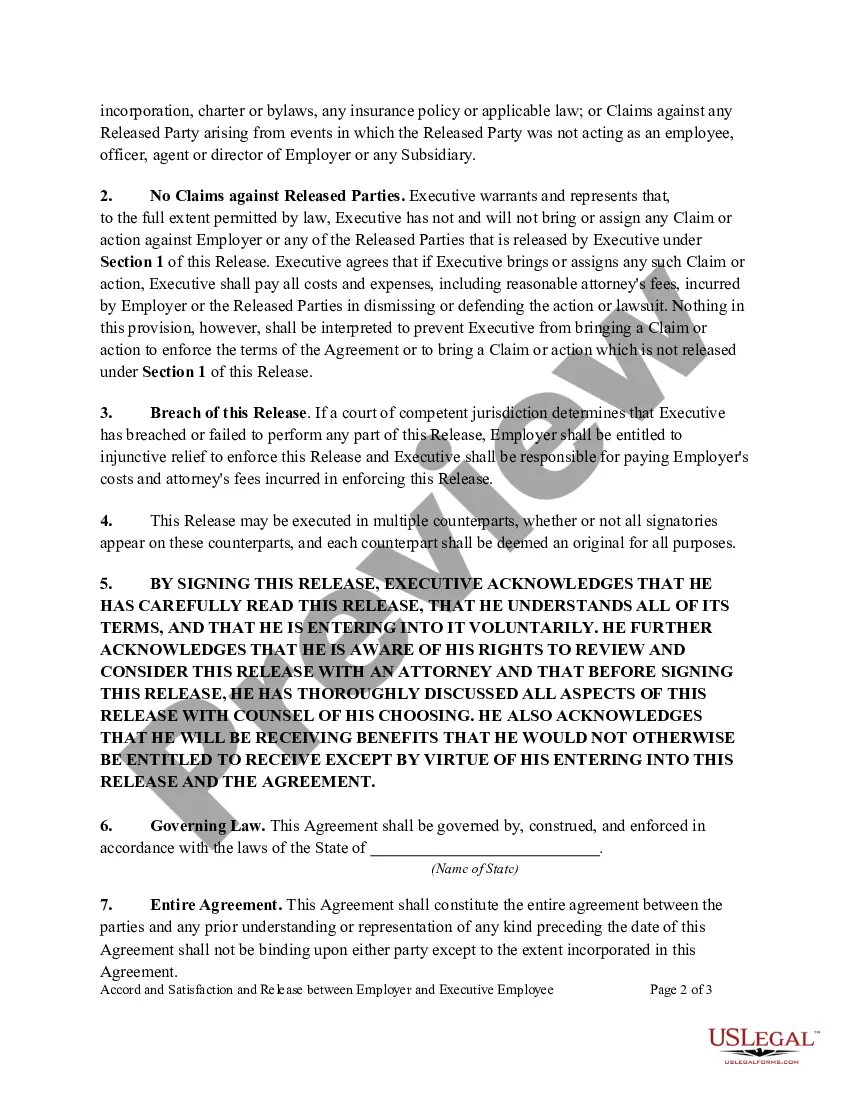
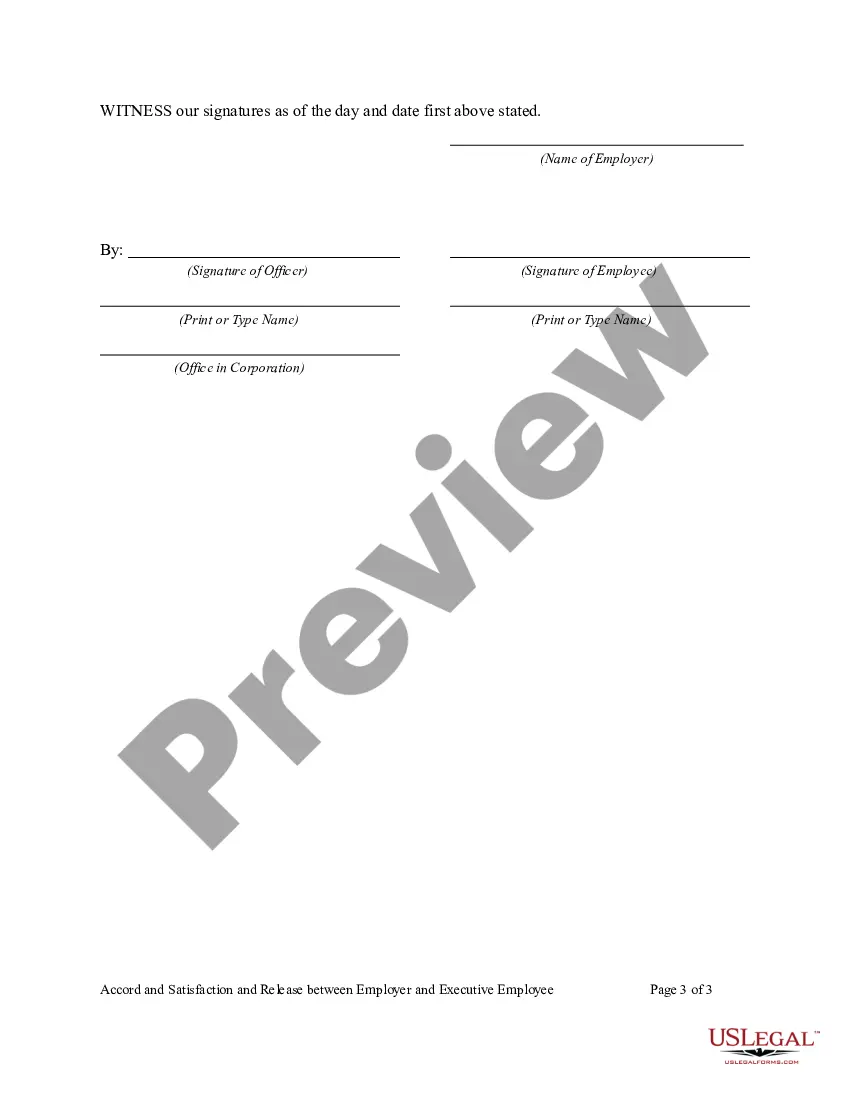
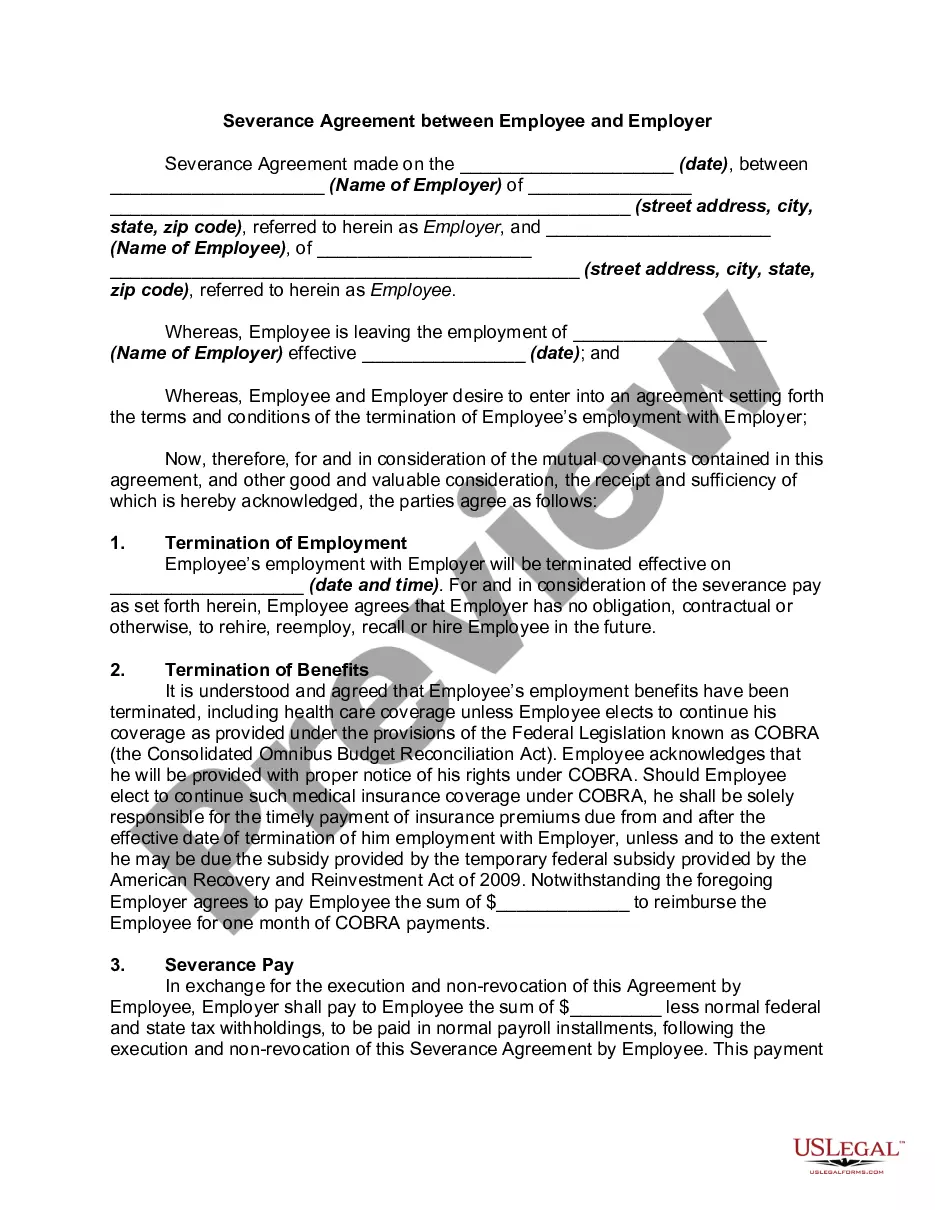
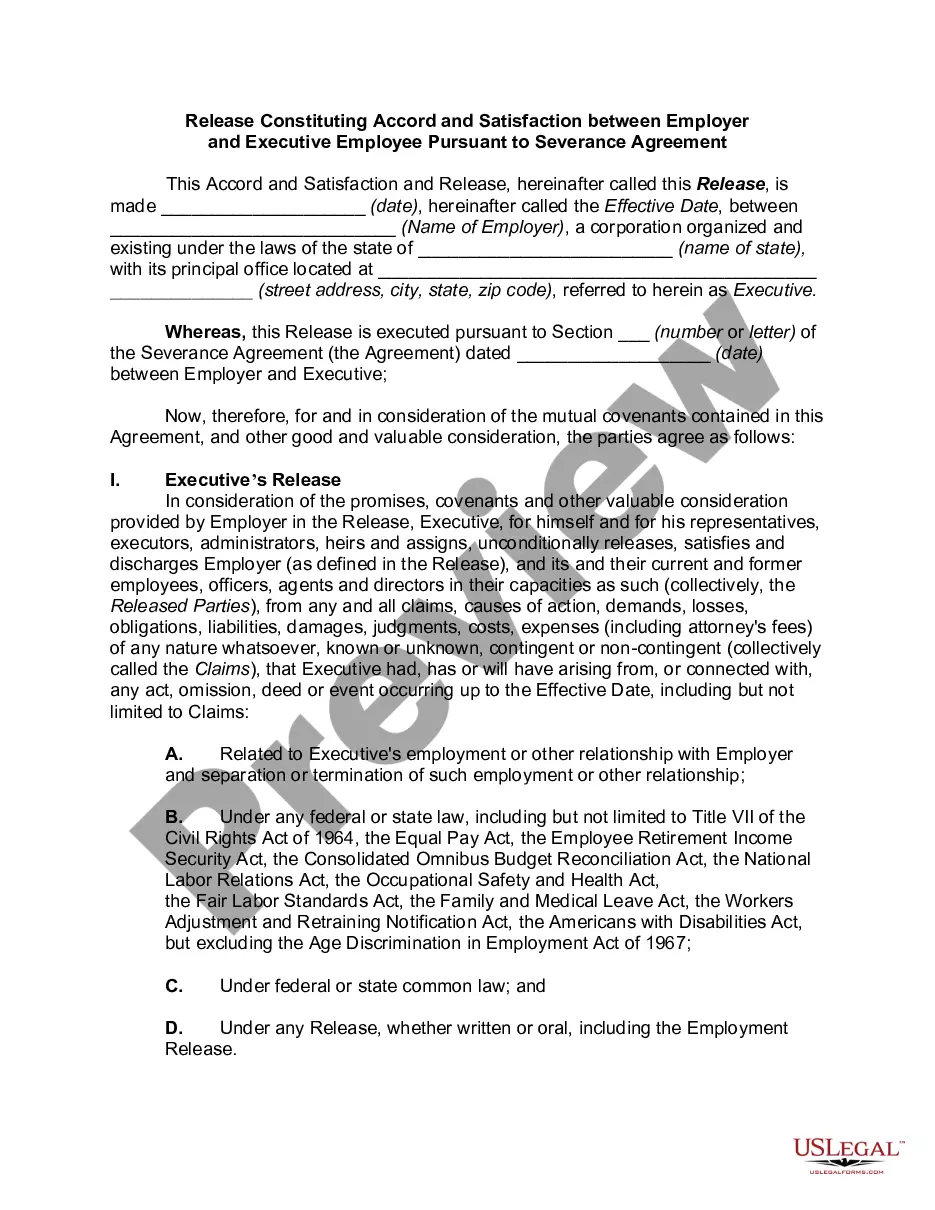
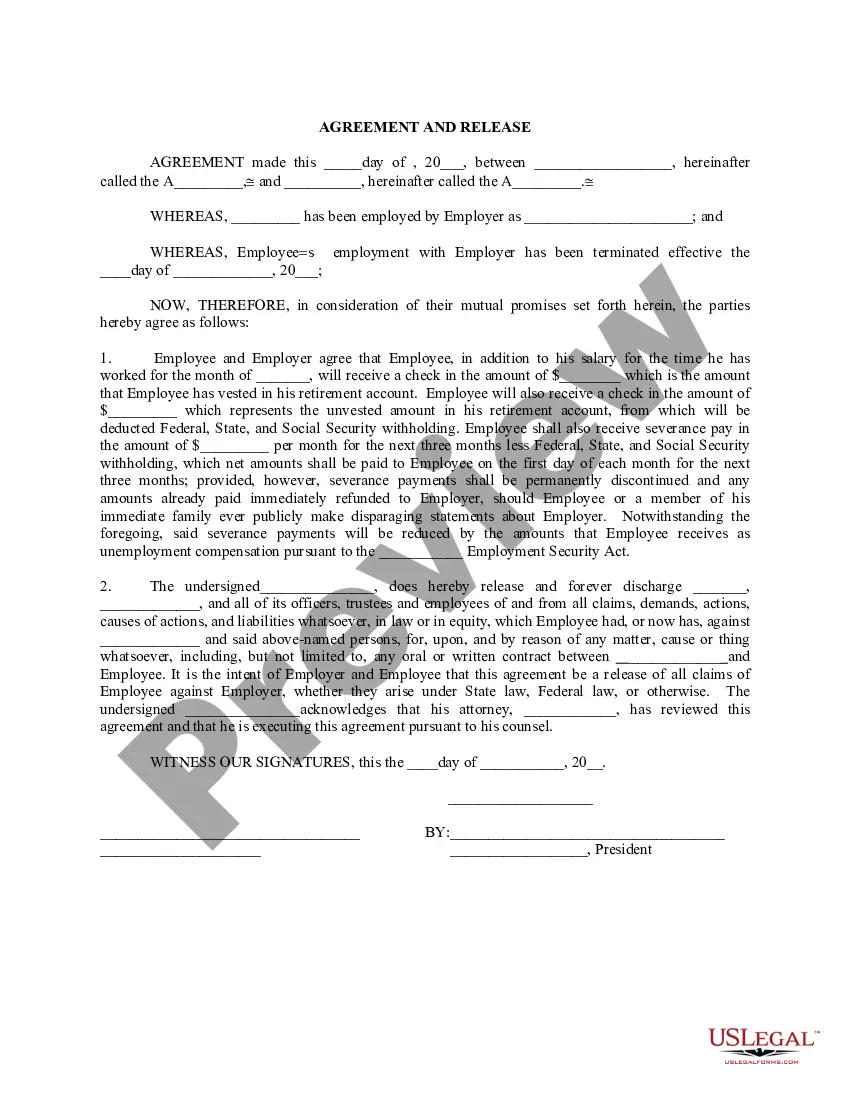
Get your form ready online
Our built-in tools help you complete, sign, share, and store your documents in one place.
Make edits, fill in missing information, and update formatting in US Legal Forms—just like you would in MS Word.
Download a copy, print it, send it by email, or mail it via USPS—whatever works best for your next step.
Sign and collect signatures with our SignNow integration. Send to multiple recipients, set reminders, and more. Go Premium to unlock E-Sign.
If this form requires notarization, complete it online through a secure video call—no need to meet a notary in person or wait for an appointment.
We protect your documents and personal data by following strict security and privacy standards.

Make edits, fill in missing information, and update formatting in US Legal Forms—just like you would in MS Word.

Download a copy, print it, send it by email, or mail it via USPS—whatever works best for your next step.

Sign and collect signatures with our SignNow integration. Send to multiple recipients, set reminders, and more. Go Premium to unlock E-Sign.

If this form requires notarization, complete it online through a secure video call—no need to meet a notary in person or wait for an appointment.

We protect your documents and personal data by following strict security and privacy standards.
Looking for another form?








Form popularity
FAQ
Be Direct but Tactful: Clearly articulate your reasons for initiating the discussion about a severance package. Whether it's due to a layoff, impending company restructuring, or personal reasons, be transparent about your motivations without placing blame or becoming confrontational.
Present the employee with the severance agreement, worked on by your HR manager, and walk through each section. Leave time for the employee to ask questions and make clear the time frame during which the employee has time to meet with their lawyer, as well as their last day.
How to ask for a severance package Review your company's documents. You can typically find details of the company's policy regarding severance packages in a couple of places. Make note of your accomplishments. Stay professional. Negotiate severance during your job offer. Agree to an exit interview.
It makes no difference how long you've been with a company so yes, it's legal to lay off any and everyone without severance. The exceptions: a union agreement requiring severance, a personal contract calling for a severance. This is usually only for executives and ``key'' people.
Some factors that are often considered include length of employment at the company, your position or rank within the organization, salary, and individual circumstances relating to termination. Some employers adhere to a written contract or employment agreement or policy that was outlined previously.
Lack of Voluntary Consent: Under California law, a severance agreement can be considered valid and enforceable only if the parties entered into it voluntarily. If your consent was obtained through coercion, duress, or fraud, the agreement will be deemed invalid.
The agreement must be backed by consideration. The employer must give something of value to the employee in exchange for the agreement. Employees must have 21 days to consider the severance offer, or 45 days if more than one employee is laid off as part of a group lay off.