Example Of Installment Contract In Washington
Description

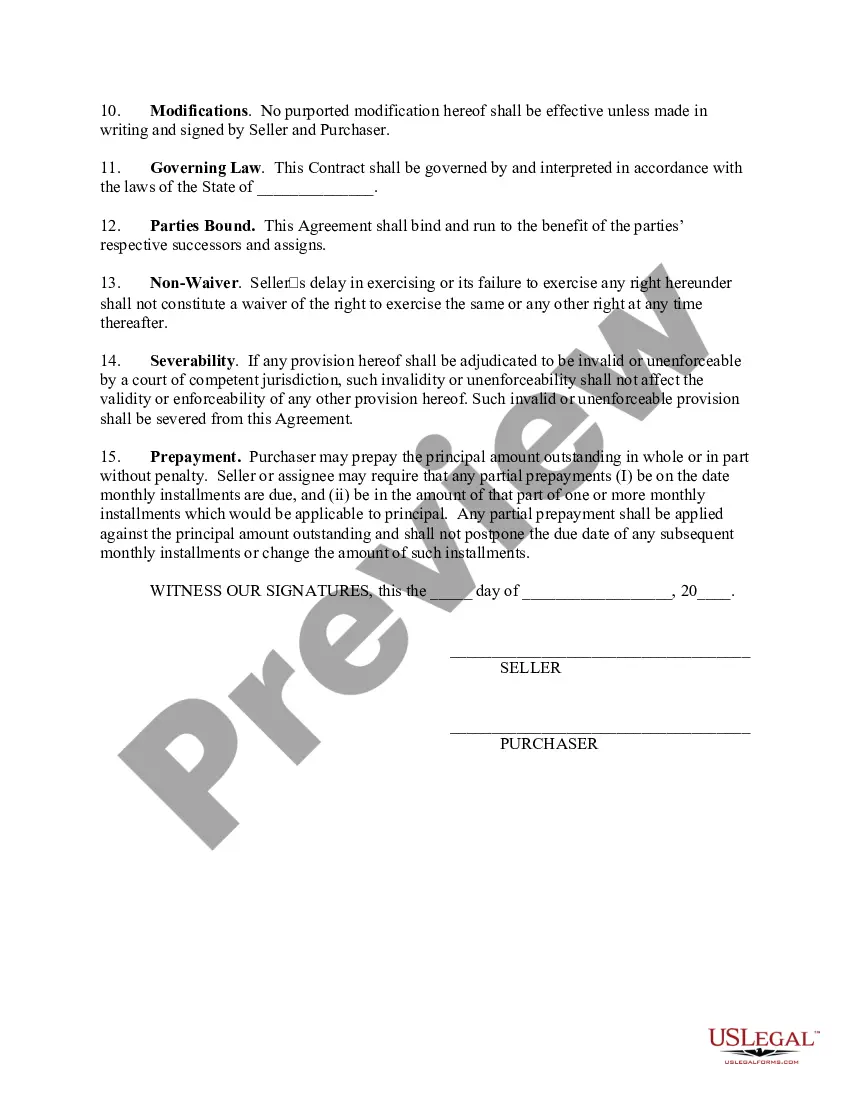
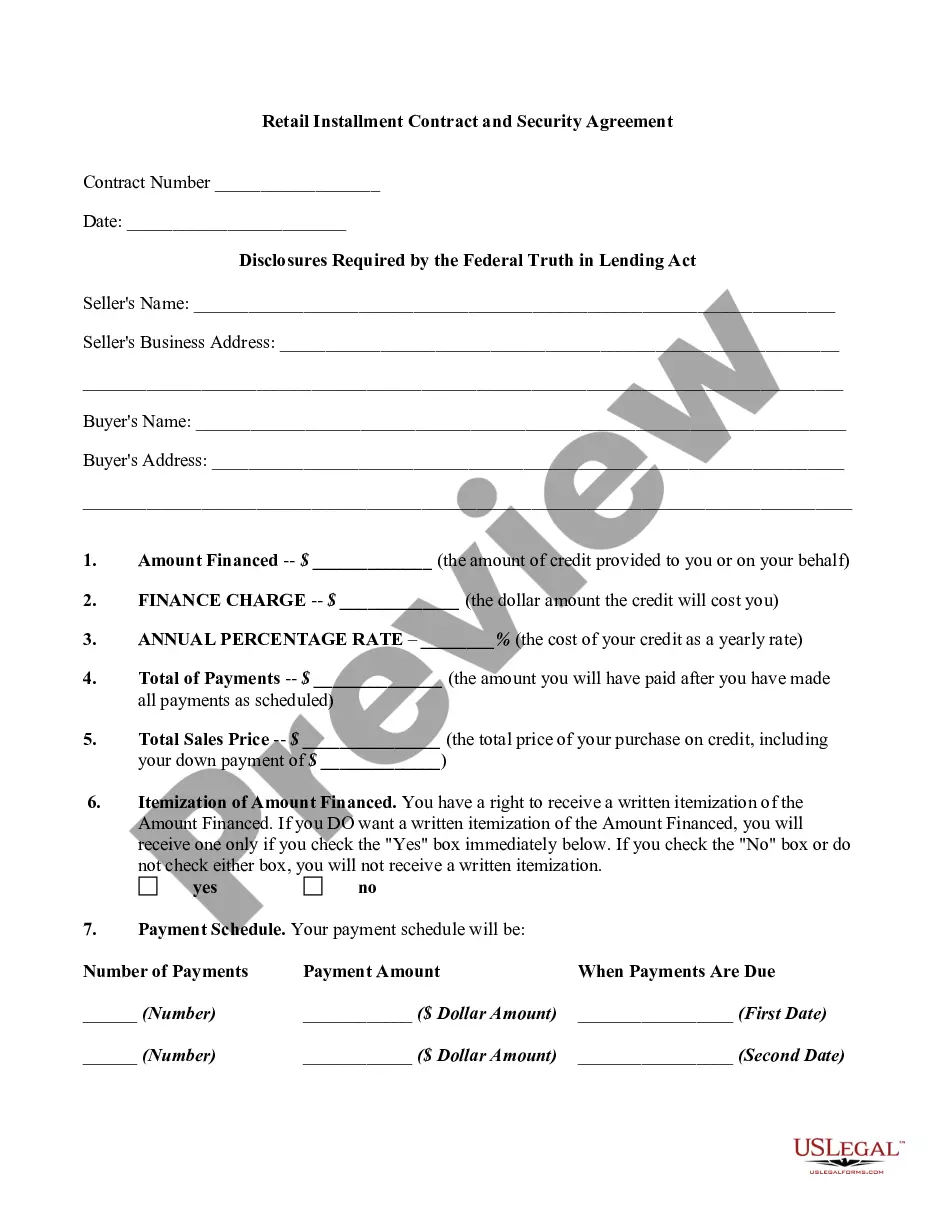
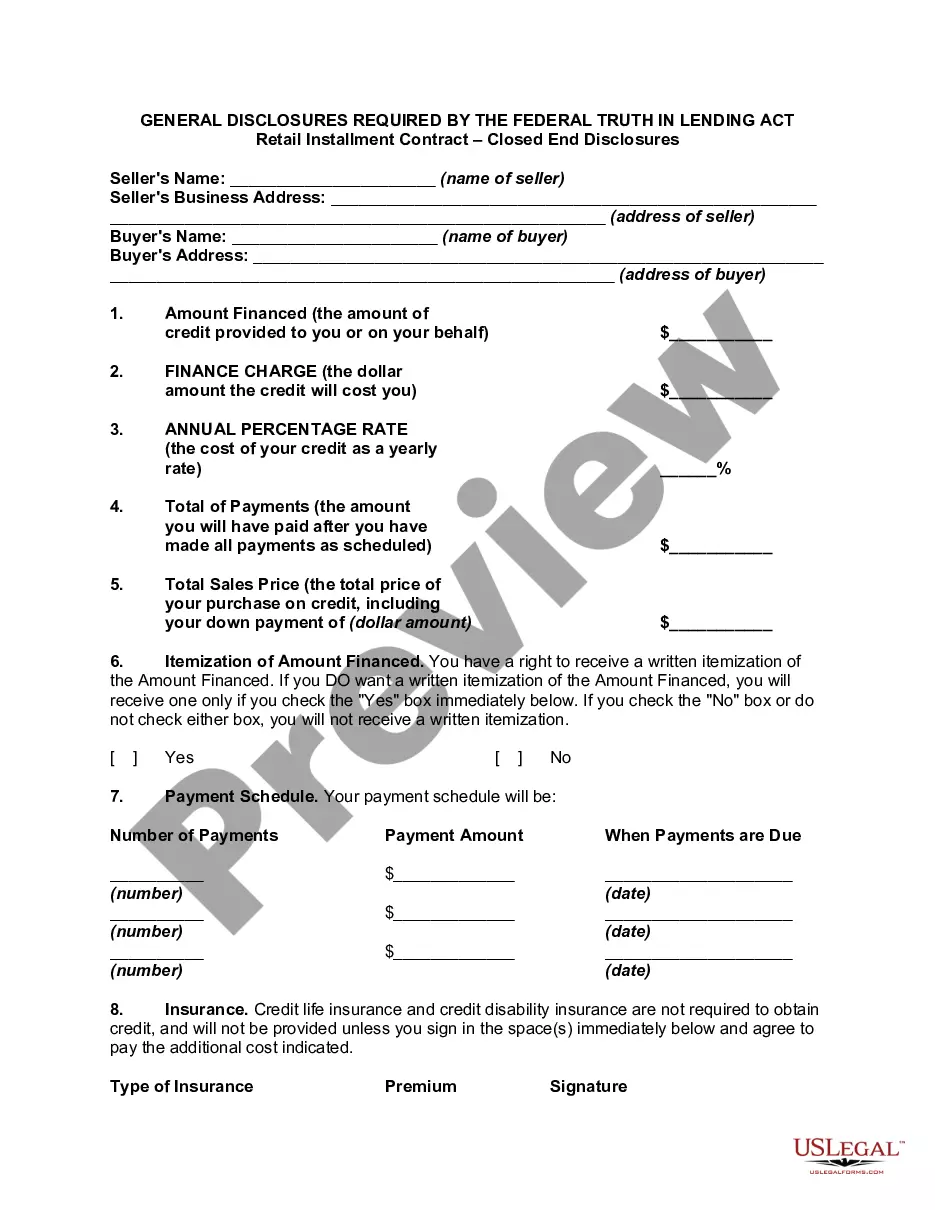
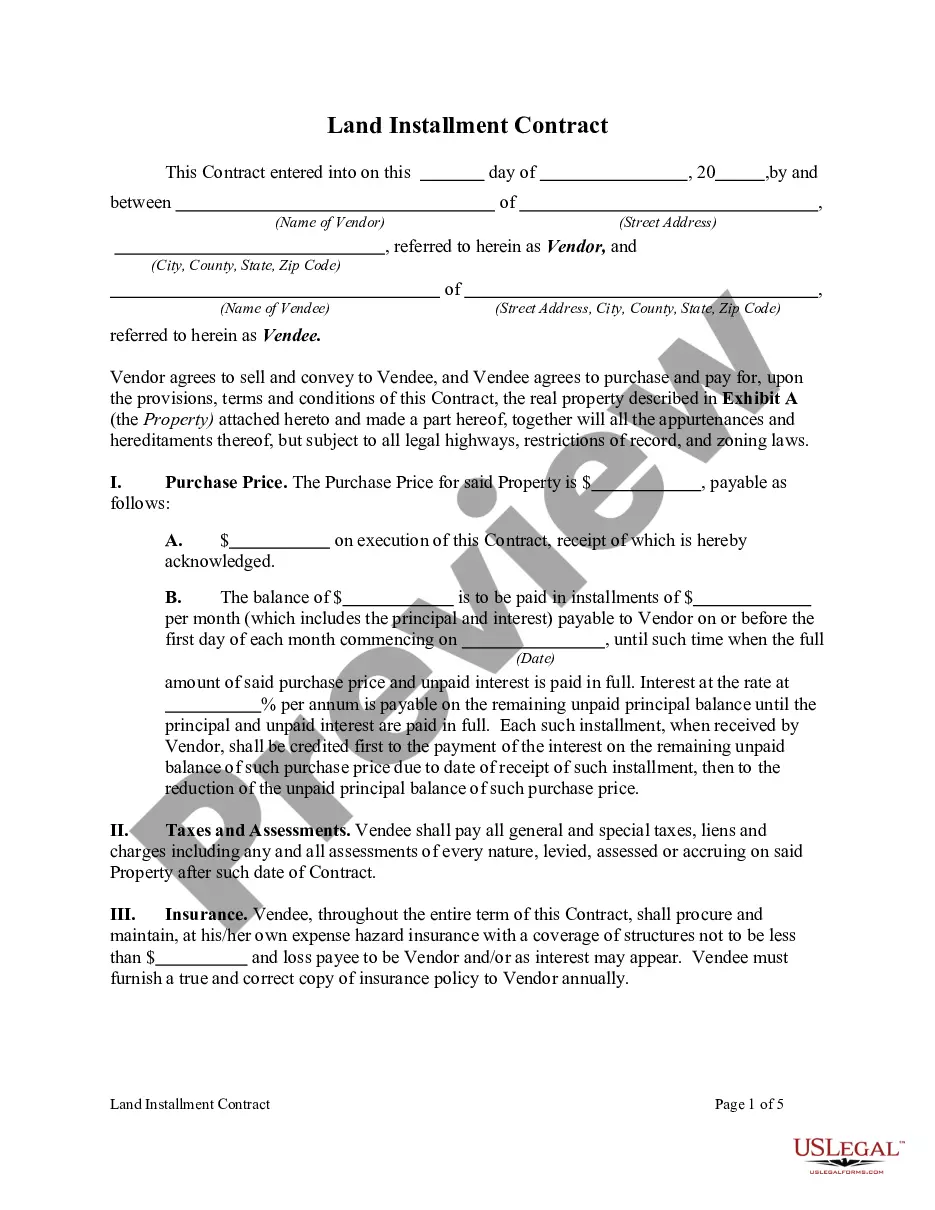
Get your form ready online
Our built-in tools help you complete, sign, share, and store your documents in one place.
Make edits, fill in missing information, and update formatting in US Legal Forms—just like you would in MS Word.
Download a copy, print it, send it by email, or mail it via USPS—whatever works best for your next step.
Sign and collect signatures with our SignNow integration. Send to multiple recipients, set reminders, and more. Go Premium to unlock E-Sign.
If this form requires notarization, complete it online through a secure video call—no need to meet a notary in person or wait for an appointment.
We protect your documents and personal data by following strict security and privacy standards.

Make edits, fill in missing information, and update formatting in US Legal Forms—just like you would in MS Word.

Download a copy, print it, send it by email, or mail it via USPS—whatever works best for your next step.

Sign and collect signatures with our SignNow integration. Send to multiple recipients, set reminders, and more. Go Premium to unlock E-Sign.

If this form requires notarization, complete it online through a secure video call—no need to meet a notary in person or wait for an appointment.

We protect your documents and personal data by following strict security and privacy standards.
Looking for another form?

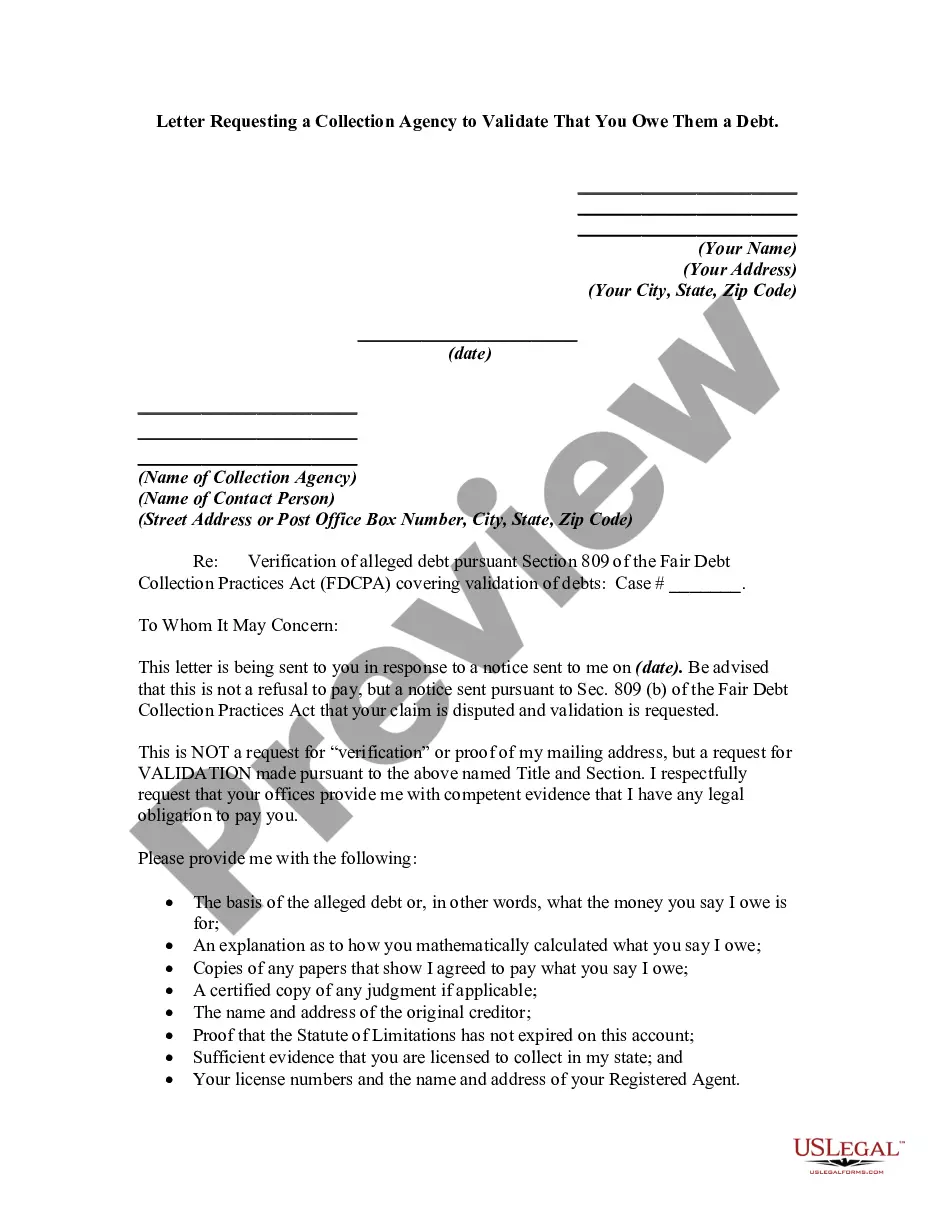
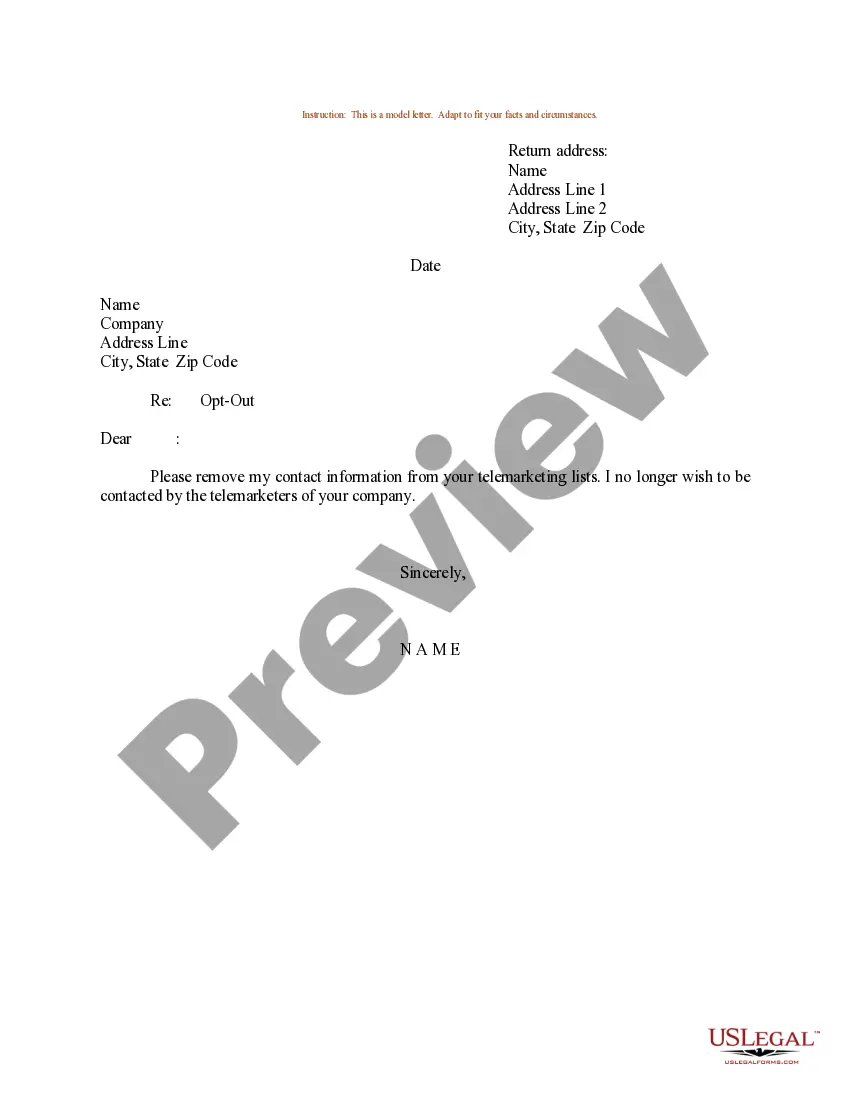
Form popularity
FAQ
In Washington, the basic maxim is “An agreement is enforceable if its terms are reasonably certain.” The terms of a contract are “reasonably certain” if they provide the ability for determining a breach/default and for giving an appropriate remedy in case of breach/default.
A “binding contract” is any agreement that's legally enforceable. That means if you sign a binding contract and don't fulfill your end of the bargain, the other party can take you to court. You might encounter binding contracts frequently, whether you're signing a rental lease agreement or just bought a car.
WPI 301.01 (7th ed.) A contract is a legally enforceable promise or set of promises. In order for a promise or set of promises to be legally enforceable, there must be mutual assent and consideration. Use this instruction when the existence of a contract or its terms is at issue.
Write the contract in six steps Start with a contract template. Open with the basic information. Describe in detail what you have agreed to. Include a description of how the contract will be ended. Write into the contract which laws apply and how disputes will be resolved. Include space for signatures.
A contract is an agreement between parties, creating mutual obligations that are enforceable by law. The basic elements required for the agreement to be a legally enforceable contract are: mutual assent, expressed by a valid offer and acceptance; adequate consideration; capacity; and legality.
Computer Service Contracts: Contracts for computer or technology services, such as software subscriptions, often involve installment payments being made over a set period of time; Agricultural Sales Contracts: In these contracts, the goods are subject to seasonal cycles, such as produce or agricultural goods.
An installment contract is a single contract that is completed by a series of performances –such as payments, performances of a service, or delivery of goods–rather than being performed all at one time. Installment contracts can provide that installments are to be performed by either one or both parties .
Computer Service Contracts: Contracts for computer or technology services, such as software subscriptions, often involve installment payments being made over a set period of time; Agricultural Sales Contracts: In these contracts, the goods are subject to seasonal cycles, such as produce or agricultural goods.
10 Different Types of Contracts Type of ContractEveryday Use Implied Contracts Common in everyday transactions like dining out. Express Contracts Standard in formal business agreements. Simple Contracts Used for straightforward services or transactions. Unconscionable Contracts Often challenged in court for fairness.10 more rows •
