Payment Plan Contract For Car In Wake
Description

Get your form ready online
Our built-in tools help you complete, sign, share, and store your documents in one place.
Make edits, fill in missing information, and update formatting in US Legal Forms—just like you would in MS Word.
Download a copy, print it, send it by email, or mail it via USPS—whatever works best for your next step.
Sign and collect signatures with our SignNow integration. Send to multiple recipients, set reminders, and more. Go Premium to unlock E-Sign.
If this form requires notarization, complete it online through a secure video call—no need to meet a notary in person or wait for an appointment.
We protect your documents and personal data by following strict security and privacy standards.

Make edits, fill in missing information, and update formatting in US Legal Forms—just like you would in MS Word.

Download a copy, print it, send it by email, or mail it via USPS—whatever works best for your next step.

Sign and collect signatures with our SignNow integration. Send to multiple recipients, set reminders, and more. Go Premium to unlock E-Sign.

If this form requires notarization, complete it online through a secure video call—no need to meet a notary in person or wait for an appointment.

We protect your documents and personal data by following strict security and privacy standards.
Looking for another form?










Form popularity
FAQ
Clearly explain your financial hardship and why you are requesting a deferment. Mention any steps you are taking to improve your situation (eg, seeking new employment). Clearly state what you are asking for, whether it's a specific number of months for deferment or a temporary reduction in payments.
Setting up the payment plan Calculate the total amount due and the payment schedule. Determine the payment amounts, due dates and payment method. Write the agreement, detailing the payment plan. Include the date of the agreement and the parties involved. Get both parties to sign the agreement.
A payment agreement, also known as a payment plan agreement or Installment Agreement, is a legal contract that outlines the terms of payment between two parties. It details the payment structure, timelines, amounts, and conditions under which payments must be made.
Including a clear description of the payment plan Clearly state the date the payment plan agreement is being created. List the full names of the parties involved in the agreement. Provide an itemized list of the payments that need to be made, including the payment amount and due date for each payment.
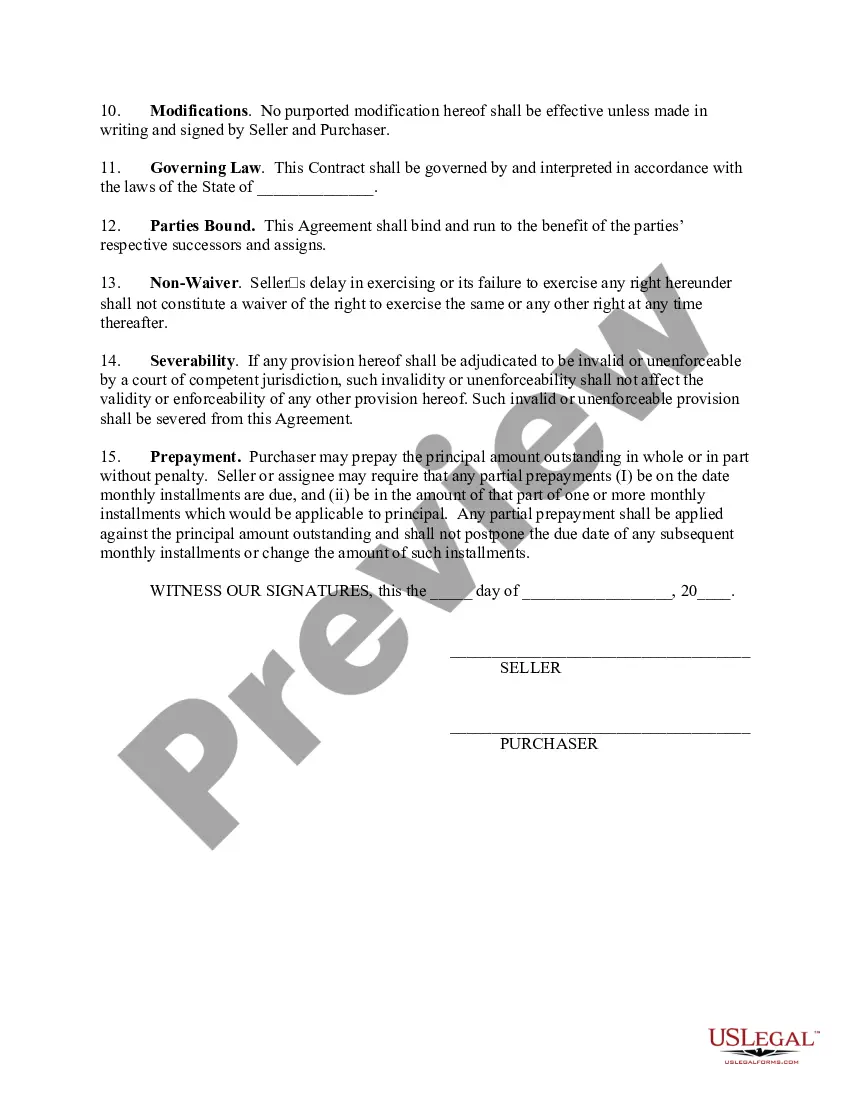
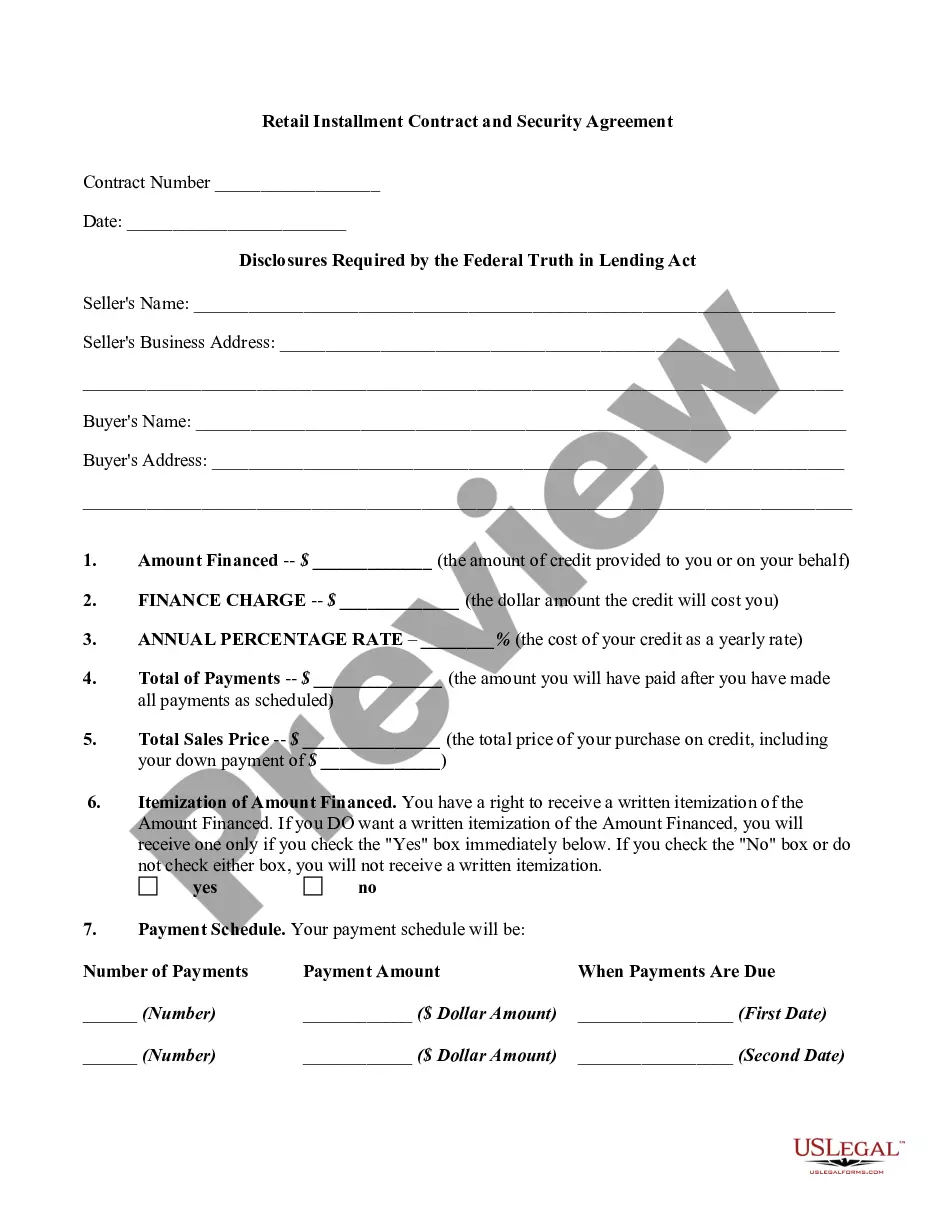
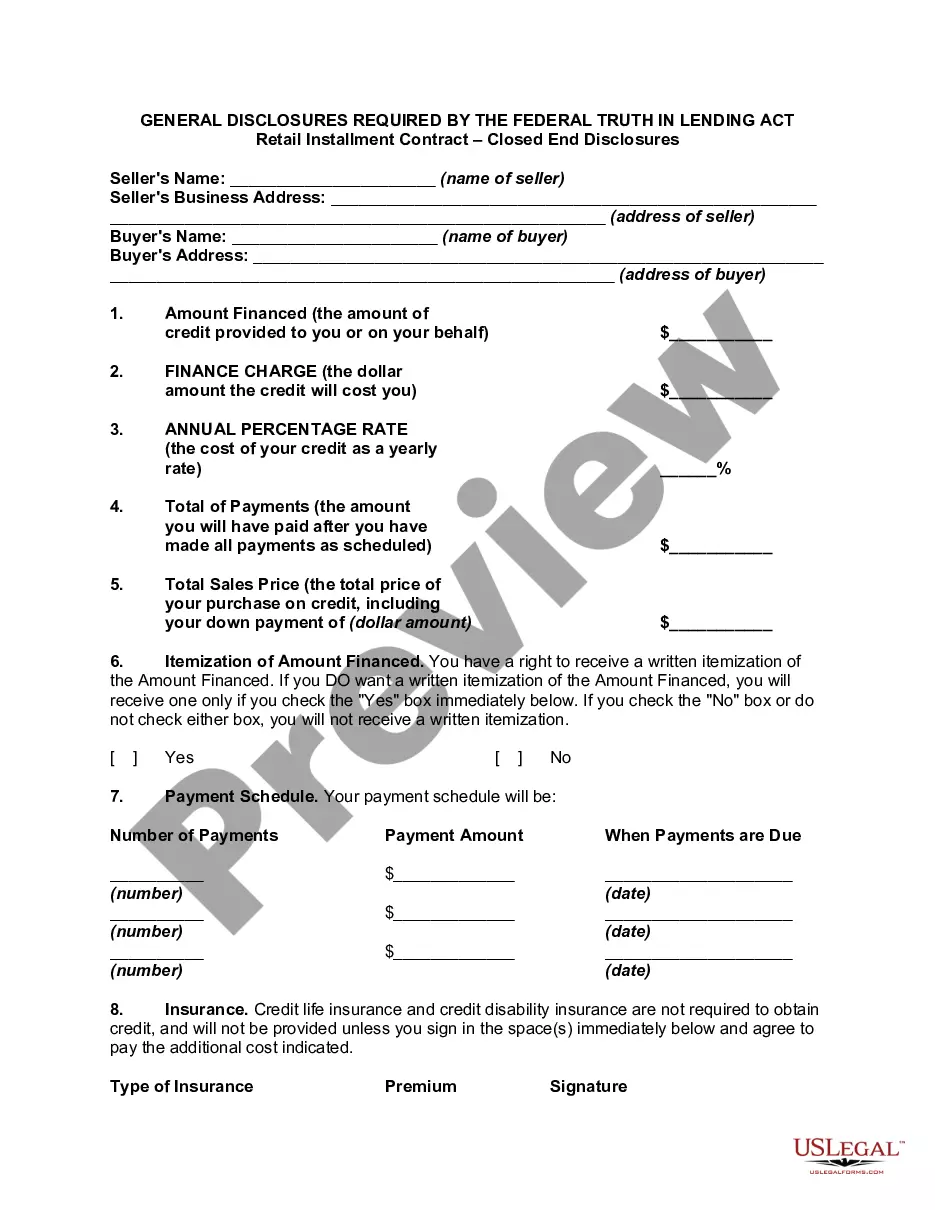
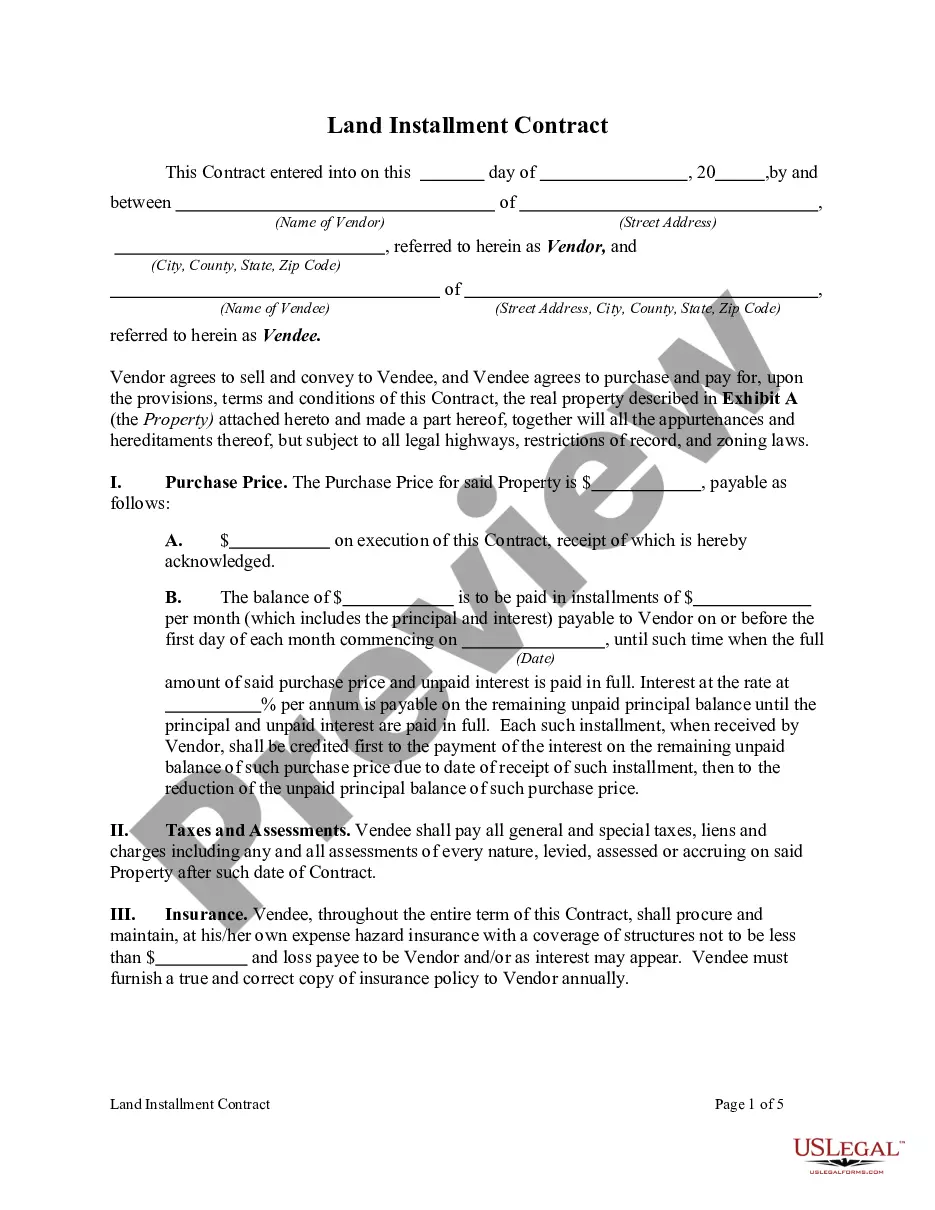
A vehicle payment plan agreement is a contract between a buyer and seller of a vehicle that agrees to installment payments. Since the seller is providing the financing, both parties must agree to the downpayment, interest rate, and the payment period.
What Are the Steps to Create Accounts Payable Policy & Procedures? Outlining key sections. Detailing invoice processing. Defining payment policies. Including a chart of accounts. Documenting proper tax information. Maintaining internal controls and recordkeeping. Reporting financial transactions. Assign tasks and deadlines.
How to offer payment plans Determine eligible products and services. Are you going to allow only certain products or services to use this benefit? ... Choose a program type. Decide on the invoicing frequency. Set up recurring payments.
Extended payment terms refer to the practice of allowing buyers to delay payment for goods or services beyond the standard payment period agreed upon with suppliers.