Installment Loan Contract With Consumer Proposal In Virginia
Description

Get your form ready online
Our built-in tools help you complete, sign, share, and store your documents in one place.
Make edits, fill in missing information, and update formatting in US Legal Forms—just like you would in MS Word.
Download a copy, print it, send it by email, or mail it via USPS—whatever works best for your next step.
Sign and collect signatures with our SignNow integration. Send to multiple recipients, set reminders, and more. Go Premium to unlock E-Sign.
If this form requires notarization, complete it online through a secure video call—no need to meet a notary in person or wait for an appointment.
We protect your documents and personal data by following strict security and privacy standards.

Make edits, fill in missing information, and update formatting in US Legal Forms—just like you would in MS Word.

Download a copy, print it, send it by email, or mail it via USPS—whatever works best for your next step.

Sign and collect signatures with our SignNow integration. Send to multiple recipients, set reminders, and more. Go Premium to unlock E-Sign.

If this form requires notarization, complete it online through a secure video call—no need to meet a notary in person or wait for an appointment.

We protect your documents and personal data by following strict security and privacy standards.
Looking for another form?








Form popularity
FAQ
These loans are also illegal under Virginia law, and Cashnet USA also uses contracts that claim Utah law applies; however, an old Virginia statute seems to give only open-end credit lenders the right to choose the laws of another state, or of the Lake Superior Chippewa Indian Tribe, or of another country when doing ...
Secured Debts: Secured debts are backed by collateral, such as a home or car. Examples include mortgages and car loans. These debts typically are not included in a Consumer Proposal, which means you can keep the collateral asset as long as you continue to make the payments.
Reports including personal knowledge or firsthand interaction, reports made among persons under common control, and reports other than credit (including skip tracing, law enforcement, dating, and laboratory reports) are not consumer reports.
Most rejections occur because the proposal terms don't align with creditor expectations. Here are the main reasons creditors may reject a consumer proposal: Payment offer is too low relative to bankruptcy – Creditors expect to receive more than they would if you were to file bankruptcy.
There are a small number of debts that cannot be wiped out (or reduced) by filing a Consumer Proposal, and these include: court awards for damages connected with bodily harm or sexual assault, child or spousal support arrears, court fines, debt incurred through fraud or misrepresentation, and government student loans ...
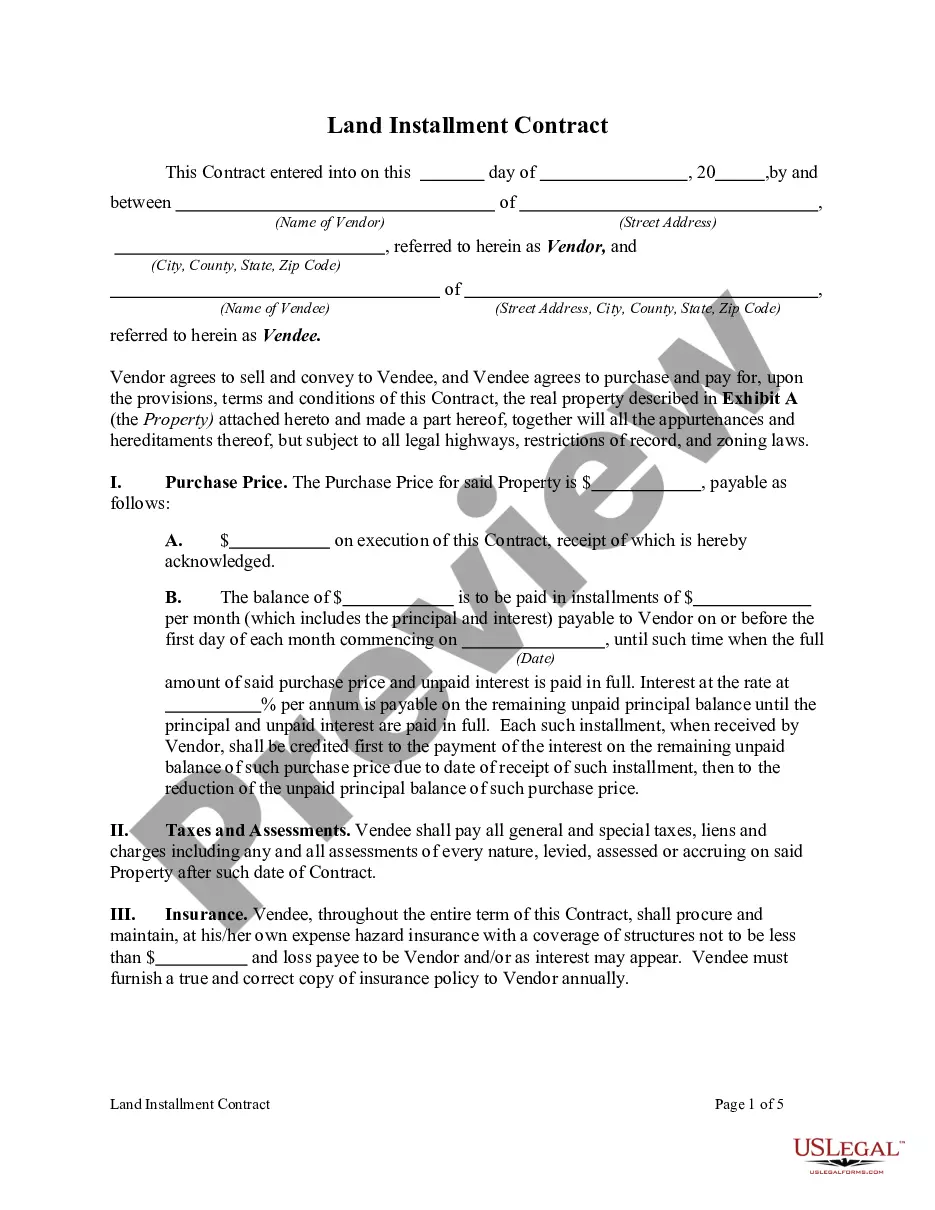
Legal rate of interest in the state of Virginia is six percent per annum ing to Section 6.1-330.53 of Article 3, Chapter 7.3 of Virginia Code.
In Virginia, OppLoans (aka OppFi) is offering $500 to $4,000 loans at 160% APR, a rate that is not legal in Virginia for companies that are not banks, by laundering the loans through FinWise Bank, First Electronic Bank of Utah, or CC Bank.
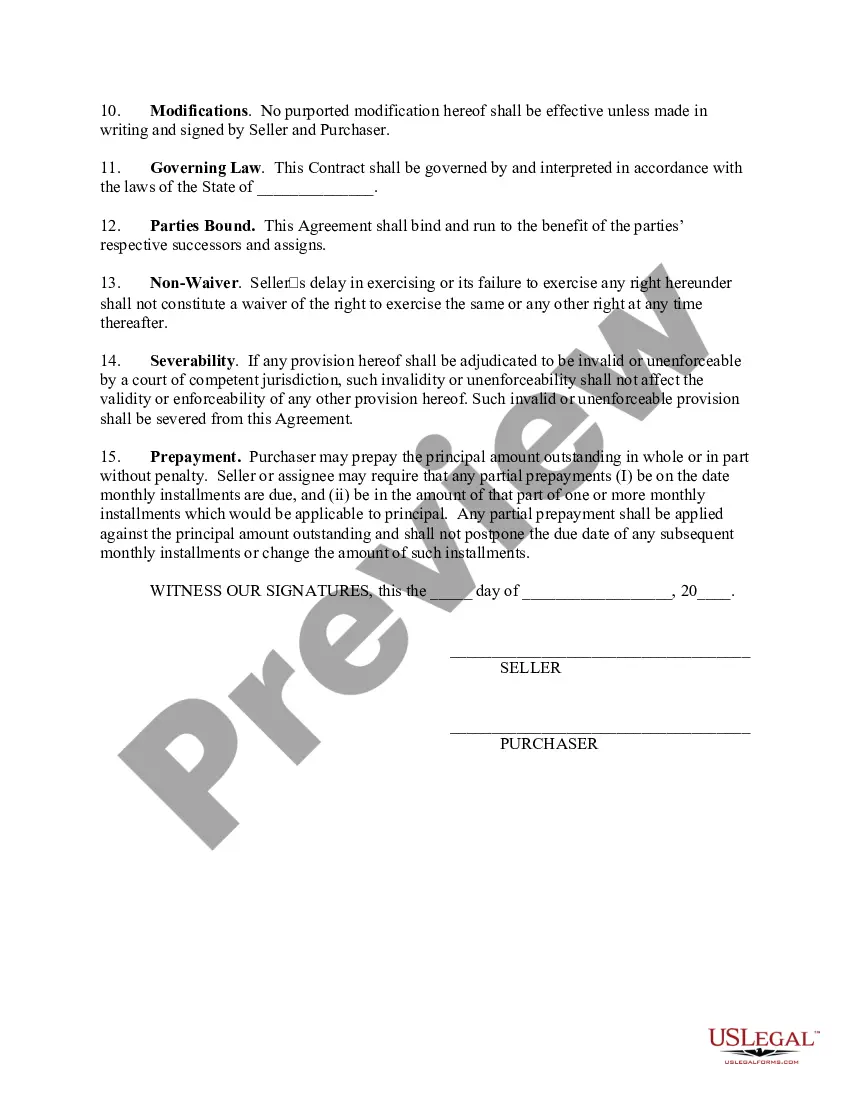
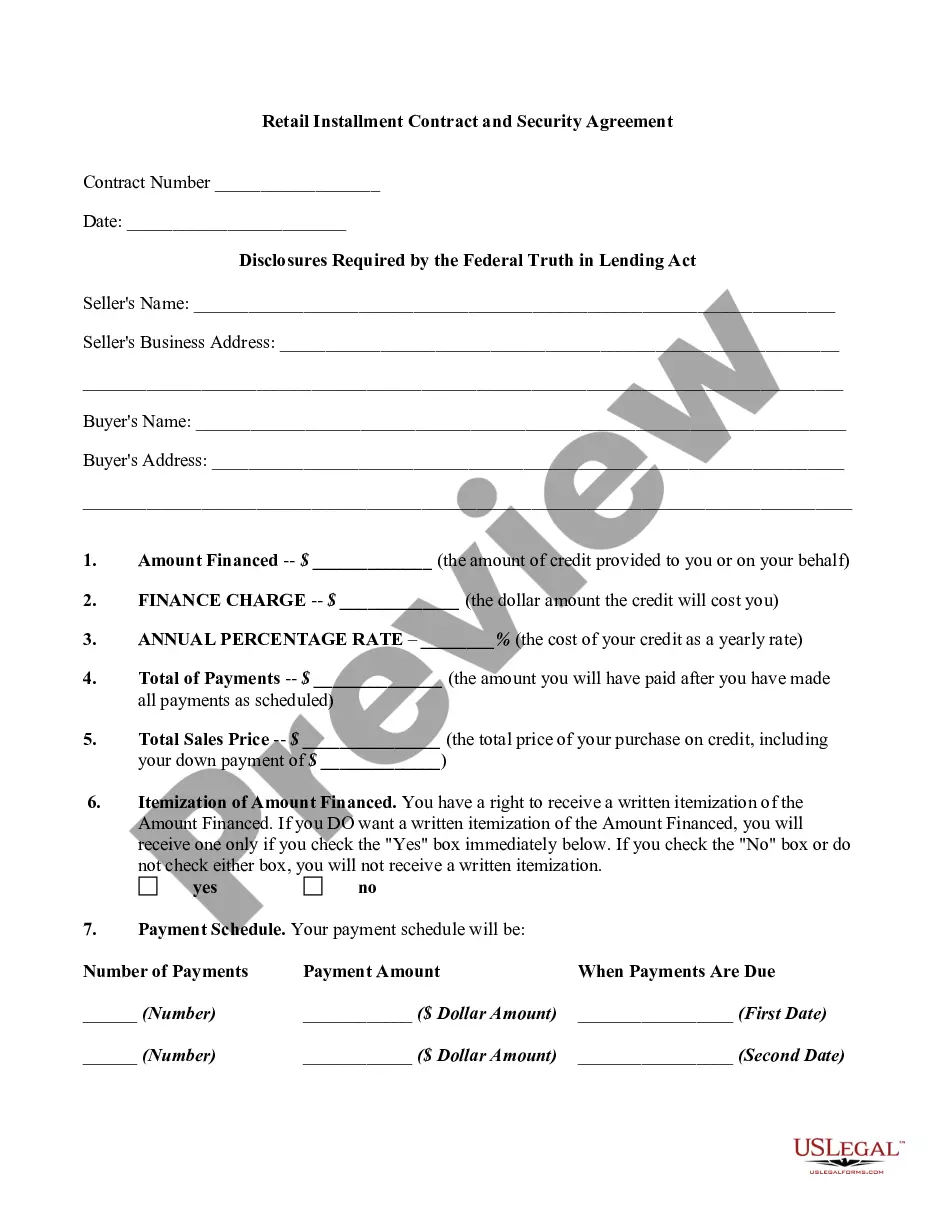
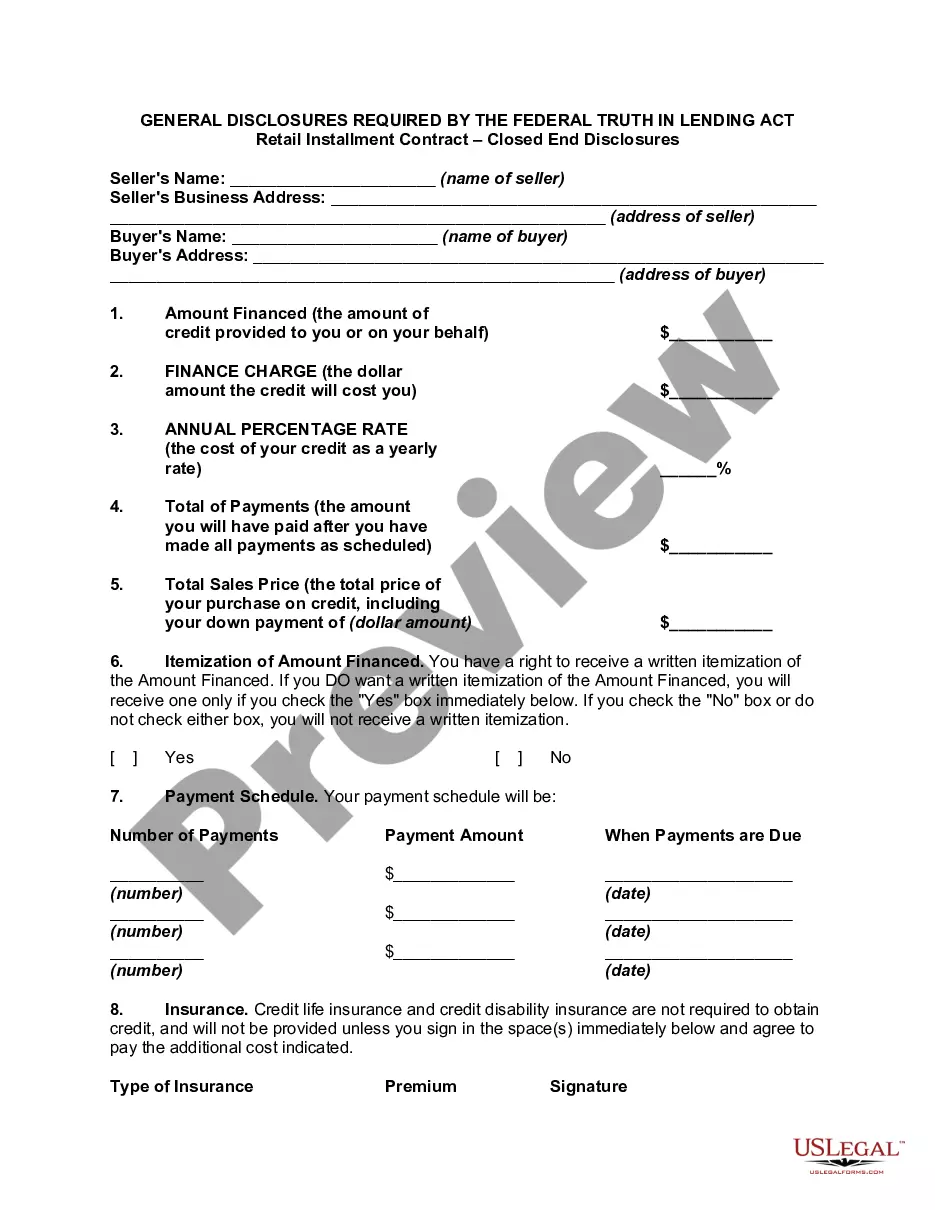
Closed-end installment loans by sellers of goods or services. A. Any seller of goods or services who extends credit under a closed-end installment credit plan or arrangement may impose finance charges at such rate or rates as the seller and the purchaser have agreed.
