Installment Loan Contract With Consumer Proposal In North Carolina
Description

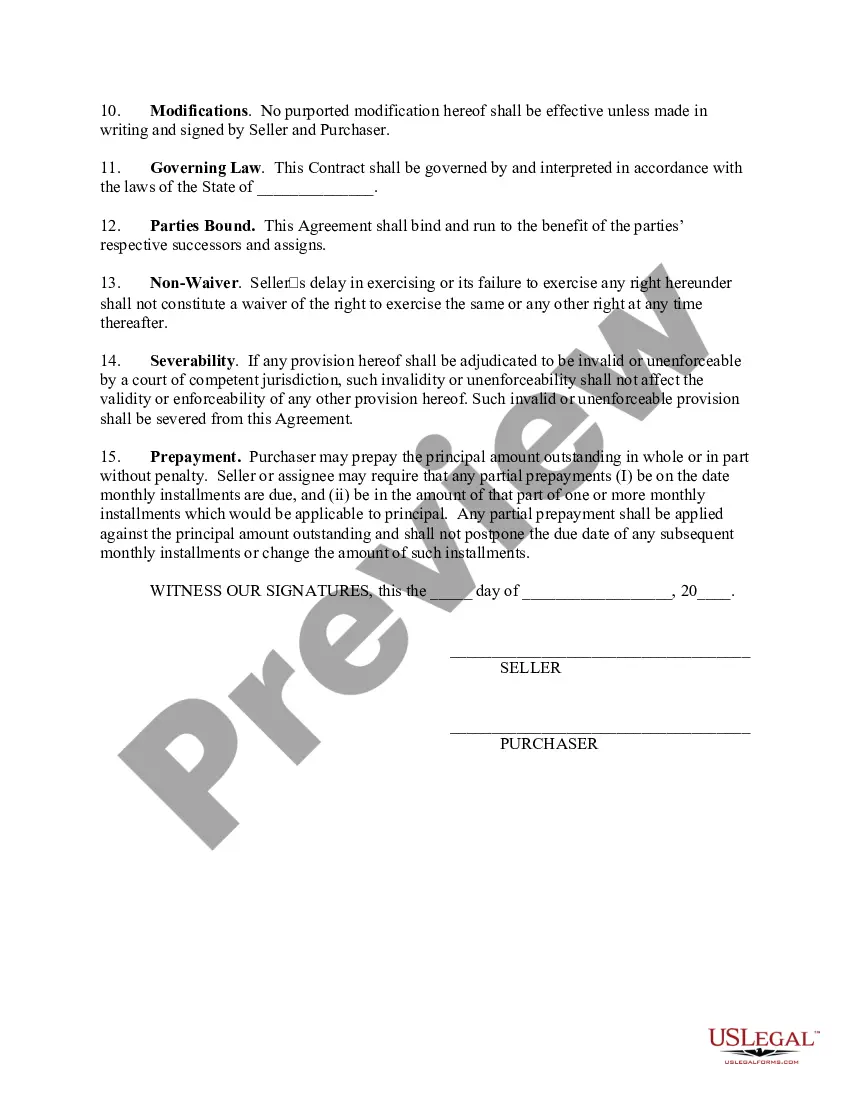
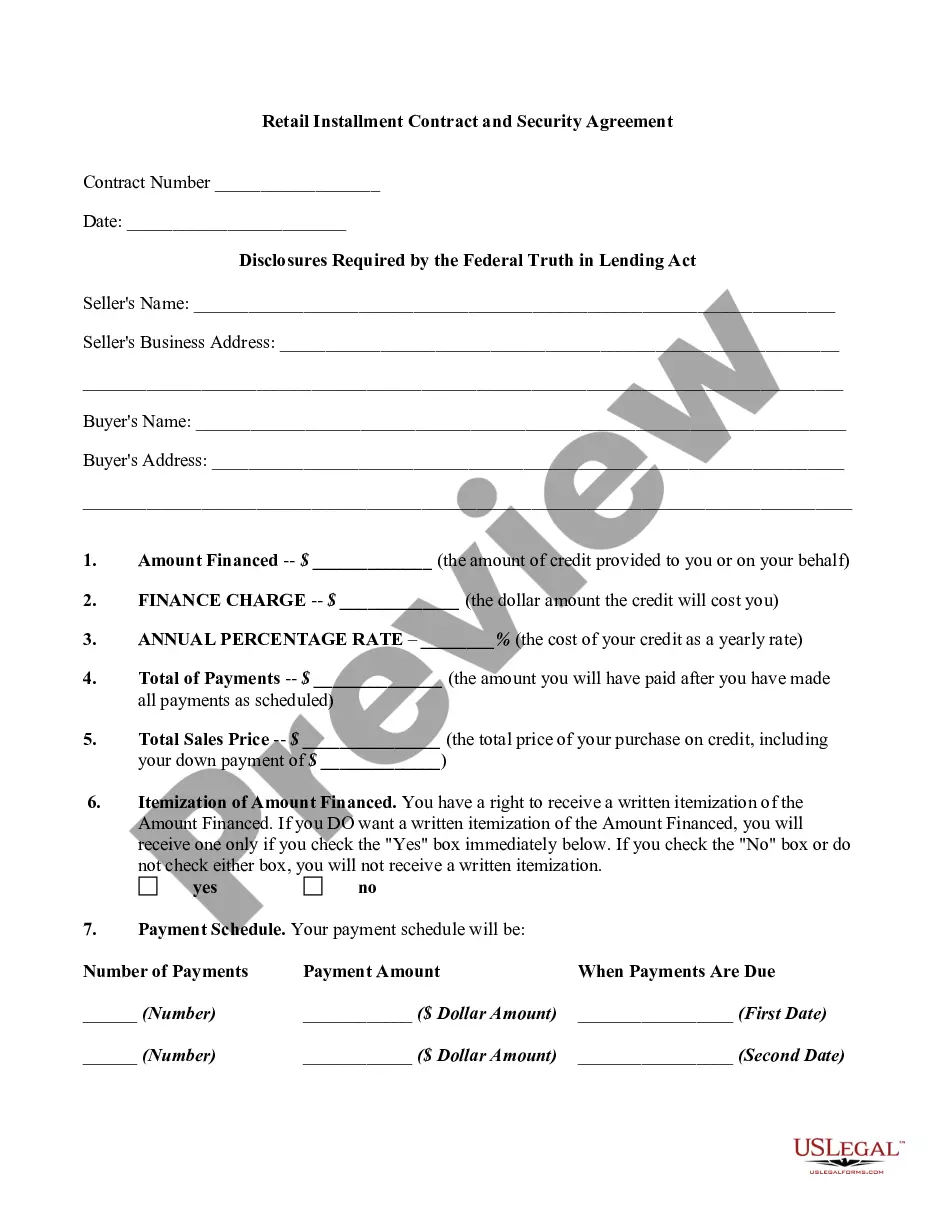
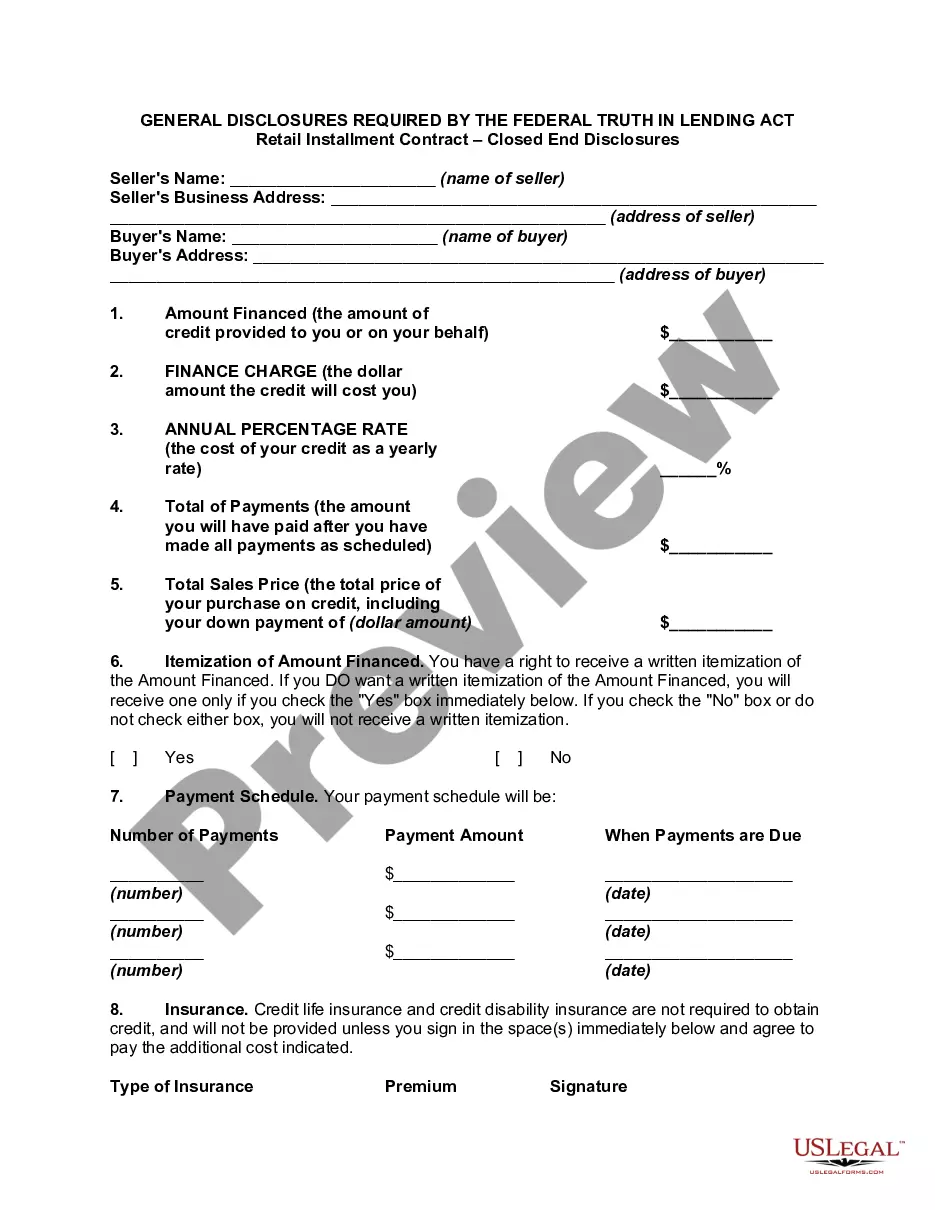
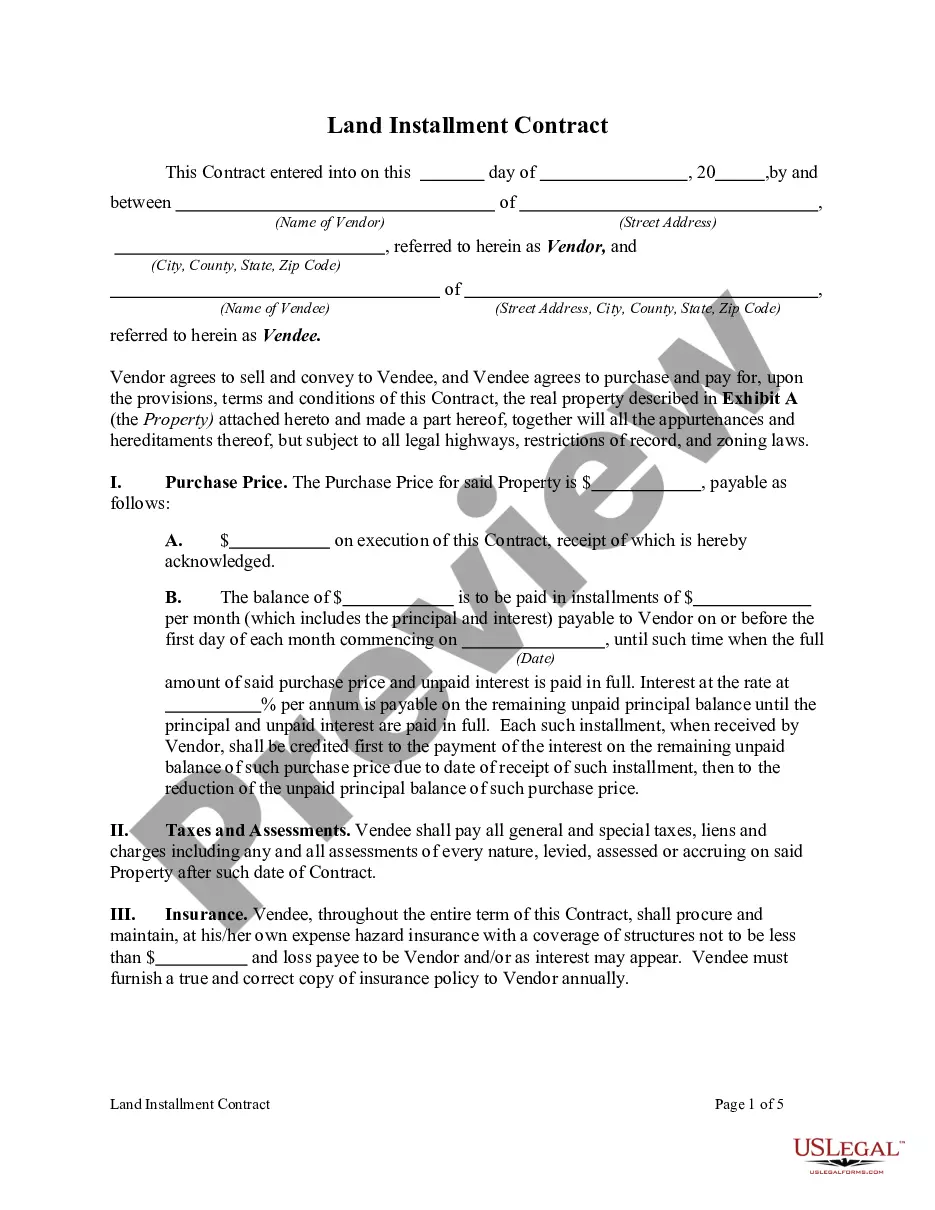
Get your form ready online
Our built-in tools help you complete, sign, share, and store your documents in one place.
Make edits, fill in missing information, and update formatting in US Legal Forms—just like you would in MS Word.
Download a copy, print it, send it by email, or mail it via USPS—whatever works best for your next step.
Sign and collect signatures with our SignNow integration. Send to multiple recipients, set reminders, and more. Go Premium to unlock E-Sign.
If this form requires notarization, complete it online through a secure video call—no need to meet a notary in person or wait for an appointment.
We protect your documents and personal data by following strict security and privacy standards.

Make edits, fill in missing information, and update formatting in US Legal Forms—just like you would in MS Word.

Download a copy, print it, send it by email, or mail it via USPS—whatever works best for your next step.

Sign and collect signatures with our SignNow integration. Send to multiple recipients, set reminders, and more. Go Premium to unlock E-Sign.

If this form requires notarization, complete it online through a secure video call—no need to meet a notary in person or wait for an appointment.

We protect your documents and personal data by following strict security and privacy standards.
Looking for another form?







Form popularity
FAQ
The Consumer Credit Act gives you the right to withdraw from any regulated credit agreement, whether it was arranged in person, by phone, by post or online. You typically have 14 days after signing the agreement (or receiving a copy of the agreement) to withdraw, although this can vary.
'75-1.1i makes all unfair and deceptive advertisements a violation of North Carolina Law. Virtually all bad automobile advertisements will constitute a violation of N.C.G.S. '75-1.1. In addition to unfair and deceptive trade practice violations, there are numerous statutes that address specific advertising practices.
North Carolina Consumer Protection Act (NCCPA): This legislative act prohibits unfair and deceptive trade practices, such as false advertising, fraudulent schemes, and deceptive business practices.
CONSUMER CREDIT PROTECTION ACT - PUBLIC LAW 90-321, APPROVED MAY 29, 1968 (82 STAT. 146, 15 U.S.C. 1601) THE ACT, WHICH SAFEGUARDS CONSUMERS BY REQUIRING FULL DISCLOSURE OF THE TERMS AND CONDITIONS OF FINANCE CHARGES IN CREDIT TRANSACTIONS OR IN OFFERS TO EXTEND CREDIT, IS PRESENTED AS AMENDED THROUGH MARCH 1976.
Filing a consumer proposal will typically result in an R7 rating for 6 years from the date the proposal is filed, or three years from the day the proposal is complete, whichever comes first.
§ 24‑1. Legal rate is eight percent. Except as otherwise provided in G.S. 136‑113, the legal rate of interest shall be eight percent (8%) per annum for such time as interest may accrue, and no more.
North Carolina Consumer Protection Act (NCCPA): This legislative act prohibits unfair and deceptive trade practices, such as false advertising, fraudulent schemes, and deceptive business practices.
A consumer proposal can only be filed for non-mortgage debt up to $250,000. Bankruptcy has no limit to the amount of debt that can be included, only a minimum of $1000.