Installment Loan Contract With Low Interest In Michigan
Description

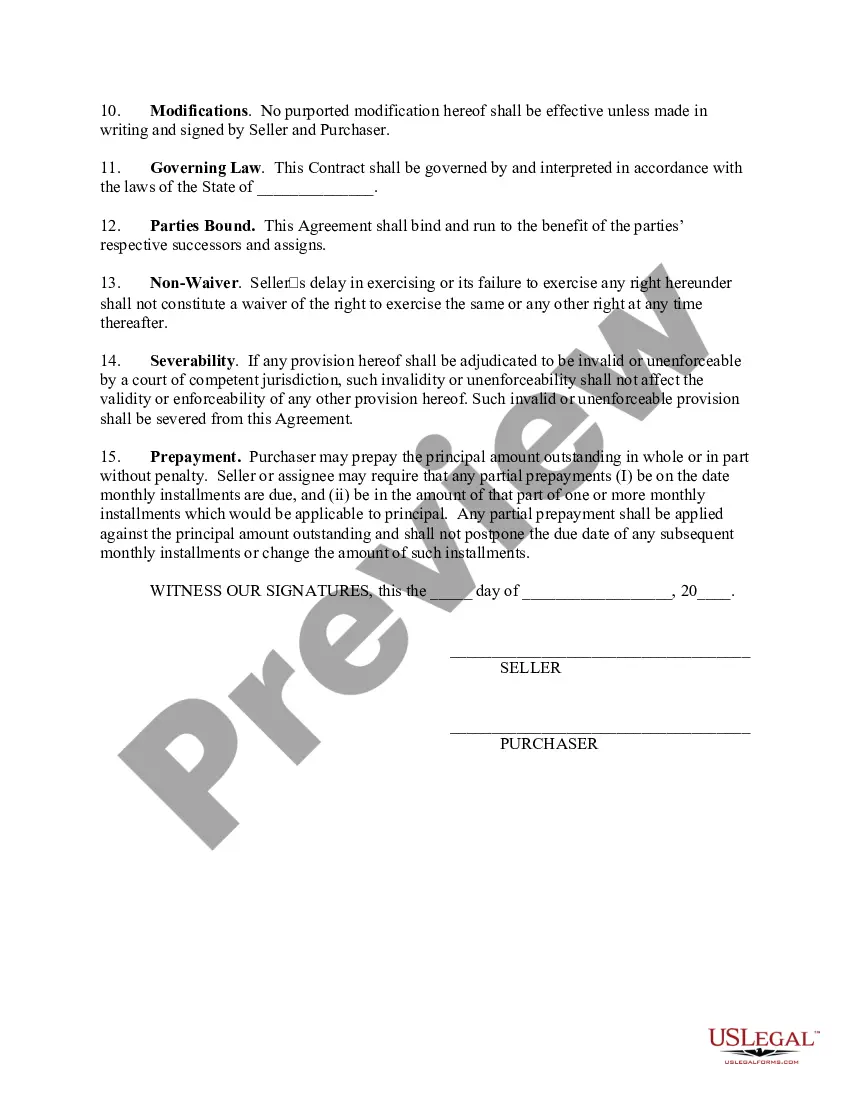
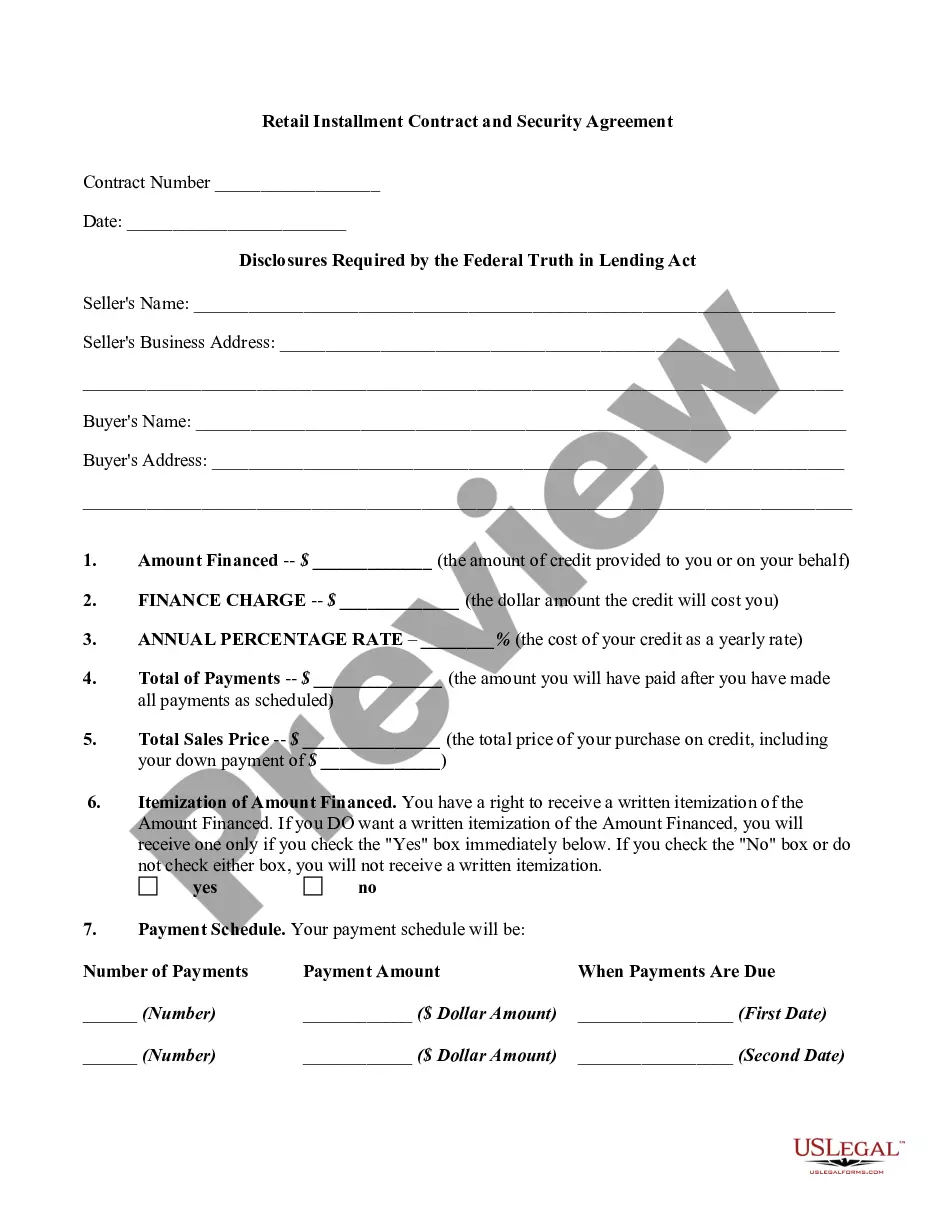
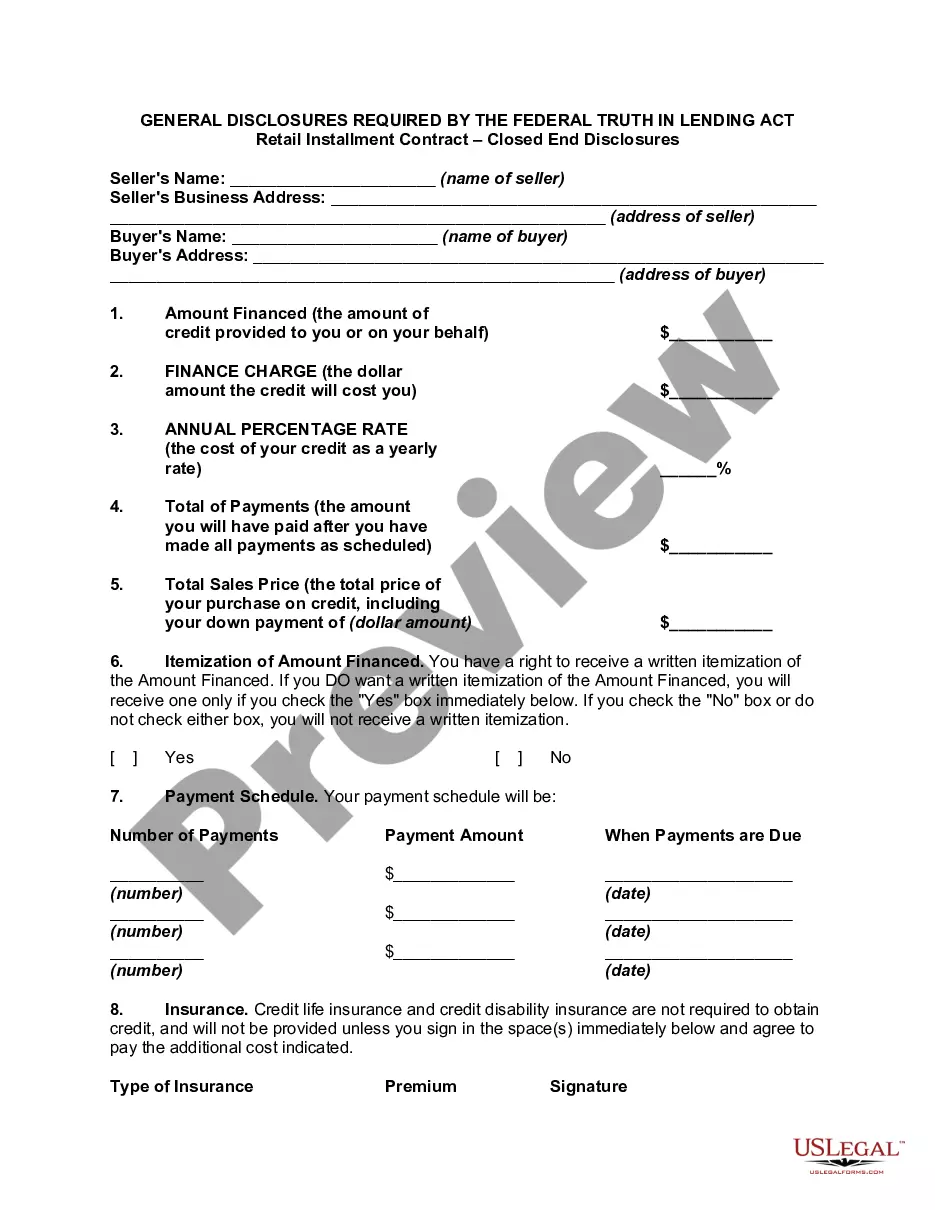
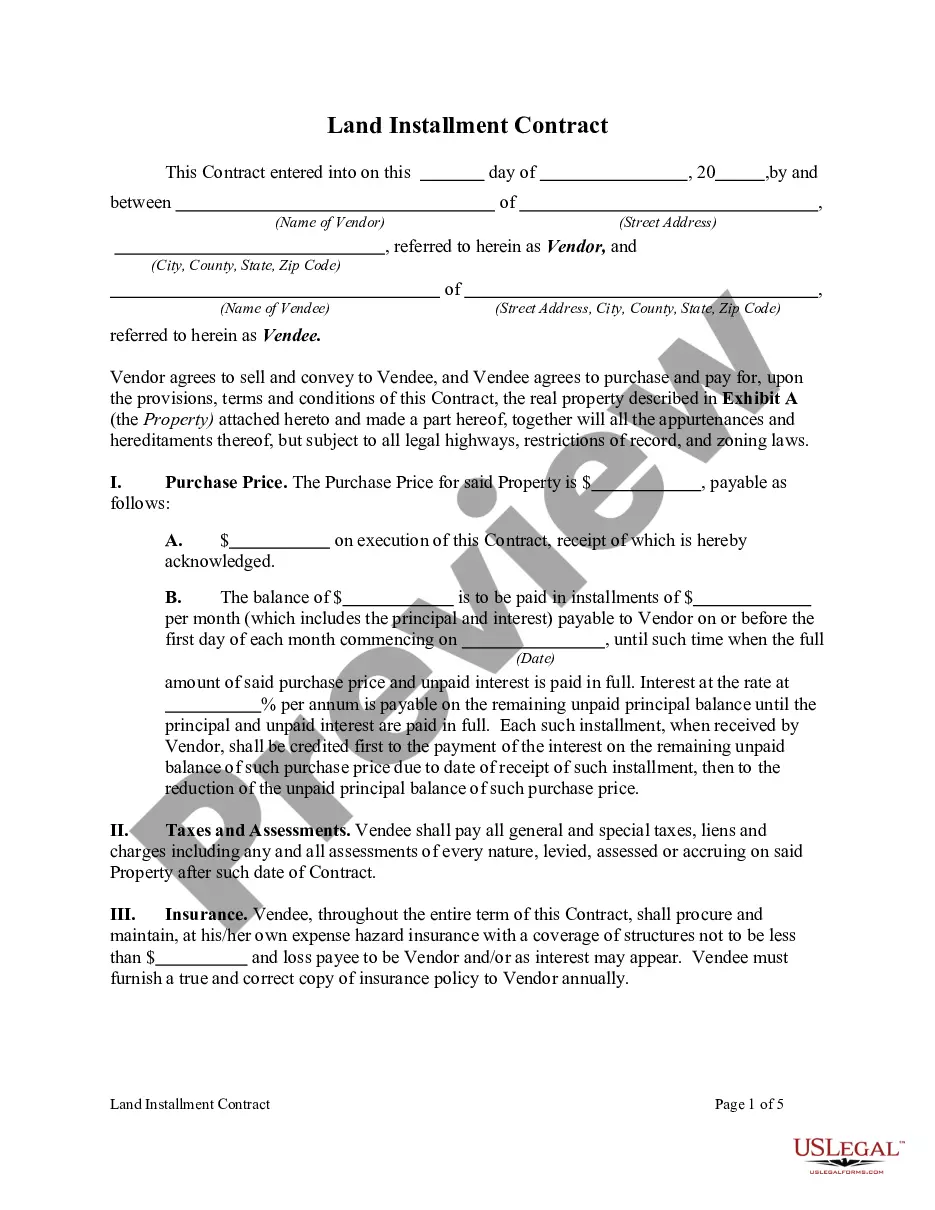
Get your form ready online
Our built-in tools help you complete, sign, share, and store your documents in one place.
Make edits, fill in missing information, and update formatting in US Legal Forms—just like you would in MS Word.
Download a copy, print it, send it by email, or mail it via USPS—whatever works best for your next step.
Sign and collect signatures with our SignNow integration. Send to multiple recipients, set reminders, and more. Go Premium to unlock E-Sign.
If this form requires notarization, complete it online through a secure video call—no need to meet a notary in person or wait for an appointment.
We protect your documents and personal data by following strict security and privacy standards.

Make edits, fill in missing information, and update formatting in US Legal Forms—just like you would in MS Word.

Download a copy, print it, send it by email, or mail it via USPS—whatever works best for your next step.

Sign and collect signatures with our SignNow integration. Send to multiple recipients, set reminders, and more. Go Premium to unlock E-Sign.

If this form requires notarization, complete it online through a secure video call—no need to meet a notary in person or wait for an appointment.

We protect your documents and personal data by following strict security and privacy standards.
Looking for another form?










Form popularity
FAQ
While the IRS typically doesn't allow taxpayers to have two separate installment agreements, adding a new tax debt to an existing installment plan is possible. However, taxpayers must act swiftly before the IRS assesses the new tax balance and potential default occurs, triggering enforcement actions.
The 6 year period, known as the statute of limitations, may be extended by certain actions such as a court judgment. By law, the Department may use a variety of actions to collect your past-due tax, penalty and interest and may take these actions at any time during the course of collection.
Typically, the IRS does not allow taxpayers to have two separate installment agreements simultaneously.
Installment loans are available in Michigan.
The parties will also agree on the interest rate. However, in Michigan the interest rate cannot be above 11%. It is possible for the interest rate to change over time, but the average interest rate has to be 11% or less.
