Retail Agreement Format In Illinois
Description

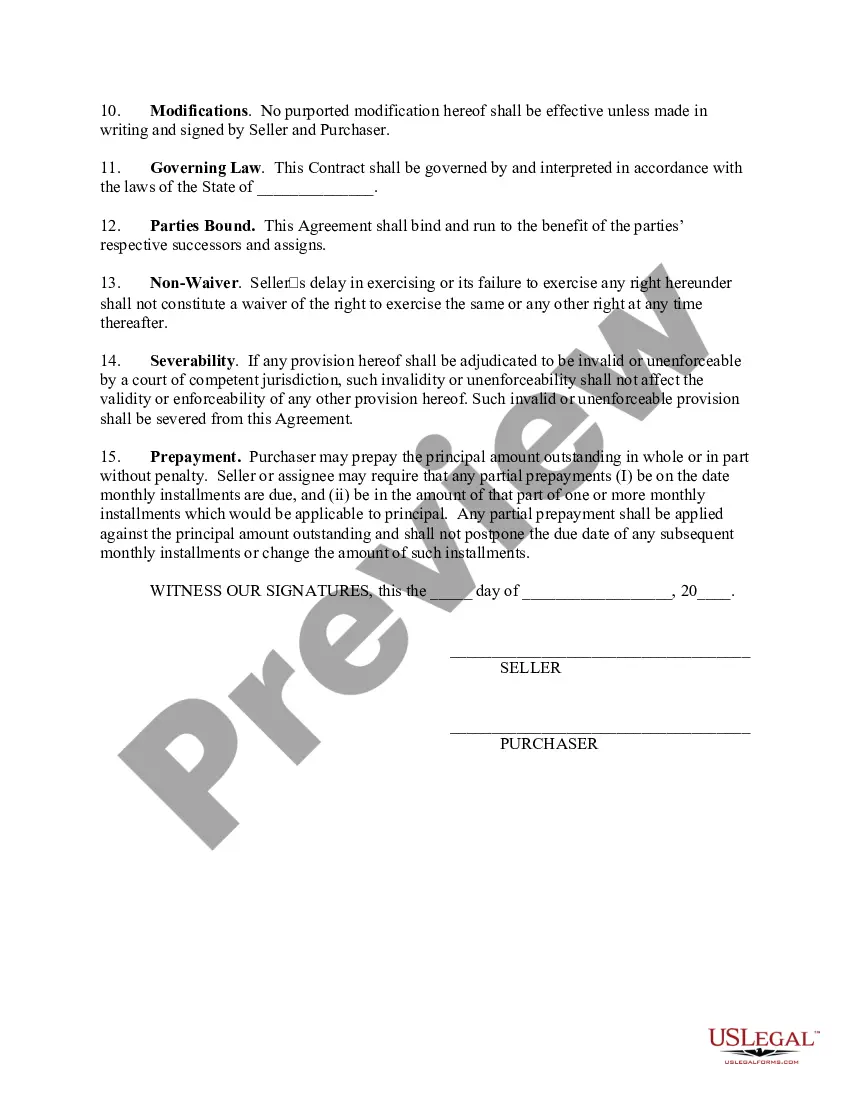
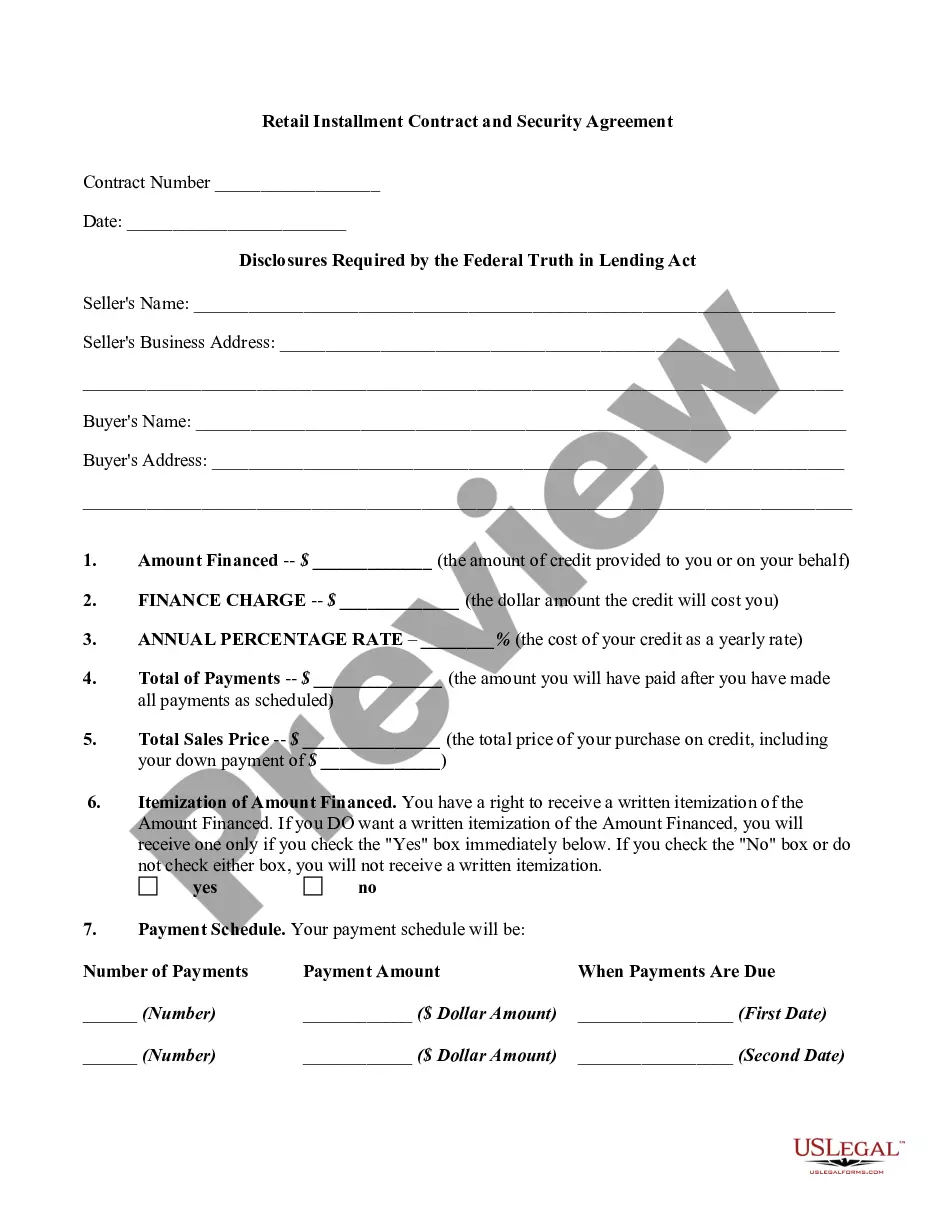
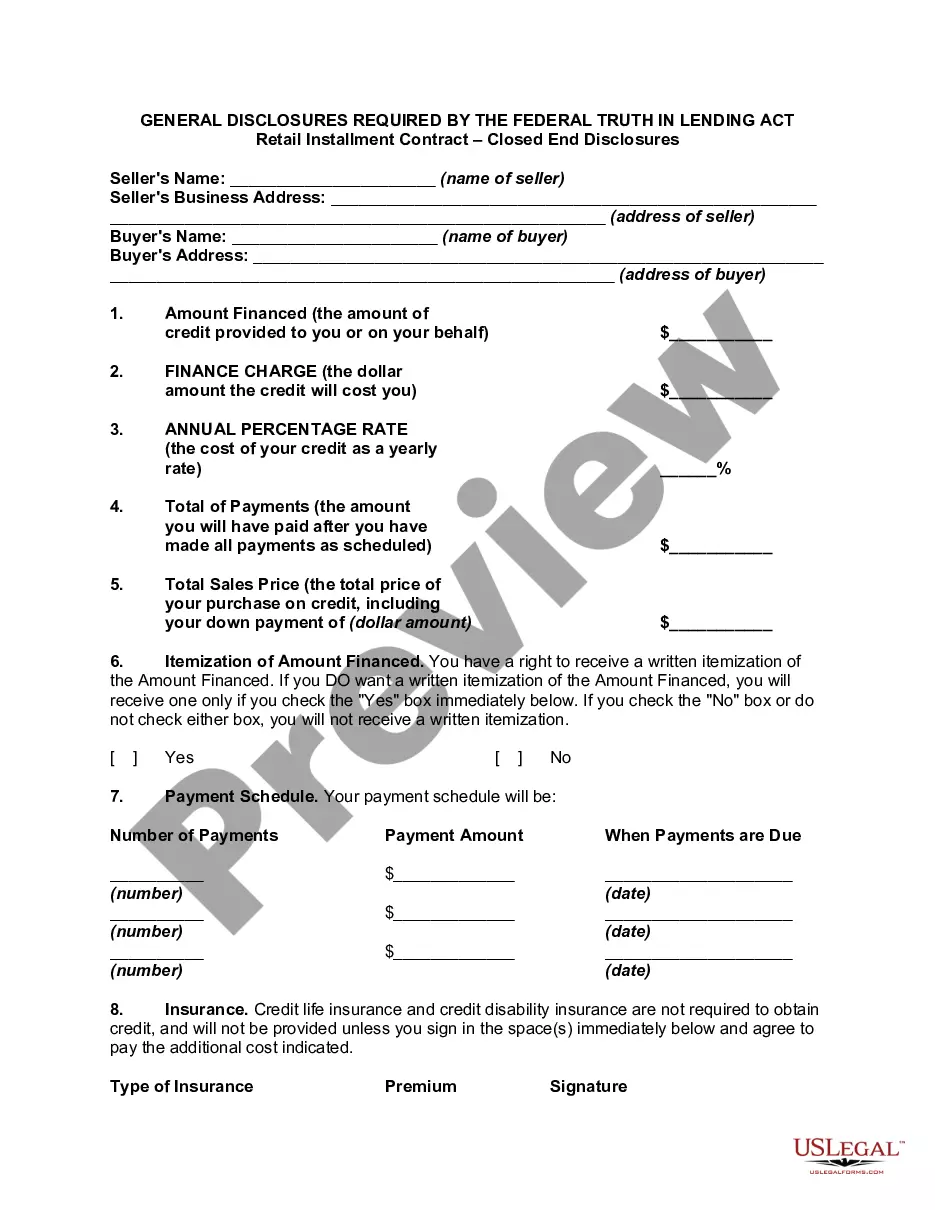
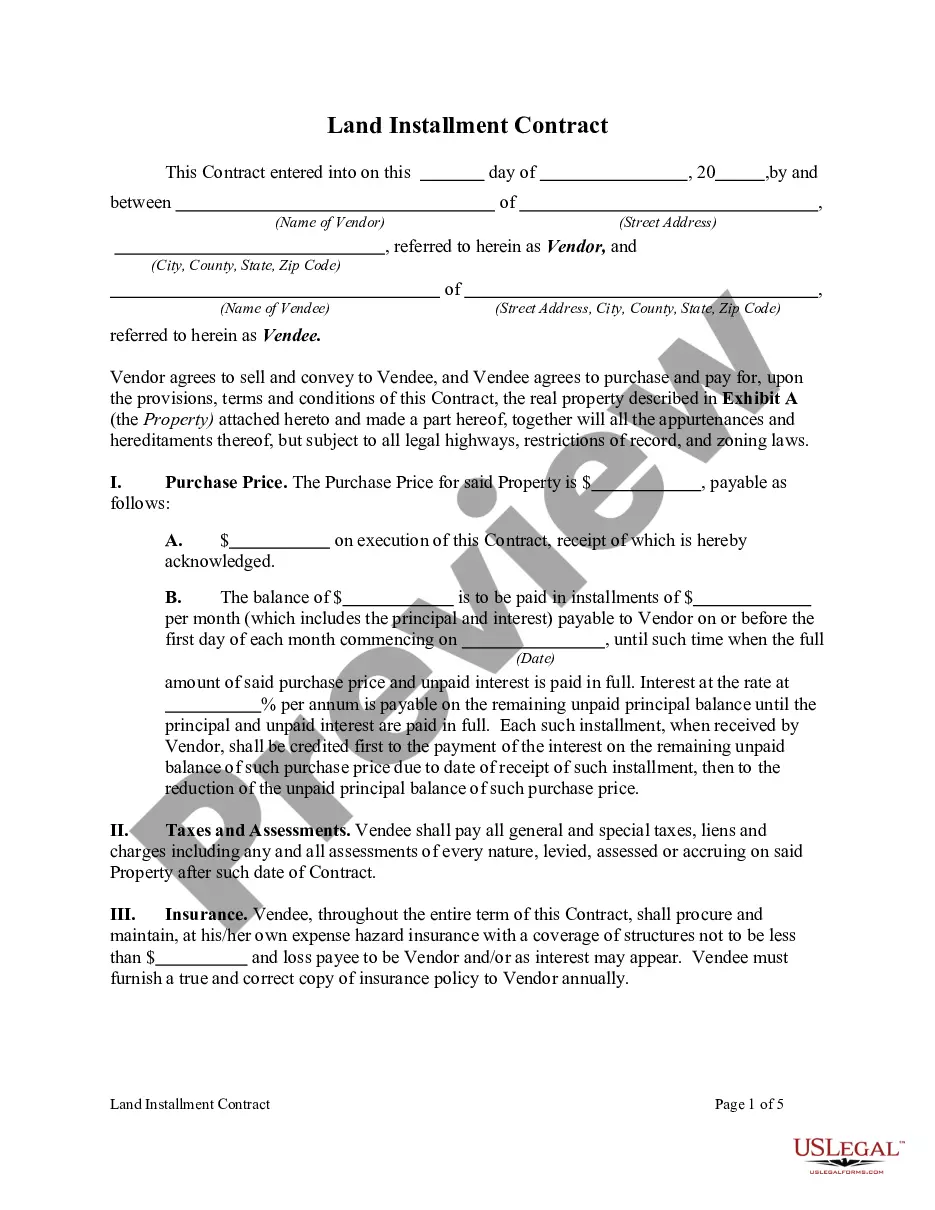
Get your form ready online
Our built-in tools help you complete, sign, share, and store your documents in one place.
Make edits, fill in missing information, and update formatting in US Legal Forms—just like you would in MS Word.
Download a copy, print it, send it by email, or mail it via USPS—whatever works best for your next step.
Sign and collect signatures with our SignNow integration. Send to multiple recipients, set reminders, and more. Go Premium to unlock E-Sign.
If this form requires notarization, complete it online through a secure video call—no need to meet a notary in person or wait for an appointment.
We protect your documents and personal data by following strict security and privacy standards.

Make edits, fill in missing information, and update formatting in US Legal Forms—just like you would in MS Word.

Download a copy, print it, send it by email, or mail it via USPS—whatever works best for your next step.

Sign and collect signatures with our SignNow integration. Send to multiple recipients, set reminders, and more. Go Premium to unlock E-Sign.

If this form requires notarization, complete it online through a secure video call—no need to meet a notary in person or wait for an appointment.

We protect your documents and personal data by following strict security and privacy standards.
Looking for another form?




Form popularity
FAQ
It is a legal framework for the agreement between the parties, which is both certain and enforceable. However, to be legally binding, a contract must include four key elements: an offer, acceptance, consideration, and an intention to create legal relations.
In Illinois, the elements necessary for a valid contract are: • An offer. An acceptance. Consideration. Ascertainable Material terms.
Handwritten contracts are legally binding if they meet the necessary conditions that apply to all contracts: mutual agreement, capacity, consideration, and legal validity. There are no legal differences between typed and handwritten agreements when it comes to enforceability.
Does a Lease Need to Be Notarized in Illinois? No, Illinois lease laws do not require that an Illinois Rental Agreement be notarized. The Lease just needs to be signed by both the Landlord, the lessor, and the Tenant, the lessee.
Write the contract in six steps Start with a contract template. Open with the basic information. Describe in detail what you have agreed to. Include a description of how the contract will be ended. Write into the contract which laws apply and how disputes will be resolved. Include space for signatures.
Contracts are made up of three basic parts – an offer, an acceptance and consideration. The offer and acceptance are what the purpose of the agreement is between the parties. A public relations firm offers to provide its services to a potential client.
There must be an offer and an acceptance. There must be consideration. The parties to the contract must be competent. Its purpose must be legal.
The main difference between a retail sale and a lease is that a retail sale involves the transfer of ownership of a product or property, while a lease is more like a rental agreement where the ownership remains with the landlord or owner.
A retail lease is a legal document outlining the terms under which one party agrees to rent property from another party. A lease guarantees the lessee (the renter) use of an asset and guarantees the lessor (the property owner) regular payments from the lessee for a specified number of months or years.