Installment Loan Contract With Consumer Proposal In Fairfax
Description

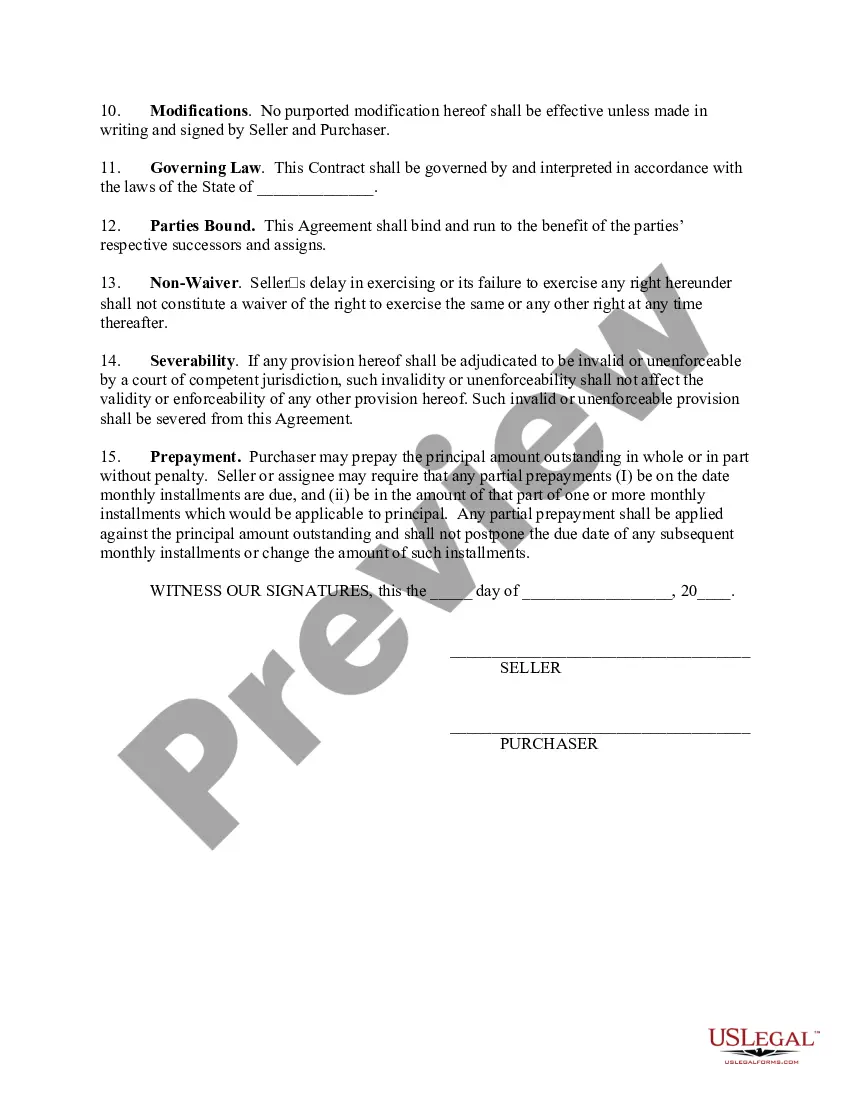
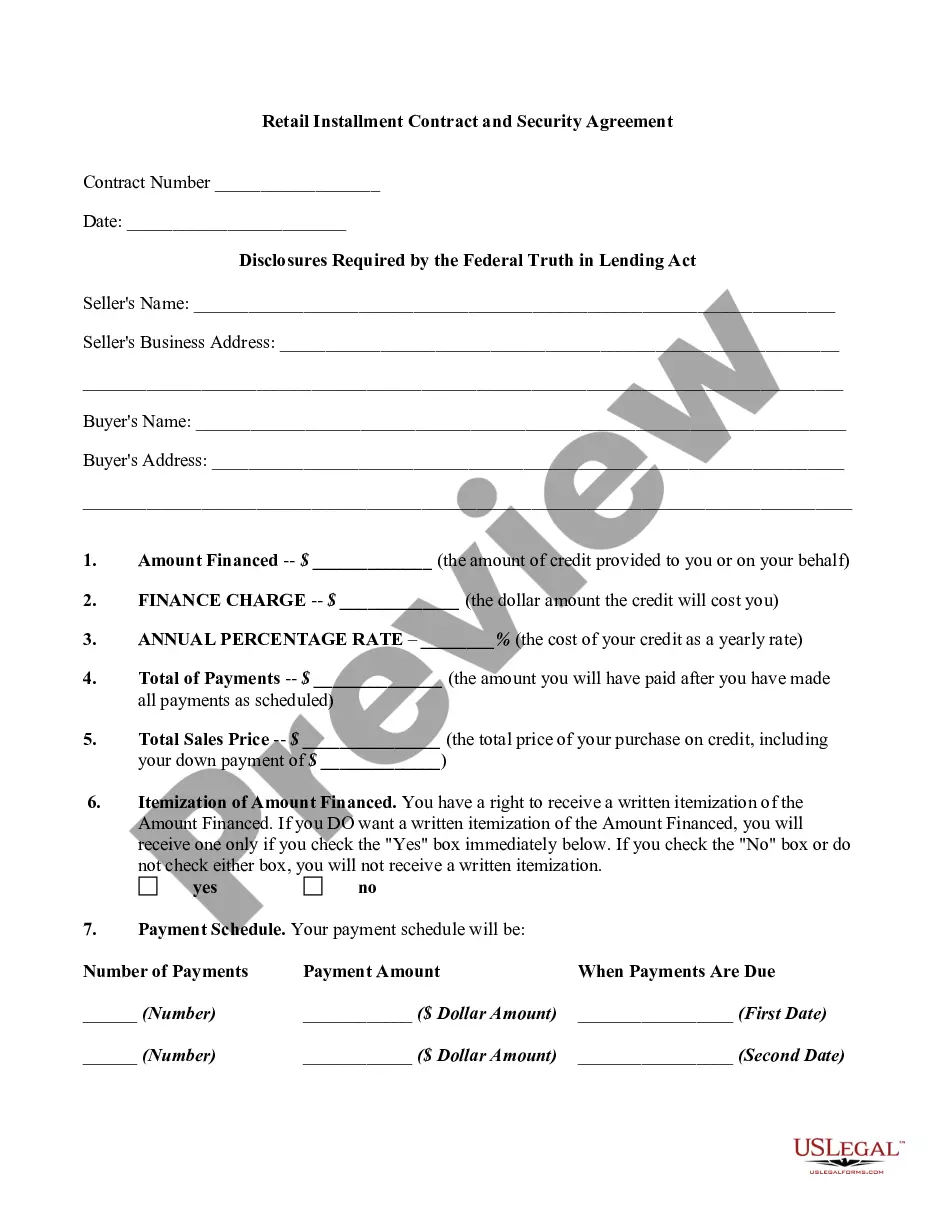
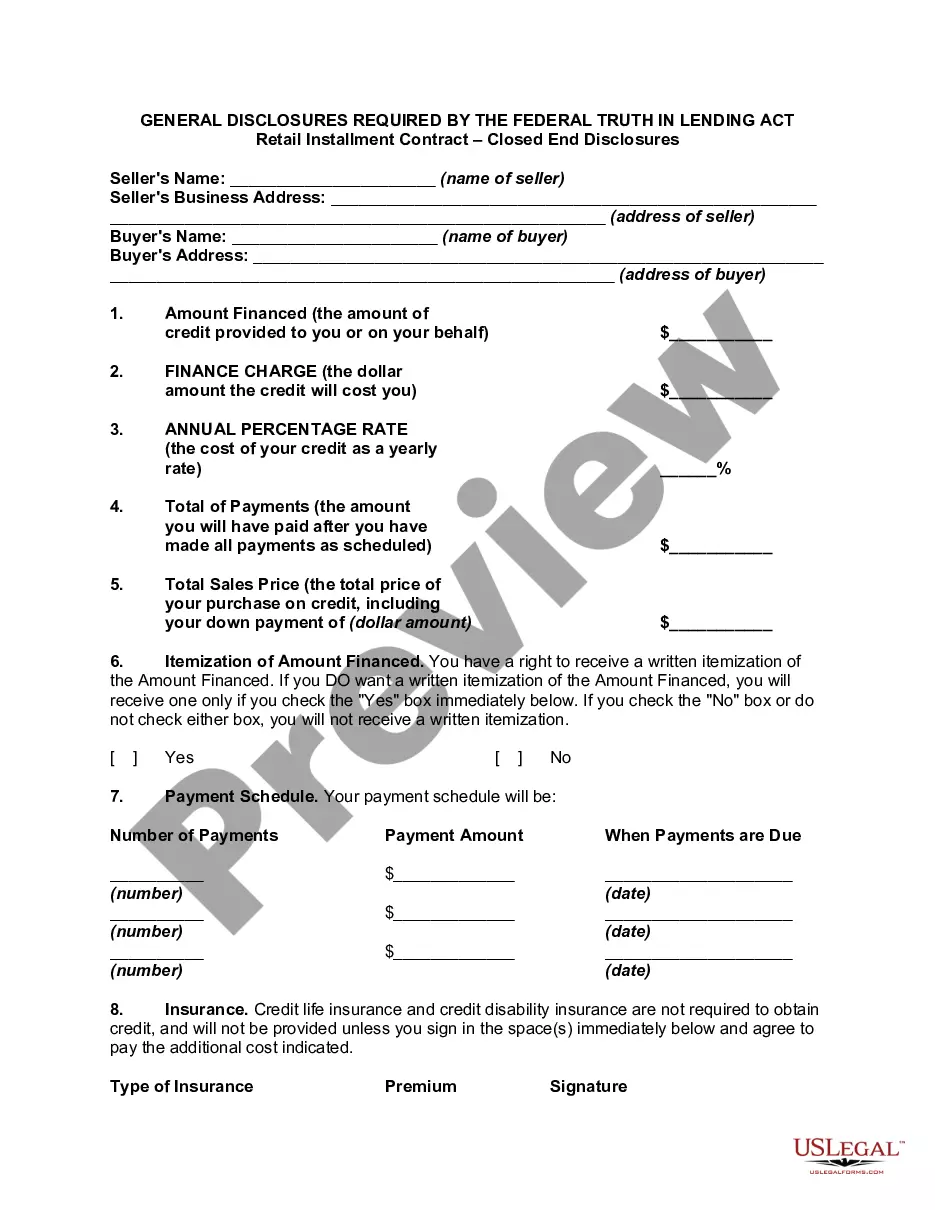
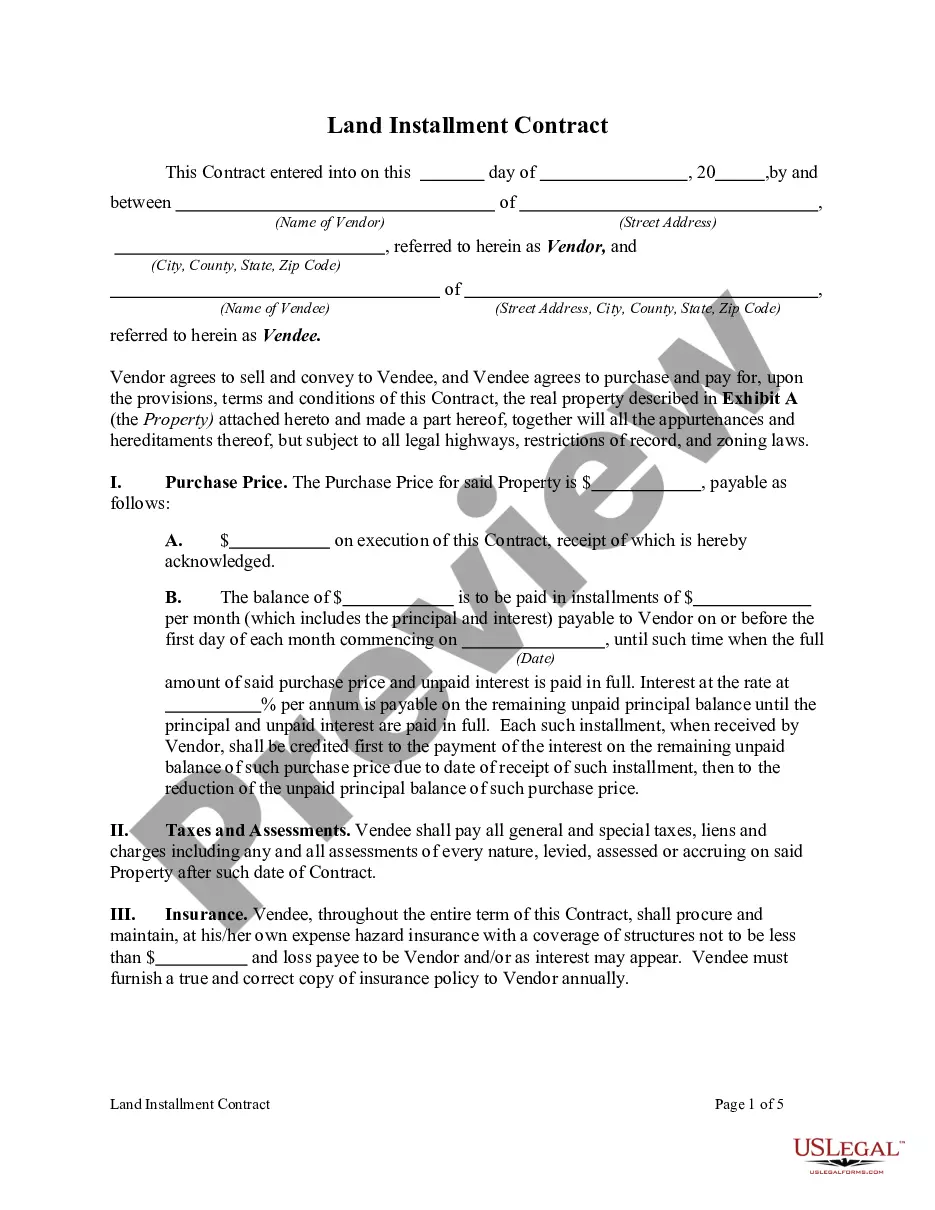
Get your form ready online
Our built-in tools help you complete, sign, share, and store your documents in one place.
Make edits, fill in missing information, and update formatting in US Legal Forms—just like you would in MS Word.
Download a copy, print it, send it by email, or mail it via USPS—whatever works best for your next step.
Sign and collect signatures with our SignNow integration. Send to multiple recipients, set reminders, and more. Go Premium to unlock E-Sign.
If this form requires notarization, complete it online through a secure video call—no need to meet a notary in person or wait for an appointment.
We protect your documents and personal data by following strict security and privacy standards.

Make edits, fill in missing information, and update formatting in US Legal Forms—just like you would in MS Word.

Download a copy, print it, send it by email, or mail it via USPS—whatever works best for your next step.

Sign and collect signatures with our SignNow integration. Send to multiple recipients, set reminders, and more. Go Premium to unlock E-Sign.

If this form requires notarization, complete it online through a secure video call—no need to meet a notary in person or wait for an appointment.

We protect your documents and personal data by following strict security and privacy standards.
Looking for another form?










Form popularity
FAQ
The total amount of debt owing, excluding the mortgage on your principal residence, must be less than $250,000 in order to qualify for a consumer proposal.
Secured Debts: Secured debts are backed by collateral, such as a home or car. Examples include mortgages and car loans. These debts typically are not included in a Consumer Proposal, which means you can keep the collateral asset as long as you continue to make the payments.
A consumer proposal can only be filed for non-mortgage debt up to $250,000. Bankruptcy has no limit to the amount of debt that can be included, only a minimum of $1000.
Key takeaways A good debt-to-income ratio is less than or equal to 36%. Any debt-to-income ratio above 43% is considered to be too much debt.
The maximum that you can owe as a single person and still qualify for a consumer proposal is $250,000. Married couples who file their income taxes jointly, however, can owe up to $500,000. You can get specific guidelines for each province and territory with these consumer proposal guides linked below.
When a proposal passes, it forces all general unsecured creditors(with minor exceptions)to settle their claims against the debtor for the amount offered in the proposal. Consumer proposals get accepted in our office “eventually” at a rate of 99% or better.
Most rejections occur because the proposal terms don't align with creditor expectations. Here are the main reasons creditors may reject a consumer proposal: Payment offer is too low relative to bankruptcy – Creditors expect to receive more than they would if you were to file bankruptcy.
Consumer proposal pros and cons ProsCons The stay of proceedings granted by filing a proposal protects you from collection acts, such as lawsuits and wage garnishment. Paying off debt with a consumer proposal will negatively affect your credit.7 more rows
Consumer proposals get accepted in our office “eventually” at a rate of 99% or better.
