Common Terms Agreement Vs Facility Agreement In Broward
Description

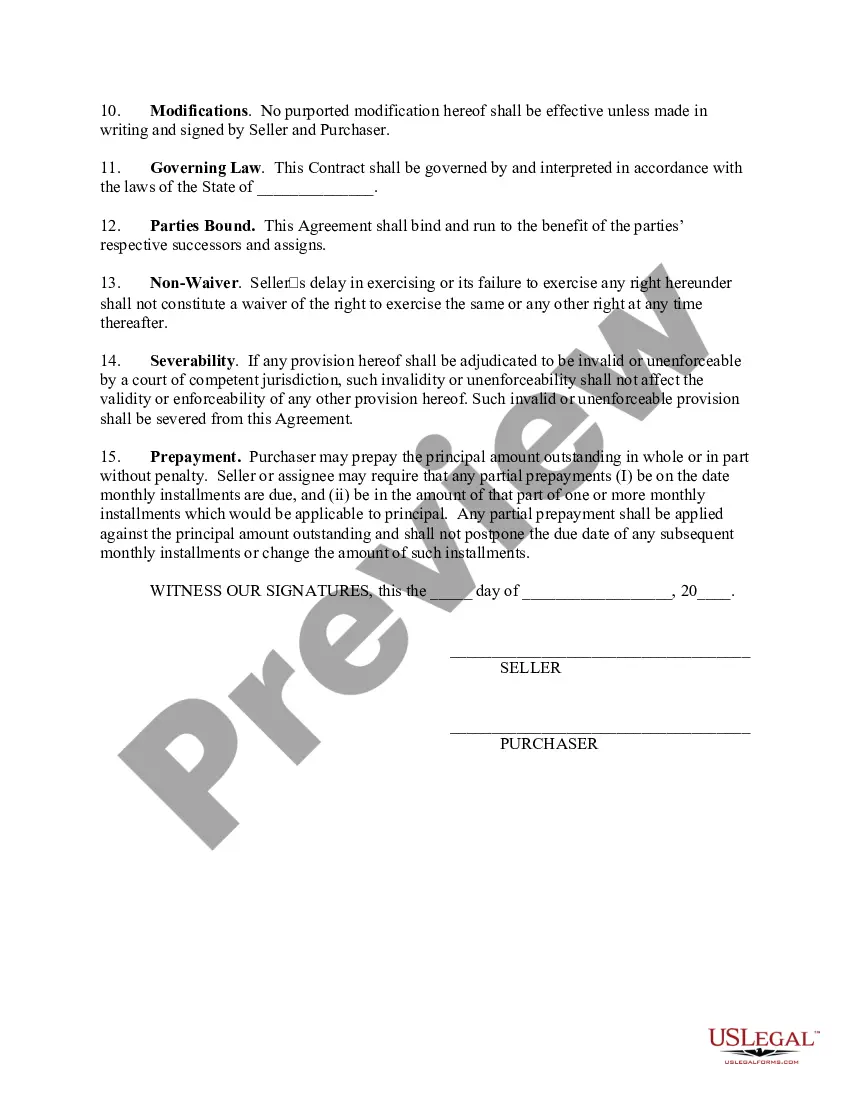
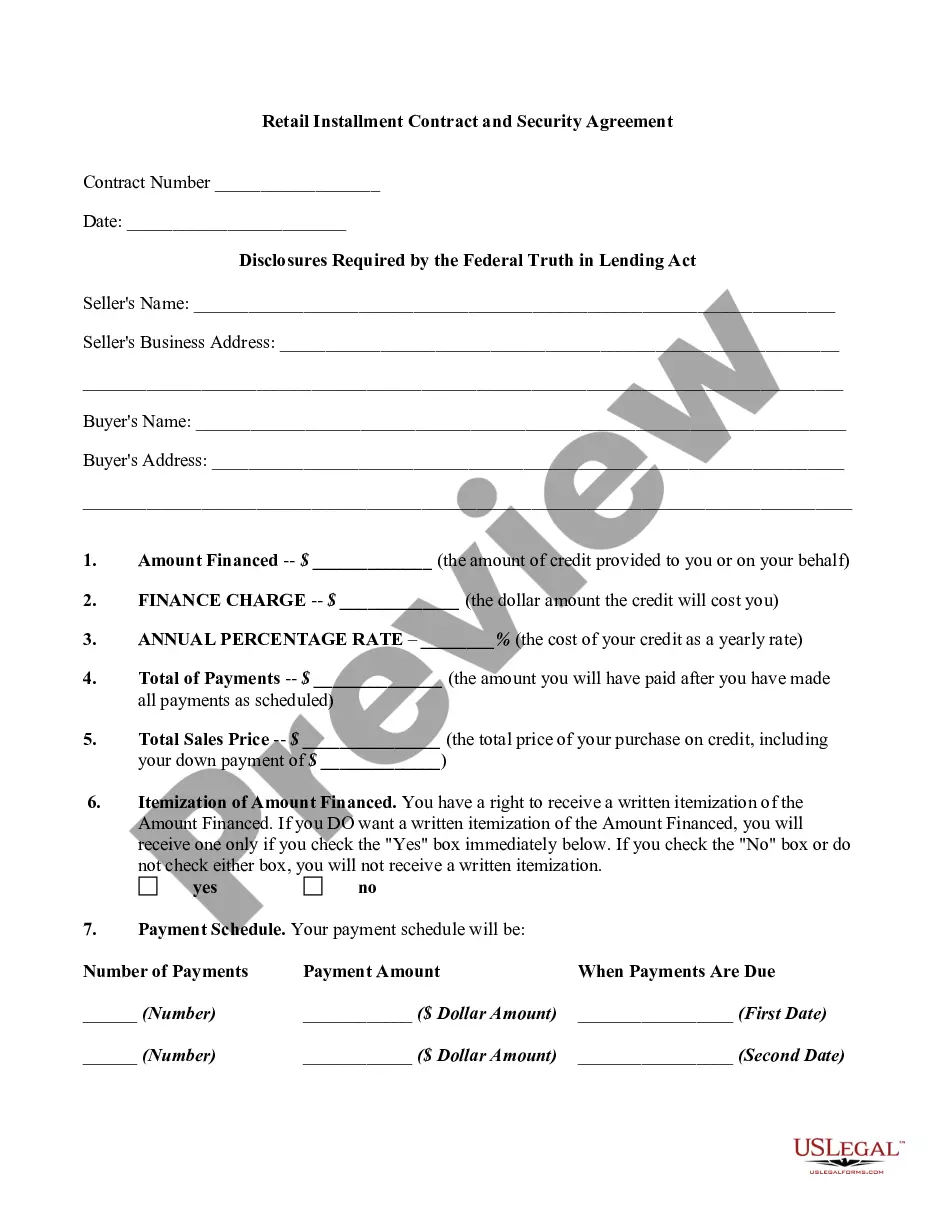
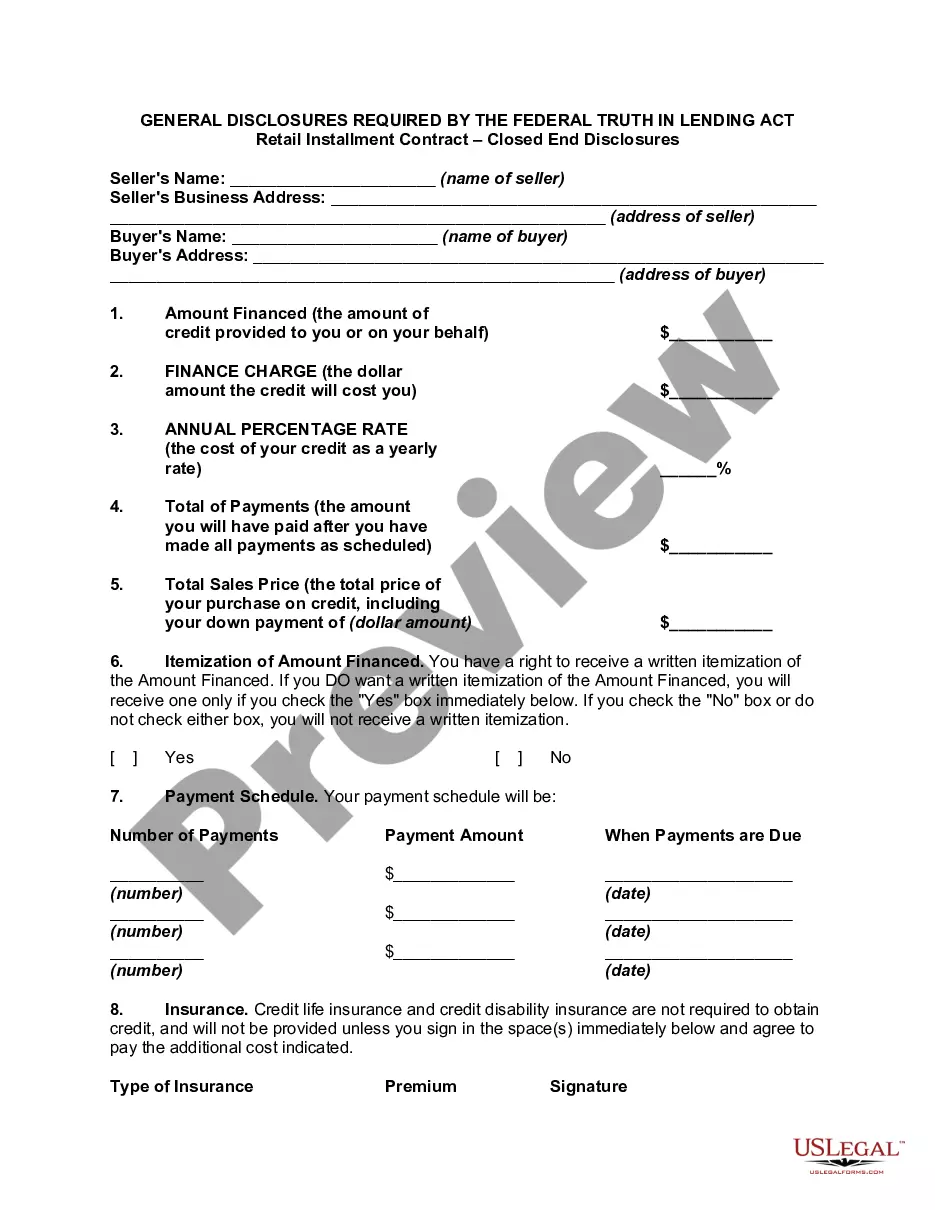
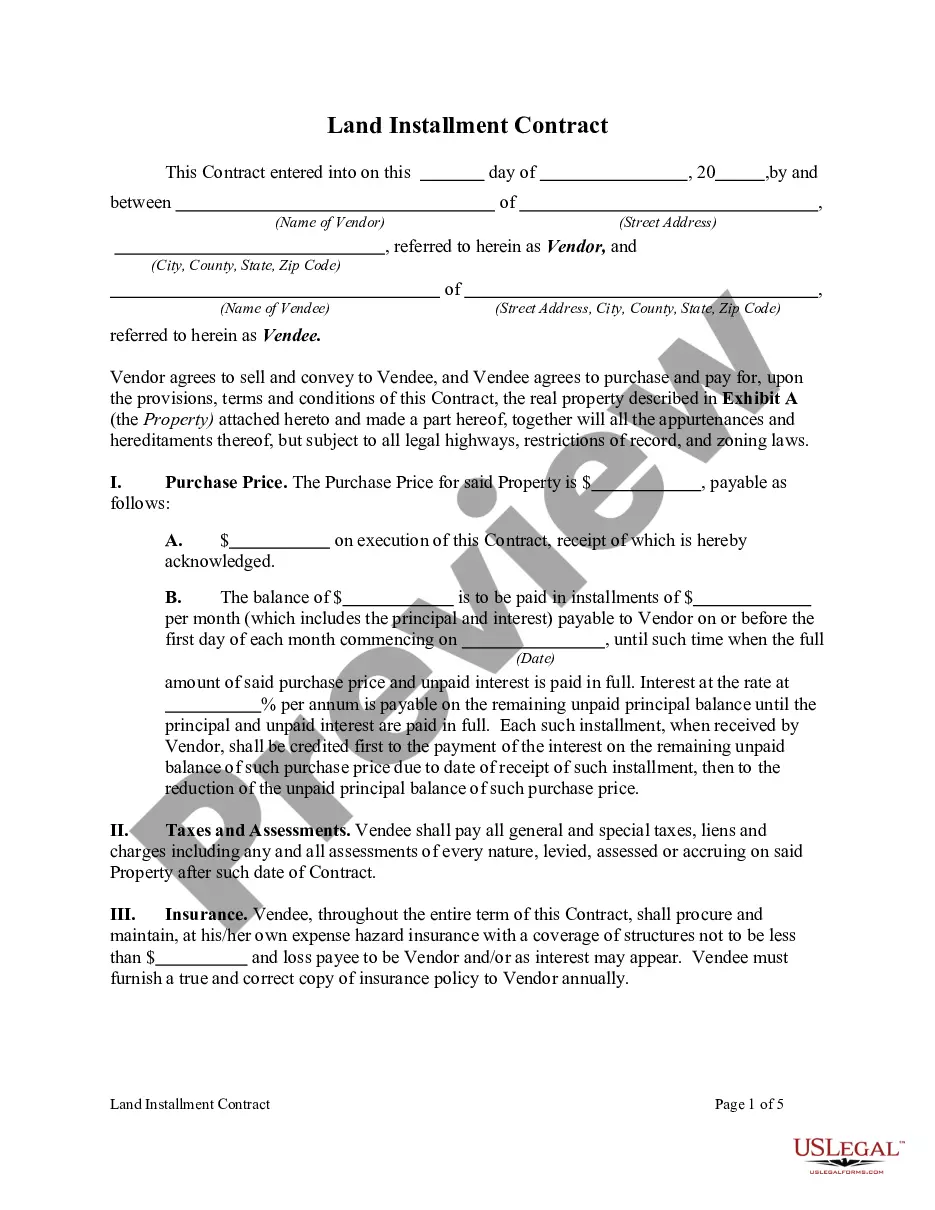
Get your form ready online
Our built-in tools help you complete, sign, share, and store your documents in one place.
Make edits, fill in missing information, and update formatting in US Legal Forms—just like you would in MS Word.
Download a copy, print it, send it by email, or mail it via USPS—whatever works best for your next step.
Sign and collect signatures with our SignNow integration. Send to multiple recipients, set reminders, and more. Go Premium to unlock E-Sign.
If this form requires notarization, complete it online through a secure video call—no need to meet a notary in person or wait for an appointment.
We protect your documents and personal data by following strict security and privacy standards.

Make edits, fill in missing information, and update formatting in US Legal Forms—just like you would in MS Word.

Download a copy, print it, send it by email, or mail it via USPS—whatever works best for your next step.

Sign and collect signatures with our SignNow integration. Send to multiple recipients, set reminders, and more. Go Premium to unlock E-Sign.

If this form requires notarization, complete it online through a secure video call—no need to meet a notary in person or wait for an appointment.

We protect your documents and personal data by following strict security and privacy standards.
Looking for another form?







Form popularity
FAQ
Common Terms Agreements clarify and simplify the multi-sourcing of project loans and ensure that the parties have a common understanding of key definitions and critical events.
Write the contract in six steps Start with a contract template. Open with the basic information. Describe in detail what you have agreed to. Include a description of how the contract will be ended. Write into the contract which laws apply and how disputes will be resolved. Include space for signatures.
Bilateral contracts are similar to unilateral contracts, but both parties agree to perform something for each other. The parties that enter into a bilateral contract have what are called “reciprocal obligations,” which are obligations owed by one party to another and vice versa.
An agreement between two or more parties, generally speaking, is a contract.
A law contract is a legally binding agreement between two or more parties with the capacity to agree. For a contract to be valid, it must meet four key essentials: offer, acceptance, consideration, and the intent to create legal relations.
Common Terms Agreement The CTA is an agreement among the financing parties and the borrower which sets out the terms that are common to all tranches of debt including definitions, conditions precedent, covenants, events of defaults and various miscellaneous provisions.
A contract is a legally enforceable agreement between two or more parties that creates an obligation to do (or not do) a particular thing. The parties must intend to create a legally enforceable agreement, but they need not intend to create – or even understand – that they are entering into a “contract.”
A contract is a legally enforceable agreement between two or more parties to assume certain obligations in order to achieve a specific goal or purpose. A well-written contract can be an effective planning tool to the extent that it clearly and precisely defines the roles and responsibilities of each party.
For there to be a contract, there must first be an offer by one party and an acceptance by the other. An offer is a key element because without it, there can be no contract. It is a promise by one party to enter into a bargain contingent on the performance of another party.
Essential Elements of Contracts To make a legally binding contract, 5 elements must be satisfied: offer, acceptance, consideration, intention and capacity: Offer: One party makes an offer. Acceptance: The other party accepts the offer. Consideration: Each party provides consideration to the other.