Employment Law For Business 9th Edition In Washington
Description
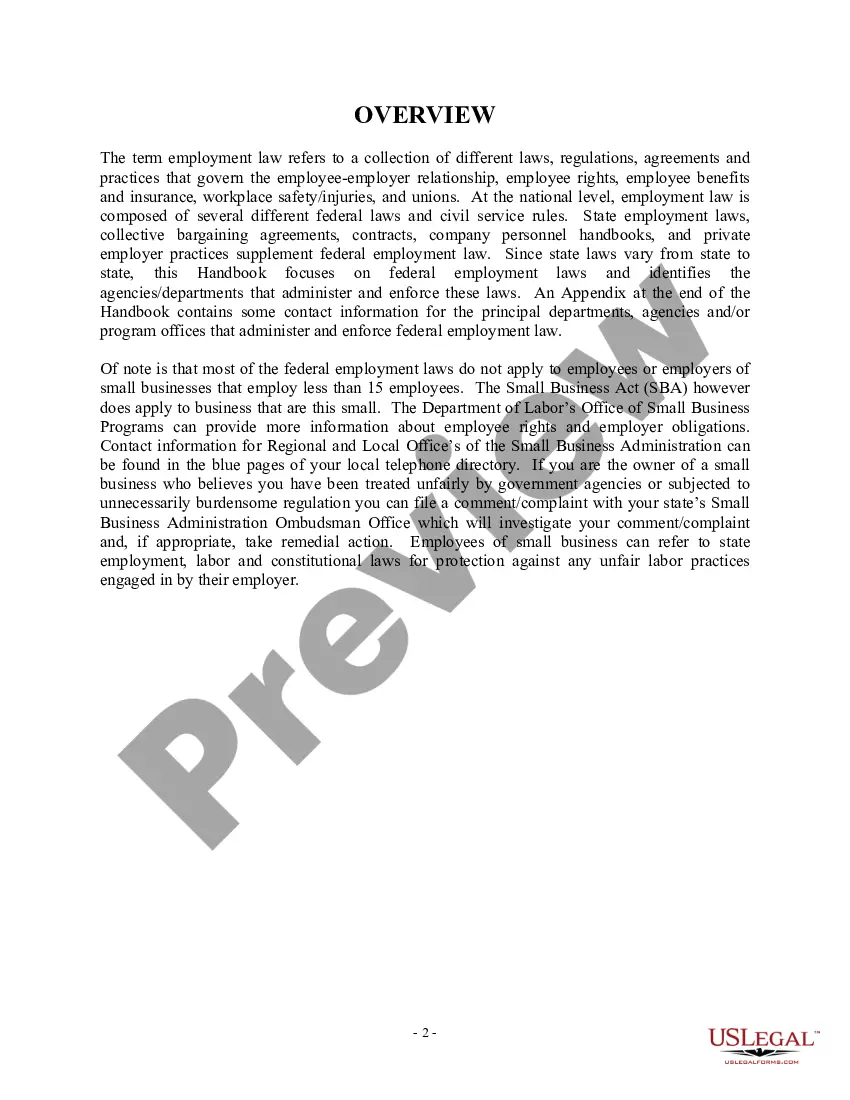
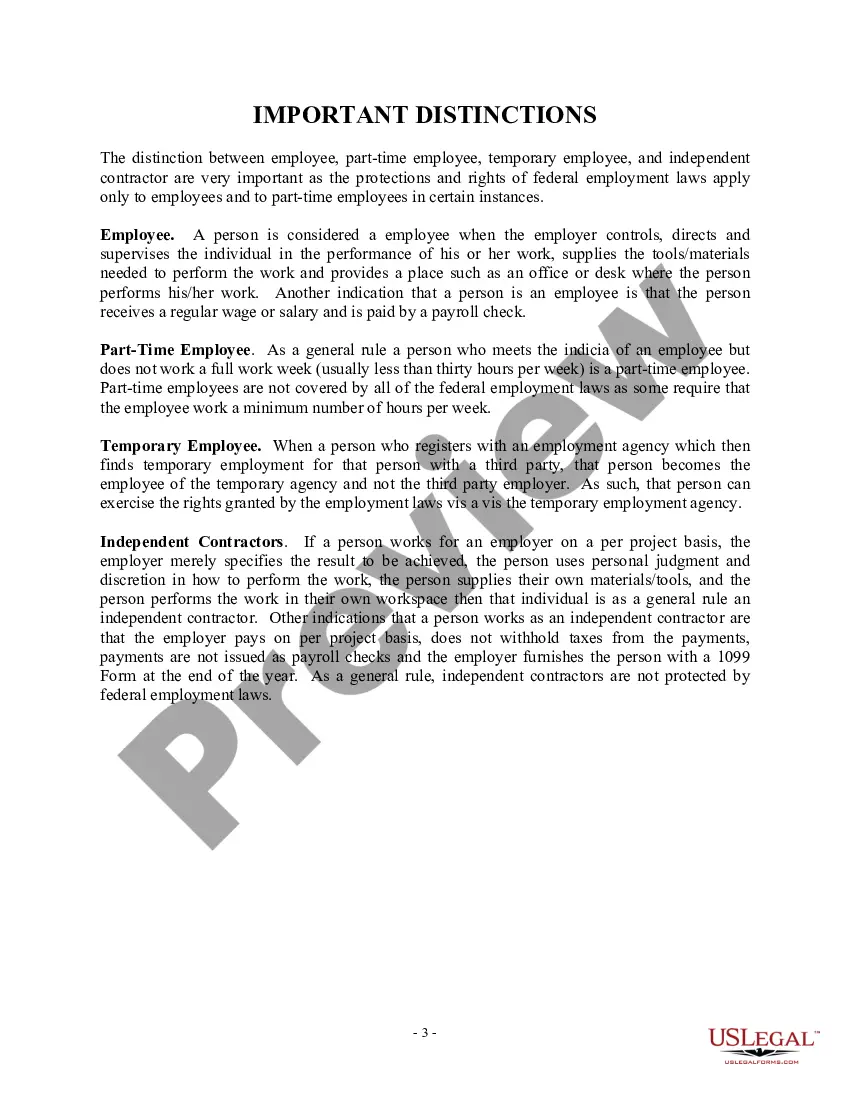
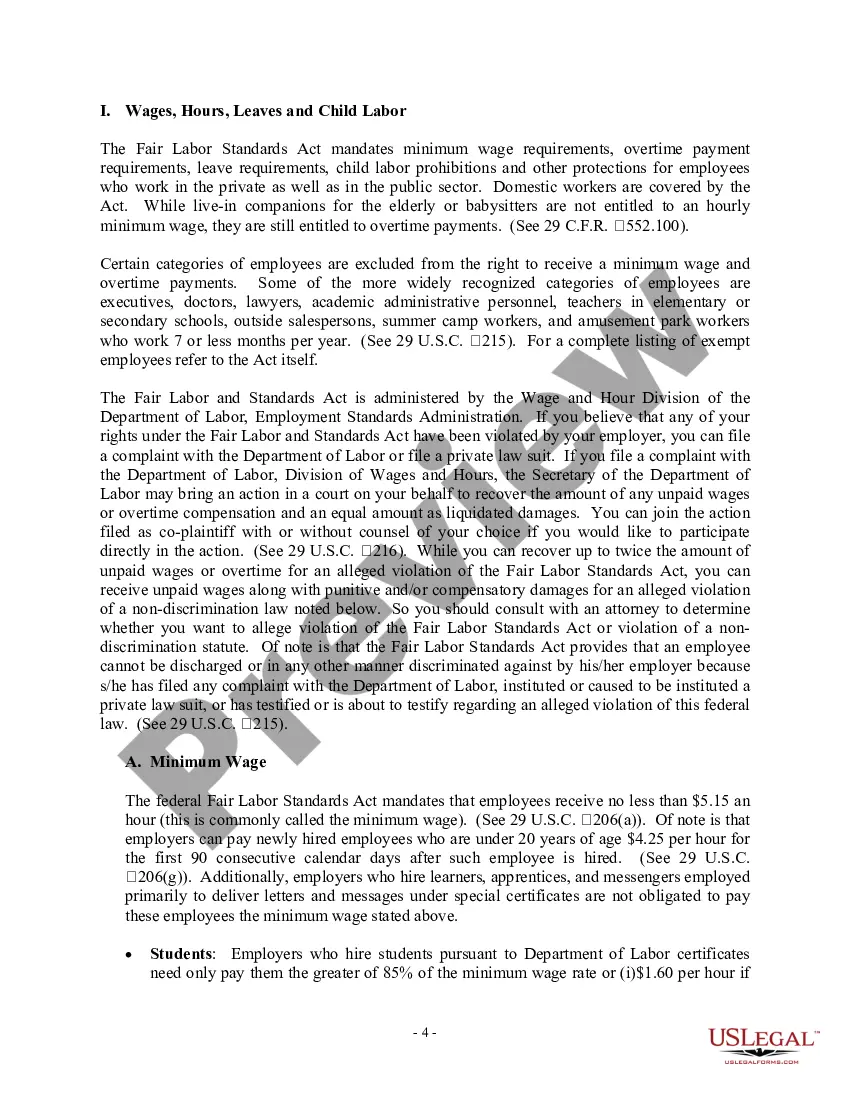
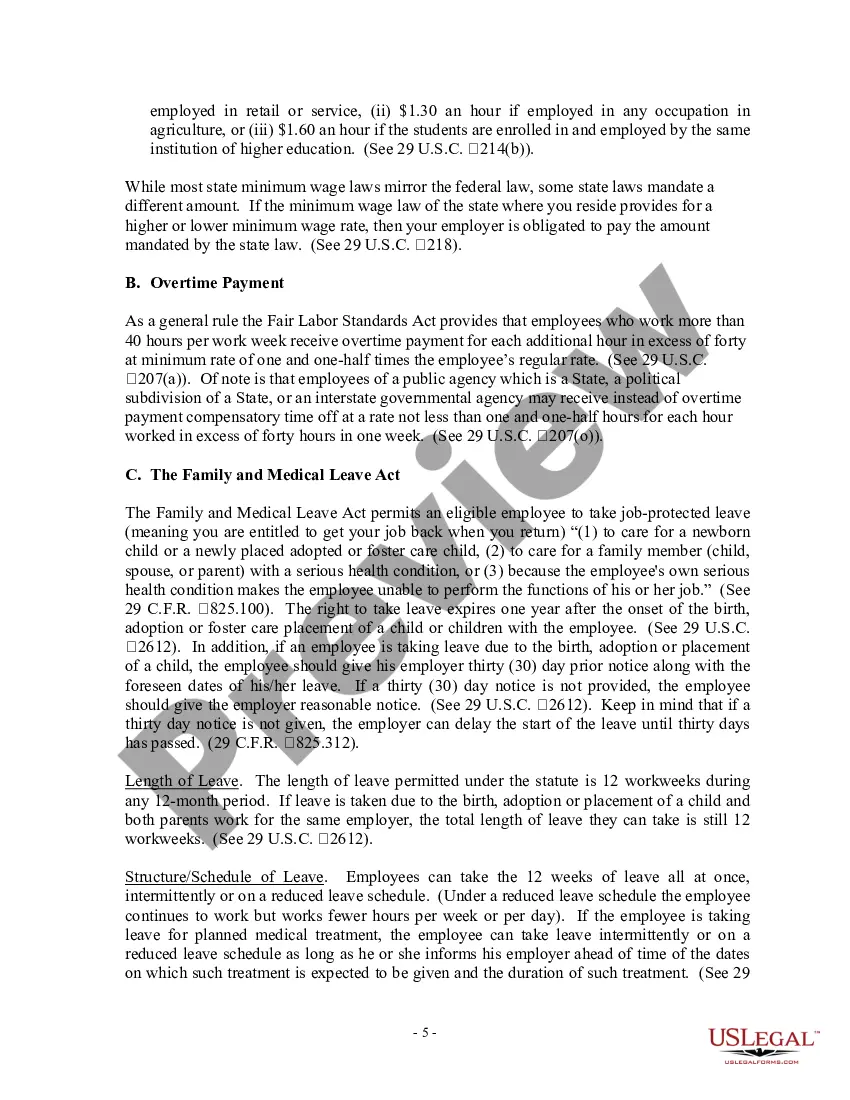

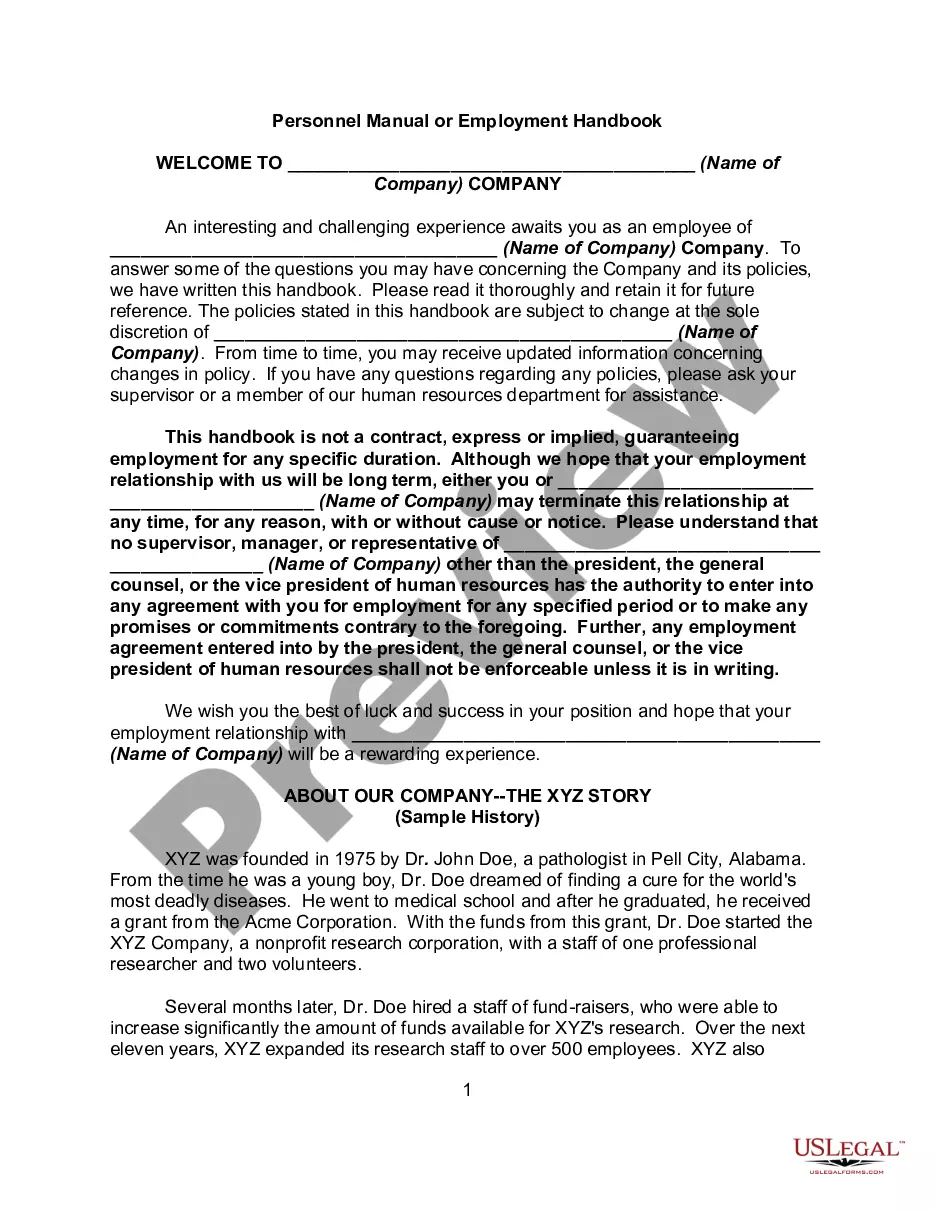
Get your form ready online
Our built-in tools help you complete, sign, share, and store your documents in one place.
Make edits, fill in missing information, and update formatting in US Legal Forms—just like you would in MS Word.
Download a copy, print it, send it by email, or mail it via USPS—whatever works best for your next step.
Sign and collect signatures with our SignNow integration. Send to multiple recipients, set reminders, and more. Go Premium to unlock E-Sign.
If this form requires notarization, complete it online through a secure video call—no need to meet a notary in person or wait for an appointment.
We protect your documents and personal data by following strict security and privacy standards.

Make edits, fill in missing information, and update formatting in US Legal Forms—just like you would in MS Word.

Download a copy, print it, send it by email, or mail it via USPS—whatever works best for your next step.

Sign and collect signatures with our SignNow integration. Send to multiple recipients, set reminders, and more. Go Premium to unlock E-Sign.

If this form requires notarization, complete it online through a secure video call—no need to meet a notary in person or wait for an appointment.

We protect your documents and personal data by following strict security and privacy standards.
Looking for another form?
Form popularity
FAQ
If you are an at-will employee, an employer can usually terminate you any time, for any or no reason. An employer does not have to give you advance notice of termination. There are 3 exceptions to this: If you and your employer changed your rights by entering into an agreement.
Is a Letter of Termination Required? For the most part, the Federal Labor Standards Act (FLSA) doesn't require organizations to provide letters of termination. The exceptions are when employees are part of a union, a collective bargaining agreement, or certain mass layoffs or corporate closures.
Some states, including Arizona, California, Illinois and New Jersey, require employers to provide termination letters. In some cases, the content must follow a specific template. Some states may even provide a form that employers must complete and present to the terminated employee.
Beginning June 6, 2024, a new Washington law prohibits employers from requiring employees to attend meetings which have the primary purpose of communicating the employer's opinion on “religious” or “political” matters.
California is an at-will employment state, which means that either the employer or the employee can terminate the employment relationship at any time, with or without cause, and with or without prior notice. This flexibility allows employers to make personnel changes as needed for the business's best interests.
An employer does not have to give you advance notice of termination. There are 3 exceptions to this: If you and your employer changed your rights by entering into an agreement. (See sections on Individual Employment Agreements, Implied Employment Contracts, and Collective Bargaining Agreements, below.)
It is against the law for a business to fire or retaliate against you for exercising a protected right. You can file a complaint for issues relating to wages, rest breaks and meal periods, child labor, uniforms, and retaliation and termination without fear of repercussions.
Legal Requirements for Hiring an Employee in Washington State Step 1: Master Business License. In Washington, the first step in hiring an employee is to properly report your intention to do so on your master business license application. Step 2: I-9 Form. Step 3: W-4 Form. Step 4: Report Hire to DSHS. Step 5: Taxes.
The state minimum wage for 2024 is $16.28 an hour. With the state salary thresholds for exempt employees now a multiplier of the state minimum wage, one of the thresholds multipliers will rise on Jan. 1, 2024.
Business lawyers deal with a wide range of areas, including the formation, dissolution, and regulation of corporations; mergers and acquisitions; securities law; taxation; bankruptcy proceedings; contracts; intellectual property rights; employment law; antitrust laws; and corporate governance.