Labor Law For Employment Termination In Texas
Description
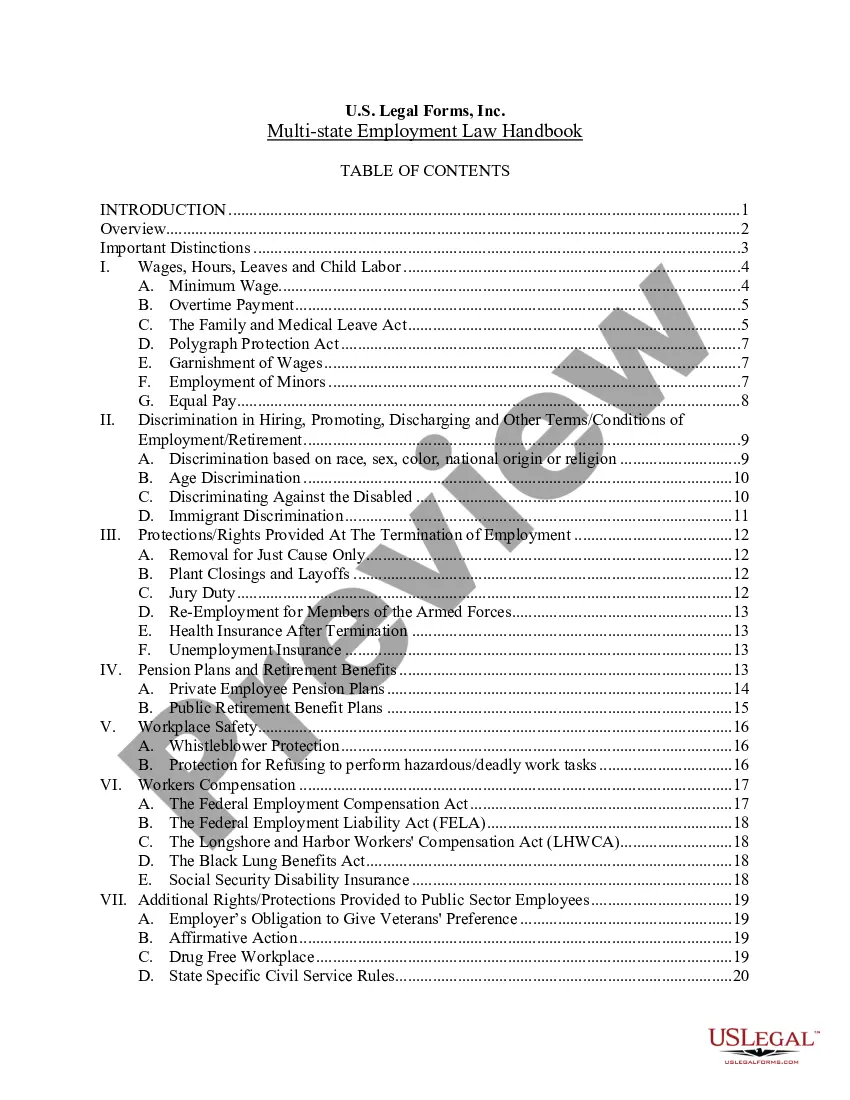
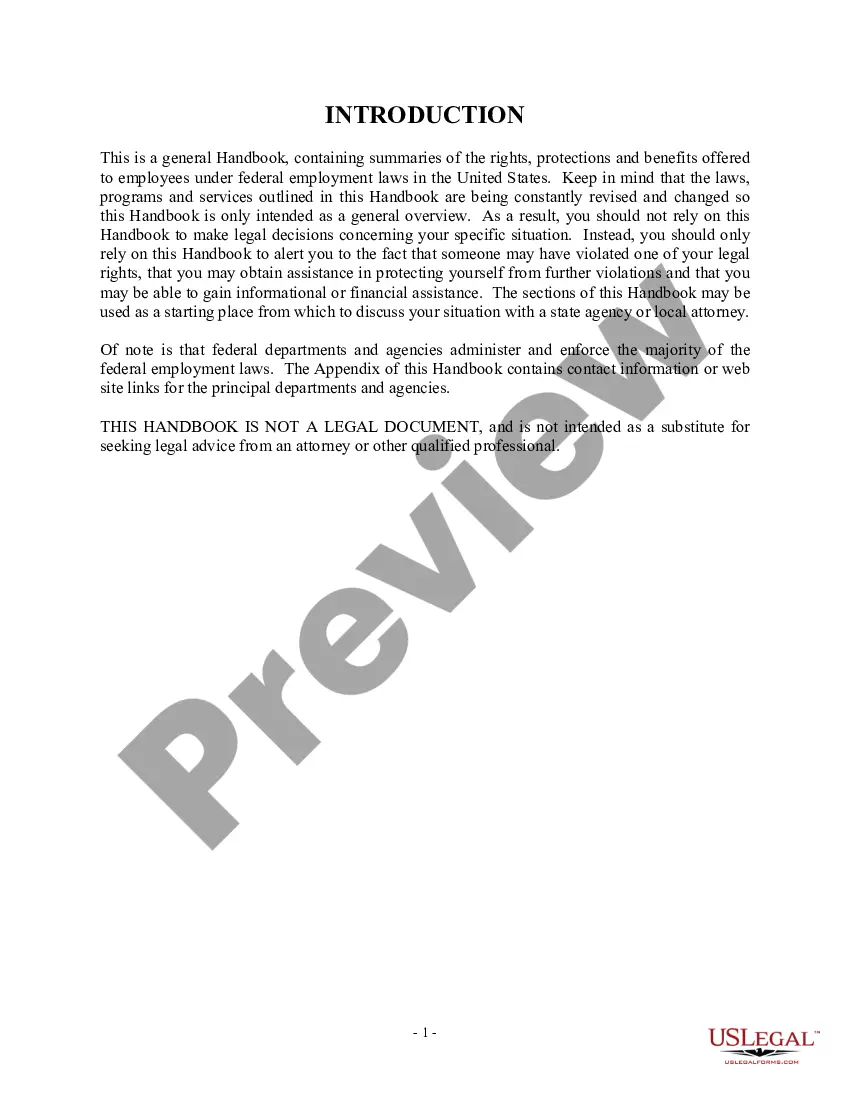
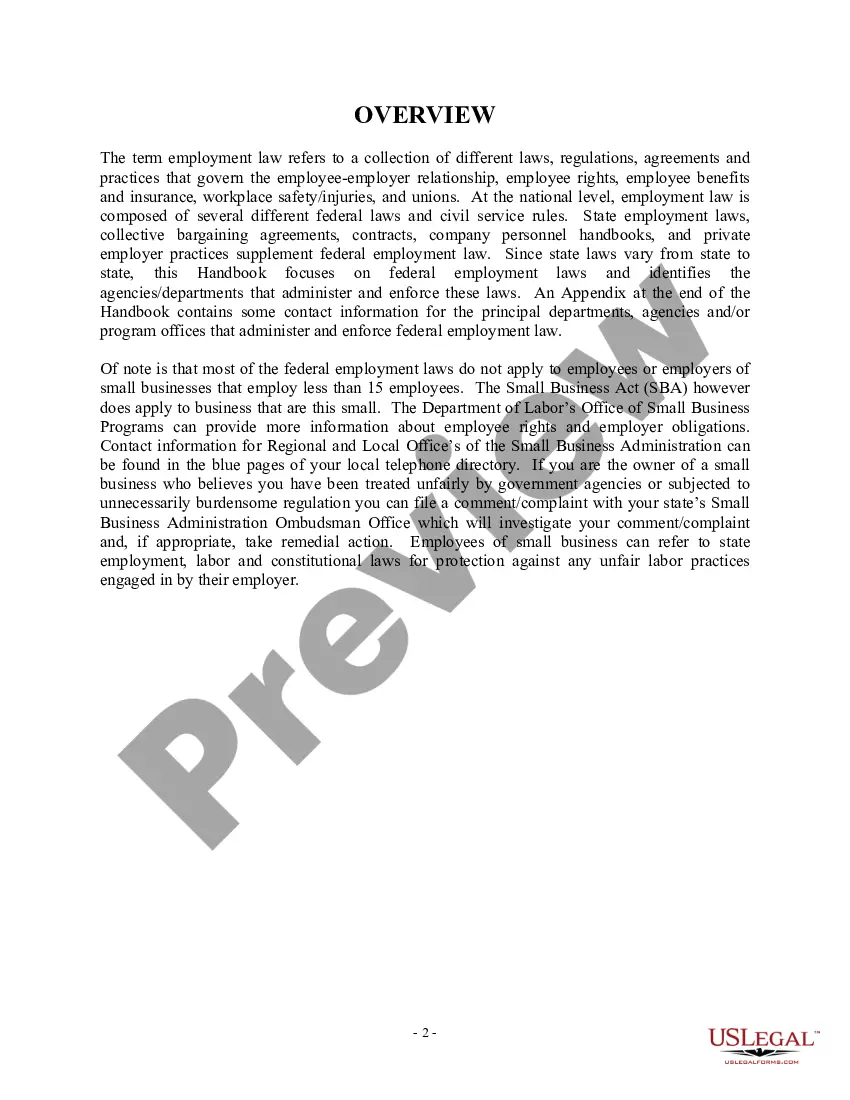
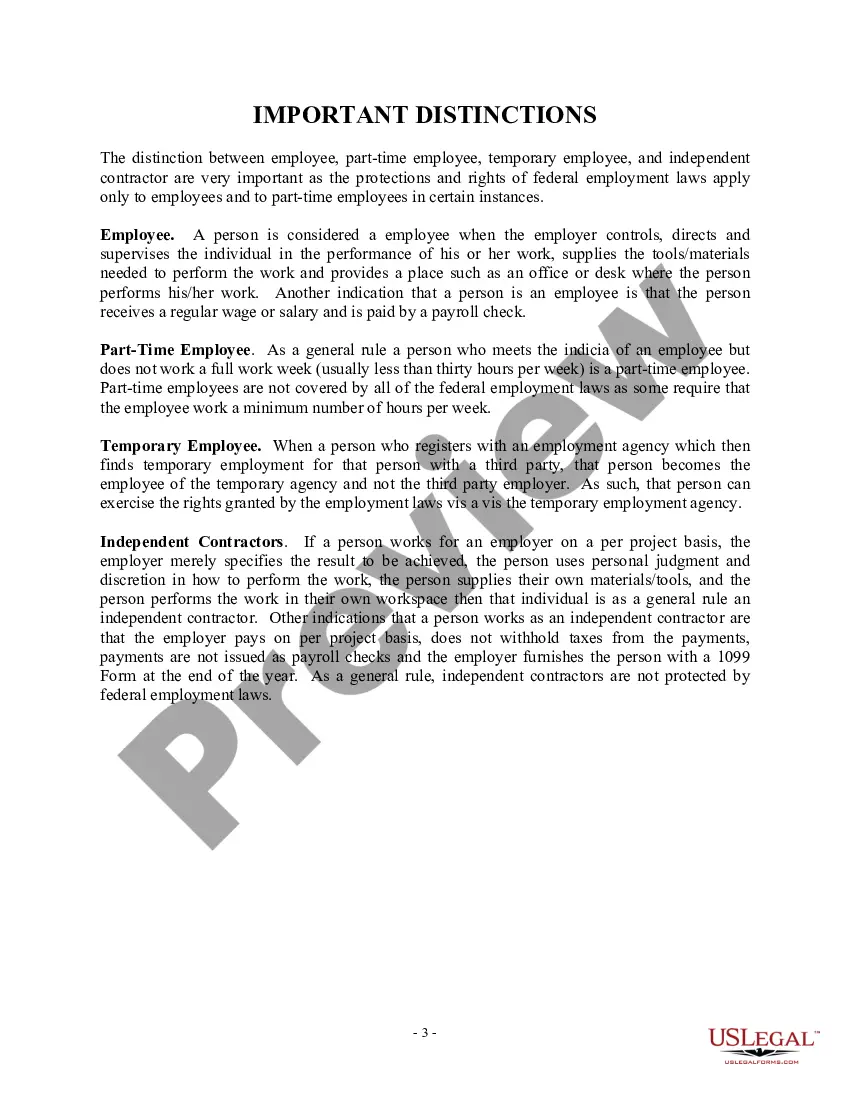
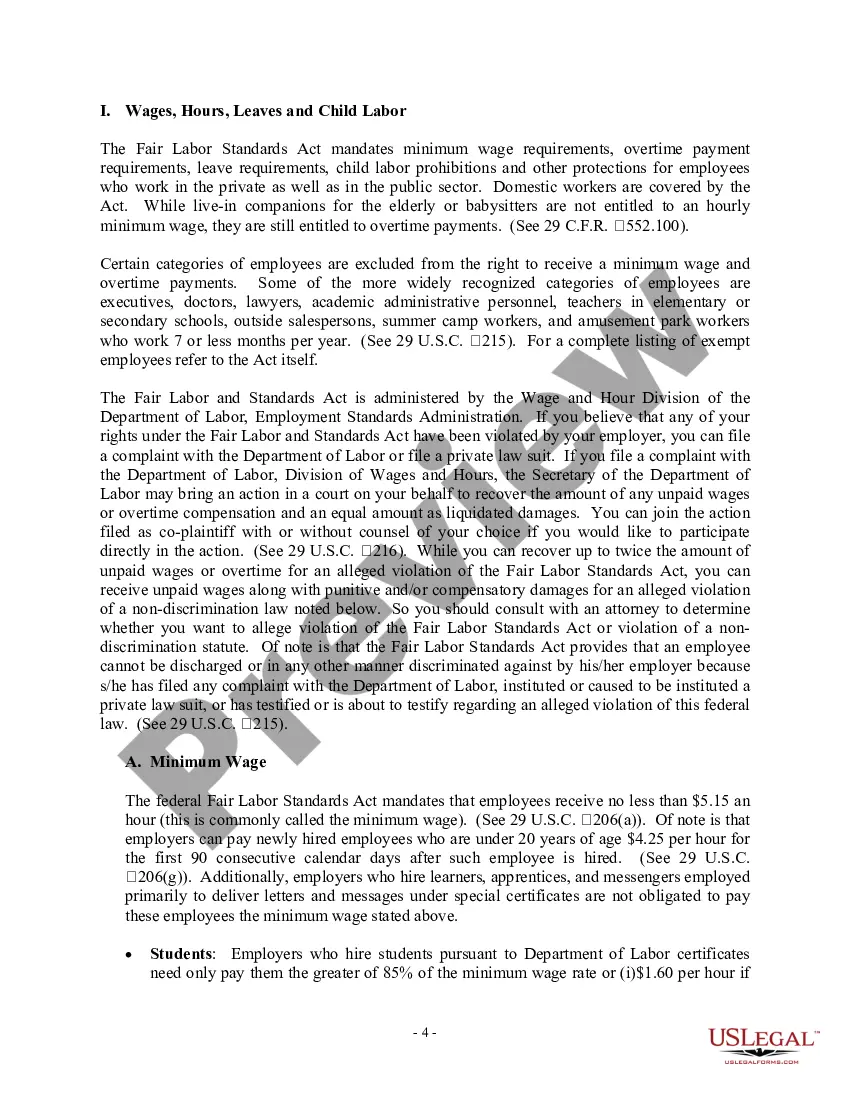
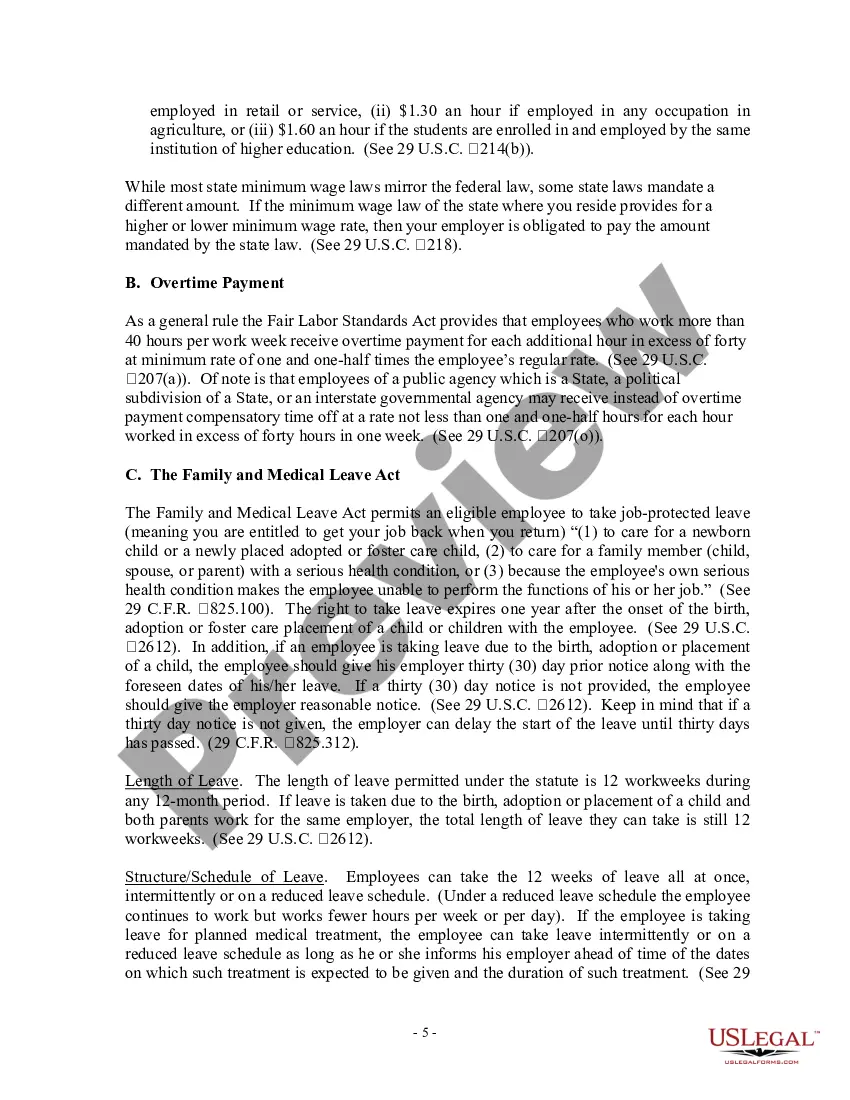

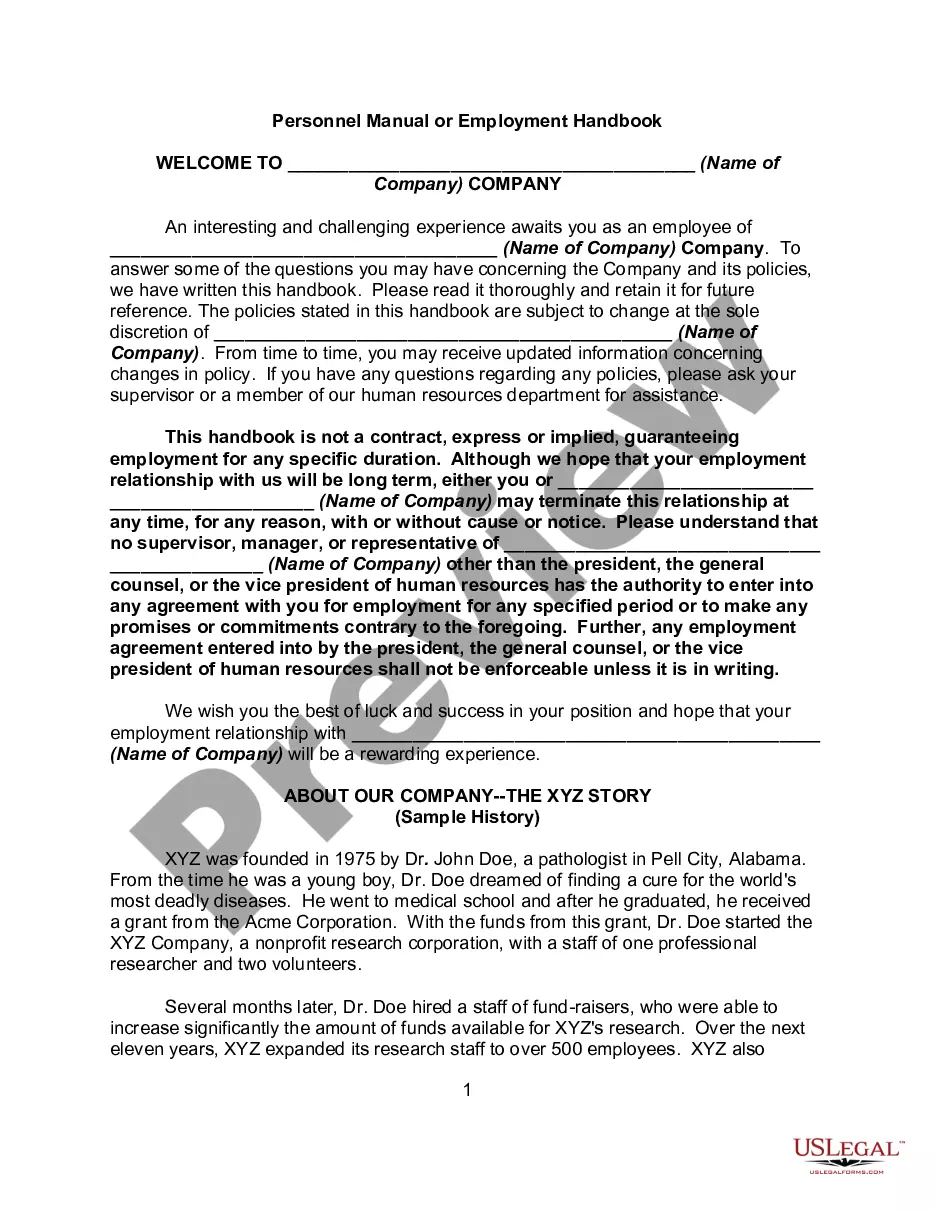
Get your form ready online
Our built-in tools help you complete, sign, share, and store your documents in one place.
Make edits, fill in missing information, and update formatting in US Legal Forms—just like you would in MS Word.
Download a copy, print it, send it by email, or mail it via USPS—whatever works best for your next step.
Sign and collect signatures with our SignNow integration. Send to multiple recipients, set reminders, and more. Go Premium to unlock E-Sign.
If this form requires notarization, complete it online through a secure video call—no need to meet a notary in person or wait for an appointment.
We protect your documents and personal data by following strict security and privacy standards.

Make edits, fill in missing information, and update formatting in US Legal Forms—just like you would in MS Word.

Download a copy, print it, send it by email, or mail it via USPS—whatever works best for your next step.

Sign and collect signatures with our SignNow integration. Send to multiple recipients, set reminders, and more. Go Premium to unlock E-Sign.

If this form requires notarization, complete it online through a secure video call—no need to meet a notary in person or wait for an appointment.

We protect your documents and personal data by following strict security and privacy standards.
Looking for another form?
Form popularity
FAQ
Under California's employment law, proving a wrongful termination claim depends on whether the termination was unlawful because it: breached the employment contract, breached the implied covenant of good faith and fair dealing, or. violated a public policy.
Even when employees do have a potentially valid claim and file a lawsuit, the odds of winning are low. A study by Martindale-Nolo Research found that about 43% of readers with wrongful termination claims received some compensation, either through a settlement or court judgment.
Most employers know that Texas is an “employment at-will” state, meaning that—unless there is an employment agreement guaranteeing employment for a specific amount of time—employees can be terminated for any lawful reason.
Texas is an at-will state, meaning your employer can fire you for a good reason, bad reason or simply no reason at all. However, there are circumstances where termination may be illegal, and you can sue your employer for damages.
There are many illegal reasons to fire someone, as defined under a multitude of federal and state laws. Wrongful termination cases in Texas can nevertheless be complicated and difficult to prove, with many factors being used to determine whether an employee will win compensation.
You can also file a complaint with the Department of Labor The DOL Wage & Hour Division can provide you with information as to what sorts of claims or complaints they accept and how their process works. They can be contacted at 866-487-9243. They also have a webpage with information that might be helpful.
Can you get fired without a written warning in Texas? Yes, in Texas, employers have the discretion to terminate employees without a written warning.
To report employers hiring undocumented immigrants, please call the U.S. Immigration and Customs Enforcement (ICE) at 1-866-DHS-2-ICE to report suspicious activity.
“Texas Workforce Commission is responsible for administering and enforcing the laws relating to employment in Texas including but not limited to: child labor laws under Chapter 51, Texas Labor Code, payment of wages under Chapter 61 and minimum wage under Chapter 62, Texas Labor Code.