Employment Law For Hr In Riverside
Description
















Get your form ready online
Our built-in tools help you complete, sign, share, and store your documents in one place.
Make edits, fill in missing information, and update formatting in US Legal Forms—just like you would in MS Word.
Download a copy, print it, send it by email, or mail it via USPS—whatever works best for your next step.
Sign and collect signatures with our SignNow integration. Send to multiple recipients, set reminders, and more. Go Premium to unlock E-Sign.
If this form requires notarization, complete it online through a secure video call—no need to meet a notary in person or wait for an appointment.
We protect your documents and personal data by following strict security and privacy standards.

Make edits, fill in missing information, and update formatting in US Legal Forms—just like you would in MS Word.

Download a copy, print it, send it by email, or mail it via USPS—whatever works best for your next step.

Sign and collect signatures with our SignNow integration. Send to multiple recipients, set reminders, and more. Go Premium to unlock E-Sign.

If this form requires notarization, complete it online through a secure video call—no need to meet a notary in person or wait for an appointment.

We protect your documents and personal data by following strict security and privacy standards.
Looking for another form?
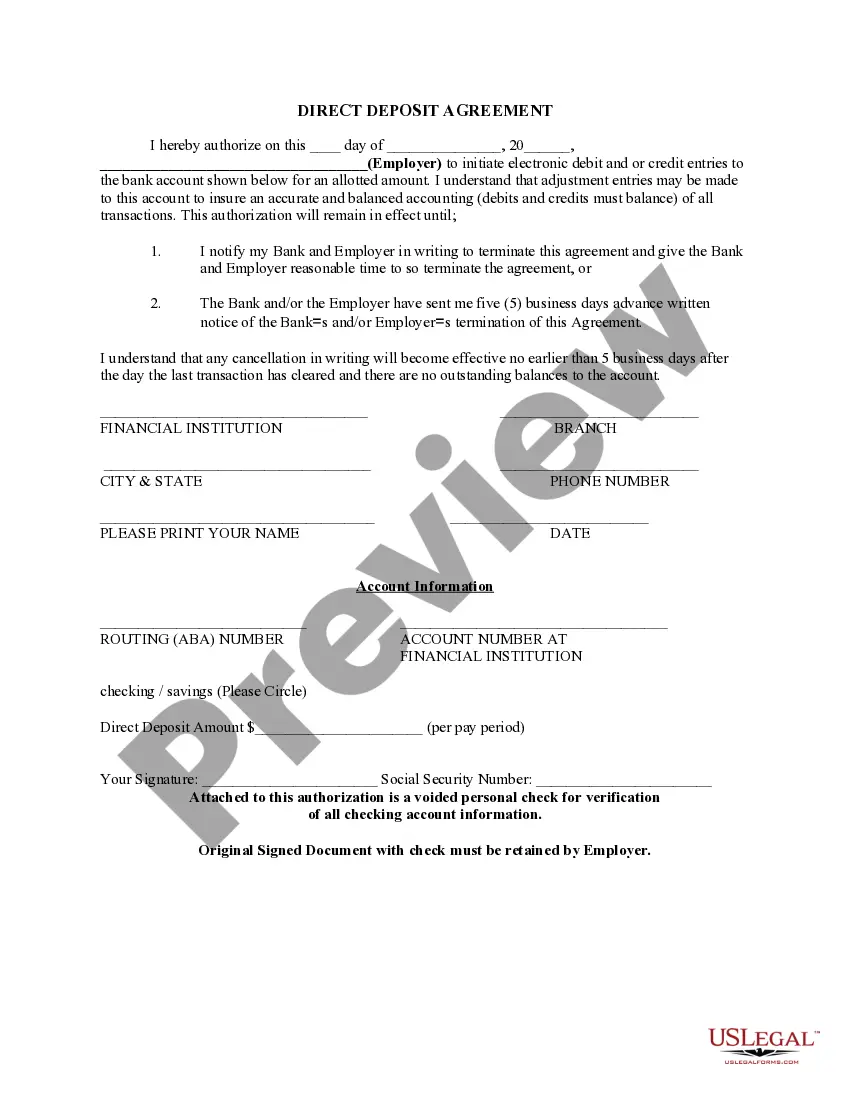

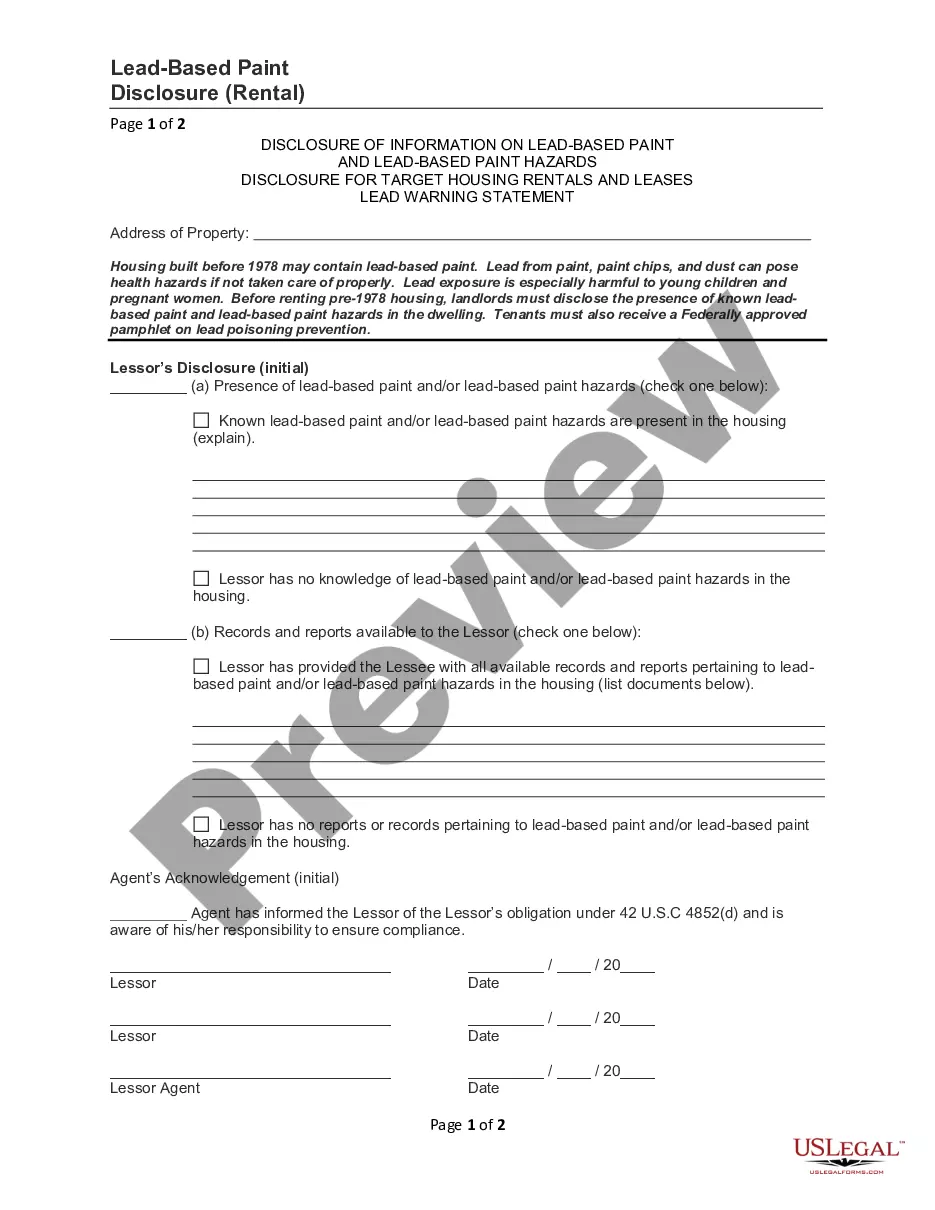






Form popularity
FAQ
There are many major labor laws in the United States. The Fair Labor Standards Act, Occupational Safety and Health Act, Family and Medical Leave Act, and part of the Civil Rights act are all important standards of labor law.
The law says you are protected when you: Speak up about wages that are owed to you • Report an injury or a health and safety hazard • File a claim or complaint with a state agency • Join together with other workers to ask for changes.
Labor law topics include union membership, union dues, and collective bargaining agreements. Employment law covers a broader set of employment issues beyond labor union relations and collective bargaining. Employment law topics include hours, wages, overtime, hiring practices, workplace discrimination, and retaliation.
Employment law governs every detail of the relationship between employee and employer. It is designed to protect employees and their employers through regulations that guarantee workplace safety, protect against child labor, ensure a fair and equitable hiring process, and address family and medical leave.
HR compliance means adhering to all applicable labor laws. The larger your organization and the more geographic regions you operate in, the more regulations you must comply with.
Employment law regulates the relationship between employers and employees. Labor law regulates the additional dimension that arises when employees select (or consider selecting) a labor union to represent them in their dealings with their employer.
Several federal statutes provide for individual liability, either expressly or by court interpretation, for HR professionals involved in employment decisions and processes. State statutes may also provide for individual liability, and state statutory liability is sometimes greater than federal liability.
Employment law governs every detail of the relationship between employee and employer. It is designed to protect employees and their employers through regulations that guarantee workplace safety, protect against child labor, ensure a fair and equitable hiring process, and address family and medical leave.
Human resources laws refer to state and federal laws in the United States that govern human resource management and employment issues. Compensation, recruitment, development, and placement are all considered aspects of human resource management.
Below, we'll go over some simple do's and don'ts when it comes to reporting discrimination or unlawful harassment to HR. DO report discrimination in writing. DO explicitly use the words “discrimination” or “unlawful harassment.” ... DO be concise in your written complaint. DO keep record of your communications with HR.
