Labor Laws California For Salary Employees In North Carolina
Description
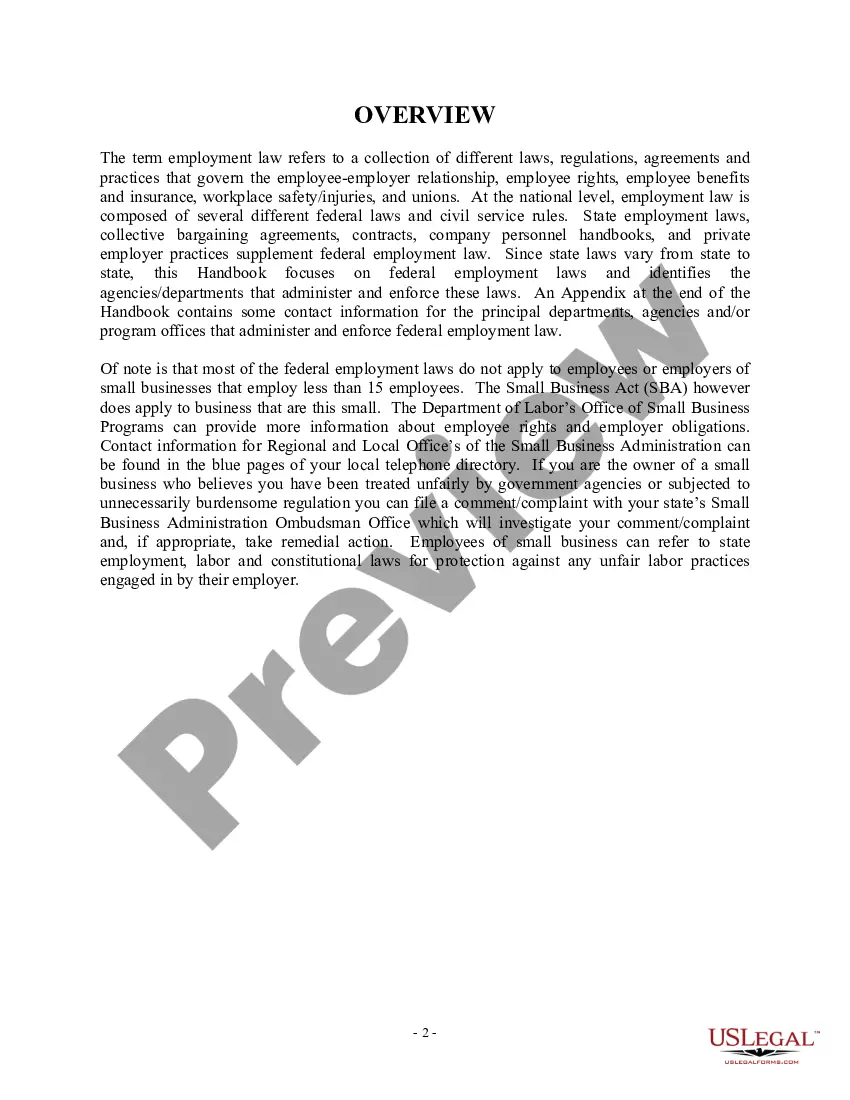
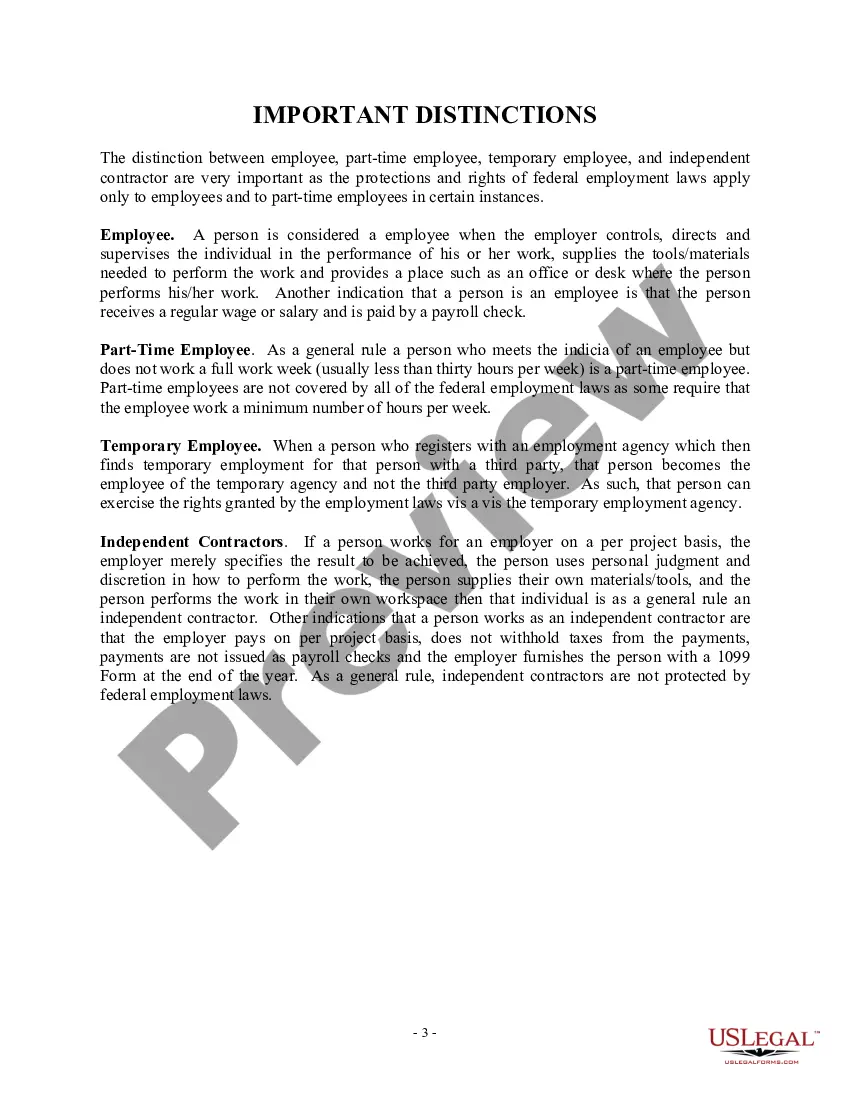
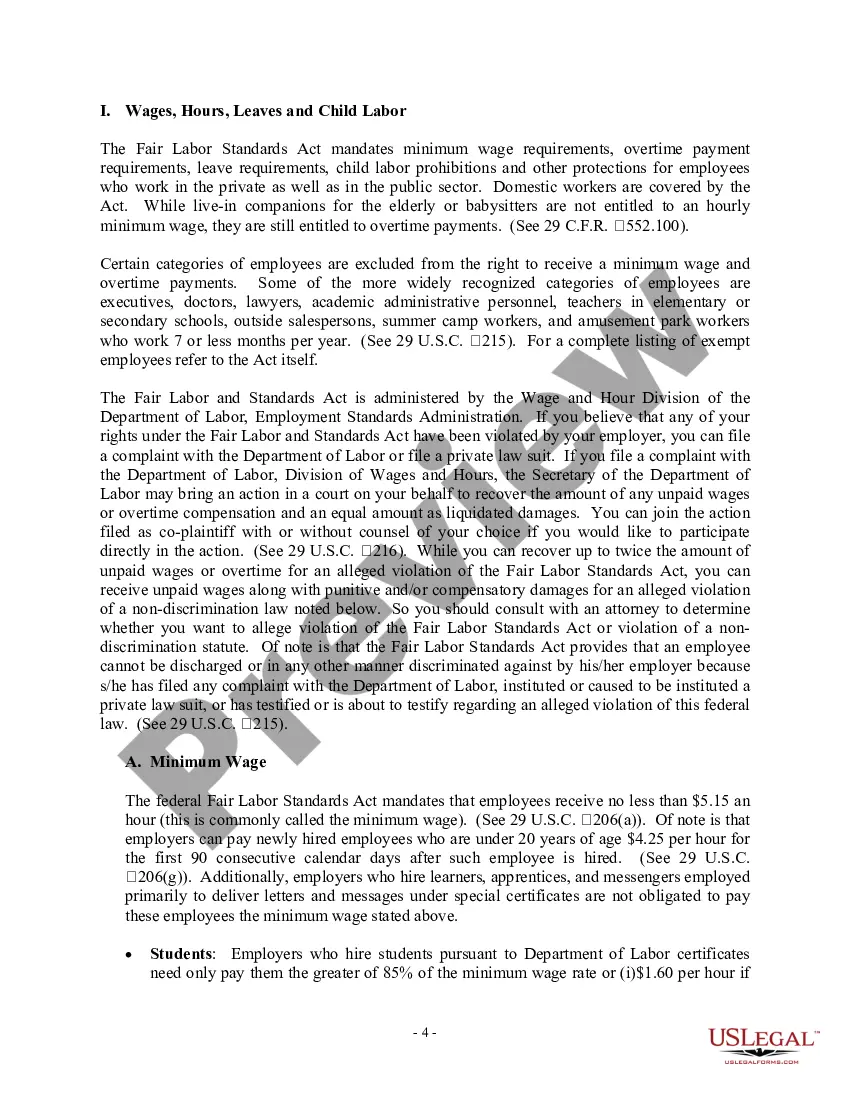
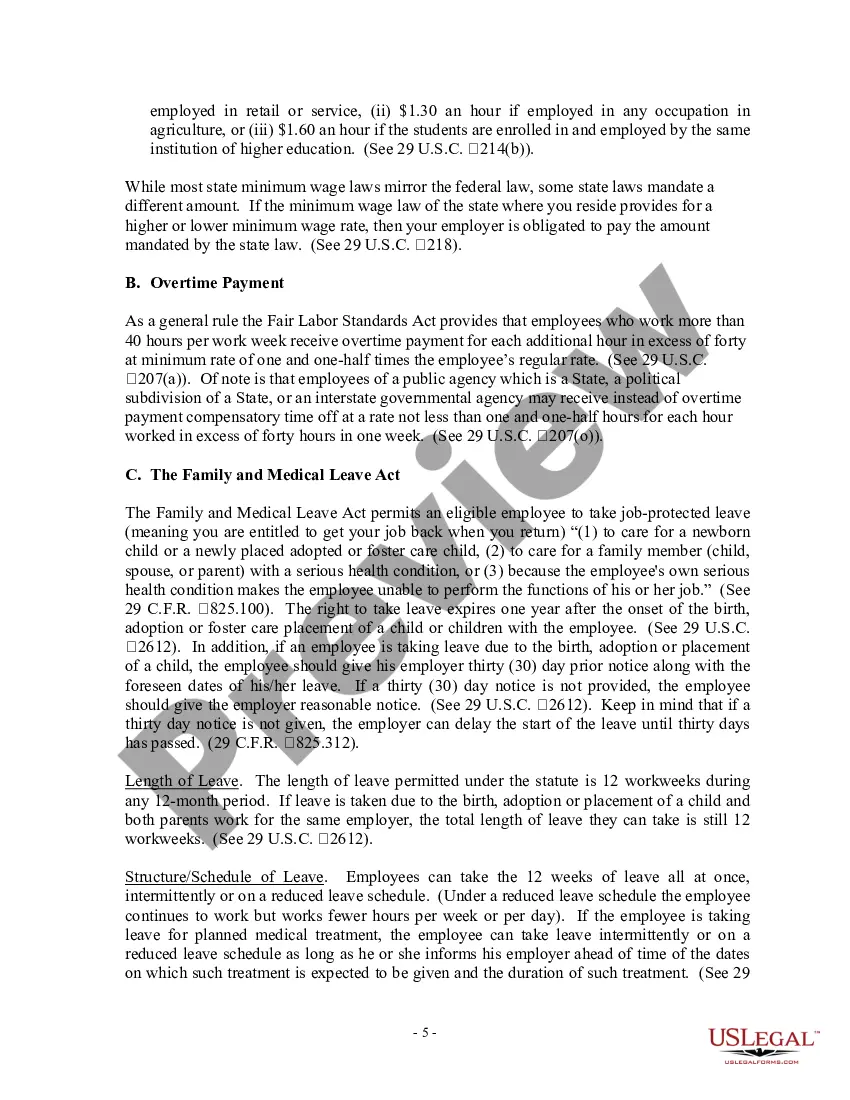

Get your form ready online
Our built-in tools help you complete, sign, share, and store your documents in one place.
Make edits, fill in missing information, and update formatting in US Legal Forms—just like you would in MS Word.
Download a copy, print it, send it by email, or mail it via USPS—whatever works best for your next step.
Sign and collect signatures with our SignNow integration. Send to multiple recipients, set reminders, and more. Go Premium to unlock E-Sign.
If this form requires notarization, complete it online through a secure video call—no need to meet a notary in person or wait for an appointment.
We protect your documents and personal data by following strict security and privacy standards.

Make edits, fill in missing information, and update formatting in US Legal Forms—just like you would in MS Word.

Download a copy, print it, send it by email, or mail it via USPS—whatever works best for your next step.

Sign and collect signatures with our SignNow integration. Send to multiple recipients, set reminders, and more. Go Premium to unlock E-Sign.

If this form requires notarization, complete it online through a secure video call—no need to meet a notary in person or wait for an appointment.

We protect your documents and personal data by following strict security and privacy standards.
Looking for another form?
Form popularity
FAQ
Contrary to Oracle's assertions, the California Labor Code is clearly intended to apply to work done in California by nonresidents. The California Supreme Court has concluded that California's employment laws govern all work performed within the state, regardless of the residence or domicile of the worker.
What is Salaried Employment in North Carolina? In compliance with both the Fair Labor Standards Act (FLSA) and labor regulations governing North Carolina, salaried employees are employed individuals who are receiving a fixed salary at regular intervals, typically on a biweekly or monthly basis.
Salaried employees in North Carolina can work up to 40 hours in one standard workweek. Any hours worked beyond 40 is compensated at 1.5 times. Employers who disregard overtime compensation may face penalties for violations.
An employee must earn no less than two times the state's minimum wage for full-time work to meet this initial requirement of the exemption test. As of January 1, 2025, employees in California must earn an annual salary of no less than $68,640 to meet this threshold requirement.
An exempt employee in California meets a certain set of criteria that prevents them from coverage under wage and hour laws. Wage and hour laws dictate which types of employees are entitled to a minimum wage, overtime compensation, and legally required breaks.
There is no limit as to how many hours an exempt salaried employee can work in any given day or week. These employees earn a consistent salary, regardless of the number of hours worked.
The North Carolina Wage and Hour Act does not require mandatory rest breaks or meal breaks for employees 16 years of age or older.