Labour Laws For Quebec In Miami-Dade
Description
















Get your form ready online
Our built-in tools help you complete, sign, share, and store your documents in one place.
Make edits, fill in missing information, and update formatting in US Legal Forms—just like you would in MS Word.
Download a copy, print it, send it by email, or mail it via USPS—whatever works best for your next step.
Sign and collect signatures with our SignNow integration. Send to multiple recipients, set reminders, and more. Go Premium to unlock E-Sign.
If this form requires notarization, complete it online through a secure video call—no need to meet a notary in person or wait for an appointment.
We protect your documents and personal data by following strict security and privacy standards.

Make edits, fill in missing information, and update formatting in US Legal Forms—just like you would in MS Word.

Download a copy, print it, send it by email, or mail it via USPS—whatever works best for your next step.

Sign and collect signatures with our SignNow integration. Send to multiple recipients, set reminders, and more. Go Premium to unlock E-Sign.

If this form requires notarization, complete it online through a secure video call—no need to meet a notary in person or wait for an appointment.

We protect your documents and personal data by following strict security and privacy standards.
Looking for another form?
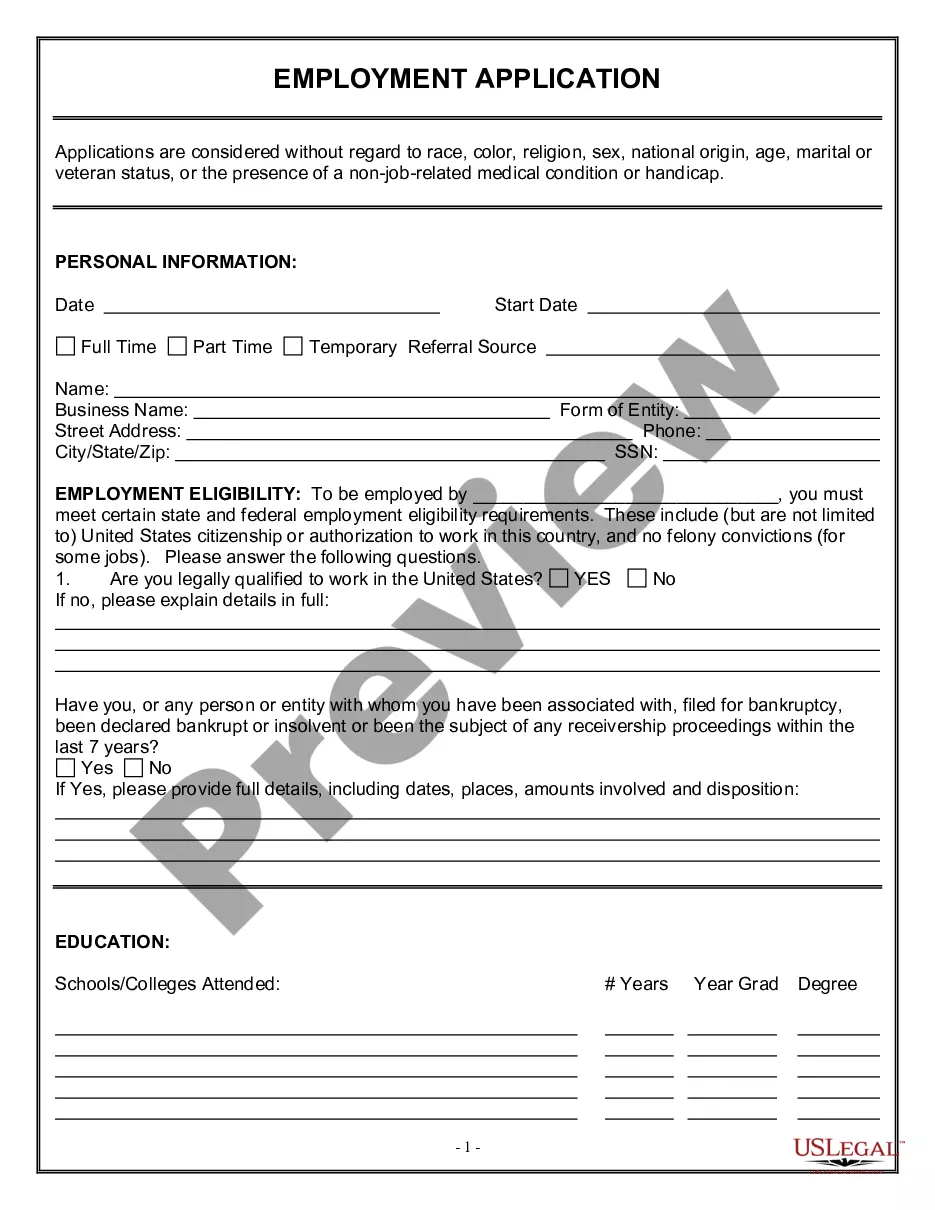

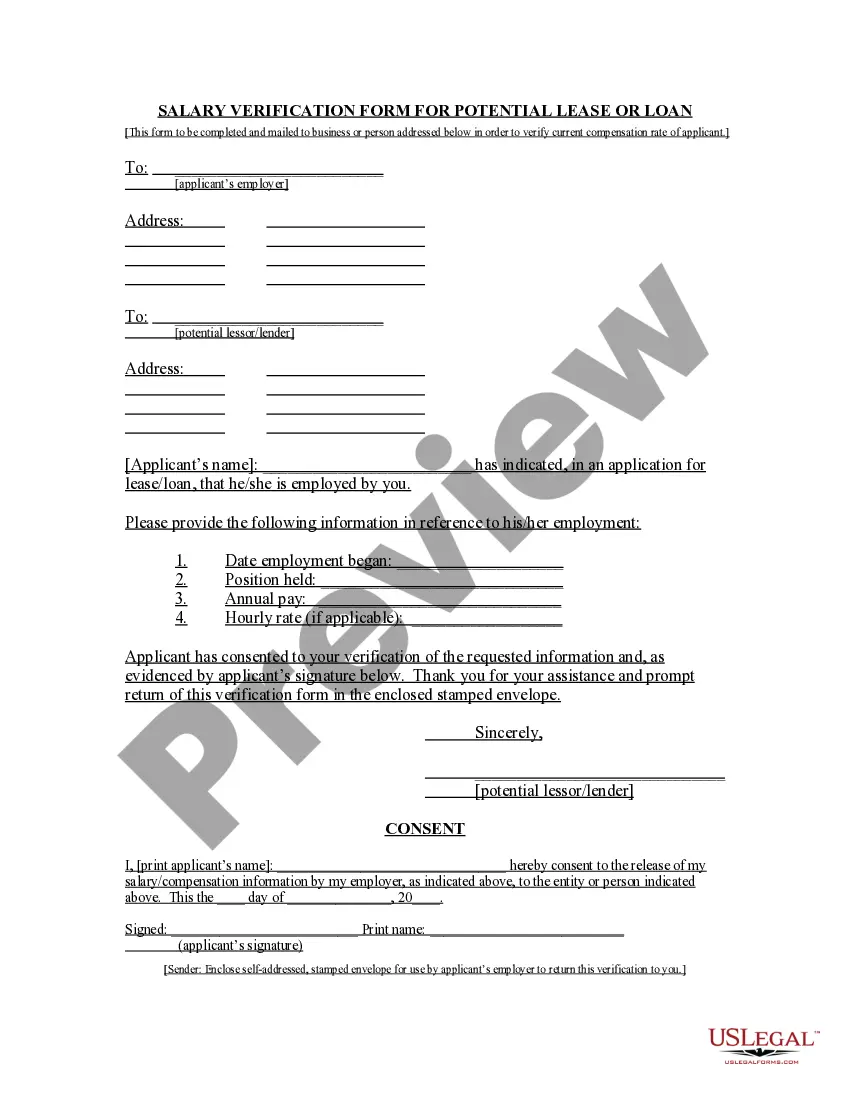


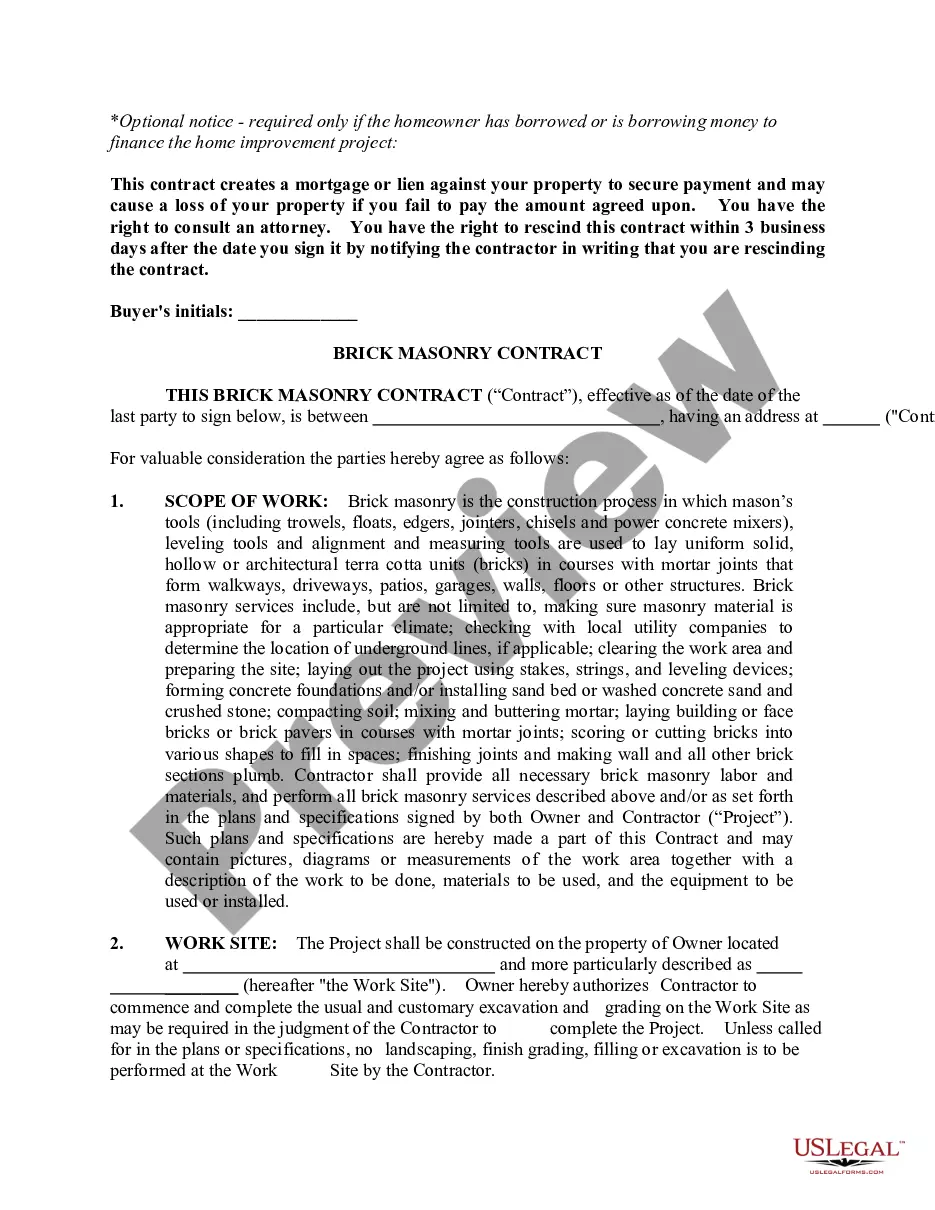
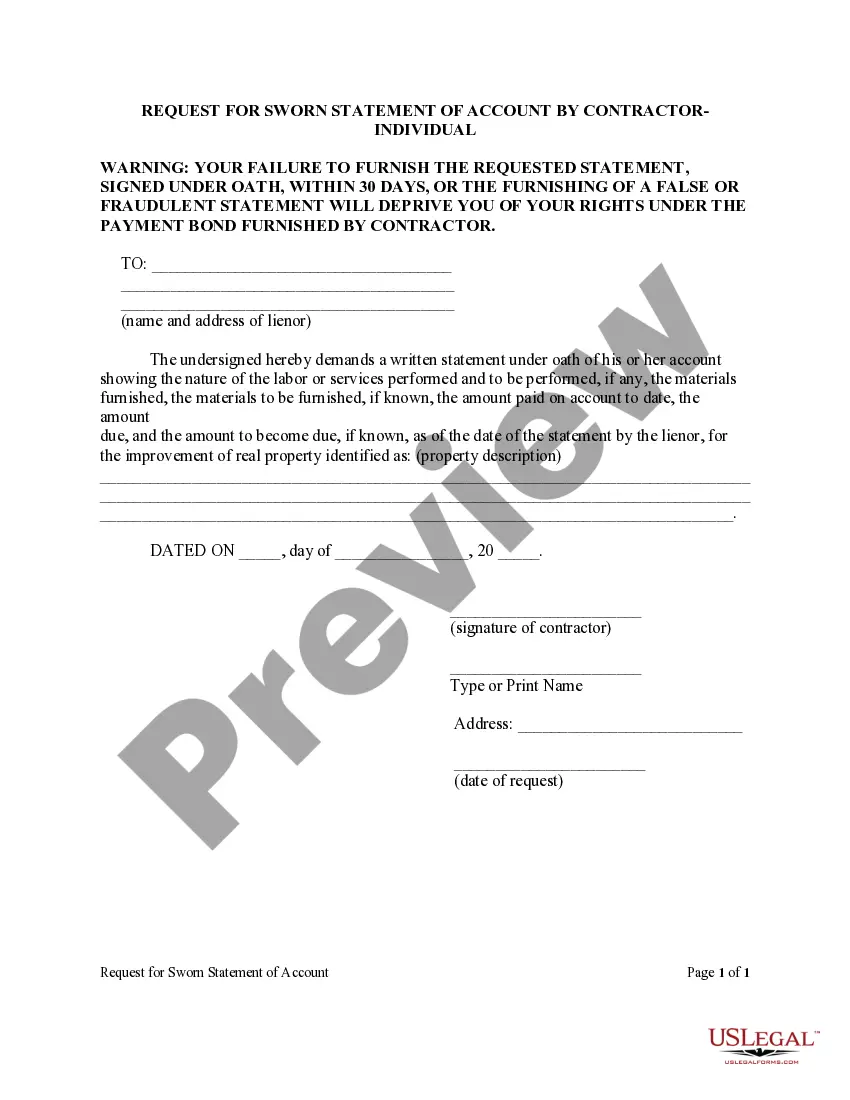


Form popularity
FAQ
Maintain Accurate Records: Keep thorough and accurate records of employee information, hours worked, wages, and any other documentation required by labor laws. This includes records of training sessions, safety inspections, and policy acknowledgments.
The Act respecting labour standards applies to most employees in Quebec, including those working remotely (for example, working from home). An employee is someone who works for an employer and receives a salary. The Act respecting labour standards says what is legally acceptable regarding working conditions.
Is it possible for an employee to sue an employer in Quebec? Quebec workers can sue an employer since anyone who orders someone else to perform duties on their behalf is legally bound to repair harm caused during the performance of those duties.
40 hours in a week (the period between midnight on Saturday and midnight on the Saturday that immediately follows)
1 - Full-time (work hours) This category includes employed persons who usually worked 30 hours or more per week, at their main or only job.
While the Canada Labour Code does not specifically define full-time and part-time employment, the accepted the accepted guideline is that full-time employment means more than 30 hours a week, and part-time is less than 30 hours a week.
In Québec, a typical work week consists of approximately 40 hours, including a lunch break. But a lot of companies offer 35-hour work weeks.
