Work Law Pay With Nigeria In Massachusetts
Description
















Get your form ready online
Our built-in tools help you complete, sign, share, and store your documents in one place.
Make edits, fill in missing information, and update formatting in US Legal Forms—just like you would in MS Word.
Download a copy, print it, send it by email, or mail it via USPS—whatever works best for your next step.
Sign and collect signatures with our SignNow integration. Send to multiple recipients, set reminders, and more. Go Premium to unlock E-Sign.
If this form requires notarization, complete it online through a secure video call—no need to meet a notary in person or wait for an appointment.
We protect your documents and personal data by following strict security and privacy standards.

Make edits, fill in missing information, and update formatting in US Legal Forms—just like you would in MS Word.

Download a copy, print it, send it by email, or mail it via USPS—whatever works best for your next step.

Sign and collect signatures with our SignNow integration. Send to multiple recipients, set reminders, and more. Go Premium to unlock E-Sign.

If this form requires notarization, complete it online through a secure video call—no need to meet a notary in person or wait for an appointment.

We protect your documents and personal data by following strict security and privacy standards.
Looking for another form?

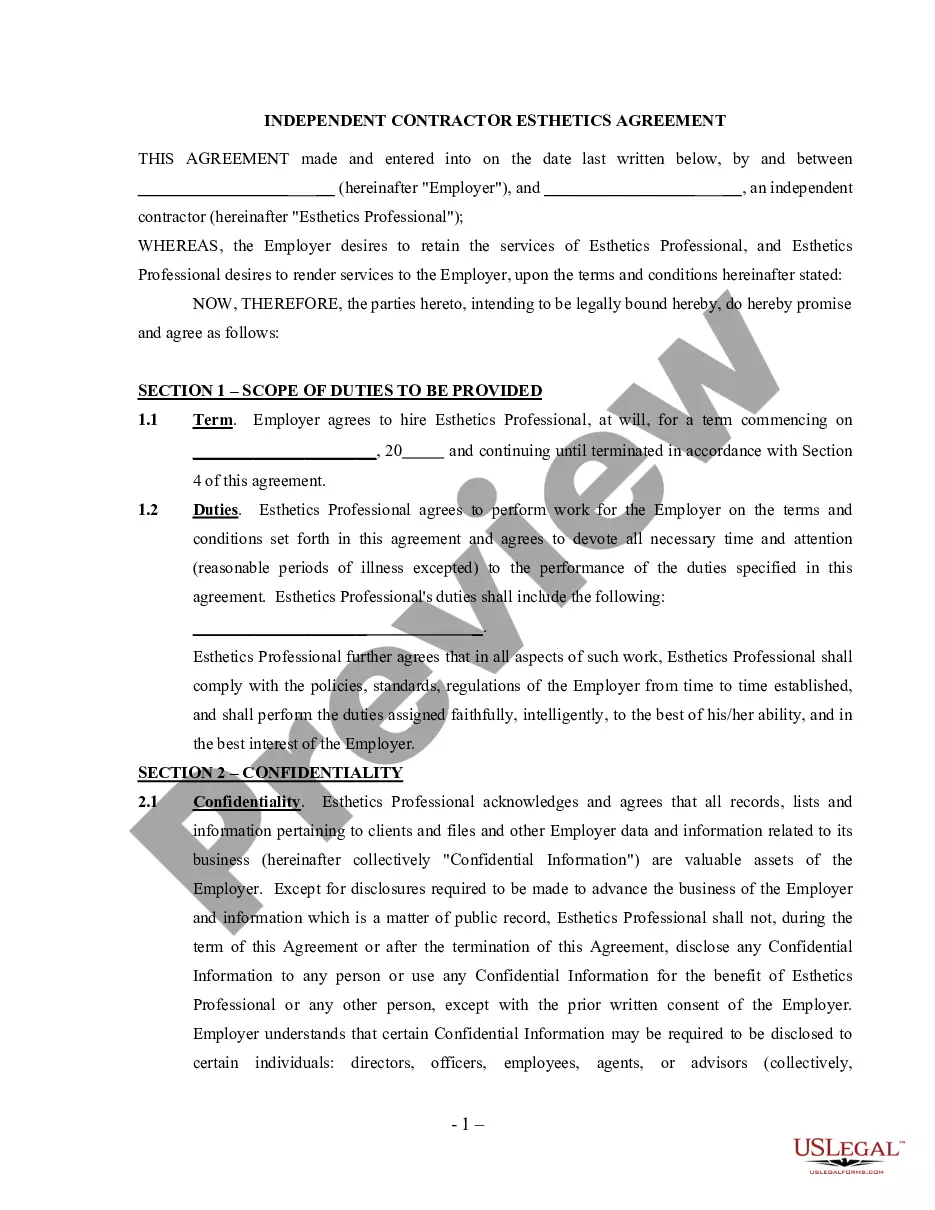







Form popularity
FAQ
If you believe your employer has violated Massachusetts wage and hour laws and/or you are a victim of wage theft, you can file a complaint with the Fair Labor Division or 617-727-3465.
The DOL's final rule required the salary threshold to increase to $43,888 per year on July 1, 2024, and this part of the rule was implemented in Massachusetts. Then, the DOL's final rule required the salary threshold to increase again on January 1, 2025, to $58,656 per year.
Massachusetts General Law chapter 149, section 100, provides that "no person shall be required to work for more than six hours during a calendar day without an interval of at least thirty minutes for a meal." Iron works, glass works, paper mills, letter press establishments, print works, bleaching works, and dyeing ...
In Massachusetts, there are no state or federal laws that specifically limit the number of consecutive days an employee over the age of 16 can work. This allows employers to schedule employees for seven or more days in a row if necessary.
No, you cannot prohibit employees from discussing either their own wages or their coworkers' wages or from disclosing wage information to any person or entity. You can only prohibit those employees whose job responsibilities give them access to other employees' compensation information from discussing wage information.
Under the National Labor Relations Act (NLRA or the Act), employees have the right to communicate with their coworkers about their wages, as well as with labor organizations, worker centers, the media, and the public.
An employer can terminate any employee, with or without notice.
Massachusetts General Law chapter 149, section 100, provides that "no person shall be required to work for more than six hours during a calendar day without an interval of at least thirty minutes for a meal." Iron works, glass works, paper mills, letter press establishments, print works, bleaching works, and dyeing ...