Employment Law Handbook With Exercises 3rd Edition In Franklin
Description
















Get your form ready online
Our built-in tools help you complete, sign, share, and store your documents in one place.
Make edits, fill in missing information, and update formatting in US Legal Forms—just like you would in MS Word.
Download a copy, print it, send it by email, or mail it via USPS—whatever works best for your next step.
Sign and collect signatures with our SignNow integration. Send to multiple recipients, set reminders, and more. Go Premium to unlock E-Sign.
If this form requires notarization, complete it online through a secure video call—no need to meet a notary in person or wait for an appointment.
We protect your documents and personal data by following strict security and privacy standards.

Make edits, fill in missing information, and update formatting in US Legal Forms—just like you would in MS Word.

Download a copy, print it, send it by email, or mail it via USPS—whatever works best for your next step.

Sign and collect signatures with our SignNow integration. Send to multiple recipients, set reminders, and more. Go Premium to unlock E-Sign.

If this form requires notarization, complete it online through a secure video call—no need to meet a notary in person or wait for an appointment.

We protect your documents and personal data by following strict security and privacy standards.
Looking for another form?
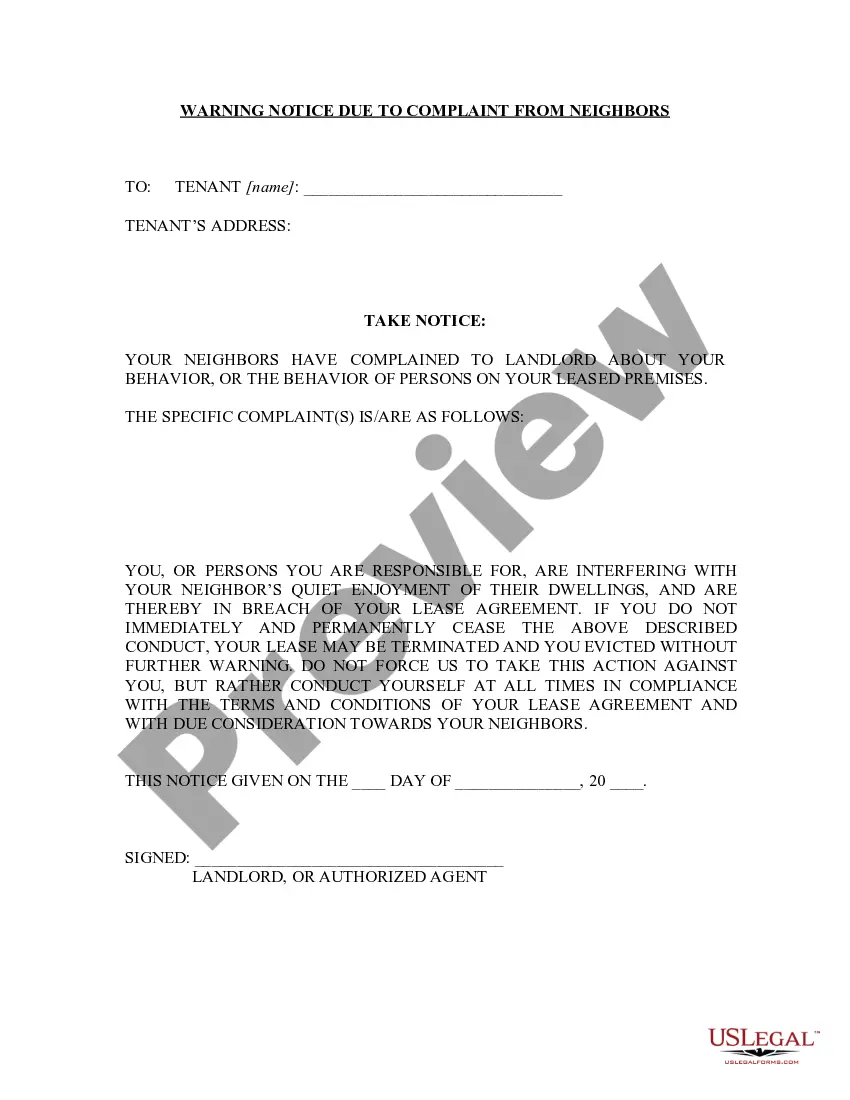
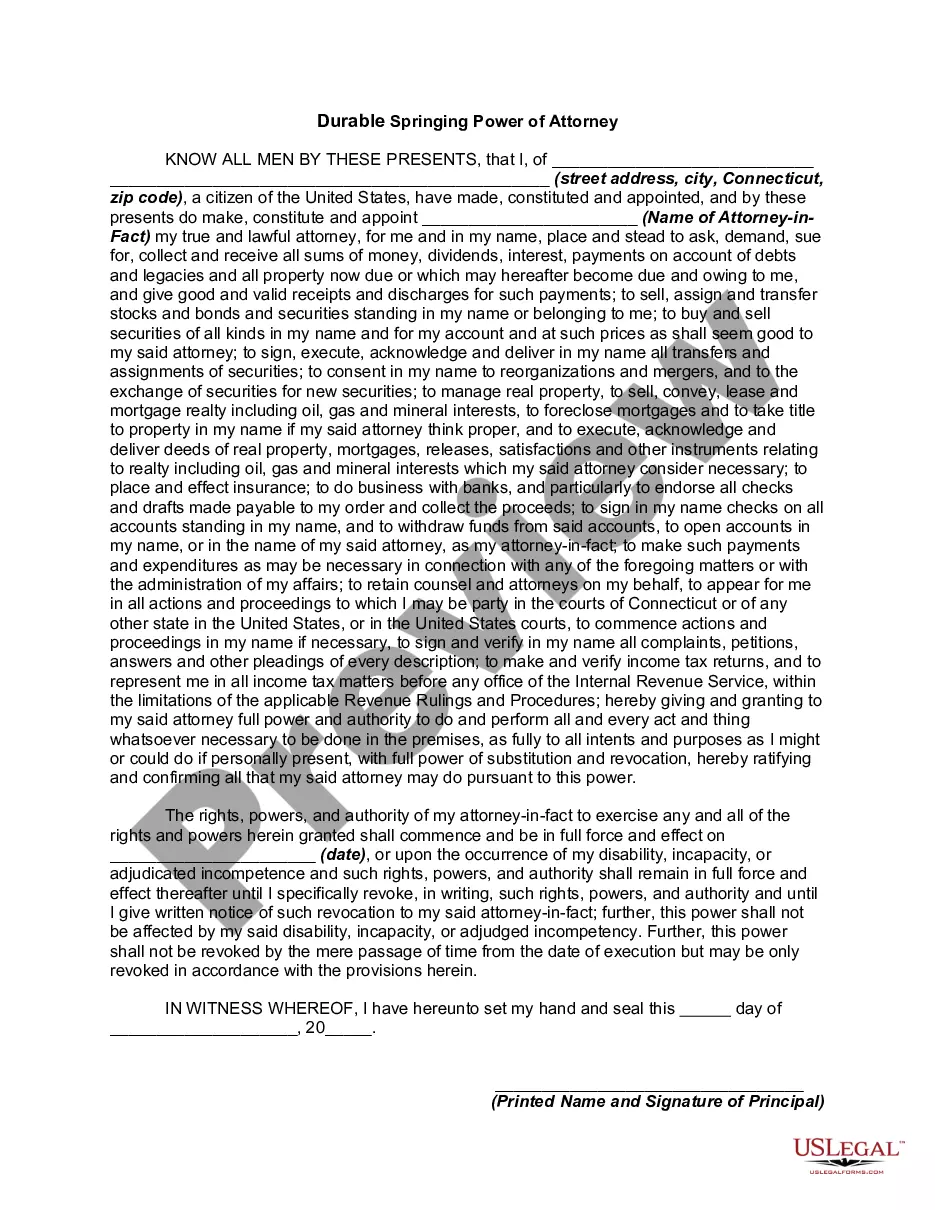
Form popularity
FAQ
Maine does not have a state law that sets a minimum shift length for employees. This means that employers in Maine are not legally obligated to schedule employees for a minimum number of hours per shift. Shifts can range from a full day to just a few hours, depending on the employer's needs.
There is no minimum shift requirement or minimum hour requirement for part-time or full-time employees. The 4-hour rule refers to minimum compensation in certain circumstances. These include on-call or scheduled-to-work employees who receive inadequate notice that they do not have any work for their shift.
However, labeling an employee as part-time does not change the application of FLSA requirements. The IRS, meanwhile, considers a part-time employee to be someone who works less than 30 hours per week or less than 130 hours per month.
The U.S. Department of Labor (DOL) administers and enforces most federal employment laws, including those covering wages and hours of work, safety and health standards, employee health and retirement benefits, and federal contracts. Several other federal agencies also administer laws affecting employment issues.
Besides health and safety, wages and benefits and discrimination, employment law also often focuses on labor relations, unemployment compensation, family and medical leave, employee contracts, immigration and even the hiring process.
This time on the CBR blog, we are talking about the three most important HR laws out there: Title VII of the Civil Rights Act of 1964, the Fair Labor Standards Act (FLSA), and the Family and Medical Leave Act (FMLA), the significance of these laws and how they shape the HR landscape.
Most employers are surprised to learn that California does not require companies to have an employee handbook. However, the Fair Employment and Housing Act (FEHA) requires that California employers with at least five employees distribute written harassment, discrimination, and retaliation prevention policies.
Can You Fire Someone for Not Signing The Employee Handbook? No, an employee cannot be fired for not signing an employee handbook. However, employers may require employees to sign the handbook as a condition of employment and can take disciplinary action if they refuse to do so.
Legal Liability: A well-crafted employee handbook can provide protection against potential lawsuits. It can outline policies related to discrimination, harassment, and other workplace issues. Without clear guidelines, employers may be held liable for damages resulting from employee misconduct.
Employment law is the area of law that governs the employer-employee relationship. This area is made up of both state and federal laws and includes many different subjects with the common goal to protect workers' rights. Employment law covers everything from human resources to labor relations.
