Employment Law For Dummies
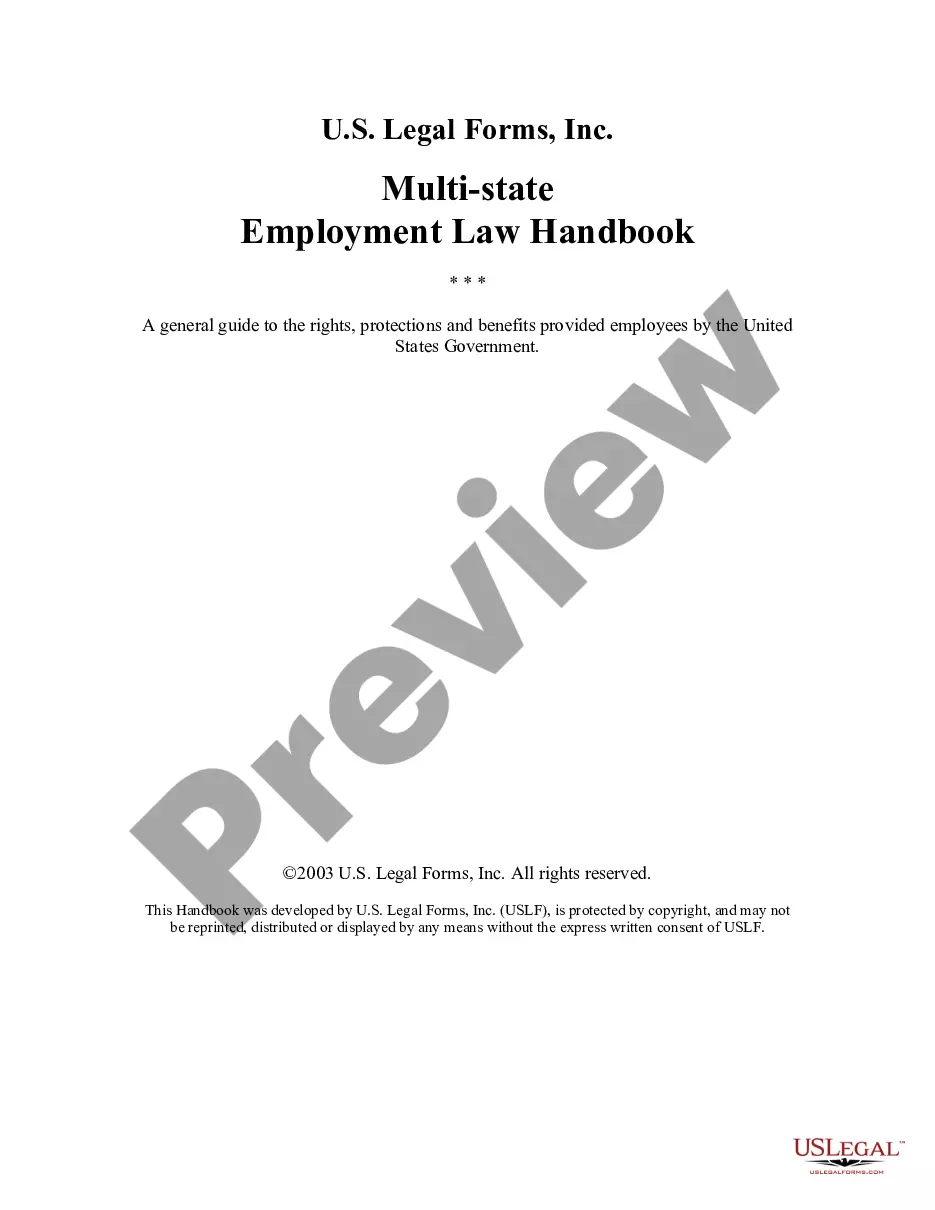
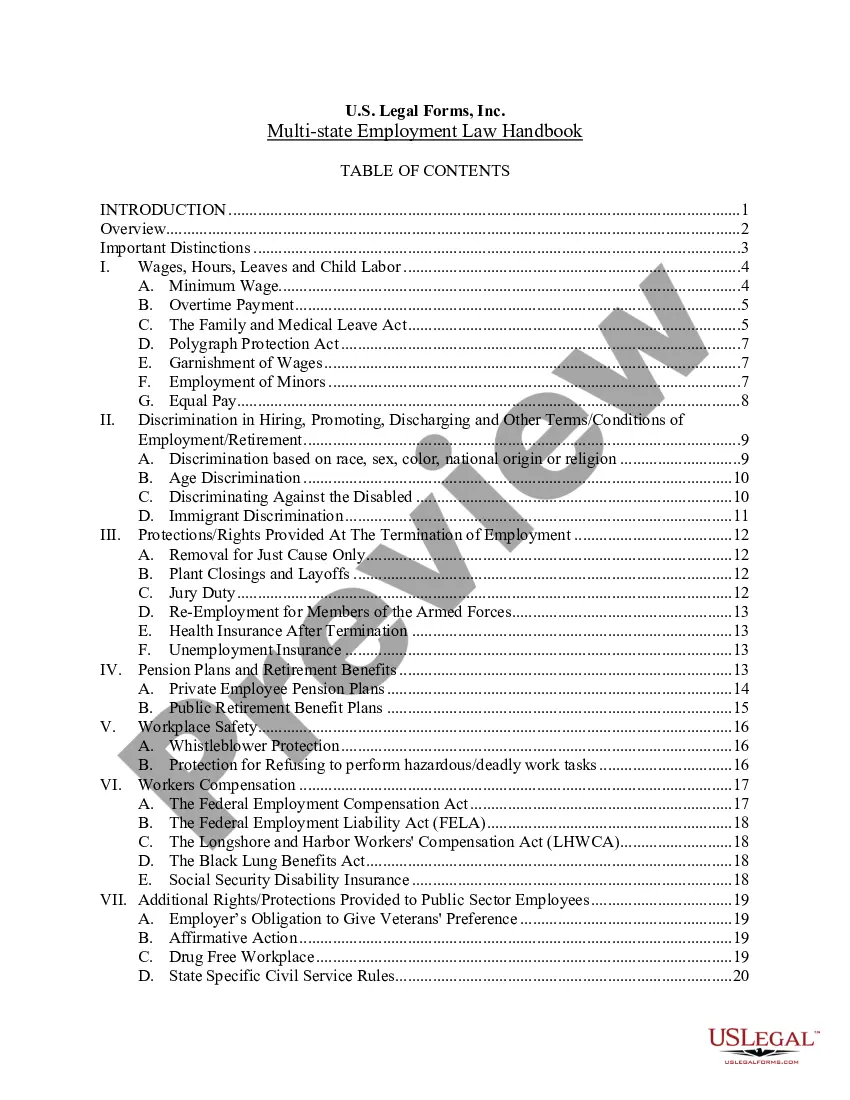
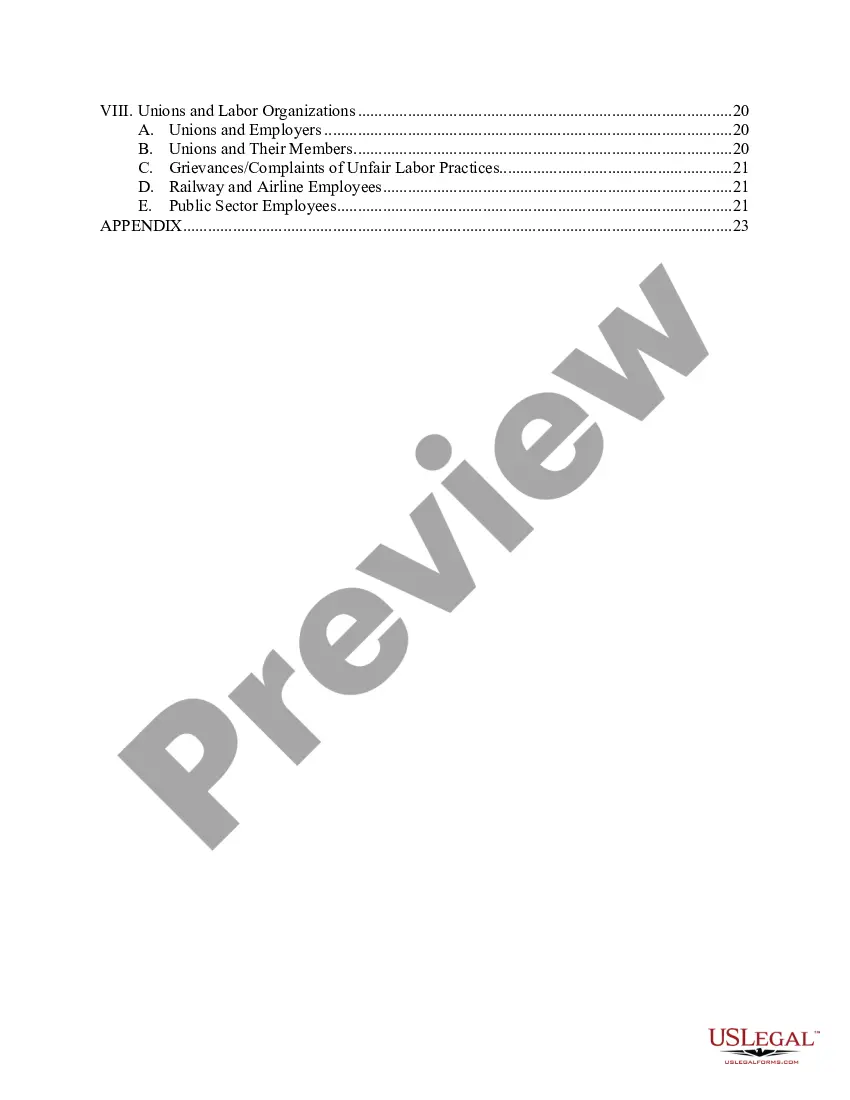
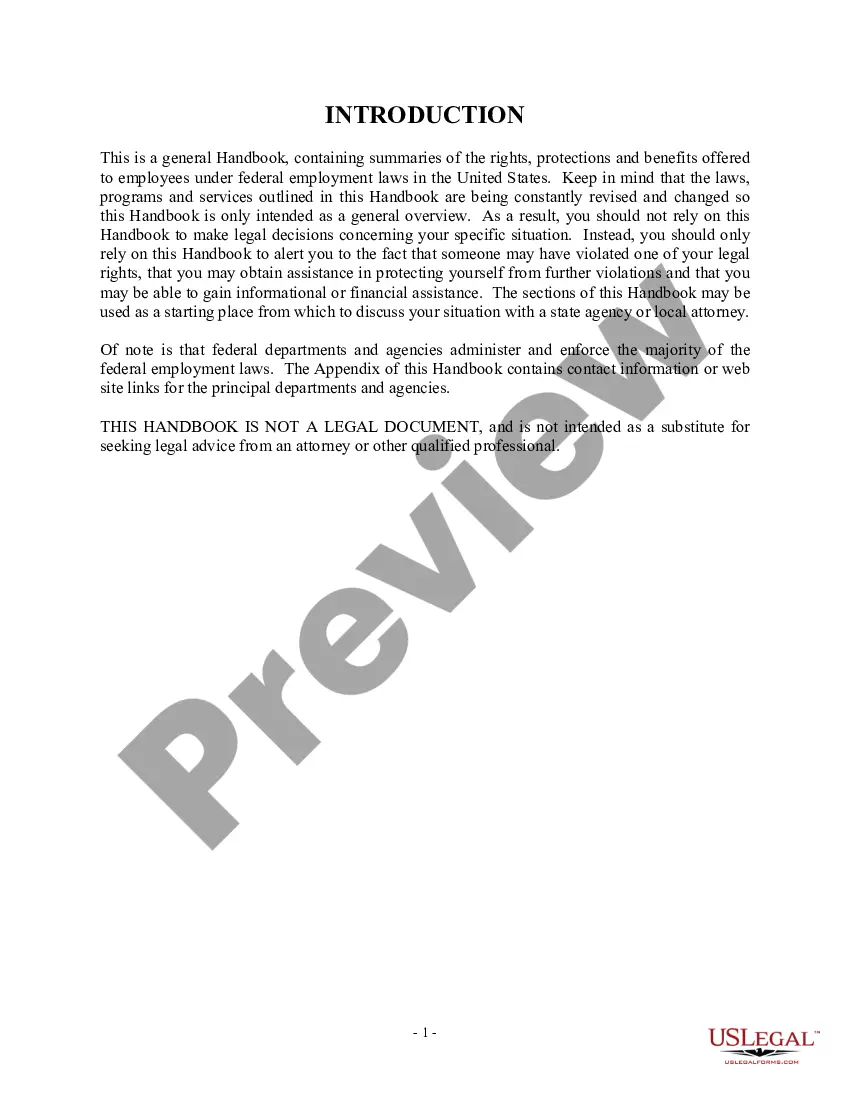
Description
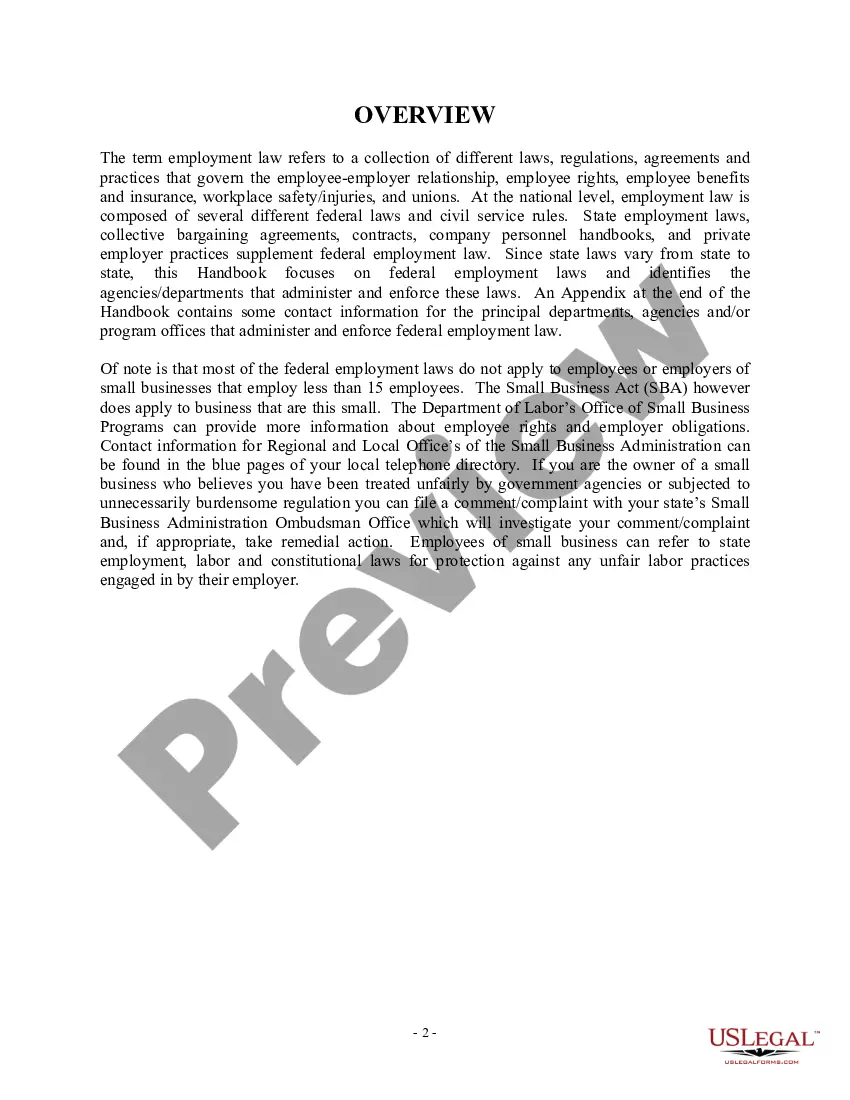
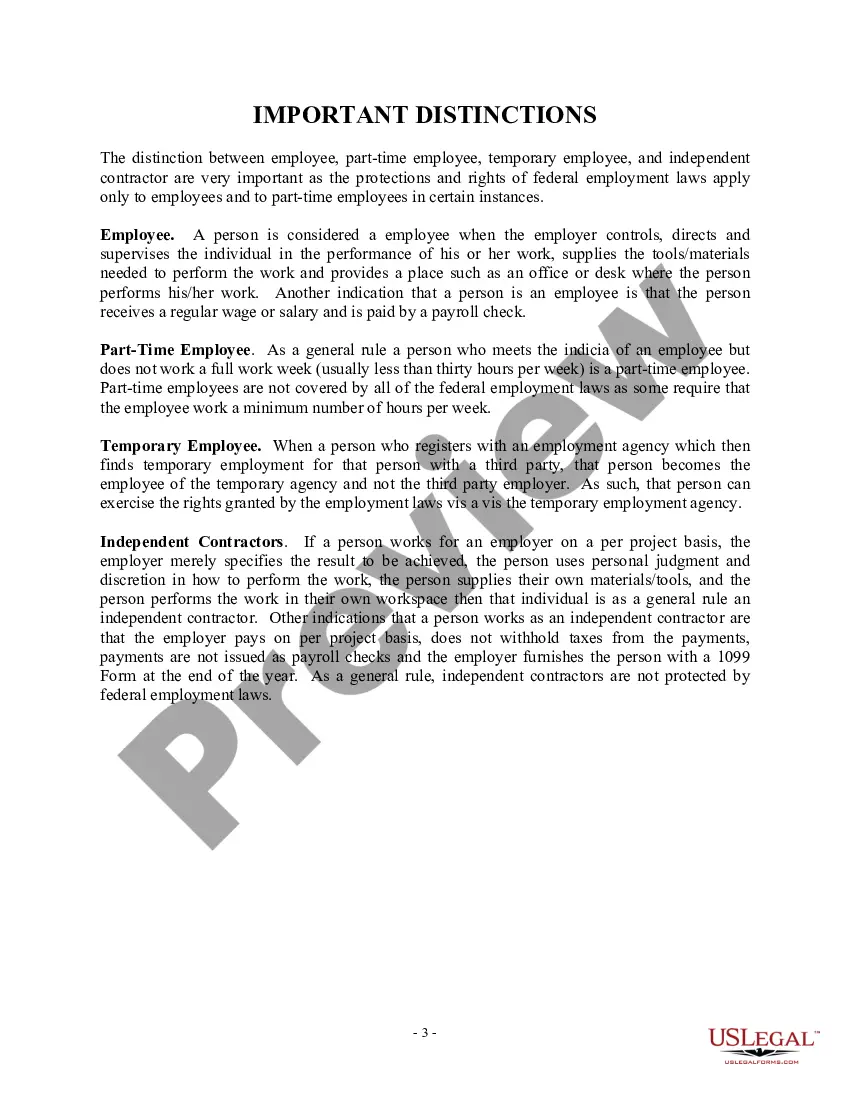
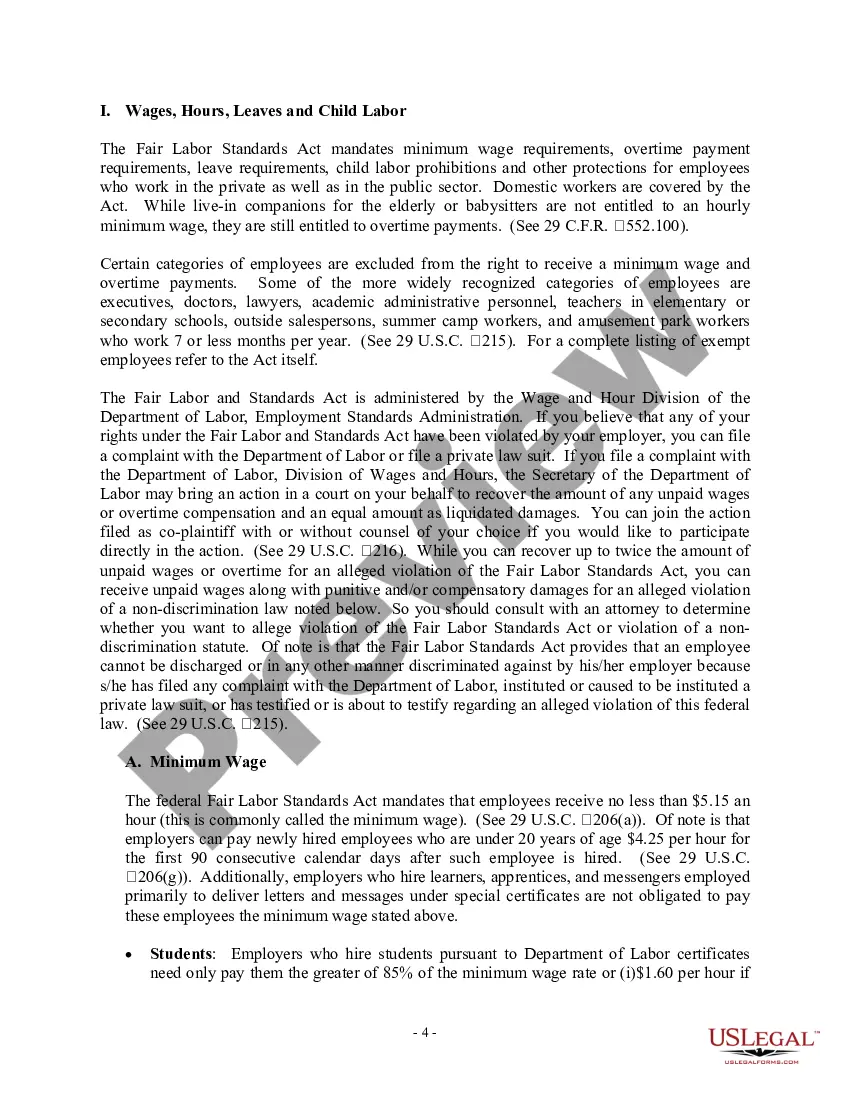
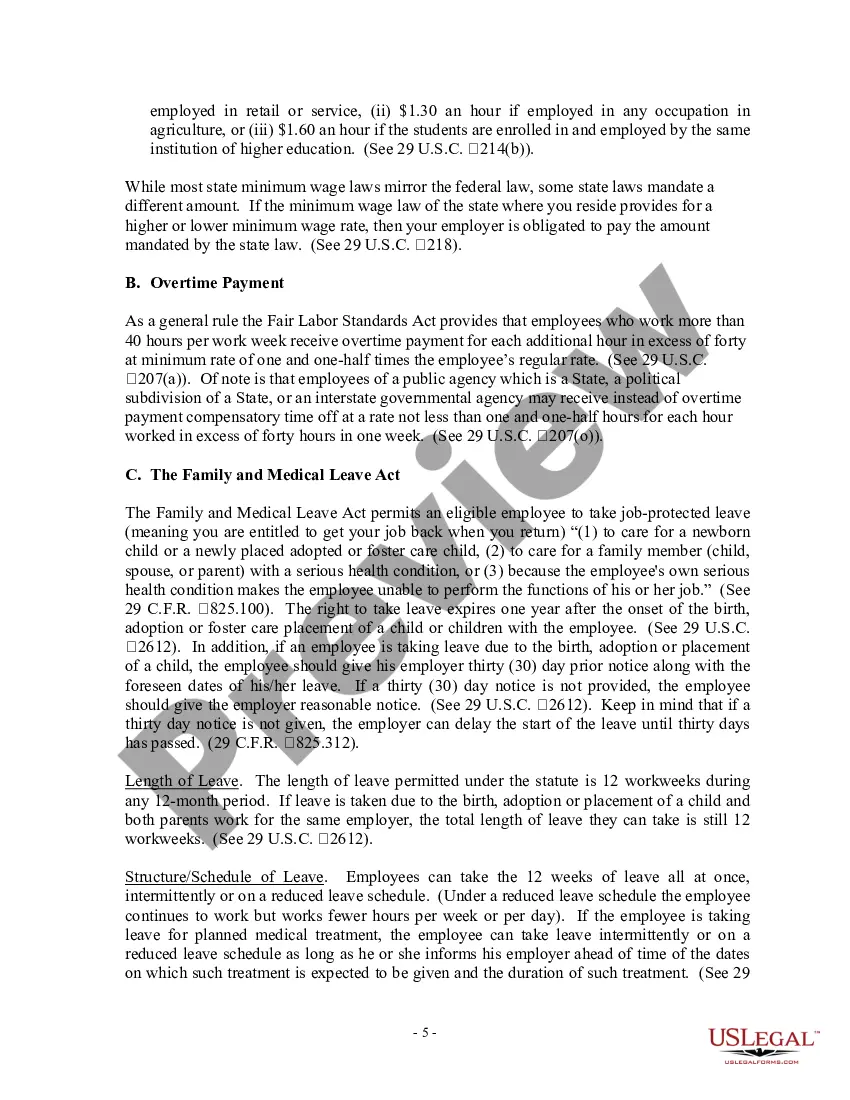
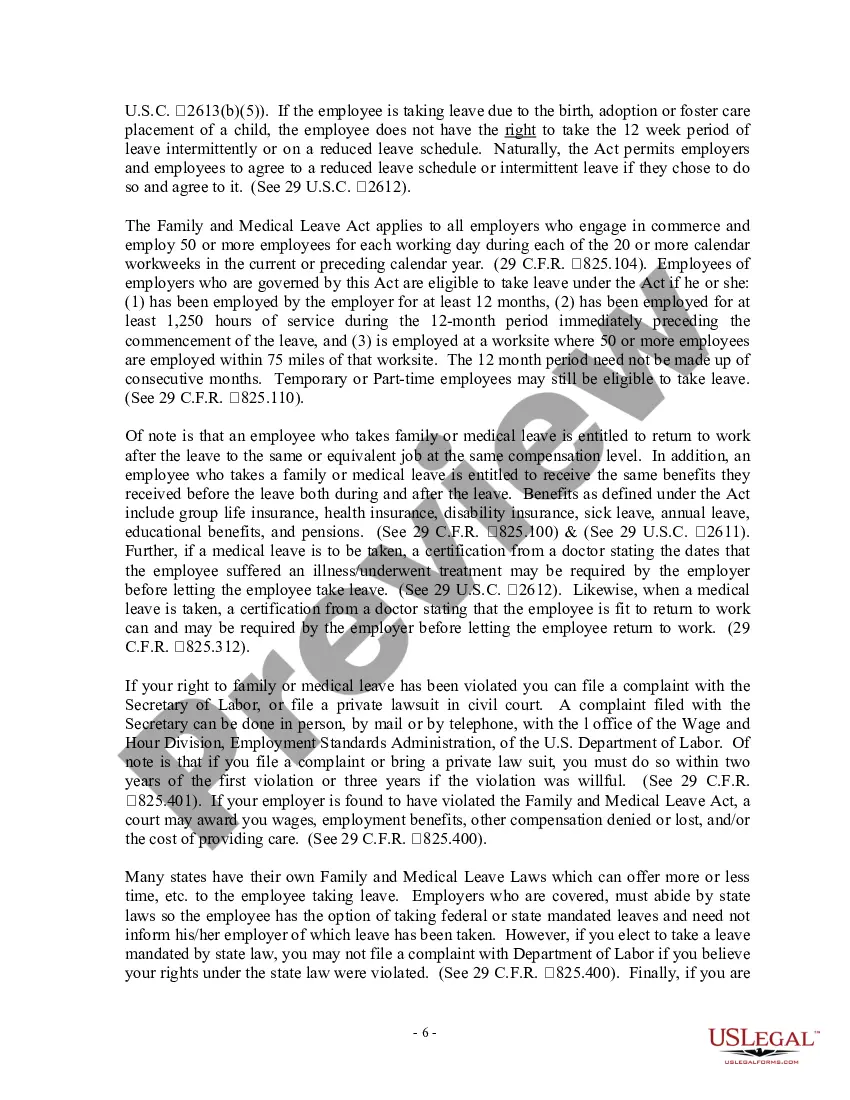
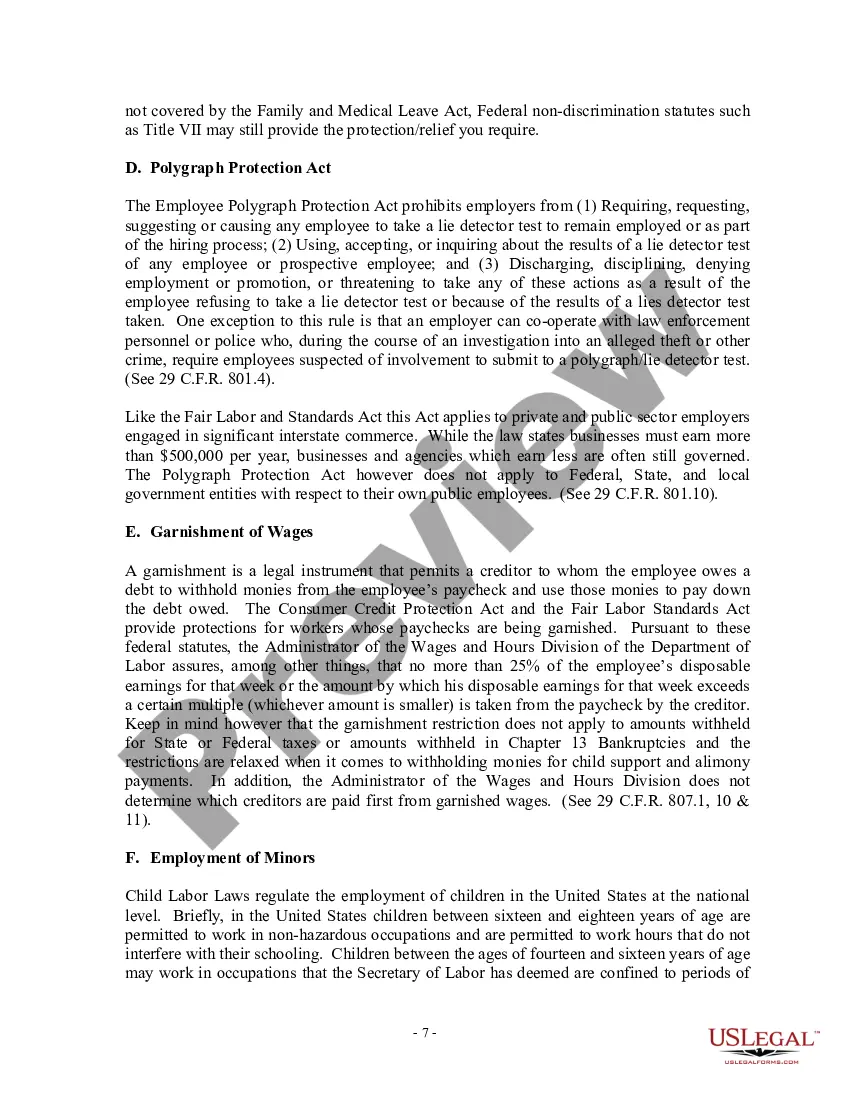

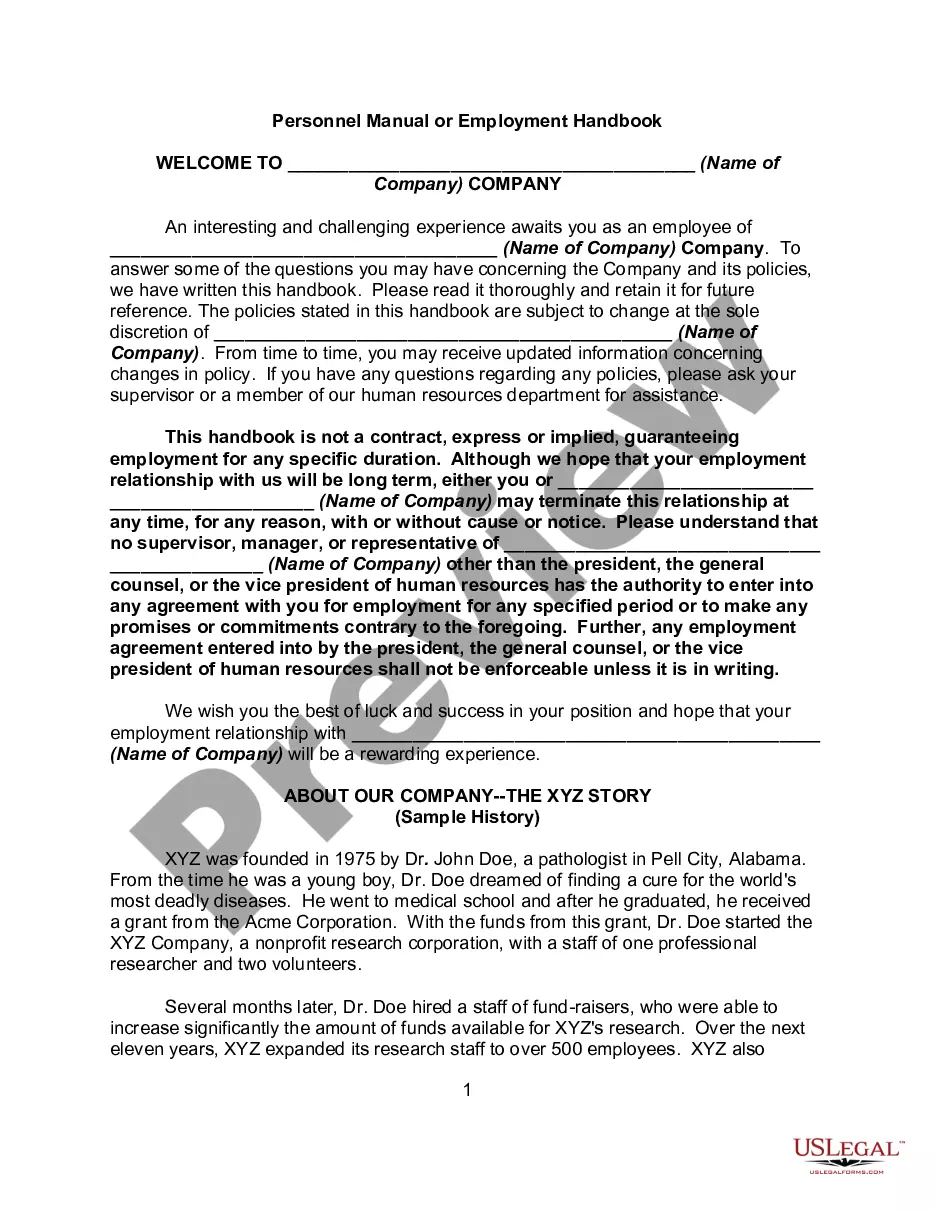
Get your form ready online
Our built-in tools help you complete, sign, share, and store your documents in one place.
Make edits, fill in missing information, and update formatting in US Legal Forms—just like you would in MS Word.
Download a copy, print it, send it by email, or mail it via USPS—whatever works best for your next step.
Sign and collect signatures with our SignNow integration. Send to multiple recipients, set reminders, and more. Go Premium to unlock E-Sign.
If this form requires notarization, complete it online through a secure video call—no need to meet a notary in person or wait for an appointment.
We protect your documents and personal data by following strict security and privacy standards.

Make edits, fill in missing information, and update formatting in US Legal Forms—just like you would in MS Word.

Download a copy, print it, send it by email, or mail it via USPS—whatever works best for your next step.

Sign and collect signatures with our SignNow integration. Send to multiple recipients, set reminders, and more. Go Premium to unlock E-Sign.

If this form requires notarization, complete it online through a secure video call—no need to meet a notary in person or wait for an appointment.

We protect your documents and personal data by following strict security and privacy standards.
Looking for another form?
How to fill out USLF Multistate Employment Law Handbook - Guide?
Managing legal documentation can be daunting, even for the most knowledgeable professionals.
When you are looking for an Employment Law For Dummies and lack the opportunity to spend time finding the appropriate and current version, the processes can be stressful.
Gain access to a resource library of articles, guides, and materials relevant to your situation and needs.
Save time and energy seeking the forms you require, and take advantage of US Legal Forms’ sophisticated search and Preview feature to locate Employment Law For Dummies and obtain it.
Ensure that the template is valid in your state or county. Choose Buy Now when you are prepared. Pick a monthly subscription option. Locate the format you need, and Download, fill out, eSign, print, and send your forms. Enjoy the US Legal Forms online catalog, backed by 25 years of experience and reliability. Transform your routine document management into a straightforward and user-friendly experience today.
- If you have a subscription, Log In to your US Legal Forms account, search for the form, and download it.
- Check the My documents section to view the documents you have previously downloaded and organize your folders as desired.
- If this is your first experience with US Legal Forms, create a free account for unrestricted access to all library features.
- Here are the steps to follow after acquiring the form you need.
- Confirm it is the correct document by reviewing it and examining its details.
- Access state- or county-specific legal and organizational documents.
- US Legal Forms addresses all requirements you may have, from personal to business papers, in one location.
- Use advanced tools to fill out and handle your Employment Law For Dummies.
Form popularity
FAQ
The Family and Medical Leave Act (FMLA), the Fair Labor Standards Act (FLSA), and the Equal Employment Opportunity Act (EEOA) are considered three of the most important HR laws. Each of these laws plays a significant role in protecting employees and ensuring fair treatment in the workplace. Learning about employment law for dummies can simplify these complex regulations, making it easier to understand your rights and responsibilities. Consider consulting formal resources or professionals for more in-depth knowledge.
To get into labor law, begin by pursuing a law degree with a focus on labor and employment law. Joining relevant student organizations and gaining experience through internships will provide valuable insights. Familiarizing yourself with employment law for dummies can offer a strong foundation for understanding key concepts. Moreover, attending networking events and speaking with professionals in the field can help you find job opportunities.
A labor lawyer primarily focuses on issues related to unions, collective bargaining, and labor disputes, while an employment lawyer addresses workplace issues involving employees and employers, such as wrongful termination and discrimination. Both specialize in different aspects of employment law for dummies, thus serving unique roles. Understanding these differences will help you choose the right legal expert for your specific needs. Consider consulting resources to learn more about these roles.
Becoming a labor lawyer typically requires earning a law degree from an accredited law school and passing the bar exam. It's essential to focus on areas of law related to employment law for dummies during your studies. Additionally, gaining practical experience through internships or clerkships in labor law firms can strengthen your qualifications. Continuous education will also keep you updated on labor laws and regulations.
To get into labor relations, start by obtaining a degree in a relevant field such as human resources, business, or law. Gaining experience through internships or entry-level positions can also be beneficial. Understanding the principles of employment law for dummies will help you navigate the complexities of labor relations effectively. Networking with professionals in the field can open doors and offer valuable insights.
Employers have clear rights and responsibilities under the Occupational Safety and Health Administration (OSHA). They must ensure a safe working environment by providing necessary safety equipment and training. Also, they can access the right to contest any citations or penalties issued by OSHA. Understanding these responsibilities helps clarify employment law for dummies and enhances workplace safety.
Employment law encompasses various categories that govern workplace relationships. The four primary types include labor law, discrimination law, wage and hour laws, and occupational safety regulations. Each type provides guidelines that help protect both employees and employers. Familiarizing yourself with these categories can simplify your understanding of employment law for dummies.
Workers have key responsibilities in the workplace. They must perform their tasks to the best of their ability, follow safety guidelines, and adhere to company policies. Additionally, it's important for workers to communicate any concerns to their employer. Understanding these responsibilities is essential when learning about employment law for dummies.
The three most important HR laws include the Fair Labor Standards Act (FLSA), the Occupational Safety and Health Act (OSHA), and the Civil Rights Act. These laws establish critical standards for wages, workplace safety, and non-discrimination, essential for anyone navigating employment law for dummies. Understanding these laws helps protect both employees and employers by fostering a fair work environment.
The Major Employment Act is a pivotal piece of legislation that governs employee rights and employer responsibilities. This act covers various aspects of employment law, including workplace safety and wage protections, which are crucial for anyone interested in employment law for dummies. Familiarity with this act lays the groundwork for understanding how employment law operates in the United States.