Work State Law For Employees In Collin
Description
















Get your form ready online
Our built-in tools help you complete, sign, share, and store your documents in one place.
Make edits, fill in missing information, and update formatting in US Legal Forms—just like you would in MS Word.
Download a copy, print it, send it by email, or mail it via USPS—whatever works best for your next step.
Sign and collect signatures with our SignNow integration. Send to multiple recipients, set reminders, and more. Go Premium to unlock E-Sign.
If this form requires notarization, complete it online through a secure video call—no need to meet a notary in person or wait for an appointment.
We protect your documents and personal data by following strict security and privacy standards.

Make edits, fill in missing information, and update formatting in US Legal Forms—just like you would in MS Word.

Download a copy, print it, send it by email, or mail it via USPS—whatever works best for your next step.

Sign and collect signatures with our SignNow integration. Send to multiple recipients, set reminders, and more. Go Premium to unlock E-Sign.

If this form requires notarization, complete it online through a secure video call—no need to meet a notary in person or wait for an appointment.

We protect your documents and personal data by following strict security and privacy standards.
Looking for another form?



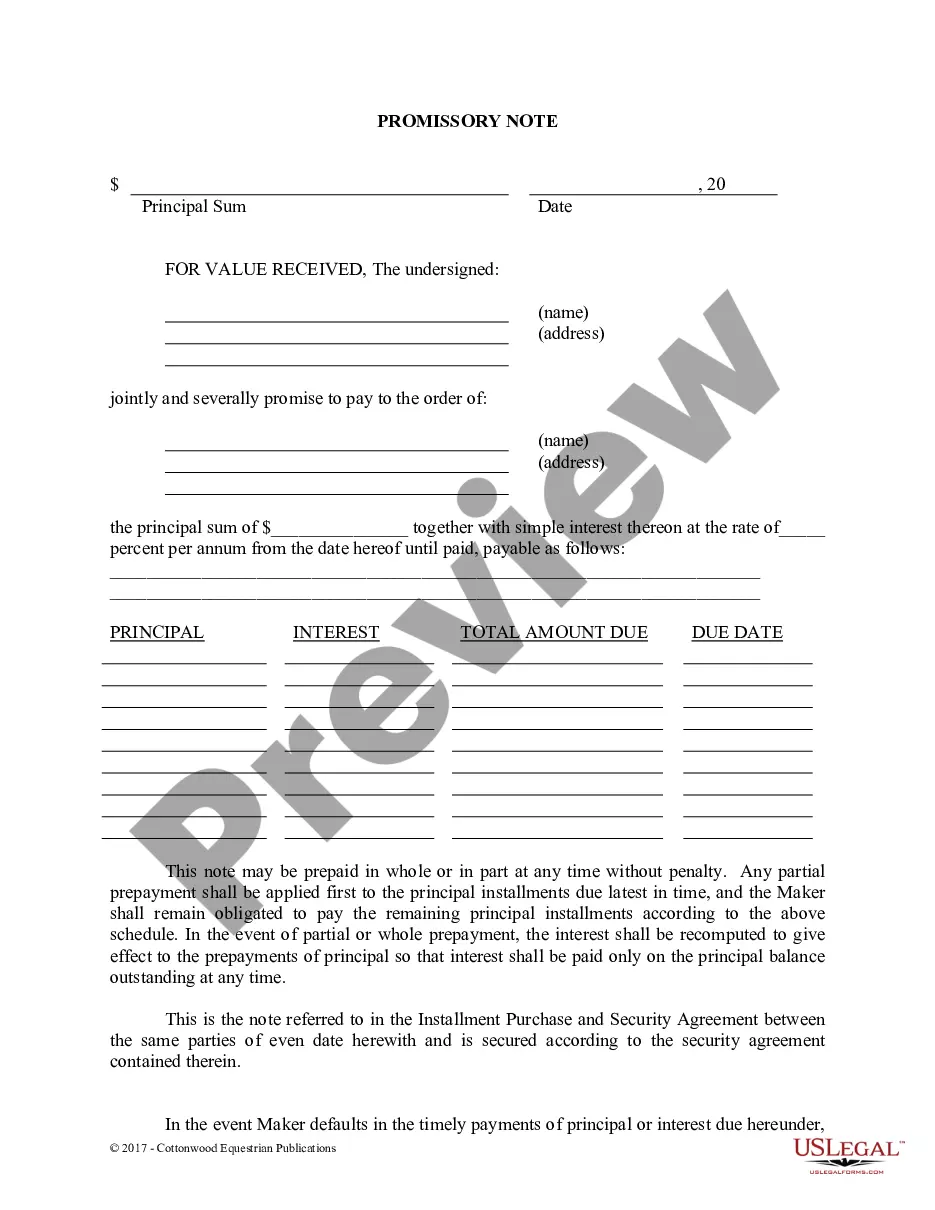
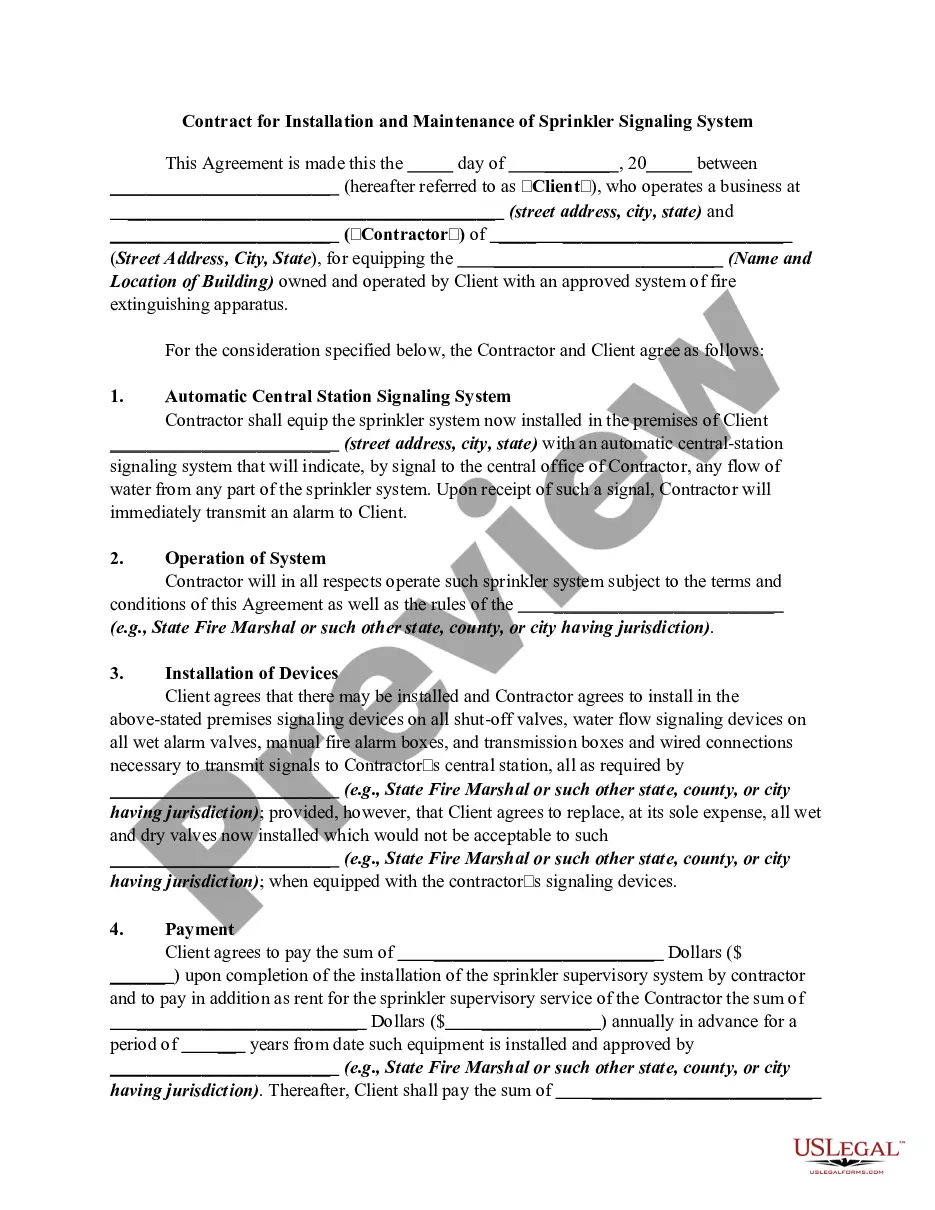





Form popularity
FAQ
Presently, no OSHA standard to regulate extended and unusual shifts in the workplace exists. A work period of eight consecutive hours over five days with at least eight hours of rest in between shifts defines a standard shift. Any shift that goes beyond this standard is considered to be extended or unusual.
With only extremely narrow exceptions relating to certain regulated industries or collective bargaining agreements, adults, as well as youths ages 16 or 17, may work, and/or may be required to work, unlimited hours each day (the only limits are employee morale, practical realities, and common sense in general).
Yes, an employer is entitled to fire an at-will employee without notice, but the reasoning for the firing must always remain lawful.
Texas is also a right to work state - under the Texas right to work laws (§§101.052-. 053, Texas Labor Code), employment may not be conditioned or denied on the basis of membership or non-membership in a union.
The basic rule of Texas employment law is employment at will, which applies to all phases of the employment relationship - it means that absent a statute or an express agreement (such as an employment contract) to the contrary, either party in an employment relationship may modify any of the terms or conditions of ...
Texas Labor Laws Guide Texas Labor Laws FAQ Texas minimum wage$7.25 Texas overtime 1.5 times the regular wage for any time worked over 40 hours/week ($10.87 for minimum wage workers) Texas breaks Breaks not required by law (see below for exceptions)
The U.S. Department of Labor (DOL) administers and enforces most federal employment laws, including those covering wages and hours of work, safety and health standards, employee health and retirement benefits, and federal contracts.
The law says you are protected when you: Speak up about wages that are owed to you • Report an injury or a health and safety hazard • File a claim or complaint with a state agency • Join together with other workers to ask for changes.
An investigation consists of the following steps: Examination of records to determine which laws or exemptions apply. These records include, for example, those showing the employer's annual dollar volume of business transactions, involvement in interstate commerce, and work on government contracts.