Work Labor Law For Maternity Leave In Collin
Description
















Get your form ready online
Our built-in tools help you complete, sign, share, and store your documents in one place.
Make edits, fill in missing information, and update formatting in US Legal Forms—just like you would in MS Word.
Download a copy, print it, send it by email, or mail it via USPS—whatever works best for your next step.
Sign and collect signatures with our SignNow integration. Send to multiple recipients, set reminders, and more. Go Premium to unlock E-Sign.
If this form requires notarization, complete it online through a secure video call—no need to meet a notary in person or wait for an appointment.
We protect your documents and personal data by following strict security and privacy standards.

Make edits, fill in missing information, and update formatting in US Legal Forms—just like you would in MS Word.

Download a copy, print it, send it by email, or mail it via USPS—whatever works best for your next step.

Sign and collect signatures with our SignNow integration. Send to multiple recipients, set reminders, and more. Go Premium to unlock E-Sign.

If this form requires notarization, complete it online through a secure video call—no need to meet a notary in person or wait for an appointment.

We protect your documents and personal data by following strict security and privacy standards.
Looking for another form?


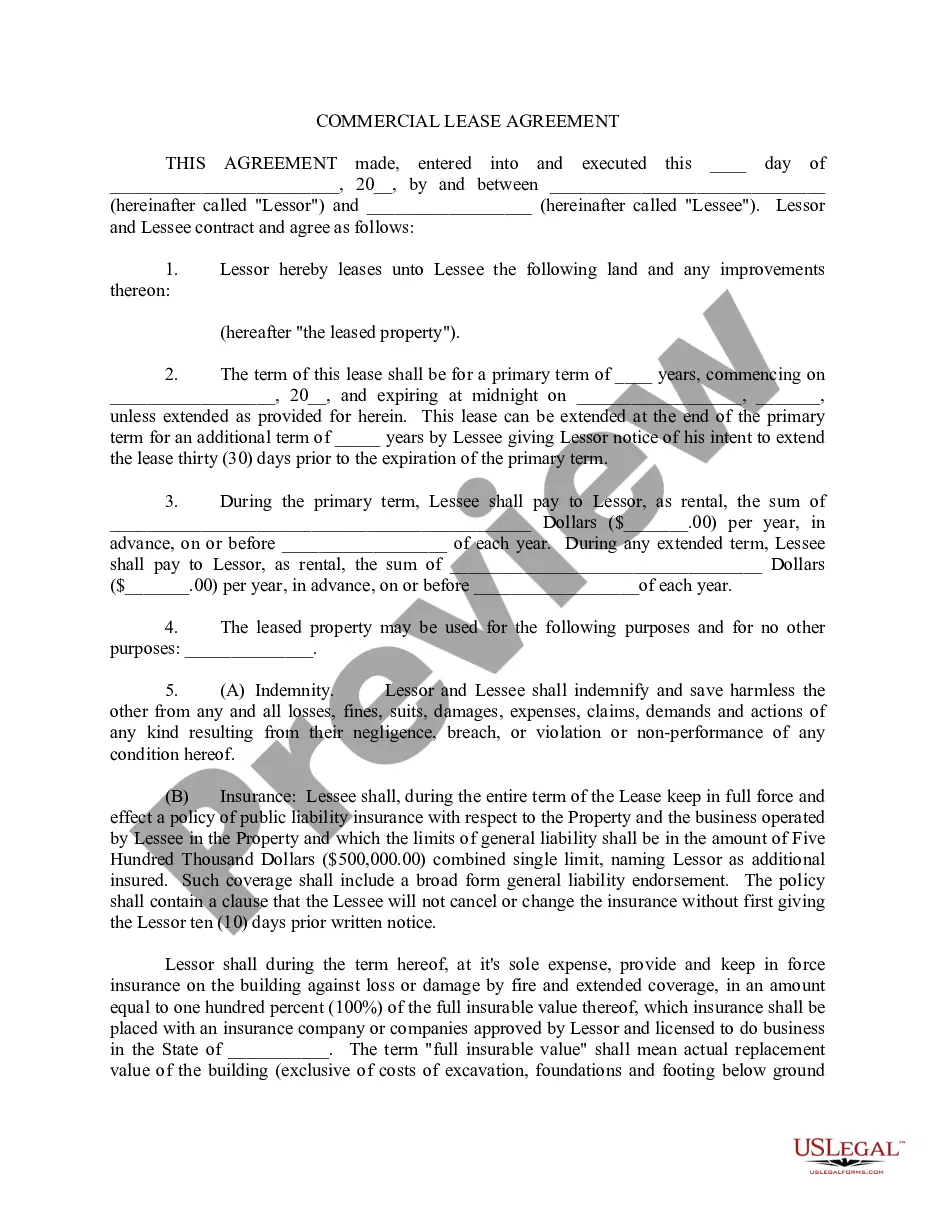

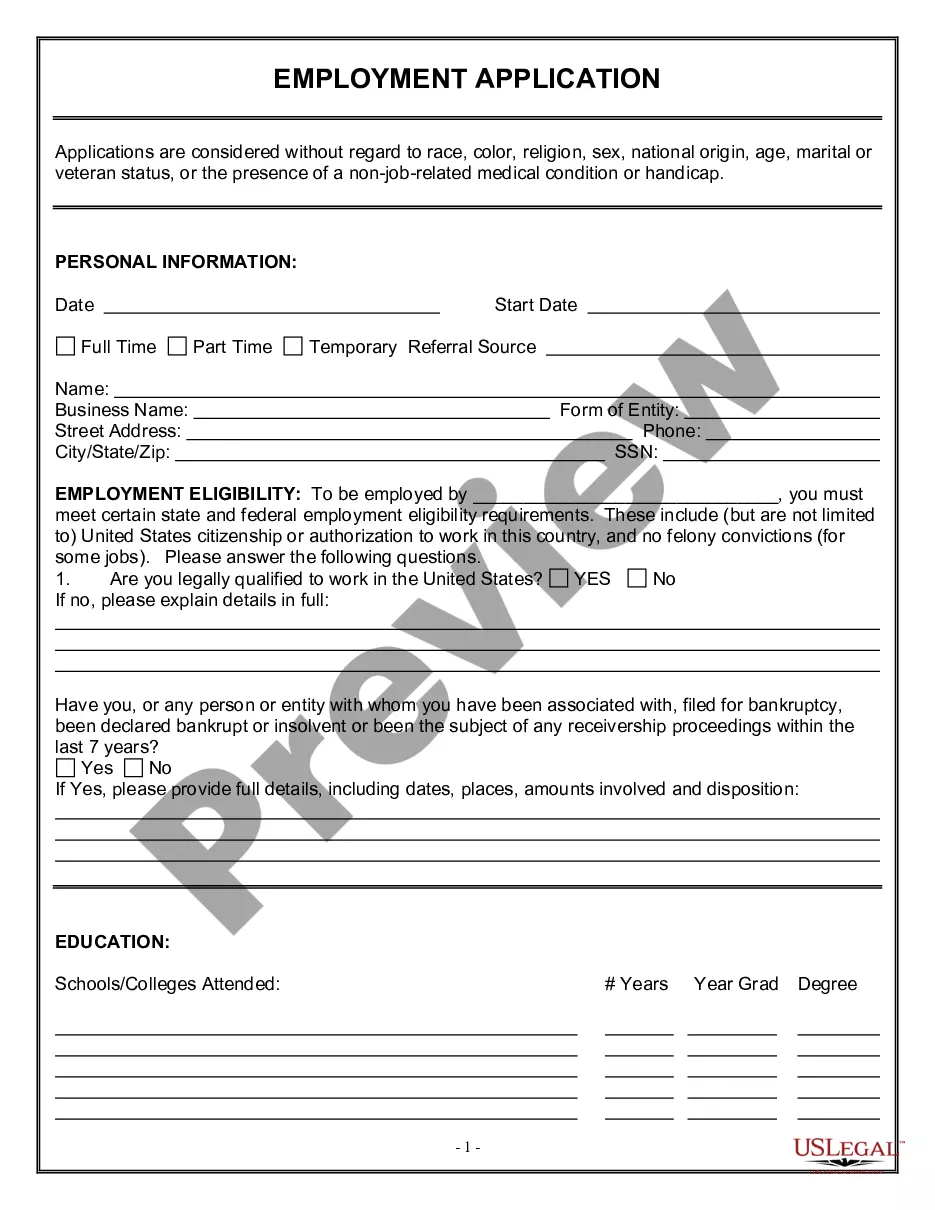





Form popularity
FAQ
Employers must treat employees who are pregnant the same as they would treat any other employee who is temporarily disabled or restricted in work abilities. A pregnant employee who has work limitations must receive the same reasonable accommodations that other employees with work restrictions receive.
In December 2022, President Biden signed the Pregnant Workers Fairness Act (PWFA) into law. This federal law provides workers with the right to reasonable workplace accommodations to address temporary limitations due to pregnancy, childbirth, or related medical conditions. The PWFA went into effect on June 27, 2023.
The long-awaited Pregnant Workers Fairness Act (PWFA) went into effect Tuesday, June 27, 2023. This exciting new law will increase protections for many pregnant workers who previously may not have been entitled to reasonable accommodations related to their pregnancy under other federal laws.
The Family and Medical Leave Act (FMLA) provides certain employees with up to 12 weeks of unpaid, job-protected leave per year. It also requires that their group health benefits be maintained during the leave.
The PWFA requires “covered employers” to provide “reasonable accommodations” to an employee's known limitations due to pregnancy, childbirth, or related medical conditions unless the employer can prove “undue hardship” due to such accommodations.
If you choose not to work because you are pregnant, you cannot receive unemployment compensation. However, if your company fires you because of your pregnancy (and you are “able and available” for work), you can receive unemployment compensation.
The FMLA requires that you provide your employer with at least a 30-day notice of your intentions to take unpaid family time. Your boss will appreciate any additional advance notice to plan around the time you are absent.
7 Ways to Prepare for an Unpaid Maternity Leave Understand your rights under the law. Plan when to use your personal time off. Buy disability insurance. Be strategic about baby registries and requests. Boost your savings. Talk to your boss about work options. Tap into community resources.
How Do I Request FMLA Leave? To take FMLA leave, you must provide your employer with appropriate notice. If you know in advance that you will need FMLA leave (for example, if you are planning to have surgery or you are pregnant), you must give your employer at least 30 days advance notice.
