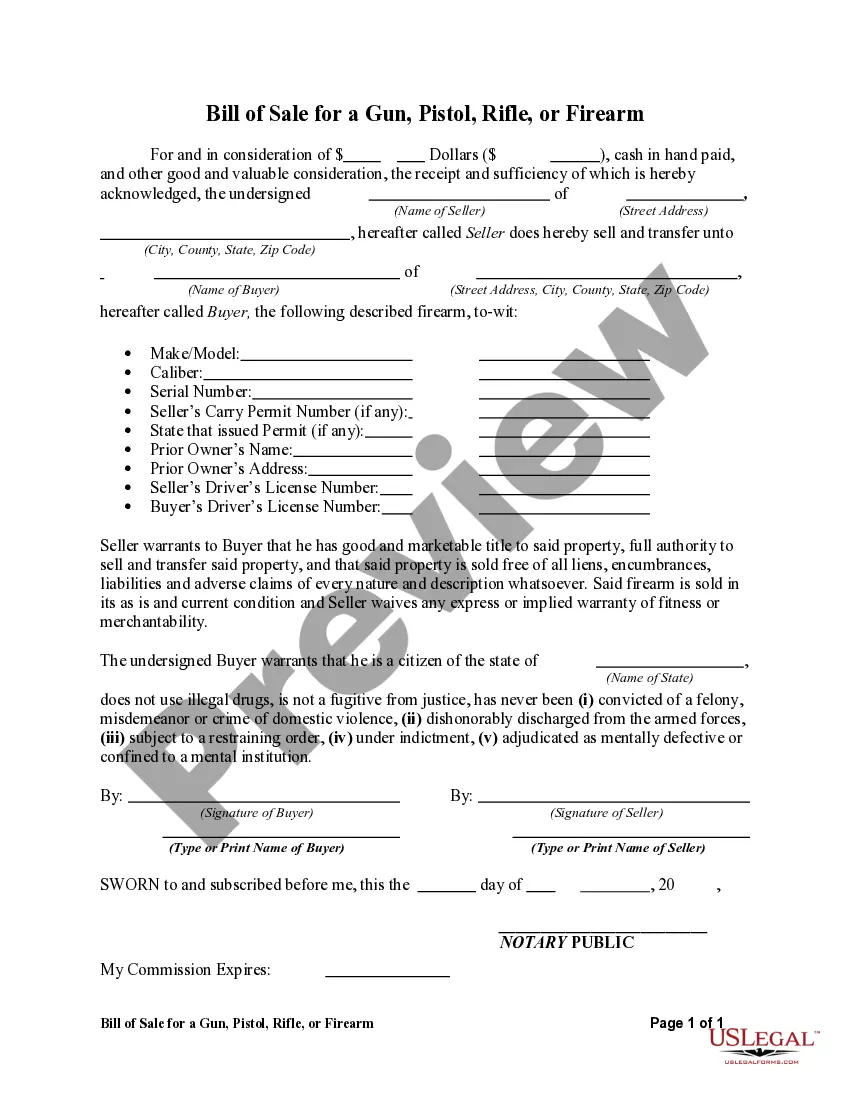
Employment Law Definition In Clark
Description
















Get your form ready online
Our built-in tools help you complete, sign, share, and store your documents in one place.
Make edits, fill in missing information, and update formatting in US Legal Forms—just like you would in MS Word.
Download a copy, print it, send it by email, or mail it via USPS—whatever works best for your next step.
Sign and collect signatures with our SignNow integration. Send to multiple recipients, set reminders, and more. Go Premium to unlock E-Sign.
If this form requires notarization, complete it online through a secure video call—no need to meet a notary in person or wait for an appointment.
We protect your documents and personal data by following strict security and privacy standards.

Make edits, fill in missing information, and update formatting in US Legal Forms—just like you would in MS Word.

Download a copy, print it, send it by email, or mail it via USPS—whatever works best for your next step.

Sign and collect signatures with our SignNow integration. Send to multiple recipients, set reminders, and more. Go Premium to unlock E-Sign.

If this form requires notarization, complete it online through a secure video call—no need to meet a notary in person or wait for an appointment.

We protect your documents and personal data by following strict security and privacy standards.
Looking for another form?








Form popularity
FAQ
Employees typically receive regular wages or salary and benefits and have payroll taxes withheld by the employer. Legal Definitions – In many jurisdictions, common law tests determine employment status based on the degree of control, independence, and economic realities of the work relationship.
DOL and other federal agencies have numerous resources and materials that can help. Department of Labor — DOL is committed to providing America's employers, workers, job seekers and retirees with clear and easy-to-access information on how to be in compliance with federal employment laws.
The FLSA defines employee as "any individual employed by an employer" and employ is defined as including "to suffer or permit to work." The concept of employment in the FLSA is very broad and is tested by "economic reality." Remember that not all Federal laws share common definitions.
The National Labor Relations Act (NLRA) protects employees' rights to organize and engage in collective bargaining with their employers. Other laws, such as Title VII of the Civil Rights Act and the Age Discrimination in Employment Act (ADEA), safeguard employees from harassment and wrongful termination.
The FLSA defines employee as "any individual employed by an employer" and employ is defined as including "to suffer or permit to work." The concept of employment in the FLSA is very broad and is tested by "economic reality."
Labor Code Section 1132.4 – “Employee” means any person who performs services for wages or salary under a contract of employment, express or implied, for an employer.
The basic test for determining whether a worker is an independent contractor or an employee is whether the principal has the right to control the manner and means by which the work is performed.
Conditions of employment are the rules, requirements, and policies an employer and employee agree to abide by during the employee's service to the company. They spell out the rights and obligations of each party. Conditions of employment are also known as terms of employment.
Conditions of employment are the rules, requirements, and policies an employer and employee agree to abide by during the employee's service to the company. They spell out the rights and obligations of each party.
To be liable for paying minimum wage or overtime, a person or entity must be an “employer,” which the FLSA defines in section 3(d) to “include any person acting directly or indirectly in the interest of an employer in relation to an employee.”