Work Law Pay Without Notice In Alameda
Description
















Get your form ready online
Our built-in tools help you complete, sign, share, and store your documents in one place.
Make edits, fill in missing information, and update formatting in US Legal Forms—just like you would in MS Word.
Download a copy, print it, send it by email, or mail it via USPS—whatever works best for your next step.
Sign and collect signatures with our SignNow integration. Send to multiple recipients, set reminders, and more. Go Premium to unlock E-Sign.
If this form requires notarization, complete it online through a secure video call—no need to meet a notary in person or wait for an appointment.
We protect your documents and personal data by following strict security and privacy standards.

Make edits, fill in missing information, and update formatting in US Legal Forms—just like you would in MS Word.

Download a copy, print it, send it by email, or mail it via USPS—whatever works best for your next step.

Sign and collect signatures with our SignNow integration. Send to multiple recipients, set reminders, and more. Go Premium to unlock E-Sign.

If this form requires notarization, complete it online through a secure video call—no need to meet a notary in person or wait for an appointment.

We protect your documents and personal data by following strict security and privacy standards.
Looking for another form?




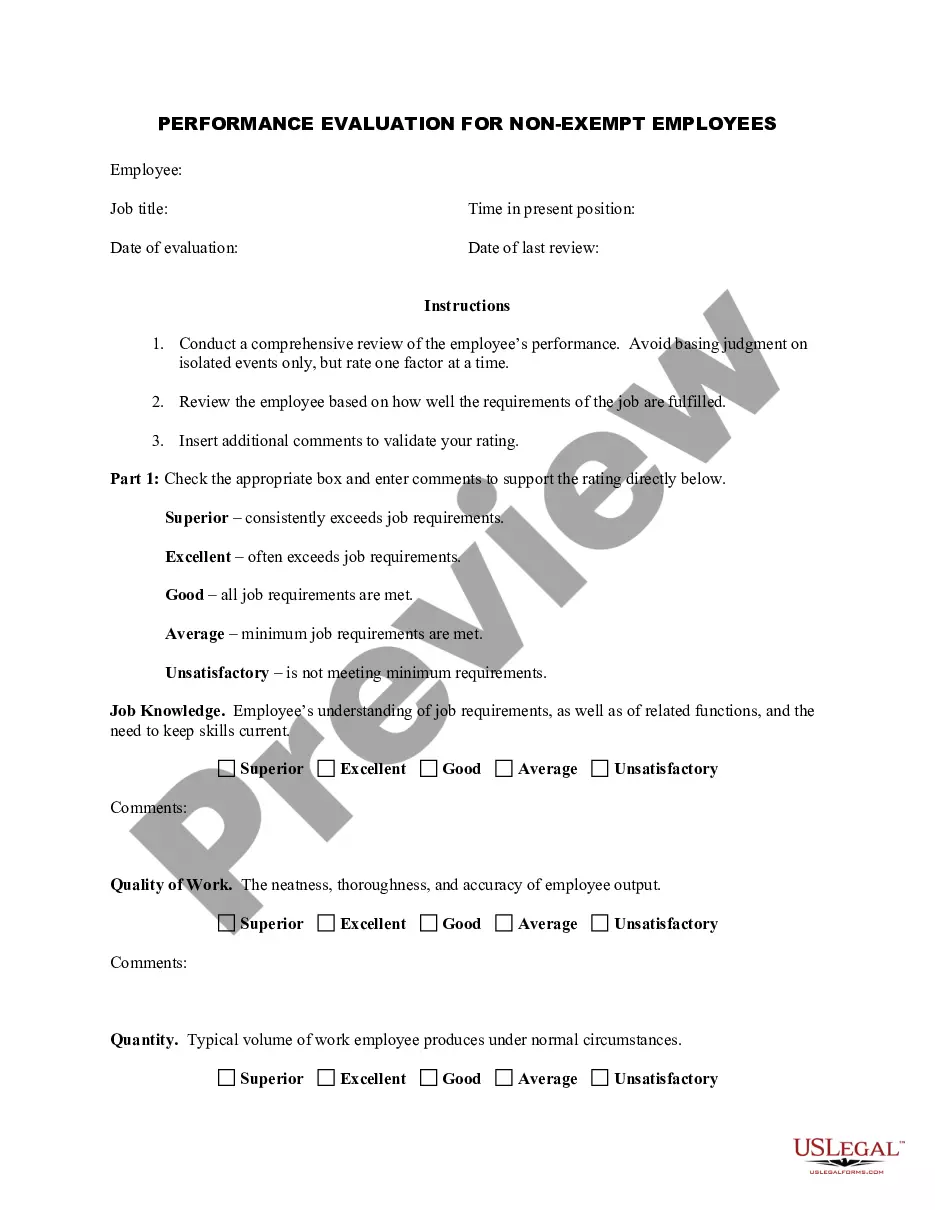

Form popularity
FAQ
Salary History Bans by State and Locality These include: Alabama, California, Colorado, Connecticut, Delaware, District of Columbia, Hawaii, Illinois, Maine, Maryland, Massachusetts, Nevada, New Jersey, New York, North Carolina, Oregon, Pennsylvania, Rhode Island, Vermont, Virginia, and Washington.
Employers with at least one employee must disclose salary ranges to their current employees upon request. Employers with at least 15 employees, with at least one working in California, must meet all the other requirements of the law. Civil penalties are between $100 and $10,000 per violation.
A: Because California allows employers to control their businesses quite freely, there are no laws that dictate the minimum hours an employee has to work. For example, this means that if your employer believes it is beneficial, they can schedule you for two hours per day if they want to.
For initial violations, the penalty is $100 per employee who receives a late paycheck. For additional violations, employers incur a $200 penalty per employee, along with 25% of the unpaid wages. This higher penalty can also apply to an employer's first violation, if the withholding of payment was intentional.
This allows for the “7 minute rule,” where: the first 7 minutes to the increment, 1 through 7, are rounded down, and. the final 7 minutes, or 8-15, are rounded up.
If you wish to report a widespread violation of labor law by your employer or a violation affecting multiple employees, please contact LETF via phone, online lead referral form or email: Call the LETF Public hotline anytime: 855 297 5322. Complete the Online Form / Spanish Form. Email us at letf@dir.ca.
Contact DIR to request an interpreter over the phone: Office NameTopicPhone Numbers Cal/OSHA Workplace Safety and Health 833-579-0927 Labor Commissioner's Office Wages, breaks, retaliation and labor laws 833-526-4636 Division of Workers' Compensation Benefits for work-related injuries and illnesses 1-800-736-74011 more row
Under Labor Code Section 202, when an employee not having a written contact for a definite period quits his or her employment and gives 72 hours prior notice of his or her intention to quit, and quits on the day given in the notice, the employee is entitled to his or her wages at the time of quitting.
Some California wage laws also closely follow federal law. Under federal law, an employer can round down working time lasting seven minutes or less. This can be disappointing, but the California Court of Appeals indicates that employees should at least break even in a rounding system if they work long enough.
