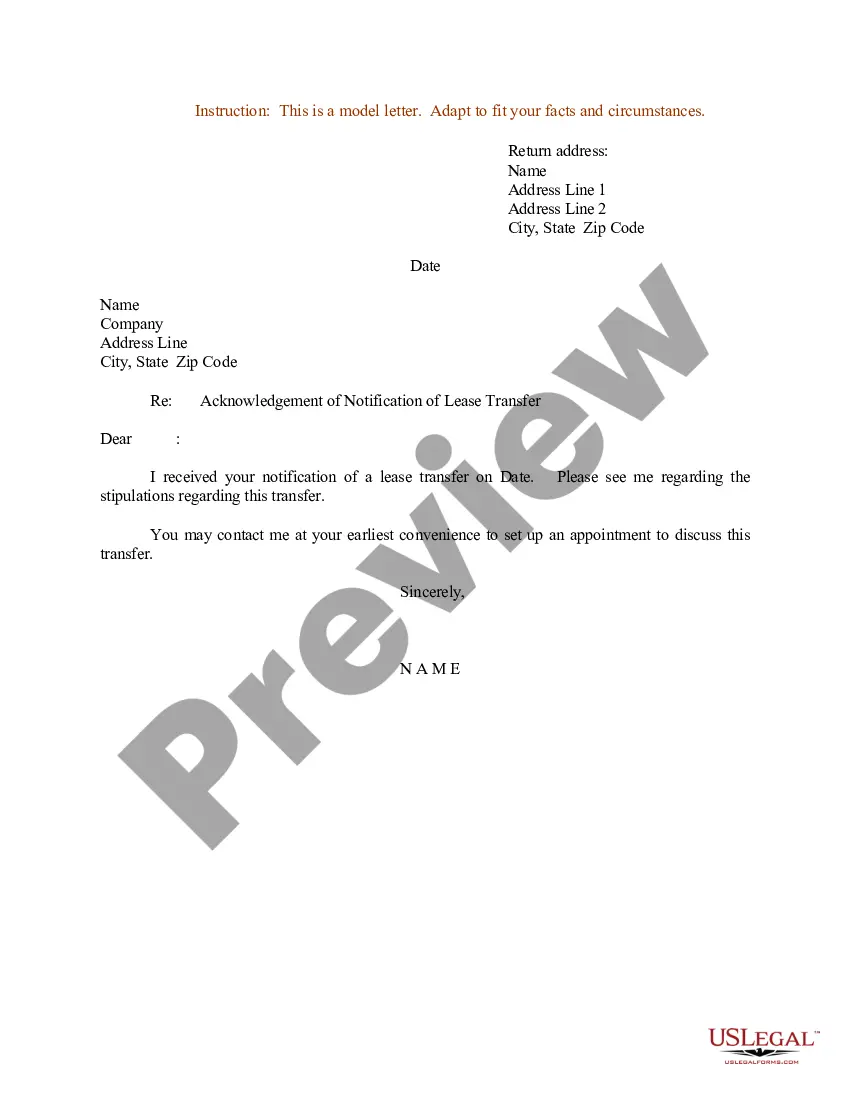
Letter Notification Transfer Without Cheque In Maryland
Description



Get your form ready online
Our built-in tools help you complete, sign, share, and store your documents in one place.
Make edits, fill in missing information, and update formatting in US Legal Forms—just like you would in MS Word.
Download a copy, print it, send it by email, or mail it via USPS—whatever works best for your next step.
Sign and collect signatures with our SignNow integration. Send to multiple recipients, set reminders, and more. Go Premium to unlock E-Sign.
If this form requires notarization, complete it online through a secure video call—no need to meet a notary in person or wait for an appointment.
We protect your documents and personal data by following strict security and privacy standards.

Make edits, fill in missing information, and update formatting in US Legal Forms—just like you would in MS Word.

Download a copy, print it, send it by email, or mail it via USPS—whatever works best for your next step.

Sign and collect signatures with our SignNow integration. Send to multiple recipients, set reminders, and more. Go Premium to unlock E-Sign.

If this form requires notarization, complete it online through a secure video call—no need to meet a notary in person or wait for an appointment.

We protect your documents and personal data by following strict security and privacy standards.
Looking for another form?


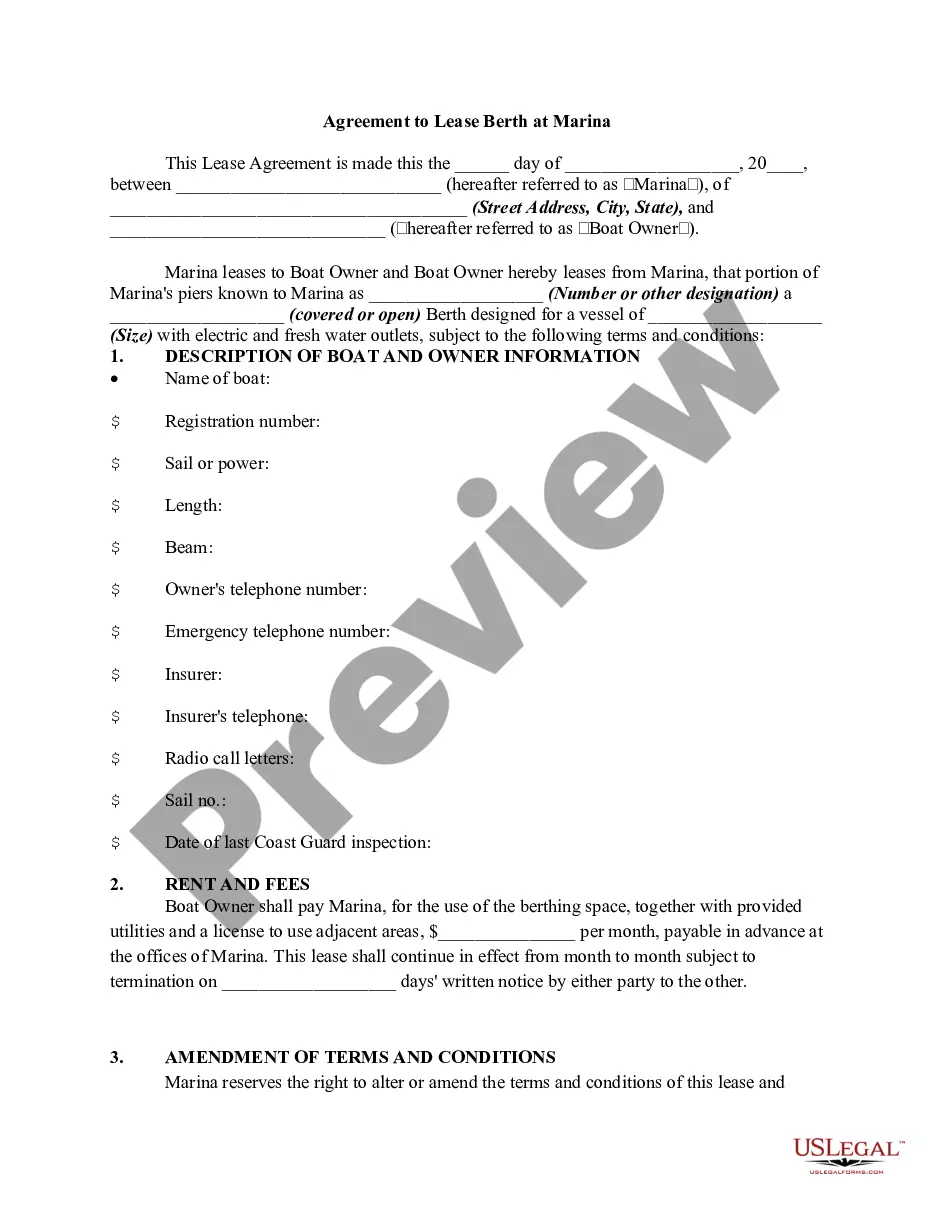







Form popularity
FAQ
The family member needs the title, a certified copy of the death certificate or the letter (form VR-278 or VR-264P) sent by the MVA notifying the surviving vehicle owner that the title must be transferred to remove the deceased owners name.
The title transfer process in Maryland for out-of-state transactions requires obtaining the current title, completing the Maryland Application for Certificate of Title (Form VR-005), and paying the necessary fees. You must visit a local Maryland Motor Vehicle Administration (MVA) office to submit these documents.
Many states don't mandate notarization for bills of sale. States like California, Texas, Florida, Ohio, and New York allow transactions without a notarized document. In these states, a signed bill of sale is often sufficient for legal purposes, provided it includes all required information.
Typically, you will need to submit the following forms to obtain a title for your vehicle: Proof of ownership – This is the vehicle's existing title that identifies you as the owner. If there is a lien against your out-of-state title: Make an appointment to visit MDOT MVA.
You need to make sure that you inform your current state's Department of Motor Vehicles (DMV) of your intent to transfer the title and make sure that you receive a release of liability.
Transferring a car title in Maryland involves completing the Maryland Vehicle Title Application (Form VR-005) and submitting it to the MDOT MVA. The seller must provide the current title, while the buyer completes the title application, pays applicable fees, and obtains necessary signatures.
You not need both parties to be physically present at the time of notarization, but you can only notarize for the person who is appearing before you. The other person can have their signature notarized at another time. Confronted with a tricky notarization?
The seller is responsible for having the vehicle safety inspected by a licensed Maryland inspection station. An automobile dealer, service station or specialized automobile service center can all be licensed as Maryland inspection stations. “Maryland Safety Inspection Certificates” are valid for 90 days.