Types Of Leases Residential In Travis
Description

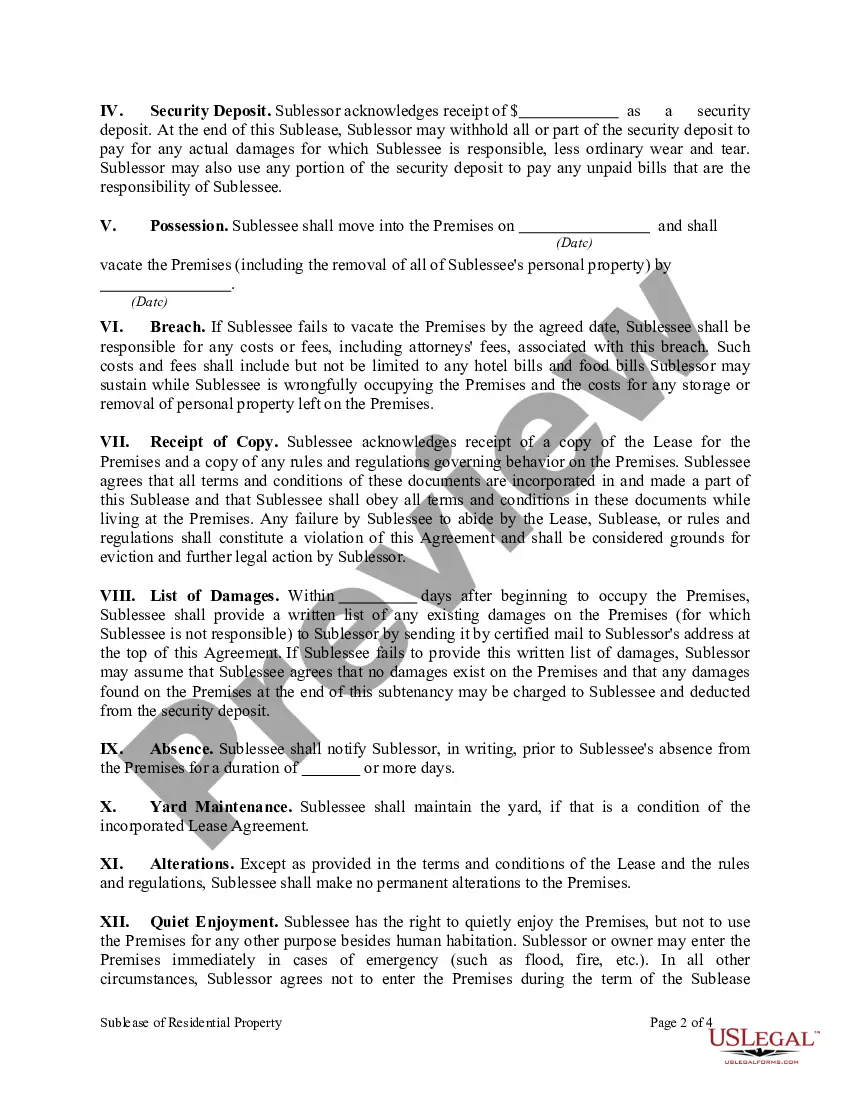
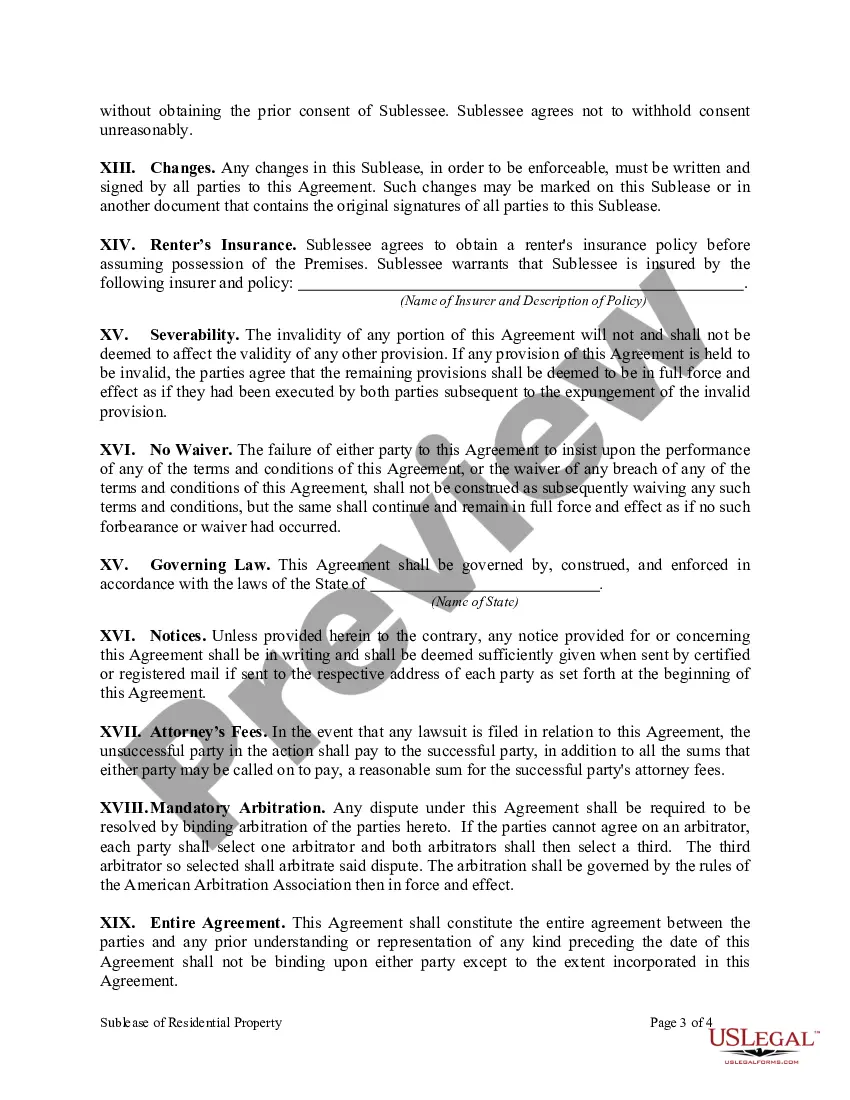
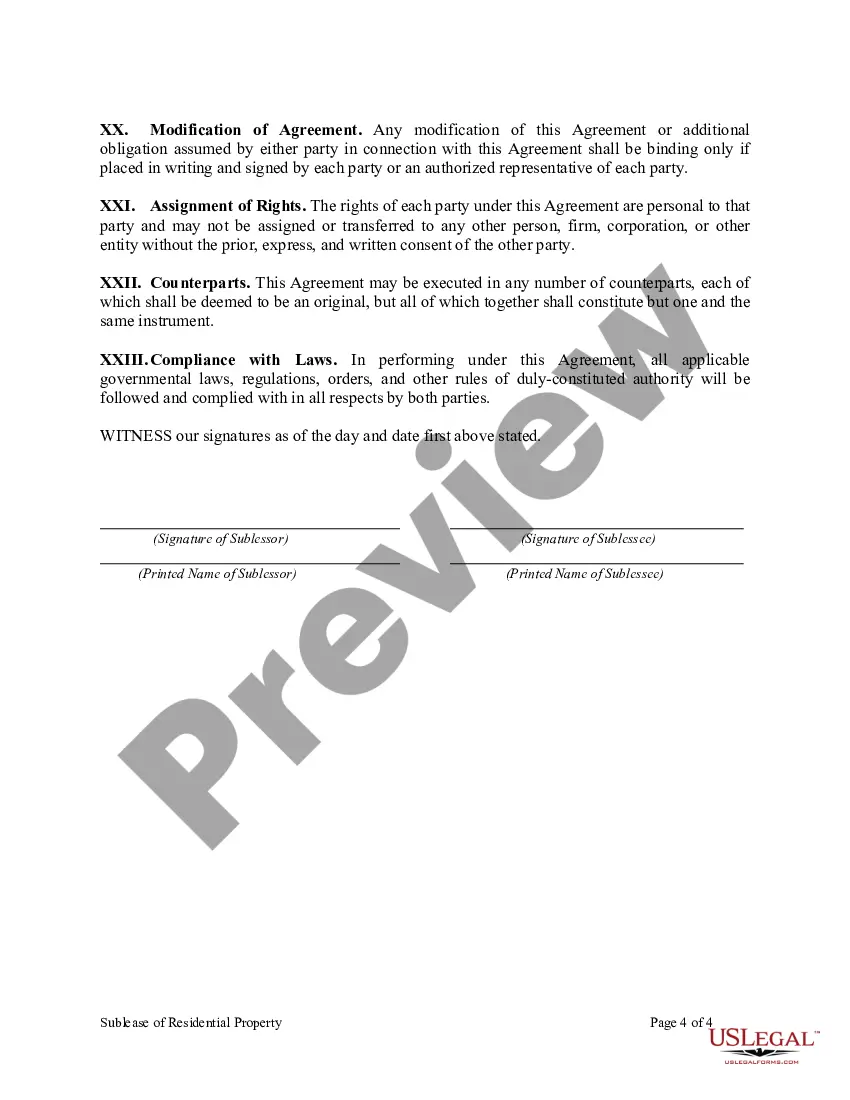

Get your form ready online
Our built-in tools help you complete, sign, share, and store your documents in one place.
Make edits, fill in missing information, and update formatting in US Legal Forms—just like you would in MS Word.
Download a copy, print it, send it by email, or mail it via USPS—whatever works best for your next step.
Sign and collect signatures with our SignNow integration. Send to multiple recipients, set reminders, and more. Go Premium to unlock E-Sign.
If this form requires notarization, complete it online through a secure video call—no need to meet a notary in person or wait for an appointment.
We protect your documents and personal data by following strict security and privacy standards.

Make edits, fill in missing information, and update formatting in US Legal Forms—just like you would in MS Word.

Download a copy, print it, send it by email, or mail it via USPS—whatever works best for your next step.

Sign and collect signatures with our SignNow integration. Send to multiple recipients, set reminders, and more. Go Premium to unlock E-Sign.

If this form requires notarization, complete it online through a secure video call—no need to meet a notary in person or wait for an appointment.

We protect your documents and personal data by following strict security and privacy standards.
Looking for another form?



Form popularity
FAQ
The Top 10 Lease Terms You Should Have When Renting Names. Ensure the lease identifies the lessee (tenant) and the lessor (landlord). Amount of Rent. Spell out the exact amount of rent due each month. Lease Terms. Deposits and Late Fees. Right to Entry. Maintenance and Repairs. Occupancy Limits. Pet Policy.
term lease is the most traditional lease. They're called fixed term because tenants and landlords are agreeing to abide by the lease for a fixed amount of time, normally six to 14 months.
Landlords usually use a single net lease to shift the liability for paying some property taxes to tenants while covering costs like insurance and maintenance themselves. The appeal here is lower base rents for the tenant and reduced risk for the landlord regarding fluctuations in property tax rates.
The three most common types of leases are gross leases, net leases, and modified gross leases.
The most common type of lease contract in residential real estate is Gross Lease. In a gross lease, the tenant pays a fixed amount of rent, and the landlord is responsible for paying all the expenses associated with the property, including property taxes, insurance, and maintenance costs.
5 Things A Landlord Cannot Do In Texas Discriminate Against Protected Classes. Retaliate Against A Complaining Tenant. Ignore Repair Requests That Affect Health And Safety. Unlawfully Withhold Security Deposits. Increase Rent Without Notice.
There are several types of lease agreements, but the most common include fixed-term leases, month-to-month leases, and rent-to-own agreements. Each type has different terms and conditions that suit various tenant and landlord needs.
What is prohibited? Under this law, a landlord may not retaliate by: filing eviction proceedings (unless in certain circumstances listed in Section 92.332, like when a tenant is behind in rent, has intentionally damaged the property, or remains in the property after their lease has ended);
Prop. Code §§ 92.016-017). Renewals: A landlord in Texas may decide to not renew a lease for almost any reason. However, if the lease expires without a 30-day notice to terminate, the relationship will continue on a month-to-month basis.
