Sublease Property Agreement Without Landlord's Permission In Riverside
Description

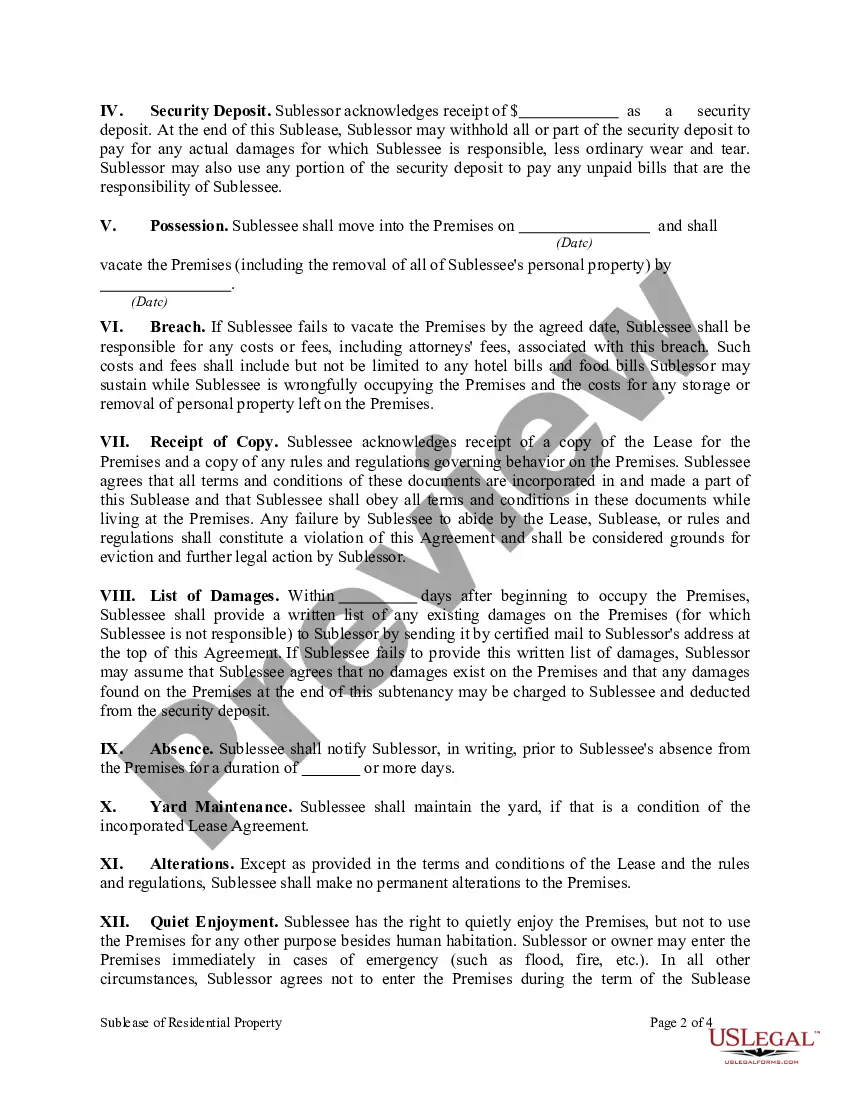
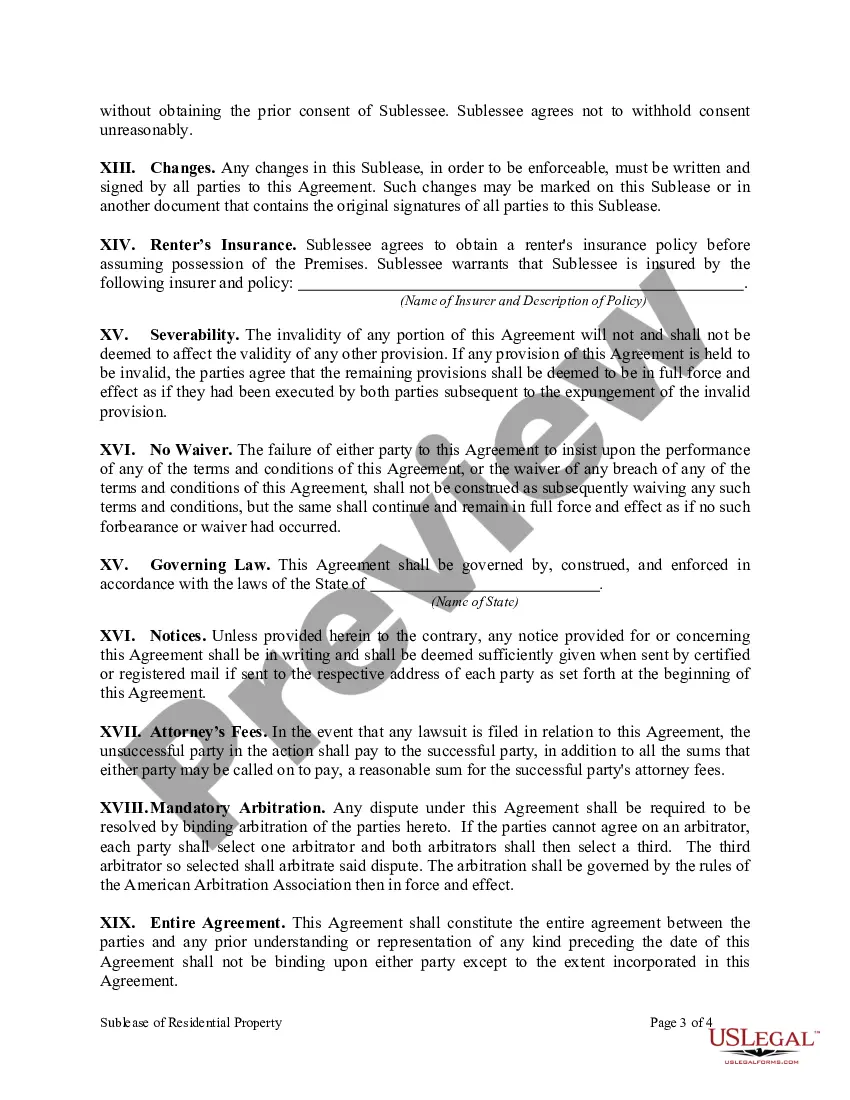
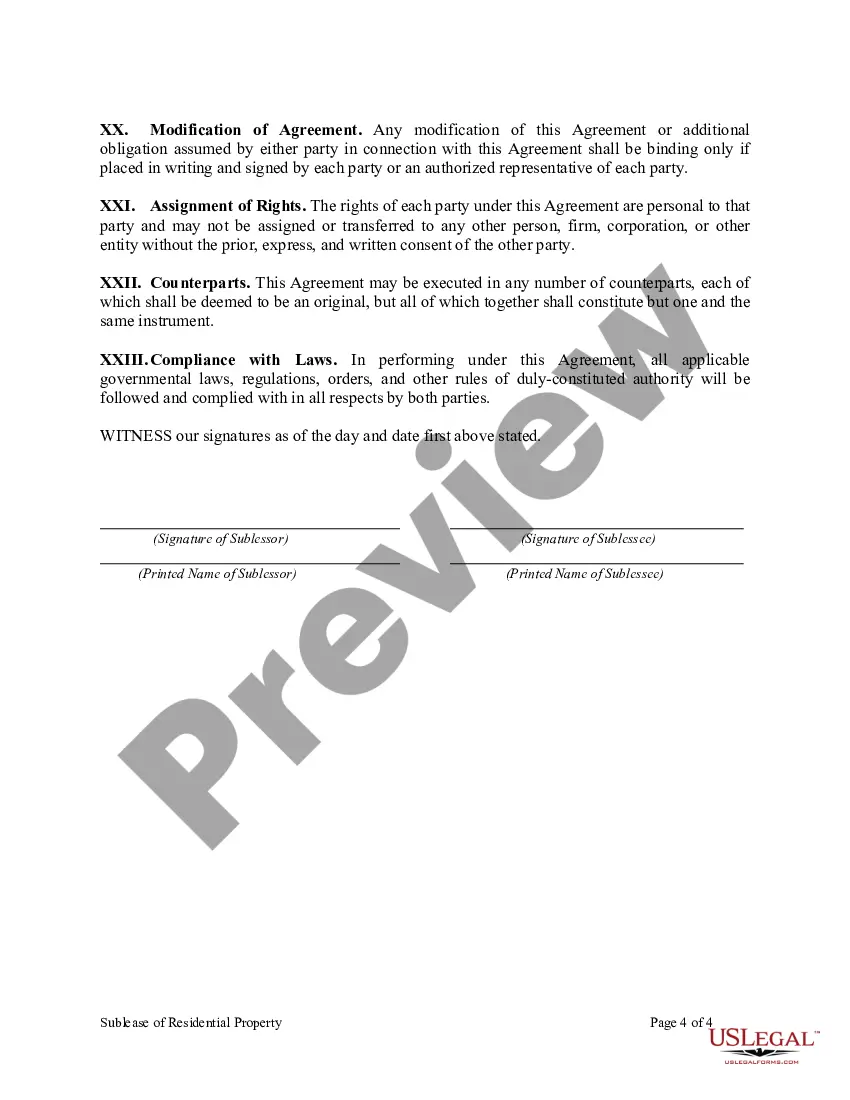
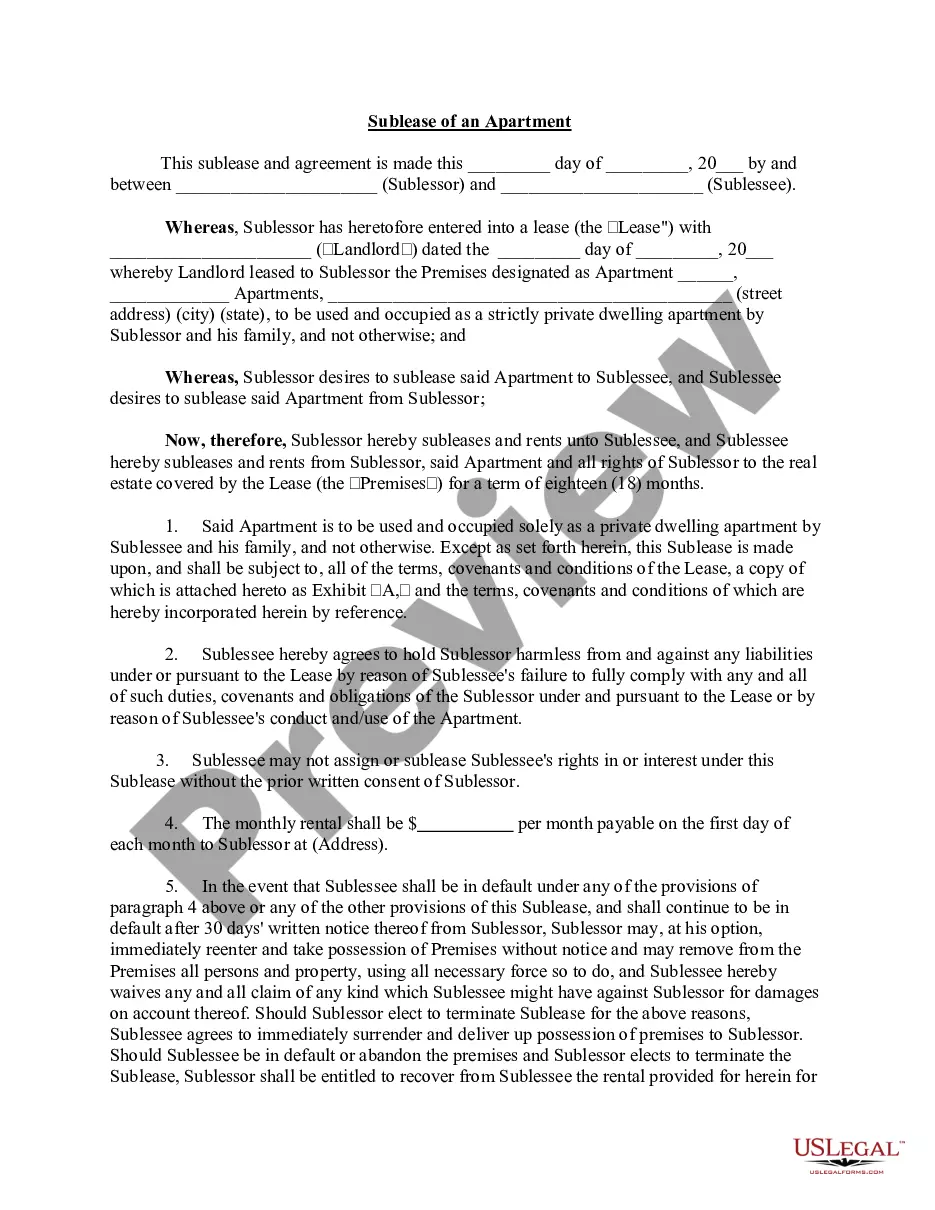
Get your form ready online
Our built-in tools help you complete, sign, share, and store your documents in one place.
Make edits, fill in missing information, and update formatting in US Legal Forms—just like you would in MS Word.
Download a copy, print it, send it by email, or mail it via USPS—whatever works best for your next step.
Sign and collect signatures with our SignNow integration. Send to multiple recipients, set reminders, and more. Go Premium to unlock E-Sign.
If this form requires notarization, complete it online through a secure video call—no need to meet a notary in person or wait for an appointment.
We protect your documents and personal data by following strict security and privacy standards.

Make edits, fill in missing information, and update formatting in US Legal Forms—just like you would in MS Word.

Download a copy, print it, send it by email, or mail it via USPS—whatever works best for your next step.

Sign and collect signatures with our SignNow integration. Send to multiple recipients, set reminders, and more. Go Premium to unlock E-Sign.

If this form requires notarization, complete it online through a secure video call—no need to meet a notary in person or wait for an appointment.

We protect your documents and personal data by following strict security and privacy standards.
Looking for another form?






Form popularity
FAQ
Verbal rental agreements are legally binding in California, but it's best to document important communications and keep records of rent payments. Landlords must follow the proper eviction process, providing adequate notice and obtaining a court judgment, even if there is no written lease.
California law mandates that rental agreements include specific details to ensure clarity and compliance. These elements include: Identifying Parties: Names and contact information of both the landlord and tenant(s).
While tenants in homes protected by eviction control can't be evicted just because their lease is up, a landlord can require a tenant to sign a new lease for the same lease term provided that the lease is “materially the same.” Specifically, the San Francisco Rent Ordinance states that refusing to sign a new lease that ...
Only landlords are allowed to evict their tenants. A master tenant is considered a landlord in relation to his or her subtenant, meaning that a master tenant is able to evict a subtenant. Subtenants do not have the right to evict their master tenant or other subtenants or roommates.
If your agreement doesn't say anything about subletting You don't need your landlord's permission but it's usually best to let them know. If they don't want you to sublet your home, your landlord can get a court order to end your tenancy, evict your subtenant and stop you from moving back in.
Under California civil code, tenants without leases maintain rights like limits on rent increases, proper notice before eviction, and requiring the landlord to maintain habitable living conditions. Be aware that without a lease, landlords only need to provide 30 days' notice to increase rent or terminate tenancy.
