Residential Property Leases With Utilities Included In Ohio
Description

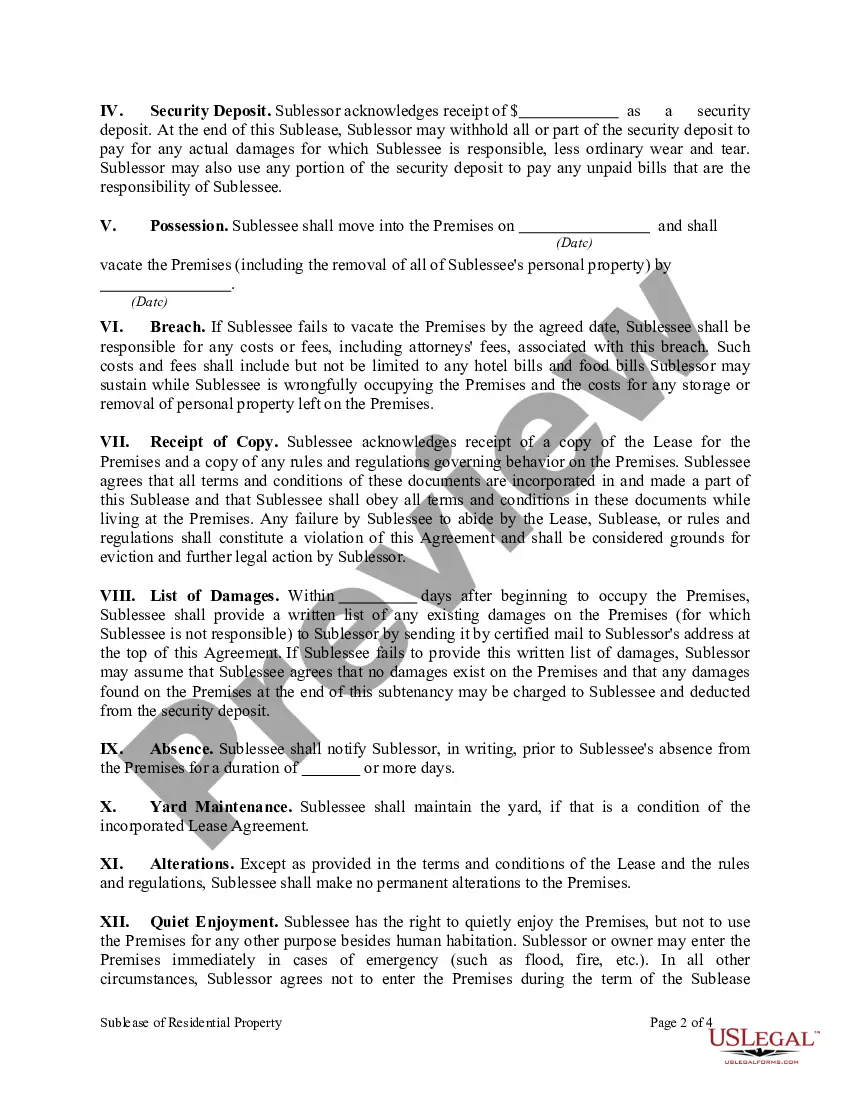
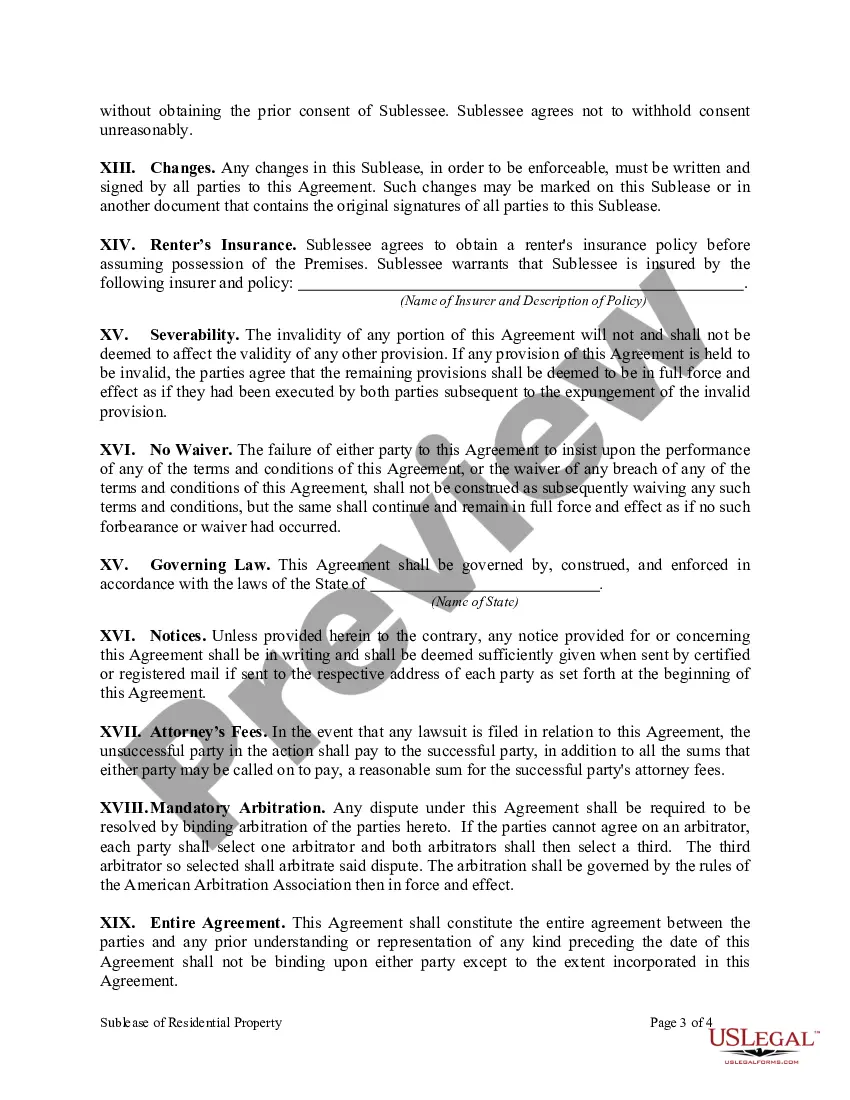
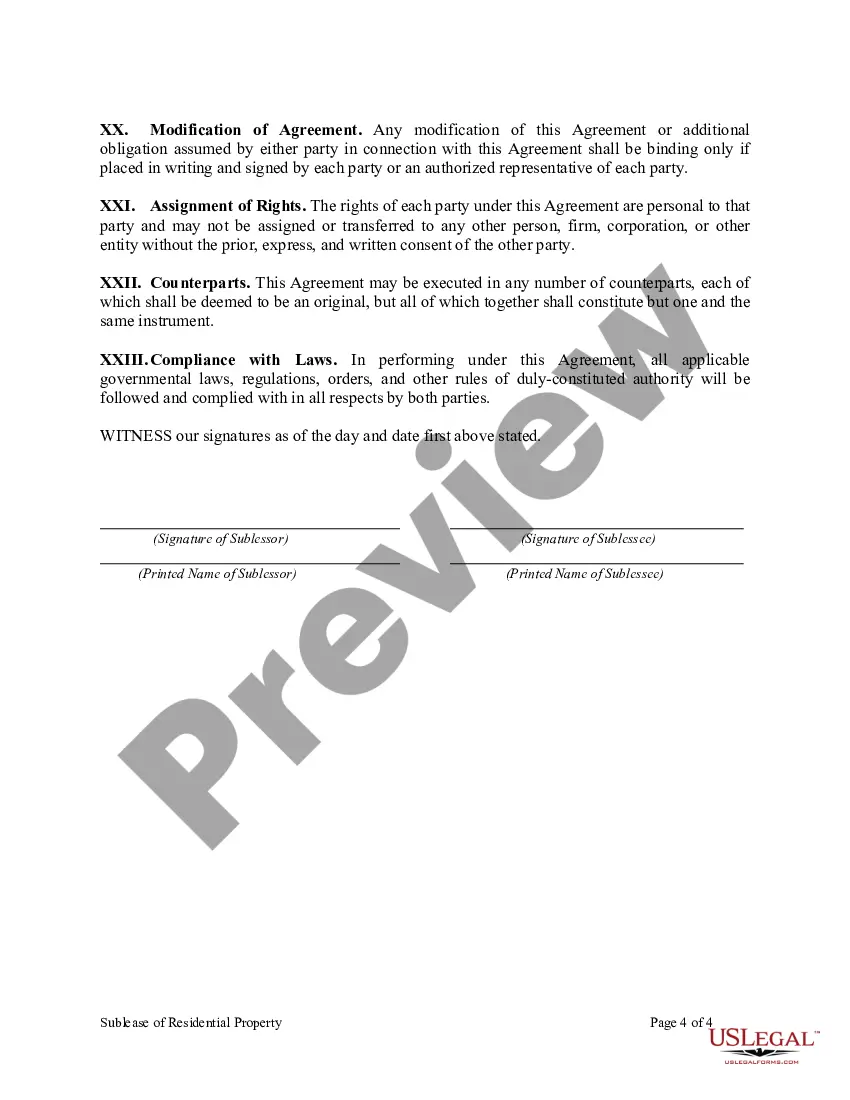
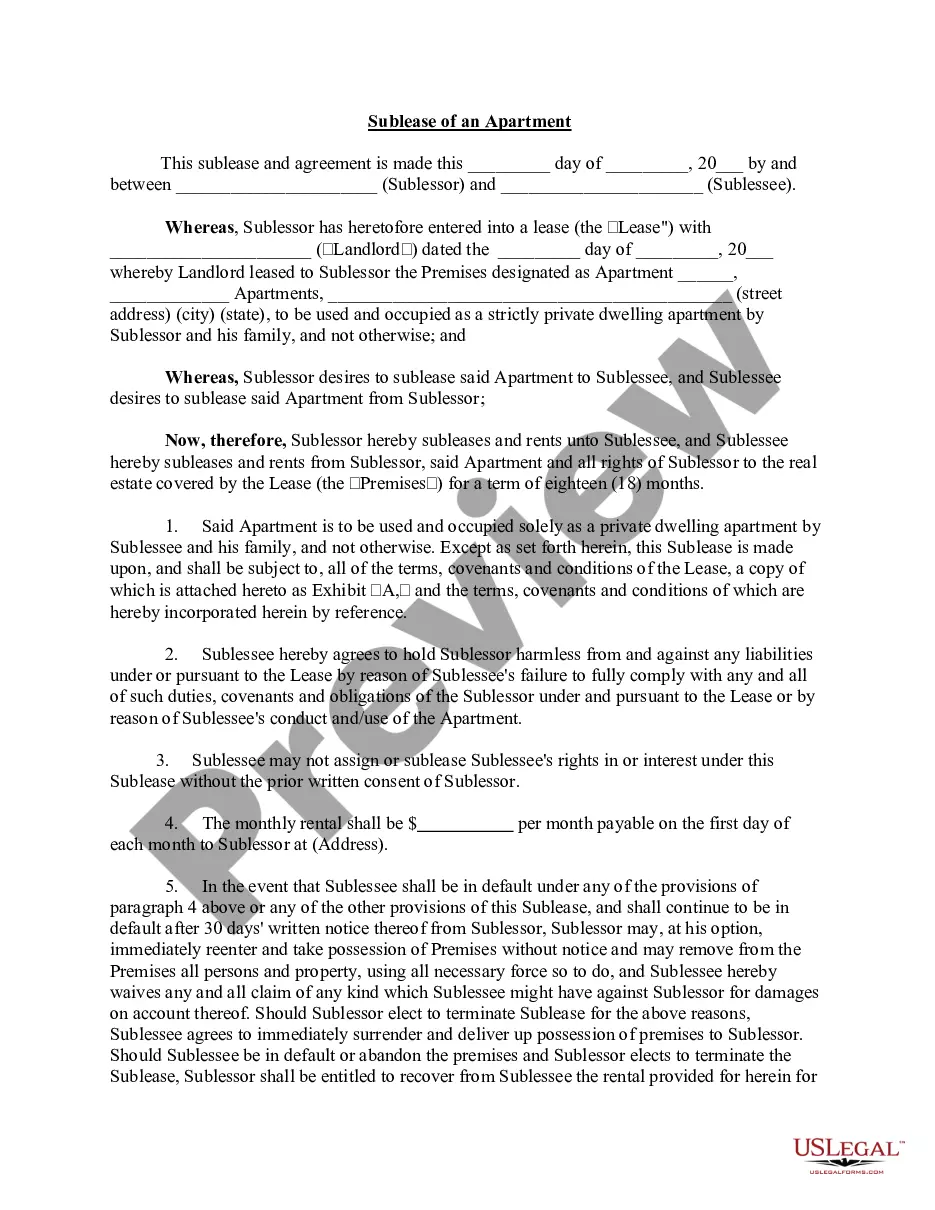
Get your form ready online
Our built-in tools help you complete, sign, share, and store your documents in one place.
Make edits, fill in missing information, and update formatting in US Legal Forms—just like you would in MS Word.
Download a copy, print it, send it by email, or mail it via USPS—whatever works best for your next step.
Sign and collect signatures with our SignNow integration. Send to multiple recipients, set reminders, and more. Go Premium to unlock E-Sign.
If this form requires notarization, complete it online through a secure video call—no need to meet a notary in person or wait for an appointment.
We protect your documents and personal data by following strict security and privacy standards.

Make edits, fill in missing information, and update formatting in US Legal Forms—just like you would in MS Word.

Download a copy, print it, send it by email, or mail it via USPS—whatever works best for your next step.

Sign and collect signatures with our SignNow integration. Send to multiple recipients, set reminders, and more. Go Premium to unlock E-Sign.

If this form requires notarization, complete it online through a secure video call—no need to meet a notary in person or wait for an appointment.

We protect your documents and personal data by following strict security and privacy standards.
Looking for another form?









Form popularity
FAQ
Under a gross lease, the tenant pays a single, fixed rent amount to the landlord. In return, the landlord is responsible for covering all operating expenses related to the property. This includes expenses such as property taxes, insurance costs, utilities charges, and maintenance fees.
How to Transfer Utilities to a New Tenant Make a List of Utilities. Inform Your Tenant About Their Responsibilities. Give Your Tenant Information for Setting Up Utilities in Their Name. Call the Utility Company and Transfer Utilities Yourself. Double-Check to Ensure Your Tenant Has Transferred Utilities.
How to Change Utilities to Your Name. Contact your utility provider at least 2 weeks before the bill needs to be transferred. Provide any required documents, such as your ID and proof of address, either in person or online, and make your deposit, if necessary.
Ask the landlord what companies they're contracted with for utilities, ie do they use the city or a private company, what internet companies have lines to the building, ect. The easiest and cheapest thing to do is to ask them what's already hooked up and just use that.
Typically, utilities include electricity, water, and gas bills. You can also add sewage, trash, and recycling, as well as TV, internet, phone, and streaming services to the list. ⏰ TIP: Utility bills are often used as proof of residence, especially for licensing and passport needs.
The simplest way to determine if utilities when renting are included in monthly rental costs for your residence is to ask the landlord or property management company. Sometimes, the rent is a “package” that includes certain utilities or amenities.
Under Ohio law all leases that have a term of three (3) years or longer must be signed and notarized to be considered valid and in effect. Failure to have a lease with a term of three (3) or more years notarized can potentially invalidate that lease.
How to Transfer Utilities to a New Tenant Make a List of Utilities. Inform Your Tenant About Their Responsibilities. Give Your Tenant Information for Setting Up Utilities in Their Name. Call the Utility Company and Transfer Utilities Yourself. Double-Check to Ensure Your Tenant Has Transferred Utilities.
Here's a list of standard fields that you should include in your lease agreement: Tenant information. Include each tenant's full name and contact information. Rental property description. Security deposit. Monthly rent amount. Utilities. Lease term. Policies. Late fees.
A lease agreement is a legally binding contract outlining the terms under which one party agrees to rent property, whether real or personal, from another party. This agreement includes important details such as the rent amount, duration, responsibilities of both parties, and conditions for terminating the agreement.
