Residential Property Leases Within 30 Days In Nassau
Description

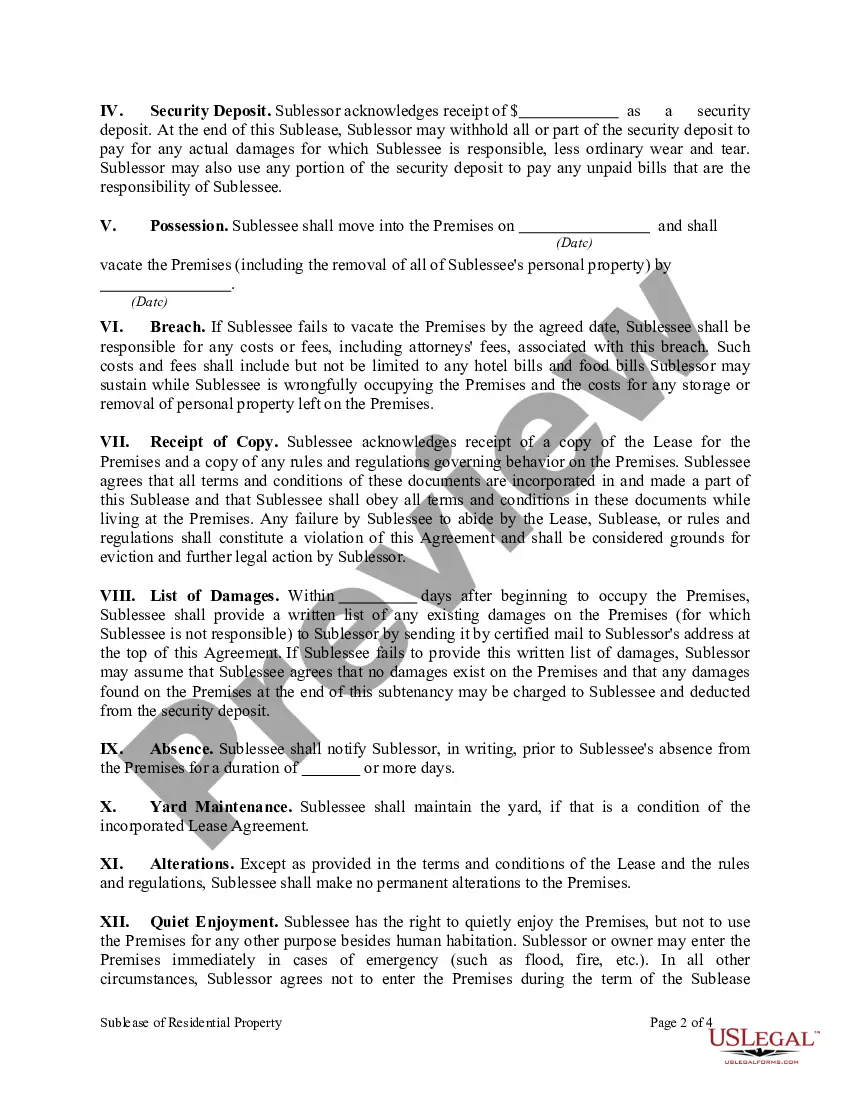
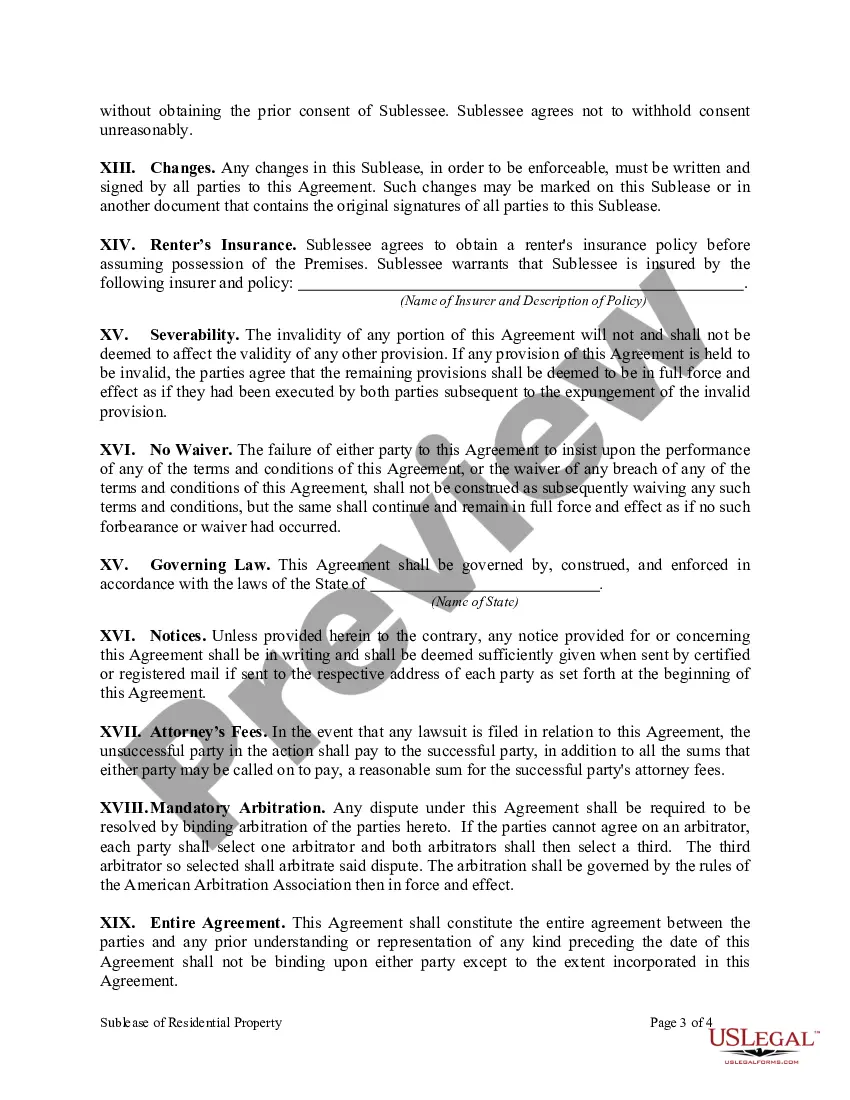
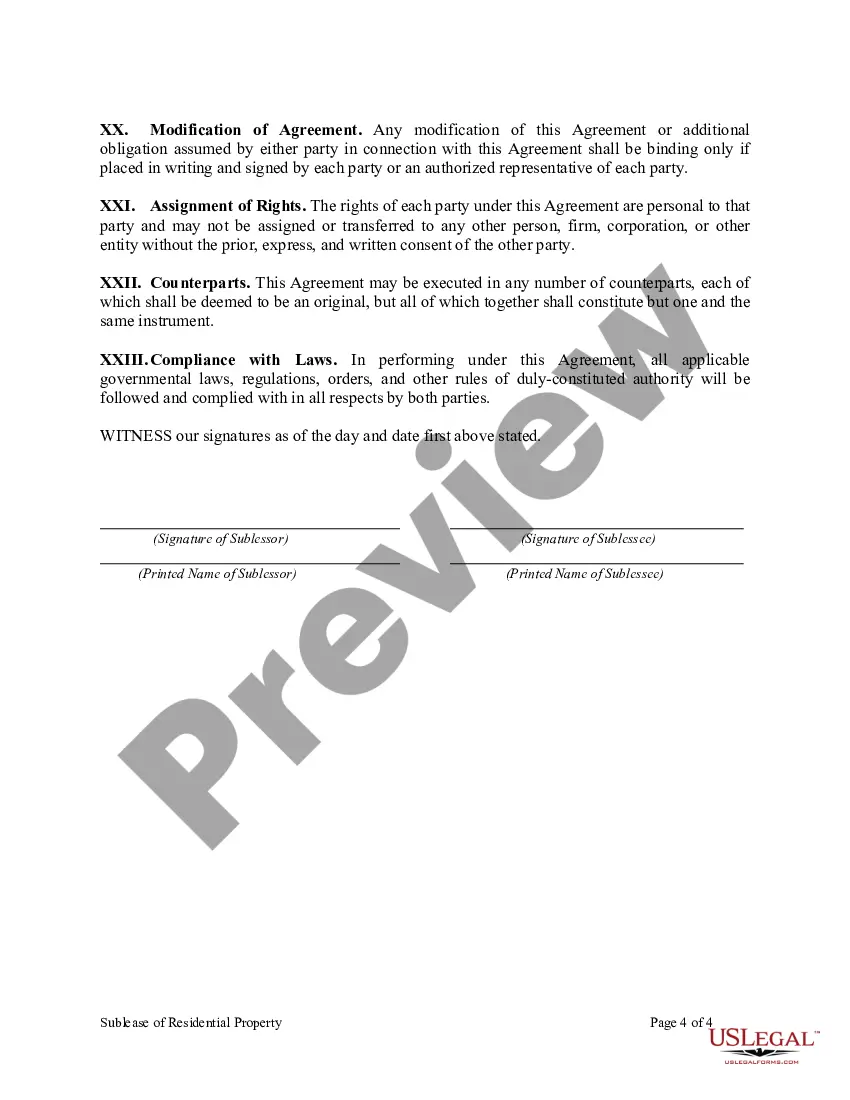

Get your form ready online
Our built-in tools help you complete, sign, share, and store your documents in one place.
Make edits, fill in missing information, and update formatting in US Legal Forms—just like you would in MS Word.
Download a copy, print it, send it by email, or mail it via USPS—whatever works best for your next step.
Sign and collect signatures with our SignNow integration. Send to multiple recipients, set reminders, and more. Go Premium to unlock E-Sign.
If this form requires notarization, complete it online through a secure video call—no need to meet a notary in person or wait for an appointment.
We protect your documents and personal data by following strict security and privacy standards.

Make edits, fill in missing information, and update formatting in US Legal Forms—just like you would in MS Word.

Download a copy, print it, send it by email, or mail it via USPS—whatever works best for your next step.

Sign and collect signatures with our SignNow integration. Send to multiple recipients, set reminders, and more. Go Premium to unlock E-Sign.

If this form requires notarization, complete it online through a secure video call—no need to meet a notary in person or wait for an appointment.

We protect your documents and personal data by following strict security and privacy standards.
Looking for another form?
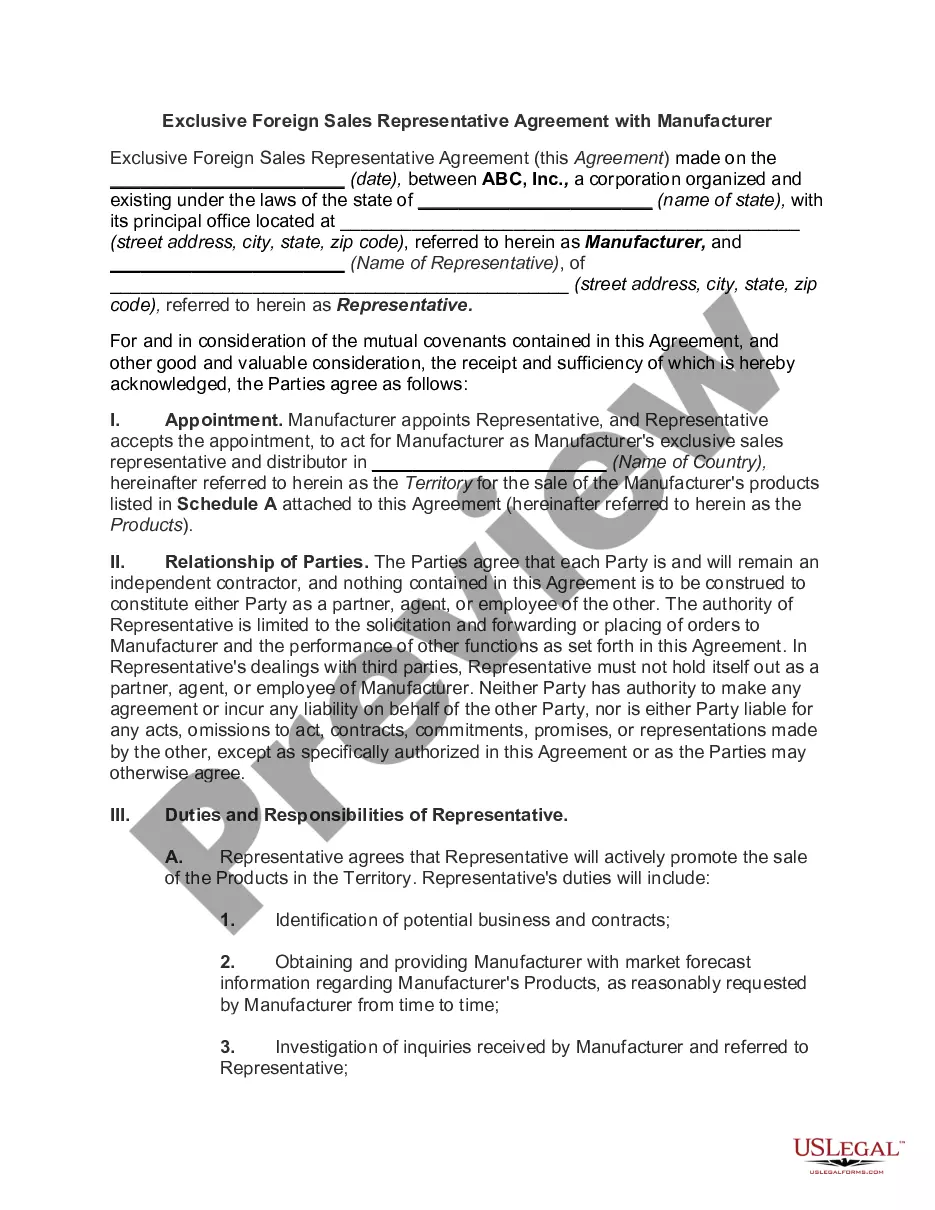



Form popularity
FAQ
Your landlord must give you at least 30 days notice if they are not planning to renew your lease or will raise your rent by more than 5%. If you have been living in your home for over a year, your landlord must give at least 60 days notice.
The law generally prevents certain landlords from raising market-rate rents beyond 5 percent plus the local rate of inflation, up to 10 percent. The inflation figure changes yearly, and is published by the New York State Division of Housing & Community Renewal.
Under the new Good Cause Eviction law, New Yorkers have the right to continue living in their homes without fear of unreasonable eviction or extreme rent increases. In many situations, tenants of market rate housing will now be covered by more expansive protections.
2024 Good Cause Eviction Law Under this law, landlords cannot evict tenants without a valid reason ("good cause”) and tenants can challenge unreasonable rent increases in Housing Court if they are evicted for nonpayment of rent.
A short team lease is generally three to six months, unless it goes month-to-month. The duration can vary depending on the landlord and tenant, but it is less than six months. Anything longer than six to 12 months is considered a long-term lease.
New York Eviction Process Timeline Notice Received by TenantsAverage Timeline Initial Notice Period 14-90 days Issuance and Posting of Summons and Complaint AND Court Hearing and Ruling on the Eviction 10-17 days Posting of Writ of Execution A few hours to a few days Return of Possession 10 days to 1 year1 more row •
In a month-to-month tenancy, either party can terminate the tenancy with just 30 days notice. Neither party has to explain why the tenancy is being terminated, only that it is. The landlord may also raise the rent at any time with the consent of the tenant, and give thirty days notice if the tenant refuses.
Even in the absence of a written lease, a tenant at will is entitled to a fair and formal eviction process. This protection makes sure that landlords follow proper legal procedures. Here are the key components of this right: Proper notice: Landlords must give tenants a formal notice of eviction in advance.
tomonth tenancy may be terminated by either party. If the landlord plans to terminate, they must give notice on the same timeline as terminating nonregulated leases (as described on the previous page). Outside of New York City, the tenant must give one month's notice to terminate the tenancy.
If you need assistance with a landlord-tenant matter, please call Long Island Housing Services at 631-567-5111 ext. 376 t or email info@LIFairHousing.
