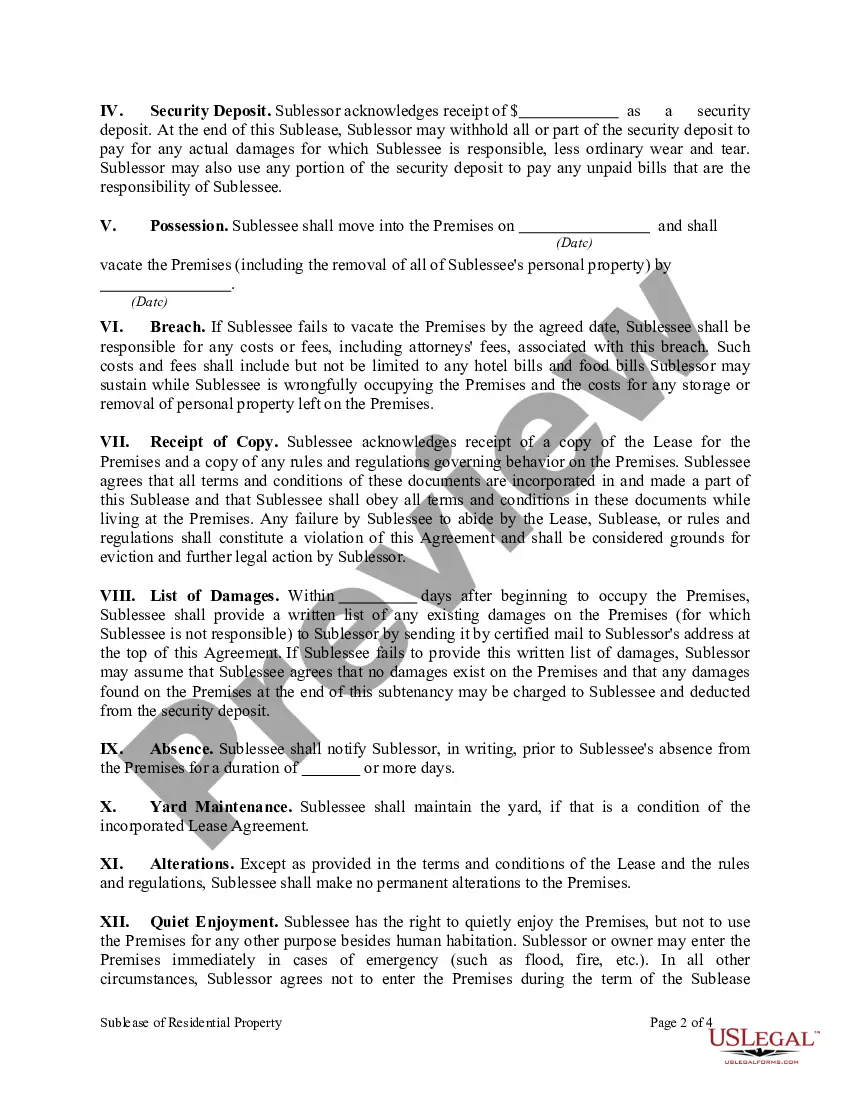
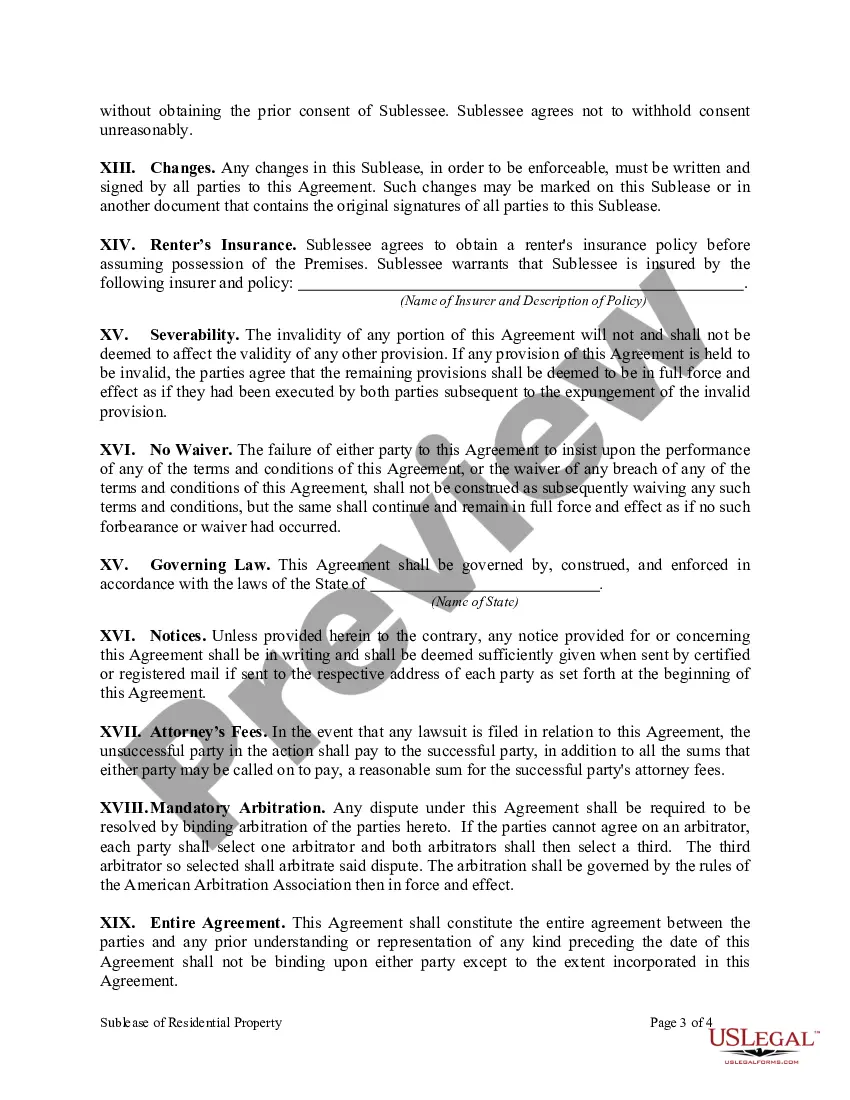
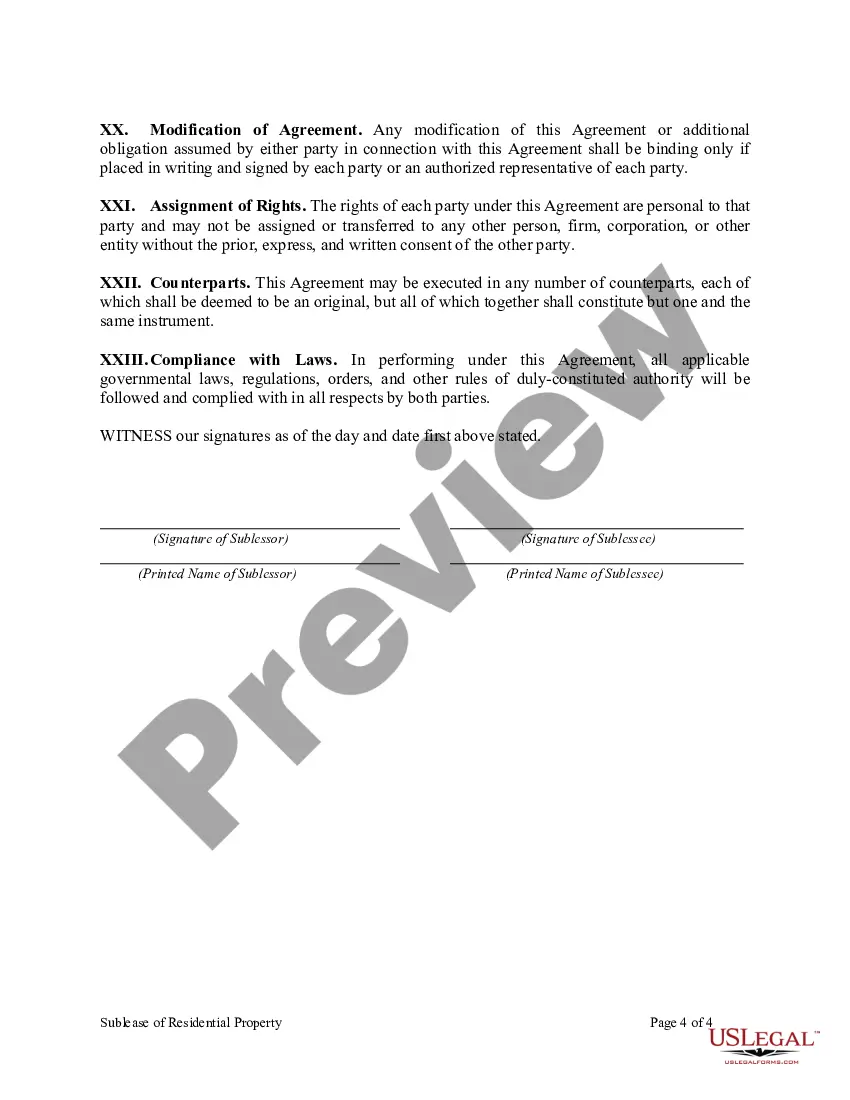
Sublease Agreement Form Ontario In Montgomery
Description


Get your form ready online
Our built-in tools help you complete, sign, share, and store your documents in one place.
Make edits, fill in missing information, and update formatting in US Legal Forms—just like you would in MS Word.
Download a copy, print it, send it by email, or mail it via USPS—whatever works best for your next step.
Sign and collect signatures with our SignNow integration. Send to multiple recipients, set reminders, and more. Go Premium to unlock E-Sign.
If this form requires notarization, complete it online through a secure video call—no need to meet a notary in person or wait for an appointment.
We protect your documents and personal data by following strict security and privacy standards.

Make edits, fill in missing information, and update formatting in US Legal Forms—just like you would in MS Word.

Download a copy, print it, send it by email, or mail it via USPS—whatever works best for your next step.

Sign and collect signatures with our SignNow integration. Send to multiple recipients, set reminders, and more. Go Premium to unlock E-Sign.

If this form requires notarization, complete it online through a secure video call—no need to meet a notary in person or wait for an appointment.

We protect your documents and personal data by following strict security and privacy standards.
Looking for another form?










Form popularity
FAQ
Tenant's Right to Sublet: In Ontario, tenants have the right to sublet their rental unit; however, they must get written approval from their landlord. You cannot unreasonably refuse consent as a landlord, but you should have sufficient information about the subtenant to make an informed decision.
How to Write One Identify all parties to the contract. Define the lease term. Identify the terms and rent amount. Address any other financial responsibilities. Discuss the terms of the security deposit. List any other restrictions. Date and sign the agreement. Attach a copy of the original lease.
The terms sublet and sublease are often used synonymously, but they have very different meanings. The gist is that a sublet occurs when you find a new renter for the property who will sign a new lease with the landlord, while a sublease occupies the space without signing a lease directly with the landlord.
Your Step-by-Step Guide to Subletting in California Read Your Lease Carefully. Obtain Pre-Approval to Sublet. Find and Screen a Subletter. Send a Written Request for Approval. Wait Patiently (but Not Too Patiently). Collect and Store Security Deposit and Rent. Enjoy Your Freedom:
Your landlord can refuse to let you sublet or assign to a particular person only if there is a good reason. For example, the person caused problems for a landlord in the past, such as damaging property or not paying rent. Or, the person has a poor credit history.
Landlord's Consent: Generally, a landlord must consent to a sublease. However, exceptions exist, such as when the landlord unreasonably withholds consent. Sublease Terms: The sublease agreement must be in writing and should include essential terms like rent, duration, and the subtenant's rights and responsibilities.
In the Case of Subletting the Apartment When a current tenant opts for subletting, a notarized letter becomes essential. It serves as a legal document that cements the relationship between the original tenant and the subtenant.
Once each calendar year, at your request, your landlord or rental agency must provide you with a copy of your lease within 15 days of the request under California Civil Code 1962. Your first step would be to make a demand on the landlord for the lease. You should send it in a letter by certified mail.
Contact a local real estate or Landlord/Tenant attorney. Have them draft your first lease and request it on Word. Afterward, you can use it as a template for future leases. It's important to use a local attorney in your state to ensure the lease includes all applicable terms required by your state.
