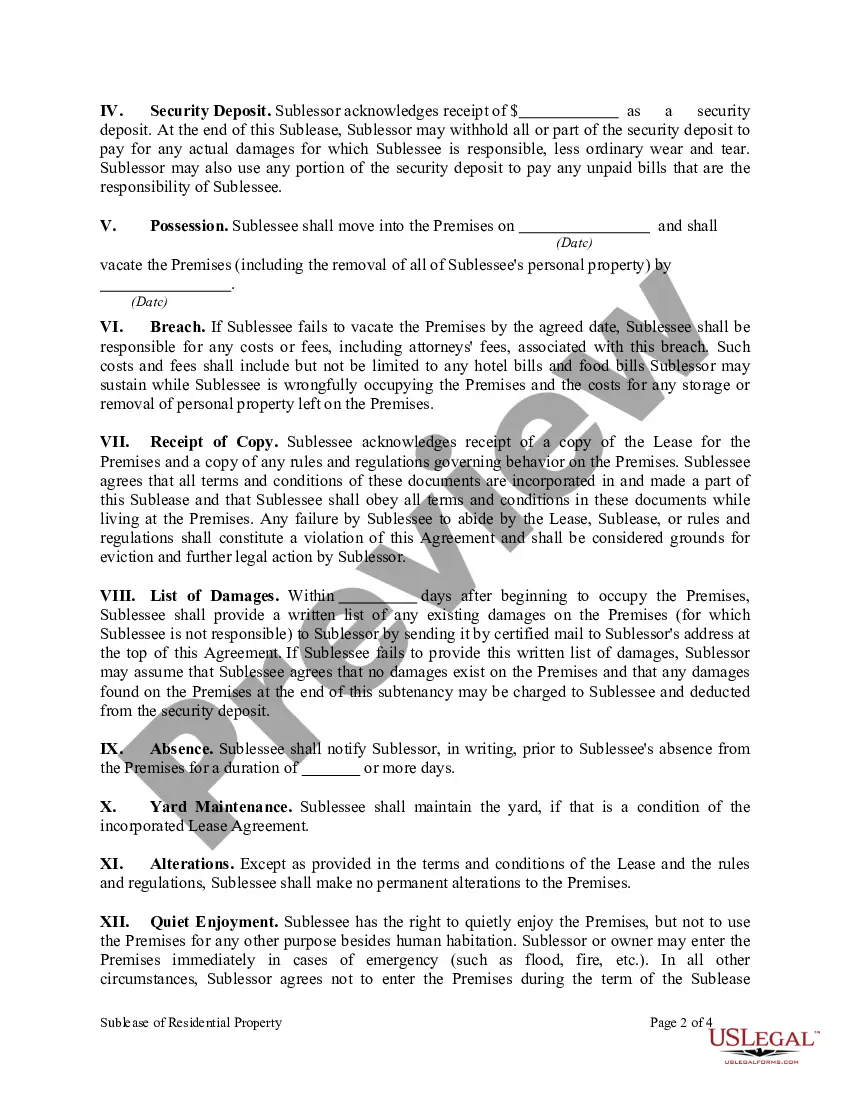
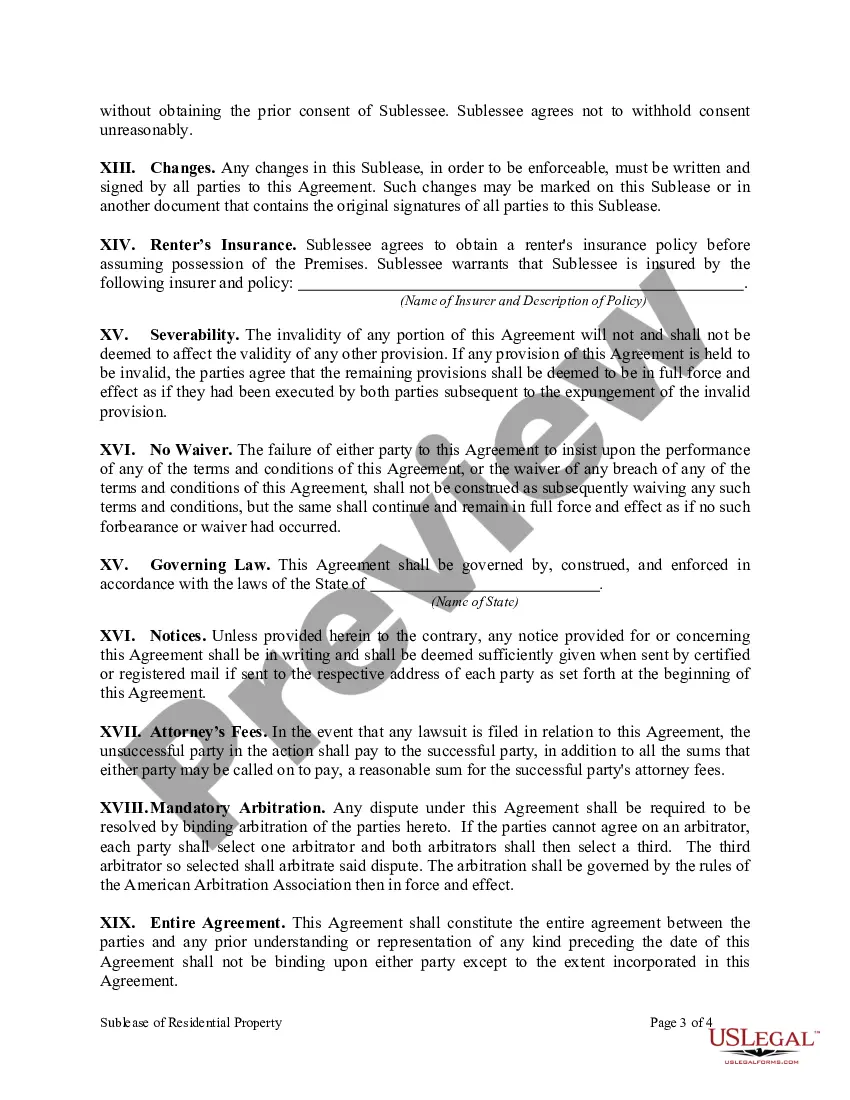
Sublease Form Leases With Landlord In Massachusetts
Description


Get your form ready online
Our built-in tools help you complete, sign, share, and store your documents in one place.
Make edits, fill in missing information, and update formatting in US Legal Forms—just like you would in MS Word.
Download a copy, print it, send it by email, or mail it via USPS—whatever works best for your next step.
Sign and collect signatures with our SignNow integration. Send to multiple recipients, set reminders, and more. Go Premium to unlock E-Sign.
If this form requires notarization, complete it online through a secure video call—no need to meet a notary in person or wait for an appointment.
We protect your documents and personal data by following strict security and privacy standards.

Make edits, fill in missing information, and update formatting in US Legal Forms—just like you would in MS Word.

Download a copy, print it, send it by email, or mail it via USPS—whatever works best for your next step.

Sign and collect signatures with our SignNow integration. Send to multiple recipients, set reminders, and more. Go Premium to unlock E-Sign.

If this form requires notarization, complete it online through a secure video call—no need to meet a notary in person or wait for an appointment.

We protect your documents and personal data by following strict security and privacy standards.
Looking for another form?
Form popularity
FAQ
Allowing subletting can sometimes leave landlords feeling like they've lost control over their property. You may not have a direct say in who your tenants choose to sublease to. This situation becomes complex when the agreement is not specific about the terms of subleasing.
Landlords must approve any sublease and will require the new tenant to sign an agreement between the subleasing tenant and the landlord. This is something you should talk to your landlord about BEFORE you sign a lease, even if you are not sure you are going to be subleasing.
In a sub-letting arrangement, the tenant can rent part or all the property to another person. The tenant remains the landlord's tenant and is still responsible for the tenancy, including the actions of the sub-tenant.
If your tenancy doesn't have a fixed end date you'll need your landlord's permission to sublet your whole home. If they say no, they don't have to give you a reason. If there's a fixed end date for your tenancy, you're allowed to sublet your whole home.
Under California law, unless the lease specifically prohibits subletting, tenants may have the right to sublease their rental unit. In this case, you would not be able to unreasonably withhold consent.
A Tenant's Steps for Subletting. Landlord permission. Check your lease for rules about subletting or "assignment". If you have a lease for a set term, like one year, you can sublet with or without your landlord's permission, unless they prohibit this in the written lease.
A tenant under lease is characterized by a signed agreement that specifies rental terms—such as payment schedule, duration of occupancy, apartment condition, and utilities. A tenant-at-will, on the other hand, signs no formal lease agreement, and may be bound to items listed in a verbal or written agreement.
If your agreement doesn't say anything about subletting You don't need your landlord's permission but it's usually best to let them know. If they don't want you to sublet your home, your landlord can get a court order to end your tenancy, evict your subtenant and stop you from moving back in.
Generally, a landlord cannot take possession of the rental property, physically remove the tenant or their personal property, or change the locks without going through a court. Depending on the reason for eviction, a landlord must provide the tenant either a 14-Day or 30-day Notice to Quit.
When a tenant is evicted for reasons that were not the tenant's fault, a judge may grant a stay of execution for up to 6 months to give a tenant time to find a new place to live, or for other reasons. If the tenant is disabled or over 60, the stay can be up to to 12 months.
