Residential Property Leases Within 30 Days In Los Angeles
Description

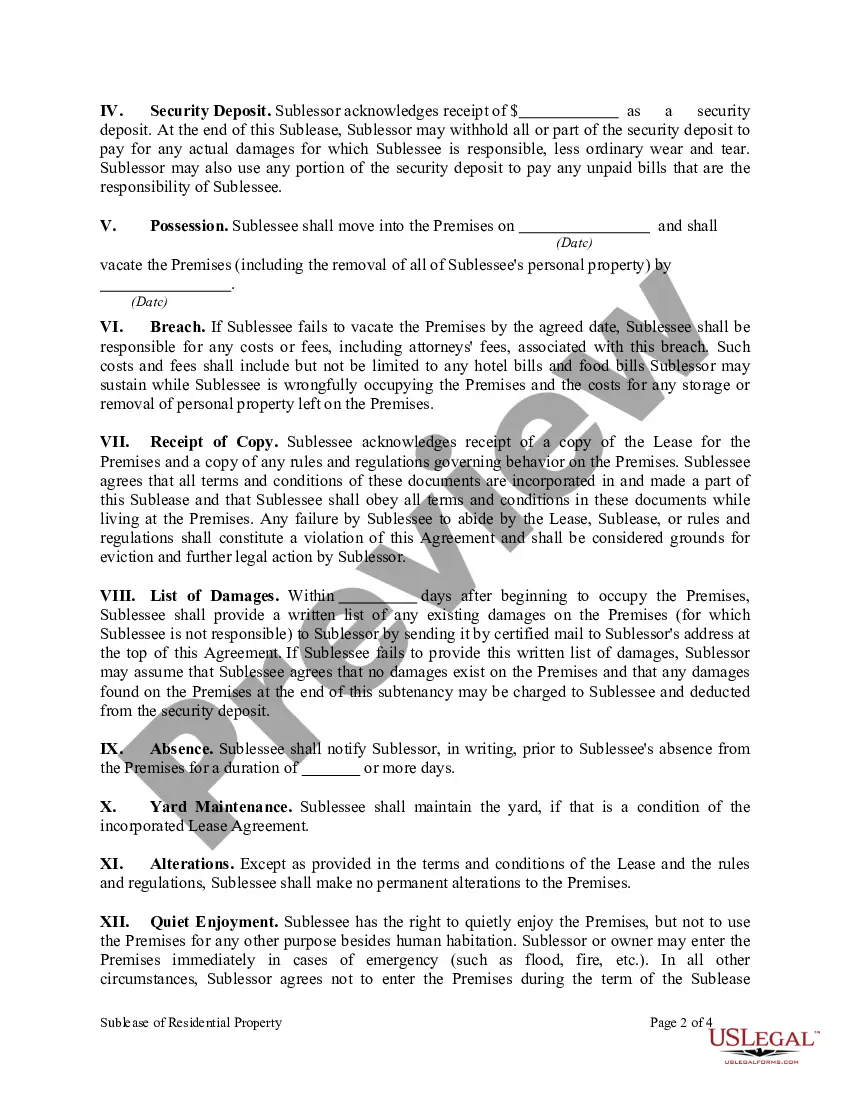
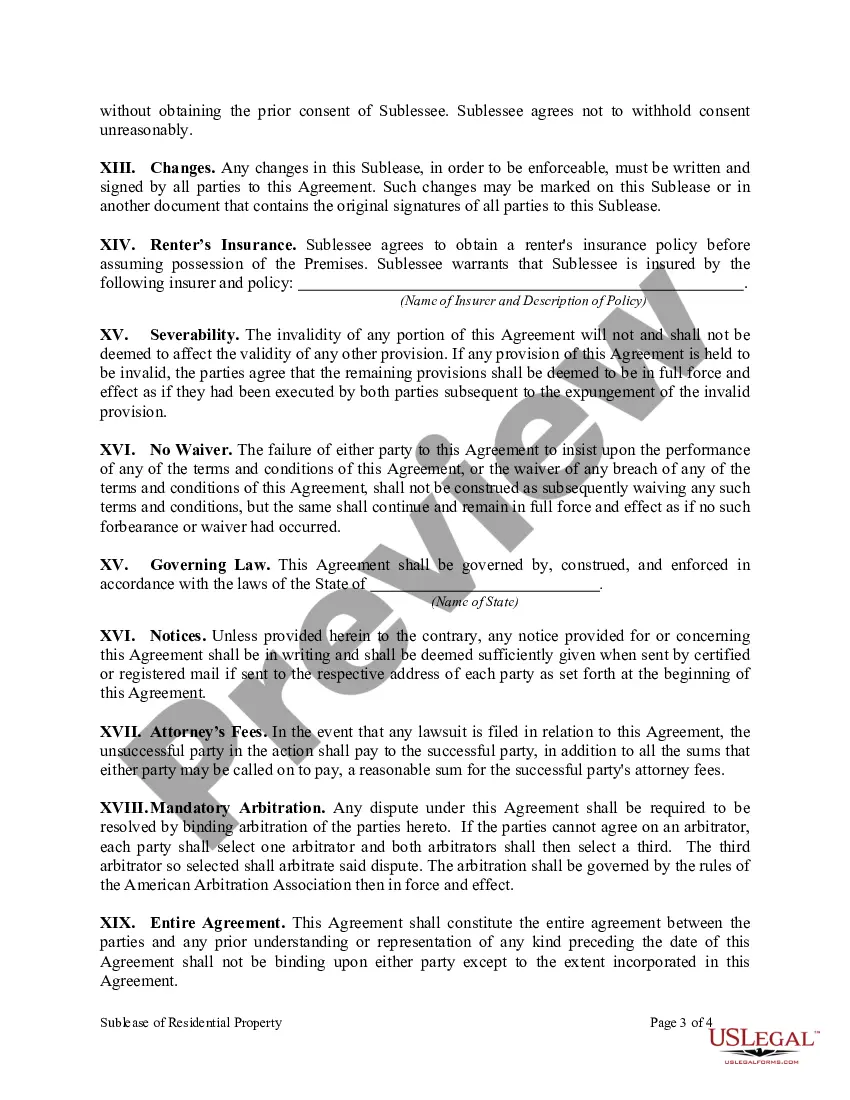
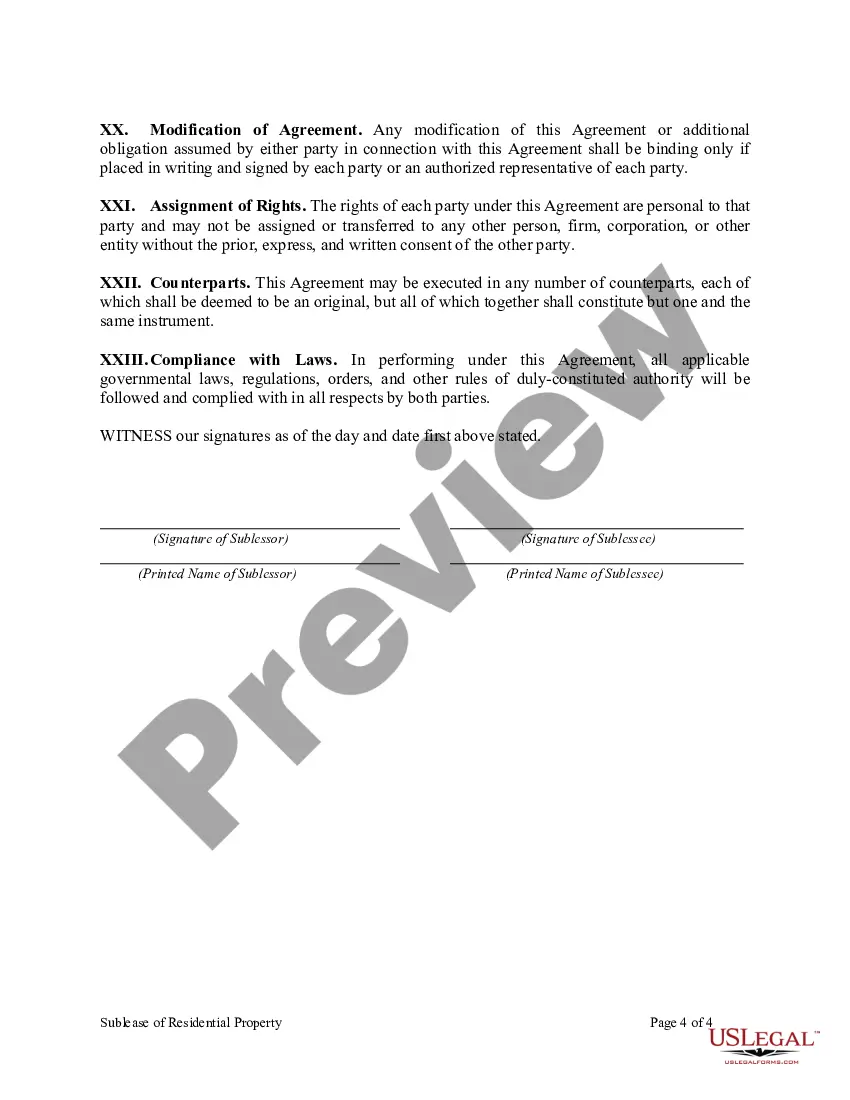
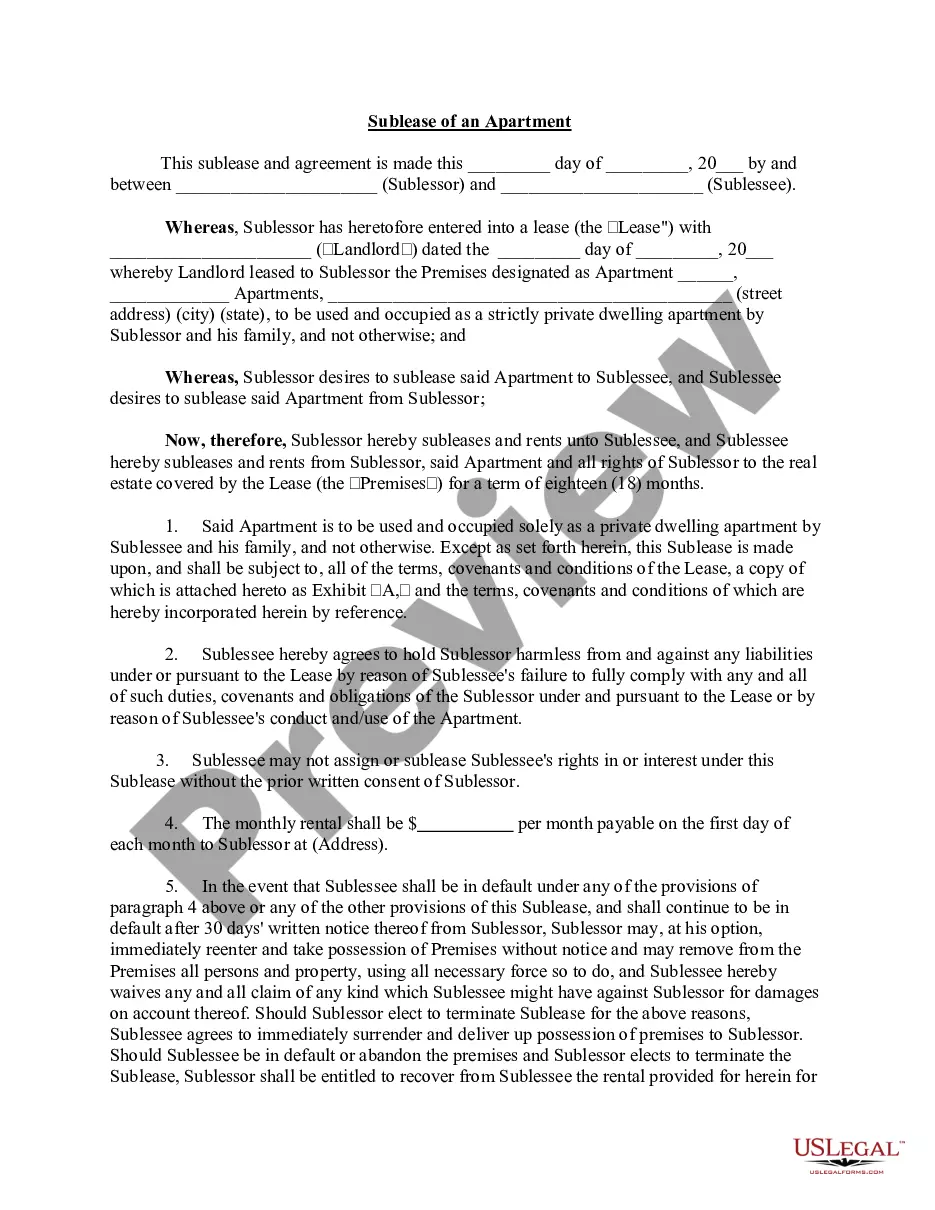
Get your form ready online
Our built-in tools help you complete, sign, share, and store your documents in one place.
Make edits, fill in missing information, and update formatting in US Legal Forms—just like you would in MS Word.
Download a copy, print it, send it by email, or mail it via USPS—whatever works best for your next step.
Sign and collect signatures with our SignNow integration. Send to multiple recipients, set reminders, and more. Go Premium to unlock E-Sign.
If this form requires notarization, complete it online through a secure video call—no need to meet a notary in person or wait for an appointment.
We protect your documents and personal data by following strict security and privacy standards.

Make edits, fill in missing information, and update formatting in US Legal Forms—just like you would in MS Word.

Download a copy, print it, send it by email, or mail it via USPS—whatever works best for your next step.

Sign and collect signatures with our SignNow integration. Send to multiple recipients, set reminders, and more. Go Premium to unlock E-Sign.

If this form requires notarization, complete it online through a secure video call—no need to meet a notary in person or wait for an appointment.

We protect your documents and personal data by following strict security and privacy standards.
Looking for another form?






Form popularity
FAQ
Section 21 of the Housing Act stipulates that a landlord cannot legally obtain possession of a property in the first 6 months. In the unfortunate event a tenant refused to leave at the end of a 4 month fixed term for instance, this would pose problems by making landlords unable to legally regain possession.
30-DAY, 60-DAY AND 90-DAY NOTICES TO MOVE Only a 30-day notice is required if all tenants have lived there less than a year. A 60-day notice is required if all tenants have lived there a year or longer. There is an exception to this rule.
In California, an initial fixed-term lease automatically converts to a monthly rental when: The original rental contract expires and no lease renewal is signed. The tenant continues paying rent after the prior fixed-term ends. The terms roll over into an indefinite month-to-month agreement.
In California, residential rental agreements automatically convert to month-to-month tenancies at the end of your lease term. At the end of each month thereafter, the agreement renews automatically for themselves in perpetuity as long as you, the tenant, remain in possession of your home.
Understanding the Transition from a Fixed-Term Lease to a Month-to-Month Rental in California. In most cases, the transition from a fixed-term lease to a month-to-month arrangement in California happens automatically.
A 30-Day Notice is commonly used by landlords to end or modify a month-to-month lease or a periodic lease. It does not apply to fixed-term leases, which require landlords to honor the lease for its full duration.
Ending a month-to-month agreement – Landlord A 30-day notice is required if the tenant has lived there less than a year. A 60-day notice is required if the tenant has lived there a year or longer. A 90-day notice is required if the tenant is under Section 8.
Loss of Employment, Change of Employment, Job Transfer, Death in the immediate family, Long Term Illness, Partner or Roommate Breakup, or maybe even Lack of Maintenance by the owner, No Heat or Air Conditioning, Horrible Neighbors, or any other reason imaginable. The actual reason is secondary to the situation.
A temporary lease agreement is a legal agreement between the landlord of a property and a tenant that intends to use or occupy it. The difference between a temporary lease agreement and a traditional lease agreement is the occupancy of the property is on a shorter-term or seasonal basis.
Some leases include early termination clauses that outline the conditions under which you can break the lease without penalties. Mutual Agreement: The easiest way to break a lease is to negotiate with the landlord. If both parties agree, you may be able to terminate the lease without penalties.
