Examples Of Residential Property In Fulton
Description

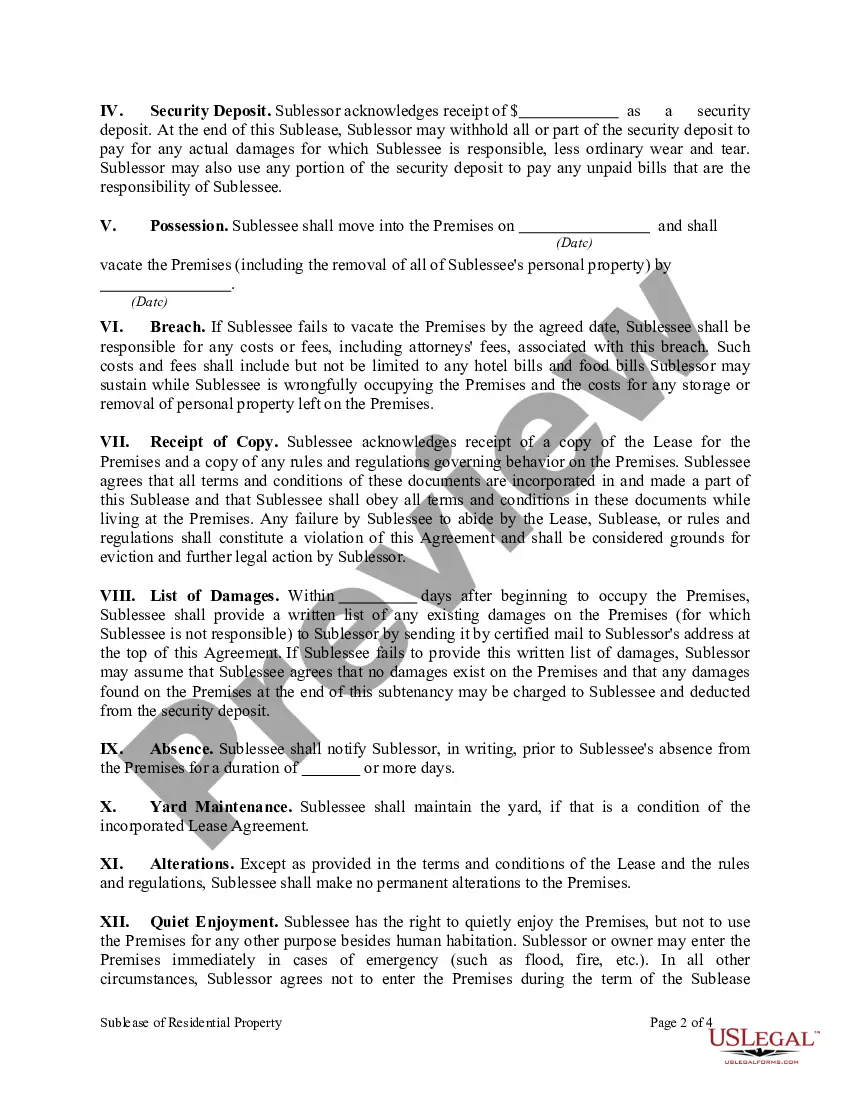
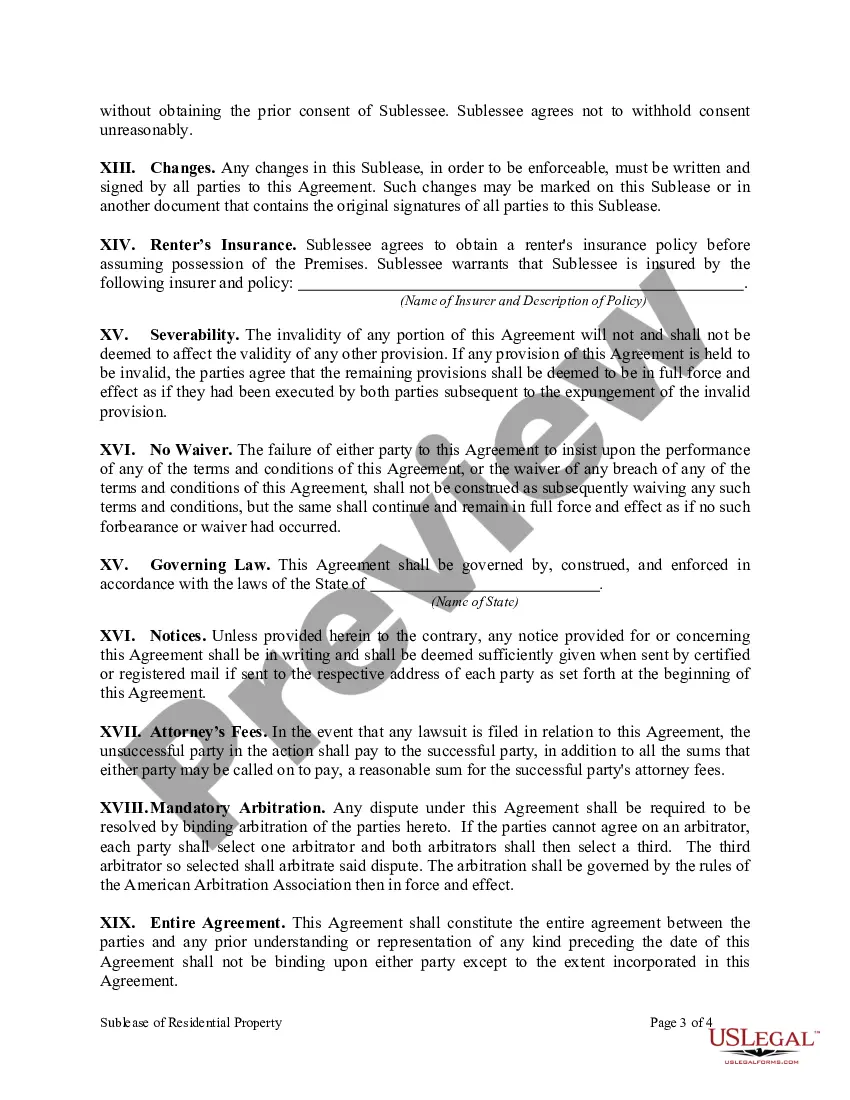
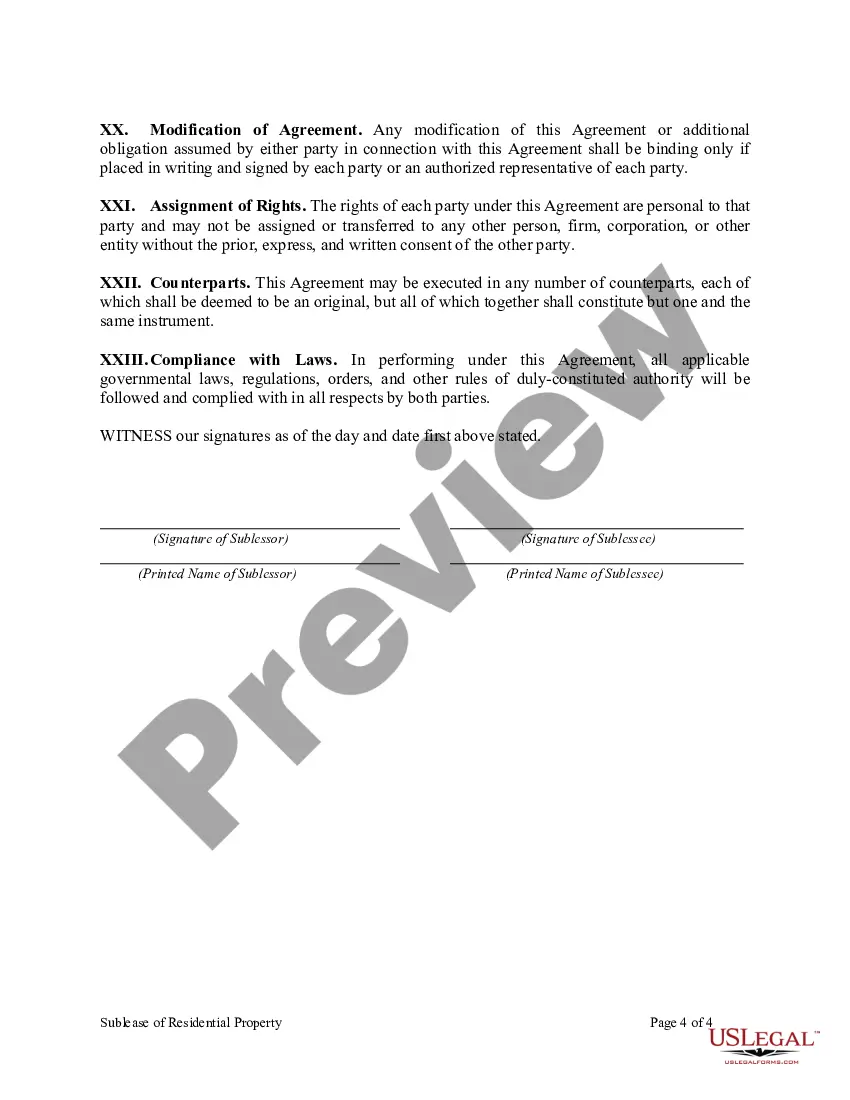

Get your form ready online
Our built-in tools help you complete, sign, share, and store your documents in one place.
Make edits, fill in missing information, and update formatting in US Legal Forms—just like you would in MS Word.
Download a copy, print it, send it by email, or mail it via USPS—whatever works best for your next step.
Sign and collect signatures with our SignNow integration. Send to multiple recipients, set reminders, and more. Go Premium to unlock E-Sign.
If this form requires notarization, complete it online through a secure video call—no need to meet a notary in person or wait for an appointment.
We protect your documents and personal data by following strict security and privacy standards.

Make edits, fill in missing information, and update formatting in US Legal Forms—just like you would in MS Word.

Download a copy, print it, send it by email, or mail it via USPS—whatever works best for your next step.

Sign and collect signatures with our SignNow integration. Send to multiple recipients, set reminders, and more. Go Premium to unlock E-Sign.

If this form requires notarization, complete it online through a secure video call—no need to meet a notary in person or wait for an appointment.

We protect your documents and personal data by following strict security and privacy standards.
Looking for another form?







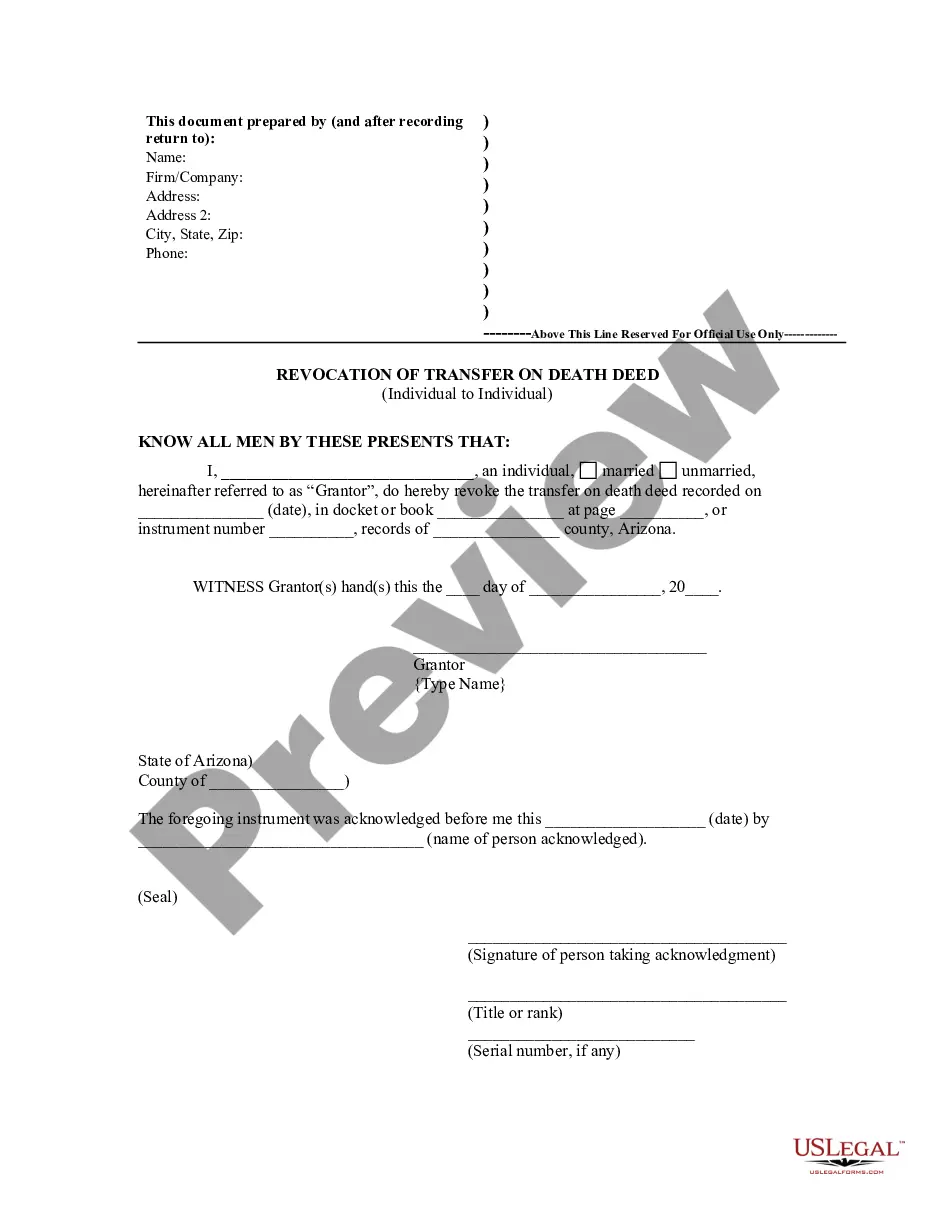


Form popularity
FAQ
Residential properties are primarily designed as living spaces. Therefore, they include houses, apartments, condos, and townhouses where individuals and families reside. However, an investment property is purchased for a return on investment through rental income or property resale.
Personal property, on the other hand, is property that is generally movable. It can be tangible, such as a bicycle or car, or intangible, like intellectual property. Moveable or tangible personal property can also be called a chattel.
Residential properties include a single-family structure, available for occupation for non-business purposes. Your residential property may be: A detached or semi-detached home or another type of multi-unit structure such as a condominium. In a small or large urban area, rural or waterfront location.
Residential property refers to all land and structures intended for private dwelling purposes, whether on a permanent or a temporary basis. A residential property may have more than one owner.
By real estate industry convention, any properties with fewer than five units — none of which are for commercial use — are classified as residential. Larger properties and those with mixed residential and commercial use, then, qualify as commercial.
In Georgia, all property records are public. Deeds, liens, mortgages and tax information are available to anyone who wants to pull them.
So be sure to check with your county recorder's office for more. Information. Take a look at theMoreSo be sure to check with your county recorder's office for more. Information. Take a look at the links in the description below to learn more.
The Deeds and Records' Room is located in the Lewis Slaton Courthouse on the ground floor. For more information about the Clerk of Superior and Magistrate Court's Deeds and Records' Room or to acquire copies, please visit the Main Campus, North Annex, and South Annex.
Property deeds can be viewed online through the Georgia Superior Court Clerks' Cooperative Authority website or our Land Records Search System (LRS).
In Georgia, property ownership records are public documents and freely accessible.
