Residential Property Leases With Utilities Included In Florida
Description

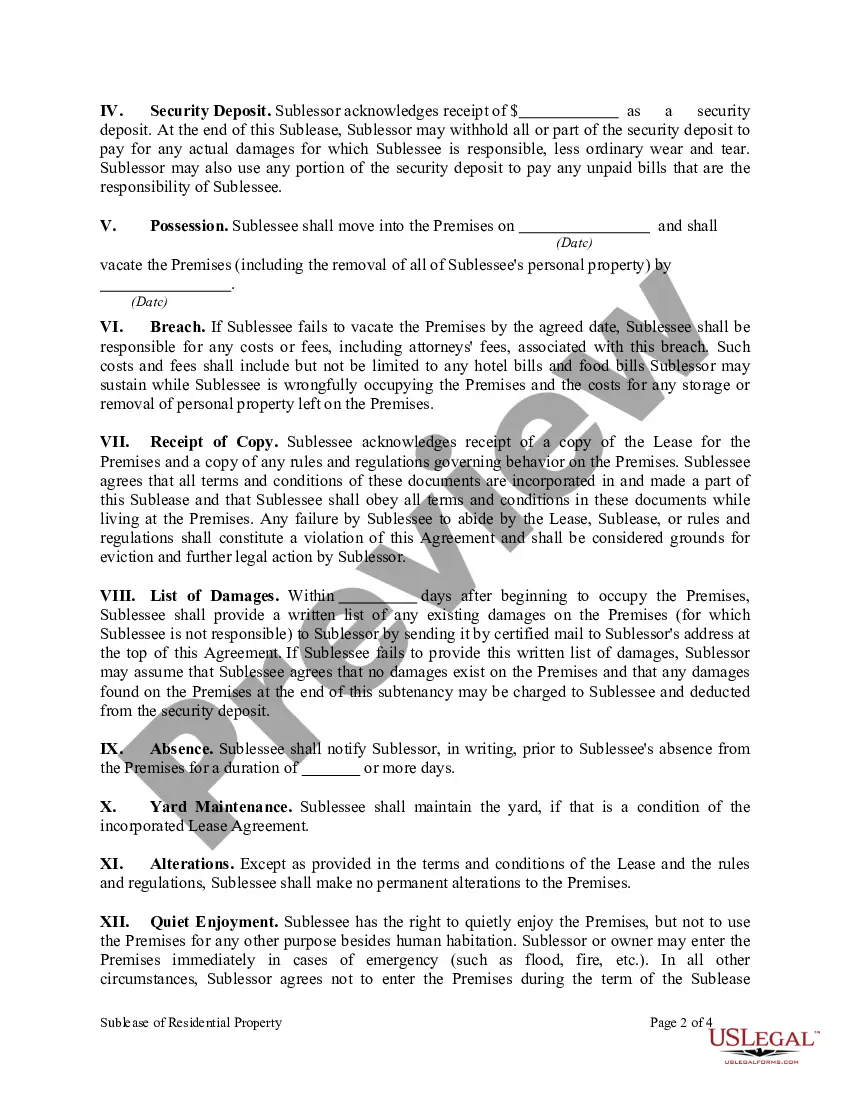
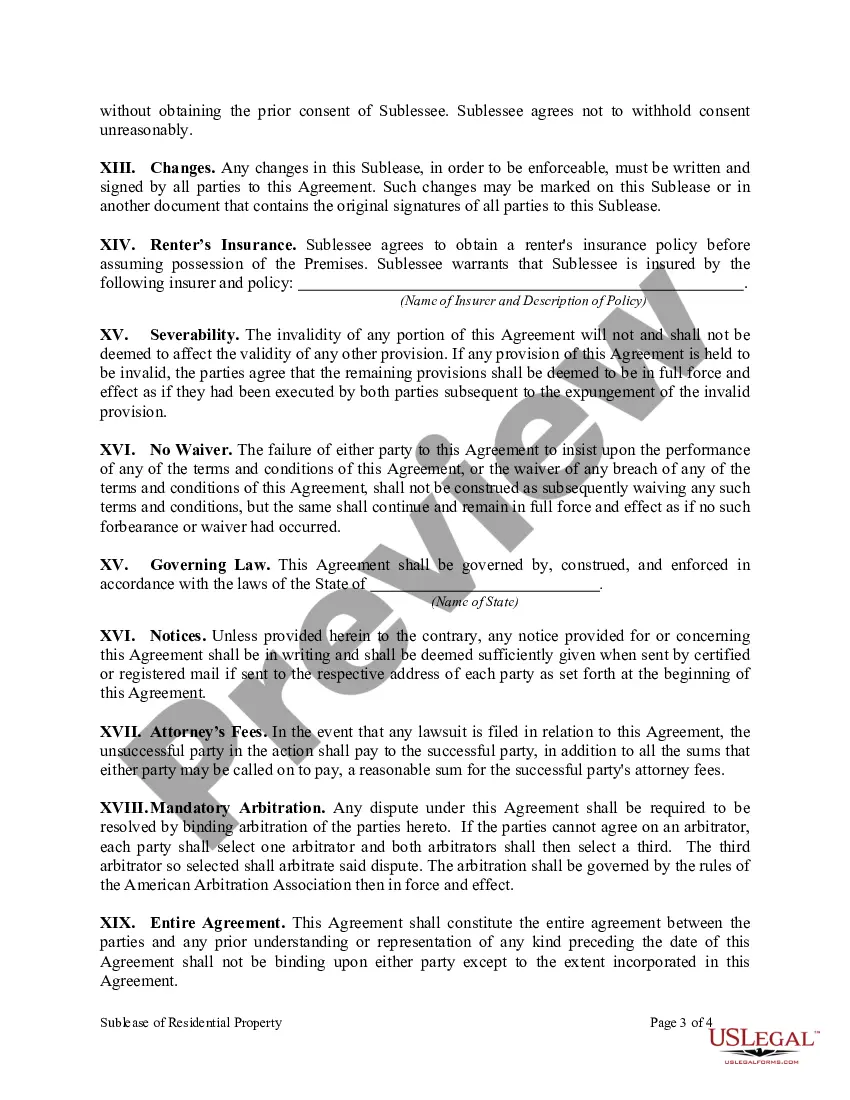

Get your form ready online
Our built-in tools help you complete, sign, share, and store your documents in one place.
Make edits, fill in missing information, and update formatting in US Legal Forms—just like you would in MS Word.
Download a copy, print it, send it by email, or mail it via USPS—whatever works best for your next step.
Sign and collect signatures with our SignNow integration. Send to multiple recipients, set reminders, and more. Go Premium to unlock E-Sign.
If this form requires notarization, complete it online through a secure video call—no need to meet a notary in person or wait for an appointment.
We protect your documents and personal data by following strict security and privacy standards.

Make edits, fill in missing information, and update formatting in US Legal Forms—just like you would in MS Word.

Download a copy, print it, send it by email, or mail it via USPS—whatever works best for your next step.

Sign and collect signatures with our SignNow integration. Send to multiple recipients, set reminders, and more. Go Premium to unlock E-Sign.

If this form requires notarization, complete it online through a secure video call—no need to meet a notary in person or wait for an appointment.

We protect your documents and personal data by following strict security and privacy standards.
Looking for another form?

Form popularity
FAQ
How to Transfer Utilities to a New Tenant Make a List of Utilities. Inform Your Tenant About Their Responsibilities. Give Your Tenant Information for Setting Up Utilities in Their Name. Call the Utility Company and Transfer Utilities Yourself. Double-Check to Ensure Your Tenant Has Transferred Utilities.
Tenants are generally responsible for establishing their own utility accounts and paying the bills for electricity, gas, trash, and water when they rent a single-family home in Florida. This keeps things simple, especially since there are no communal spaces and no collective use of water or lights.
How to Transfer Utilities to a New Tenant Make a List of Utilities. Inform Your Tenant About Their Responsibilities. Give Your Tenant Information for Setting Up Utilities in Their Name. Call the Utility Company and Transfer Utilities Yourself. Double-Check to Ensure Your Tenant Has Transferred Utilities.
Utilities are usually only included out of necessity such as when a homeowner rents out their basement suite and there is no separate meter or cable/phone system. For a apartment / condo it is the norm to not include hydro / cable / internet / gas. These are easily set up by the tenant on their own name.
Tenants are generally responsible for establishing their own utility accounts and paying the bills for electricity, gas, trash, and water when they rent a single-family home in Florida.
Ask the landlord what companies they're contracted with for utilities, ie do they use the city or a private company, what internet companies have lines to the building, ect. The easiest and cheapest thing to do is to ask them what's already hooked up and just use that.
The utilities that are included may vary at each community, but you can expect all-inclusive apartments to include water, sewer, and trash removal in your monthly rent. Some communities may also include high-speed internet, cable, and electricity (a usage cap is typically set).