Residential Property For Lease In Fairfax
Description

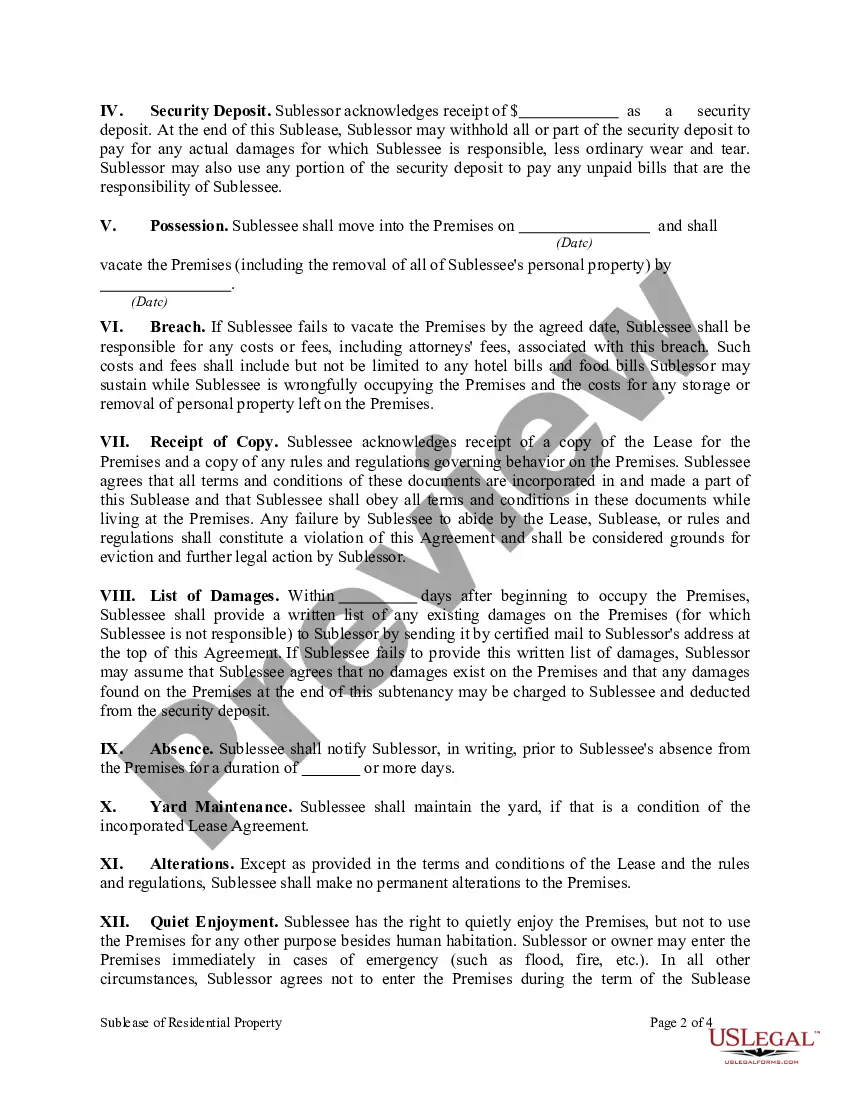
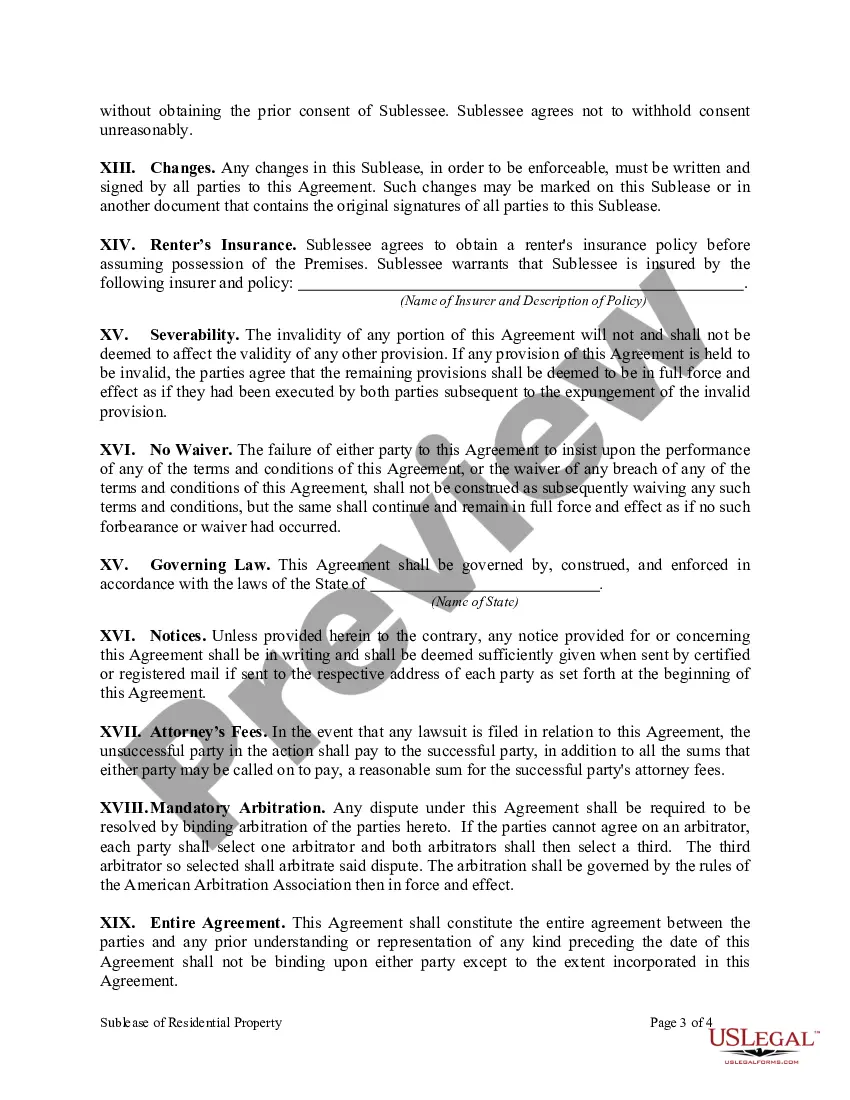
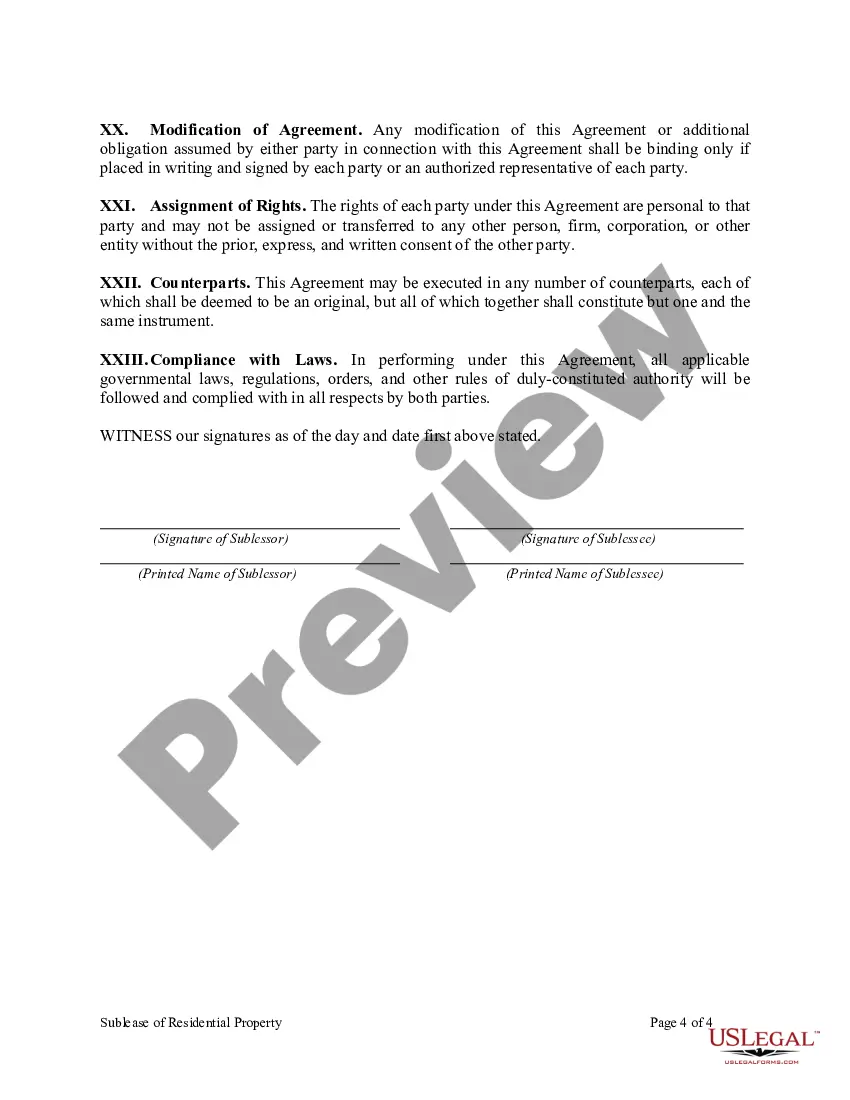

Get your form ready online
Our built-in tools help you complete, sign, share, and store your documents in one place.
Make edits, fill in missing information, and update formatting in US Legal Forms—just like you would in MS Word.
Download a copy, print it, send it by email, or mail it via USPS—whatever works best for your next step.
Sign and collect signatures with our SignNow integration. Send to multiple recipients, set reminders, and more. Go Premium to unlock E-Sign.
If this form requires notarization, complete it online through a secure video call—no need to meet a notary in person or wait for an appointment.
We protect your documents and personal data by following strict security and privacy standards.

Make edits, fill in missing information, and update formatting in US Legal Forms—just like you would in MS Word.

Download a copy, print it, send it by email, or mail it via USPS—whatever works best for your next step.

Sign and collect signatures with our SignNow integration. Send to multiple recipients, set reminders, and more. Go Premium to unlock E-Sign.

If this form requires notarization, complete it online through a secure video call—no need to meet a notary in person or wait for an appointment.

We protect your documents and personal data by following strict security and privacy standards.
Looking for another form?







Form popularity
FAQ
Here's a list of standard fields that you should include in your lease agreement: Tenant information. Include each tenant's full name and contact information. Rental property description. Security deposit. Monthly rent amount. Utilities. Lease term. Policies. Late fees.
Ultimately though it should include the following details: A description of the property. A list of attractive local amenities. List the distinct features that make your property stand out. Whether or not the property is pet-friendly. The rent amount and deposit amount. The utilities, which are included, which aren't.
Start by noting the basic identifying information: List the date, property address, and tenant details. Proceed room by room: Document each item in every room, including its condition. Be thorough and include all elements like walls, floors, ceilings, fixtures, and any appliances or furniture.
Here's a list of standard fields that you should include in your lease agreement: Tenant information. Include each tenant's full name and contact information. Rental property description. Security deposit. Monthly rent amount. Utilities. Lease term. Policies. Late fees.
Can you write your own tenancy agreement? Certainly. Unless you're an attorney, or have an attorney review it, you probably shouldn't, But you certainly can. If you fail to follow your state/local laws to-the-letter, the agreement may be invalid.
Handwritten contracts are legally binding if they meet the necessary conditions that apply to all contracts: mutual agreement, capacity, consideration, and legal validity. There are no legal differences between typed and handwritten agreements when it comes to enforceability.
In Virginia, the requirement for a business license to rent out property depends on the specific county or city. Some localities require business licenses for rental properties, especially if the rental income exceeds a certain threshold or if the landlord owns multiple properties.
How to Rent Out Your House in Virginia Understand Laws and Regulations. Familiarize yourself with the local and state landlord-tenant laws. Prepare Your Property. Determine the Rent Amount. Market Your Property. Screen Potential Tenants. Create a Lease Agreement. Collect a Security Deposit. Set Up a System for Rent Collection.
Every rental is required to have a City Business License. You can rent to no more than one family, plus 3 un-related people. If the owner resides in the rental, they do not need a rental permit.
