Residential Sublease Format In Contra Costa
Description

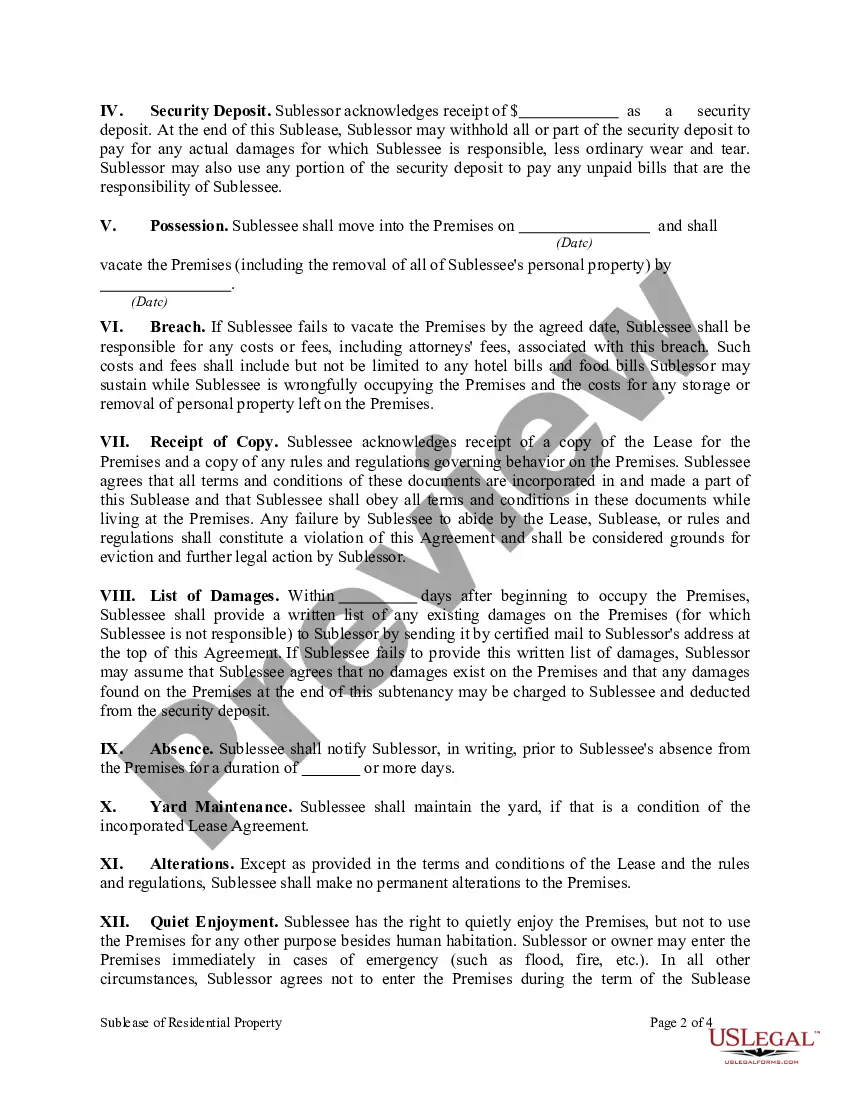
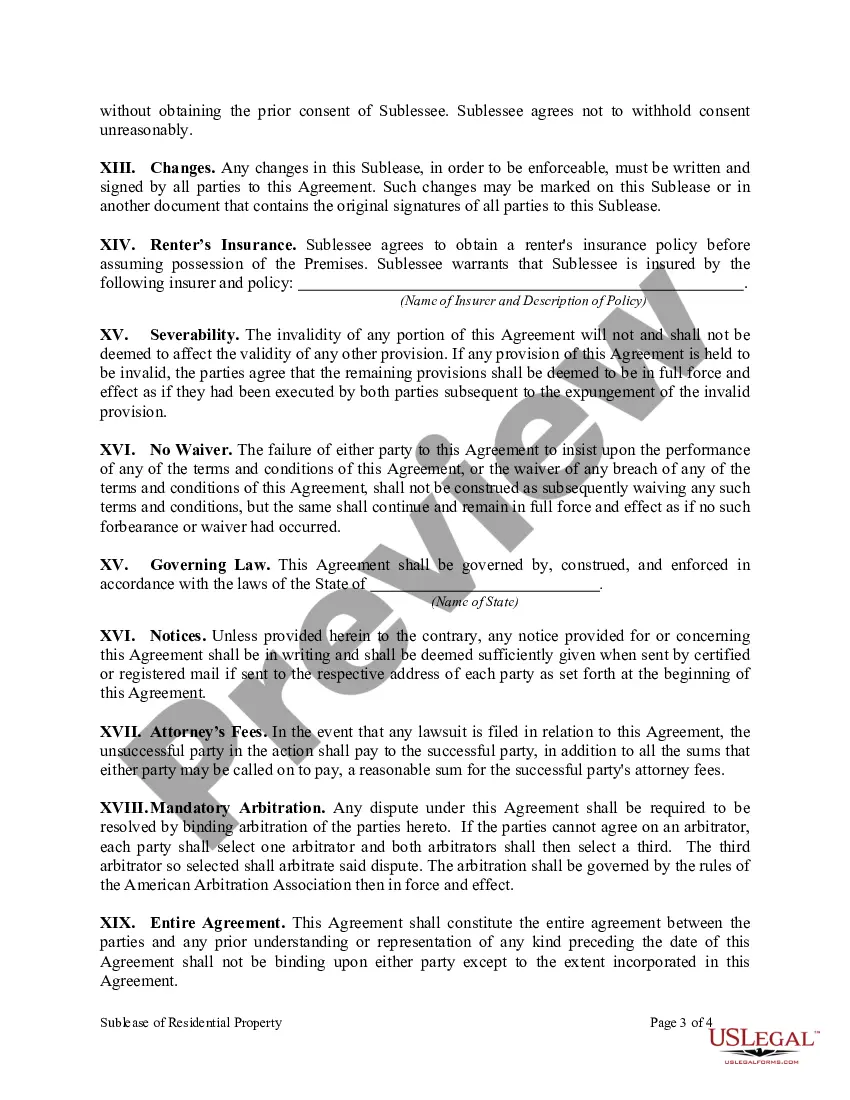
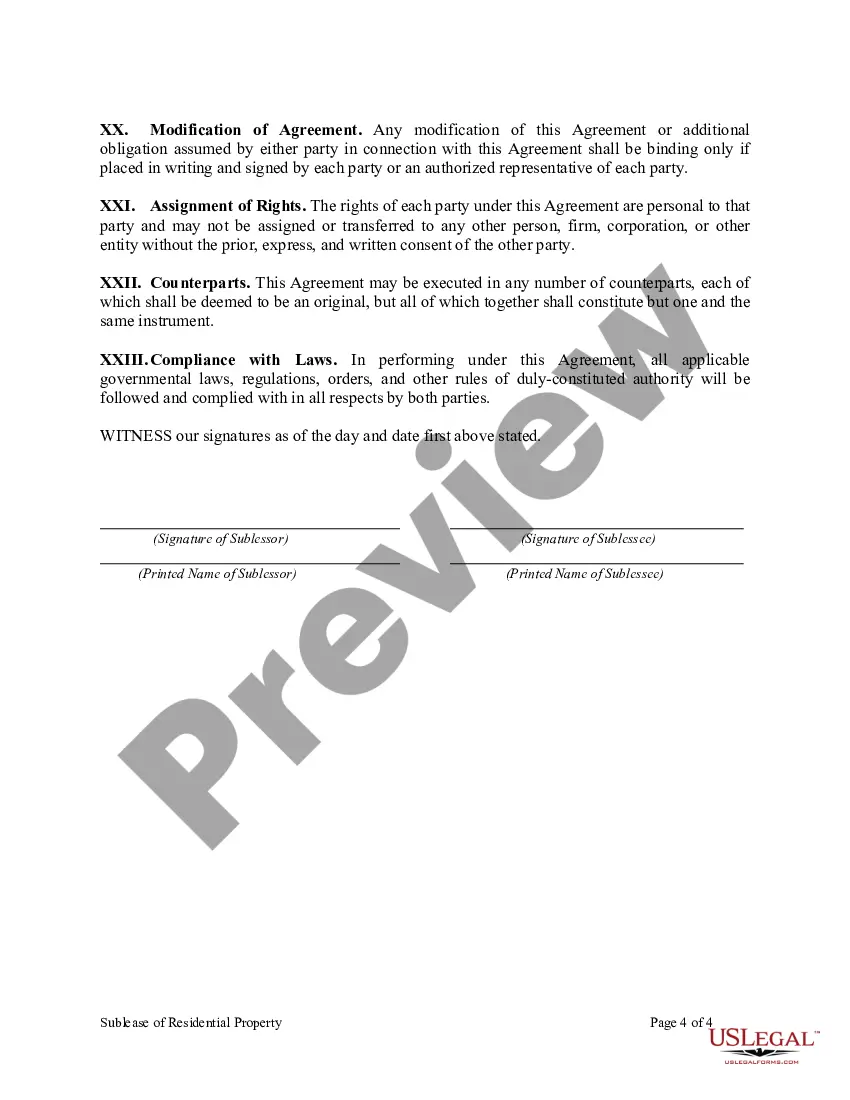

Get your form ready online
Our built-in tools help you complete, sign, share, and store your documents in one place.
Make edits, fill in missing information, and update formatting in US Legal Forms—just like you would in MS Word.
Download a copy, print it, send it by email, or mail it via USPS—whatever works best for your next step.
Sign and collect signatures with our SignNow integration. Send to multiple recipients, set reminders, and more. Go Premium to unlock E-Sign.
If this form requires notarization, complete it online through a secure video call—no need to meet a notary in person or wait for an appointment.
We protect your documents and personal data by following strict security and privacy standards.

Make edits, fill in missing information, and update formatting in US Legal Forms—just like you would in MS Word.

Download a copy, print it, send it by email, or mail it via USPS—whatever works best for your next step.

Sign and collect signatures with our SignNow integration. Send to multiple recipients, set reminders, and more. Go Premium to unlock E-Sign.

If this form requires notarization, complete it online through a secure video call—no need to meet a notary in person or wait for an appointment.

We protect your documents and personal data by following strict security and privacy standards.
Looking for another form?

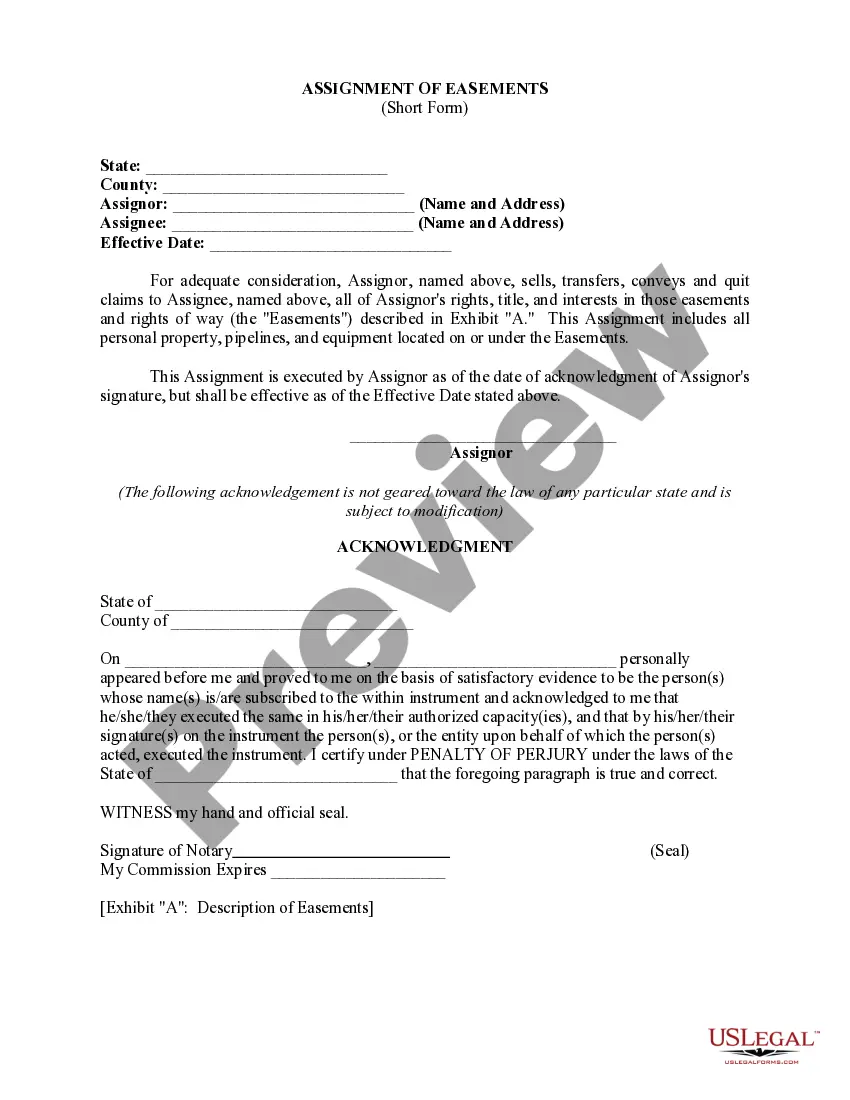





Form popularity
FAQ
Subletting Can Impact Property Values Parking becomes difficult, there are higher utility costs, and the neighborhood won't be as appealing to prospective buyers.
Subletting is when a tenant lets out part of the property which they themselves are renting. You must always get written consent from the landlord before subletting (if not already defined in your tenancy agreement), and there are responsibilities you need to consider.
If you are receiving Section 8 rental assistance and you wish to move out of the apartment, you notify the landlord or Housing Authority in writing with the proper notice ie., 30 days double check your lease for the number of days written notice is required and your forwarding address for your security deposit.
Step 1: Check your lease Check your rental agreement or lease documentation for specific rules on subletting your apartment. Step 2: Send landlord a letter Send your landlord or building manager a certified letter asking permission to sublet, and wait for approval. Keep copies of all communications.
California law requires tenants to seek explicit, written permission from their landlords to sublet if it is not already allowed in the lease. Landlords have the right to approve or deny these requests unless prohibited by a local ordinance.
Here's how to write a straightforward sublease agreement that complies with California law: Identify all parties to the contract. Define the lease term. Identify the terms and rent amount. Address any other financial responsibilities. Discuss the terms of the security deposit. List any other restrictions.
Ing to AB-1482, the Tenant Protection Act of 2019, landlords in California are only permitted to increase rent by 5% plus 10% or the annual inflation rate, whichever is lower.
The only lawful way to evict a tenant is to file lawsuit and wait for the court to order the Sheriff or Marshal to carry out the eviction. Landlords cannot change the locks, shut off power, or remove personal property in order to force a tenant out of their home.
Serve the tenant with the appropriate written notice (there are several types of notices, and the one a landlord serves the tenant with must be appropriate to the specific case circumstances) Wait for the time period in the notice to end. File an Unlawful Detainer action if the tenant does not do what the notice asks.
