Sublease Apartment Fort Worth In Chicago
Description

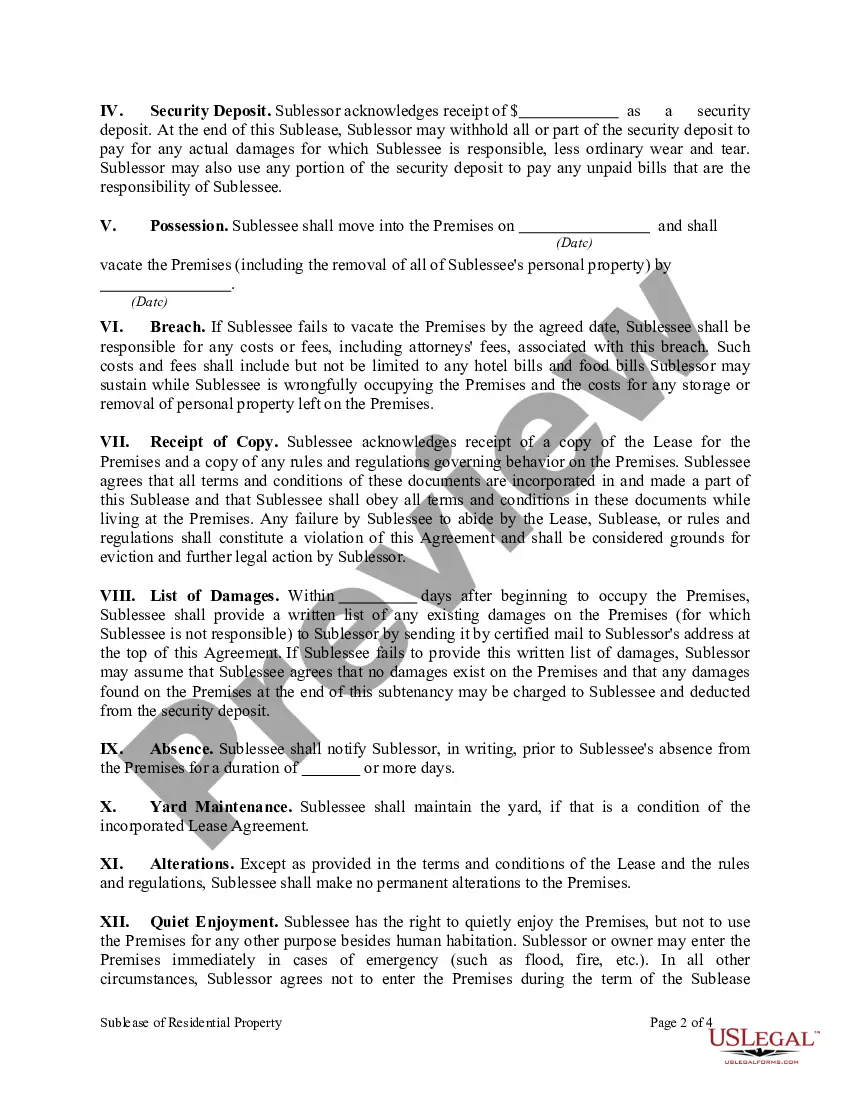
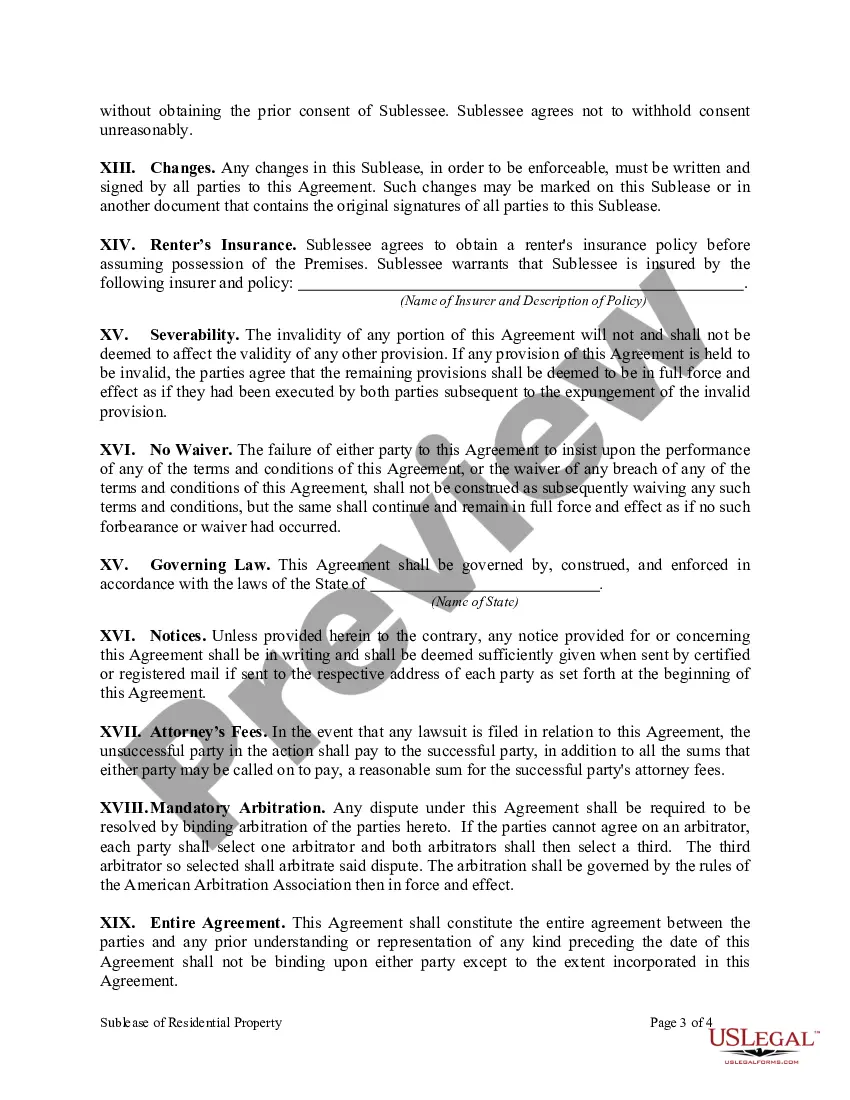
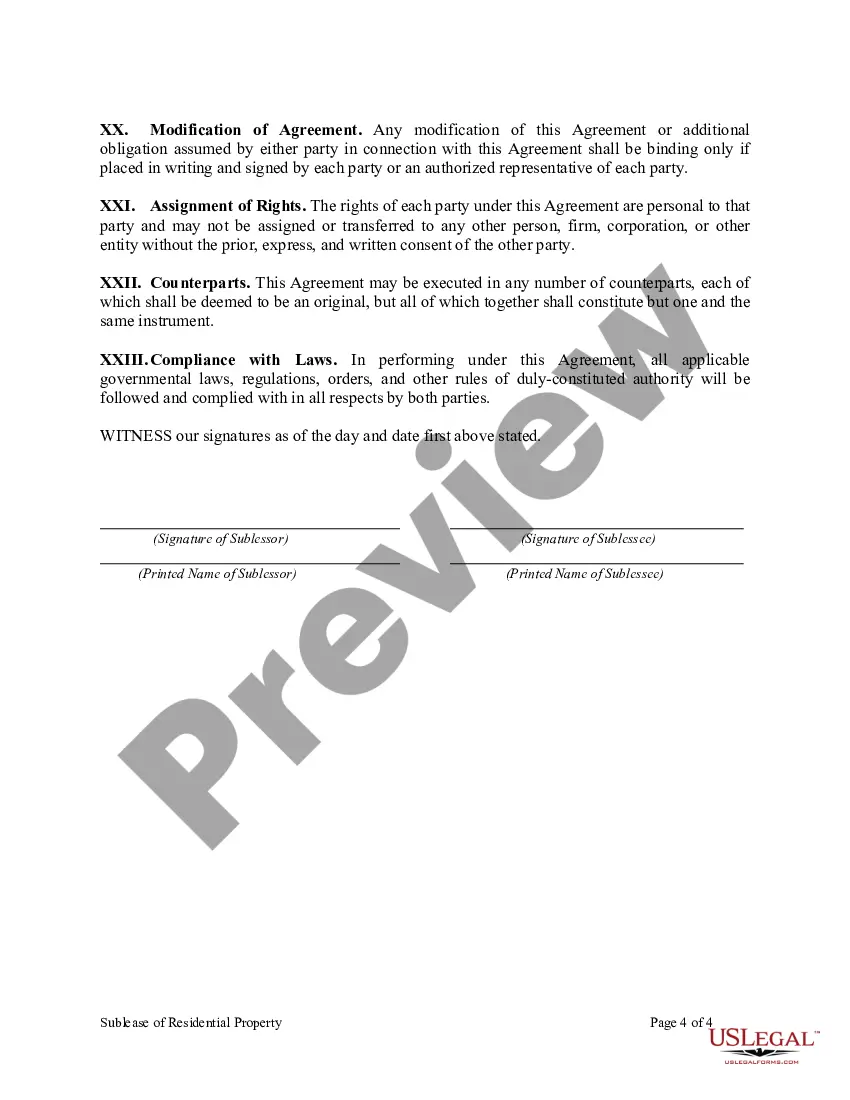

Get your form ready online
Our built-in tools help you complete, sign, share, and store your documents in one place.
Make edits, fill in missing information, and update formatting in US Legal Forms—just like you would in MS Word.
Download a copy, print it, send it by email, or mail it via USPS—whatever works best for your next step.
Sign and collect signatures with our SignNow integration. Send to multiple recipients, set reminders, and more. Go Premium to unlock E-Sign.
If this form requires notarization, complete it online through a secure video call—no need to meet a notary in person or wait for an appointment.
We protect your documents and personal data by following strict security and privacy standards.

Make edits, fill in missing information, and update formatting in US Legal Forms—just like you would in MS Word.

Download a copy, print it, send it by email, or mail it via USPS—whatever works best for your next step.

Sign and collect signatures with our SignNow integration. Send to multiple recipients, set reminders, and more. Go Premium to unlock E-Sign.

If this form requires notarization, complete it online through a secure video call—no need to meet a notary in person or wait for an appointment.

We protect your documents and personal data by following strict security and privacy standards.
Looking for another form?
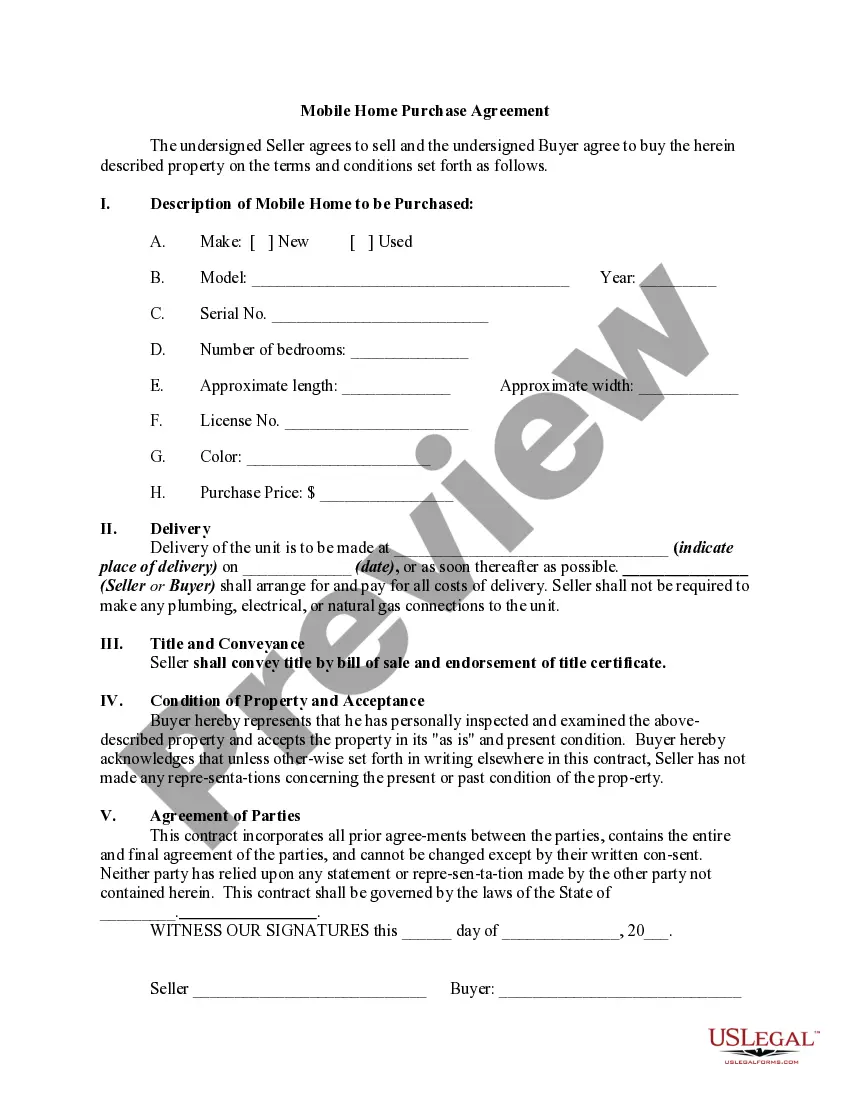



Form popularity
FAQ
Subletting regulations in California primarily revolve around lease agreements. If your lease doesn't explicitly prohibit sublets, you generally have the right to sublet. However, landlords retain the authority to reject proposed subtenants based on reasonable objections.
In this state, there are no specific subletting laws as long as the original lease does not prohibit such action. If no clause prohibits the tenant from renting a leased unit to someone else, the terms of the first lease remain the same.
Subletting Can Impact Property Values Parking becomes difficult, there are higher utility costs, and the neighborhood won't be as appealing to prospective buyers.
Your Step-by-Step Guide to Subletting in California Read Your Lease Carefully. Obtain Pre-Approval to Sublet. Find and Screen a Subletter. Send a Written Request for Approval. Wait Patiently (but Not Too Patiently). Collect and Store Security Deposit and Rent. Enjoy Your Freedom. Subletting Laws in California.
Chicago has specific rules under its Residential Landlord and Tenant Ordinance. Here, landlords must approve a reasonable sublease unless the tenant lives in an owner-occupied property with six or fewer units. This makes subletting in Chicago more tenant-friendly.
You should always have a sublease agreement, even when engaging in one where the landlord is uninvolved (which is rather common, but almost certainly breaks the tenant's lease agreement.) if somebody isn't willing to do that, then they aren't worth trusting.
Cons of Subleasing Subleasing can get legally tricky. Many lease agreements have strict rules about subletting, often requiring landlord approval. Be sure to look over your lease agreement and have a conversation with your landlord or property manager to avoid disputes and penalties.
Online Platforms: - Craigslist: Post your listing in the housing section, specifying that it's a sublet. - Facebook Marketplace: Utilize local groups or the marketplace feature to reach potential subletters. - Zillow and Apartments: Some listings allow for sublets; check their options.
The reason Landlords will not allow their tenants to sublet is because, by subletting you are altering the terms of the insurance policy the insurer accepted when they offered the landlord an insurance premium for coverage.
Subtenants might not adhere to the same standards or rules as the primary tenant, potentially leading to property damage or disturbances. The landlord may also have limited control over evicting subtenants. The process could be more challenging than evicting the primary tenant under the original lease.
