Residential Property Leases With No Money Down In Chicago
Description

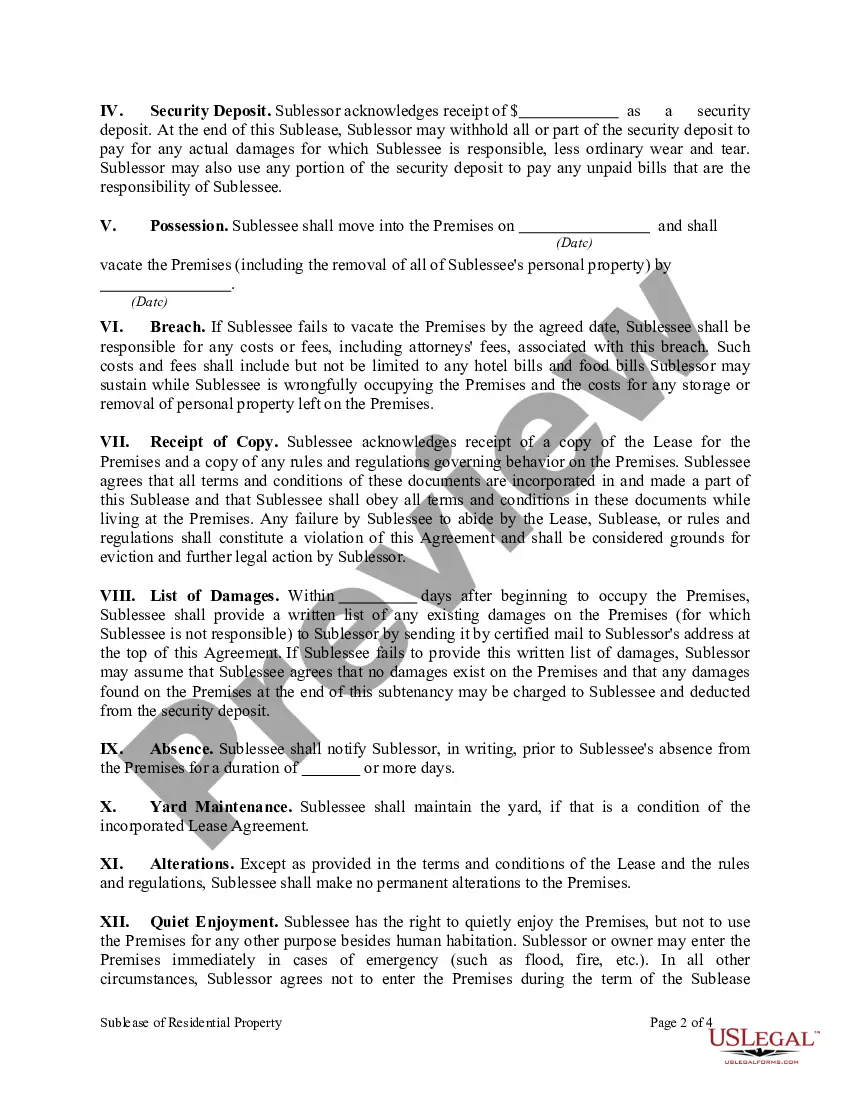
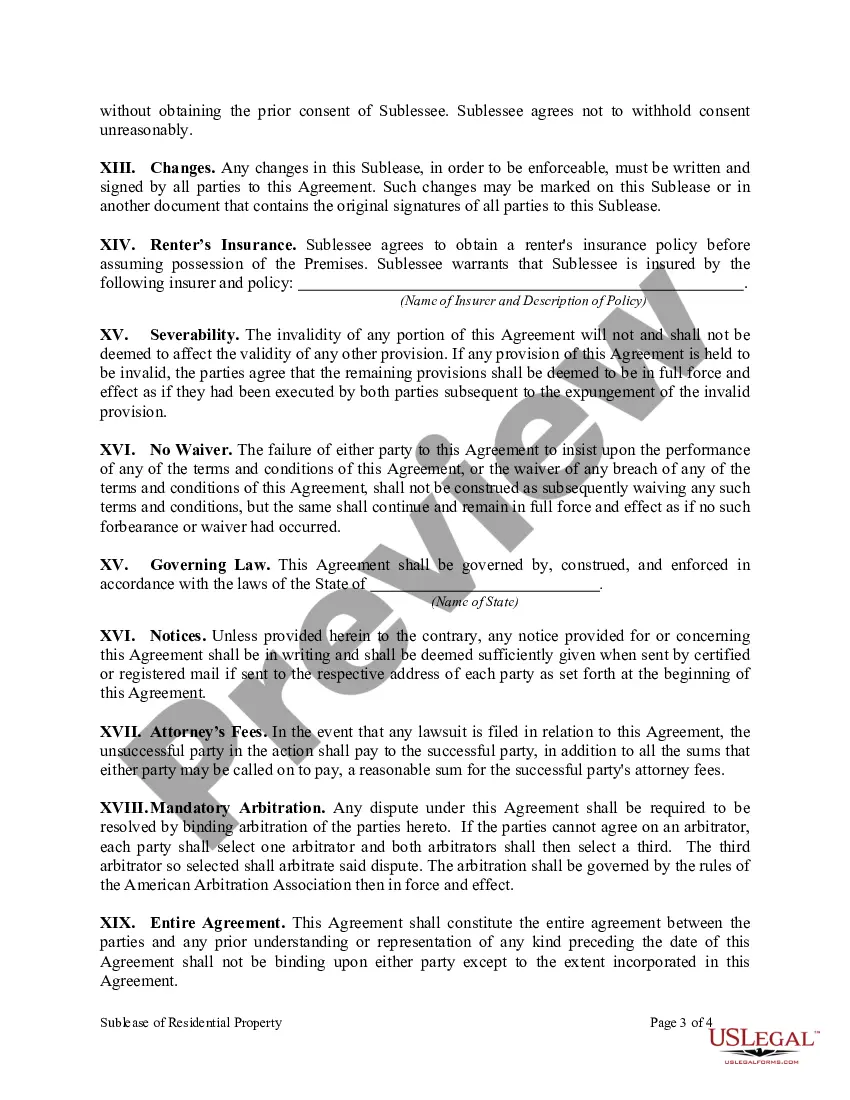
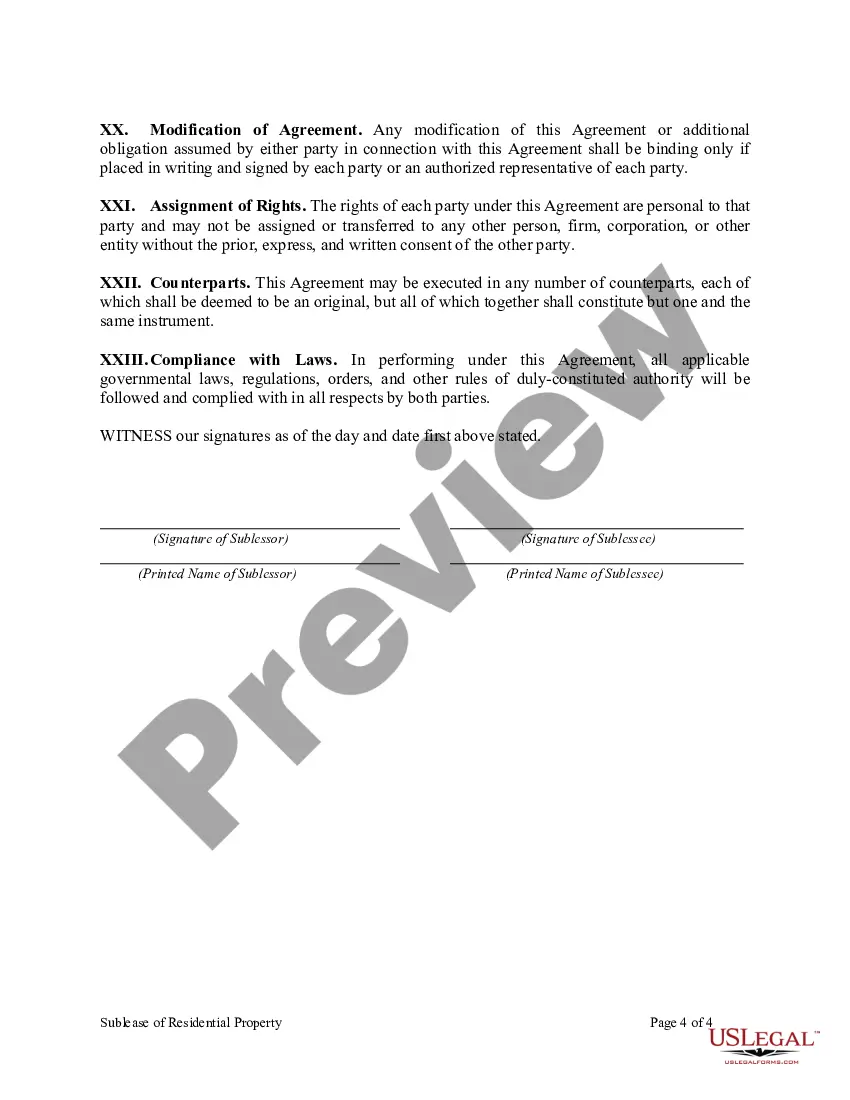

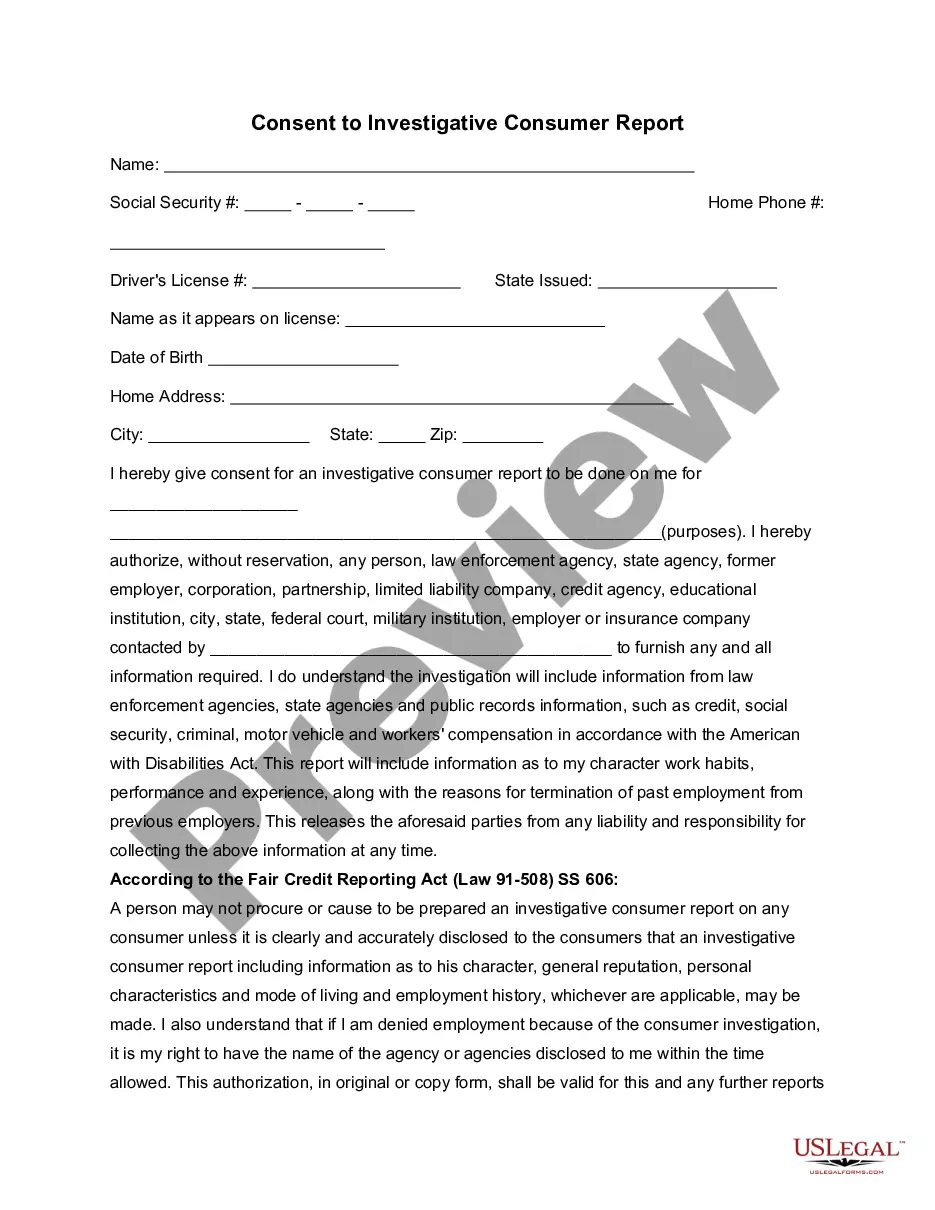
Get your form ready online
Our built-in tools help you complete, sign, share, and store your documents in one place.
Make edits, fill in missing information, and update formatting in US Legal Forms—just like you would in MS Word.
Download a copy, print it, send it by email, or mail it via USPS—whatever works best for your next step.
Sign and collect signatures with our SignNow integration. Send to multiple recipients, set reminders, and more. Go Premium to unlock E-Sign.
If this form requires notarization, complete it online through a secure video call—no need to meet a notary in person or wait for an appointment.
We protect your documents and personal data by following strict security and privacy standards.

Make edits, fill in missing information, and update formatting in US Legal Forms—just like you would in MS Word.

Download a copy, print it, send it by email, or mail it via USPS—whatever works best for your next step.

Sign and collect signatures with our SignNow integration. Send to multiple recipients, set reminders, and more. Go Premium to unlock E-Sign.

If this form requires notarization, complete it online through a secure video call—no need to meet a notary in person or wait for an appointment.

We protect your documents and personal data by following strict security and privacy standards.
Looking for another form?






Form popularity
FAQ
The Housing Trust is a partner in the ownership process, giving homeowners access to many of the benefits of traditional ownership, along with a network of support to help ensure their ongoing success. This long-term security and stability cannot be found in rental housing or even in market rate homeownership.
Prospective applicants may qualify for ARO rental units if their household gross income is generally at or below 60% of the Area Median Income (AMI) and meets the 40% rent-to-income affordability requirement. In certain cases, eligibility may extend to households with incomes up to 80% or even 100% AMI.
Landlord Information. As part of the Rental Licensing Program, landlords are responsible for obtaining a Rental License, renewing their license annually, and scheduling an Annual Rental Inspection.
Cook County Residential Rental License Ordinance A Residential Rental License is required to be obtained by the owner of each rental dwelling unit (including inium units) in buildings of four (4) or more units.
Starting January 1, 2025, Illinois will introduce the Landlord Retaliation Act, a new law designed to protect tenants from landlord retaliatory actions. This law will significantly impact Chicago landlords and property managers, who must stay updated on the latest changes in Illinois landlord laws.
In Chicago, it's not necessary to officially register as a Section 8 landlord, but doing so can help you find tenants more quickly. To register, you'll need to contact the public housing agency that oversees the area your property is in.
Becoming a landlord requires not only financial resources but also managerial talent, attention to detail and, often, a healthy portion of sweat equity.
While Illinois does not have a state-wide rental license requirement, certain counties do.
You may be eligible for CBRAP if: You are in a court eviction proceeding due to nonpayment. Proof of citizenship is not required. Your household income is at or below 80% of the area median income, adjusted for household size. You rent/ let your home in Illinois.
Determining Your Budget Before searching for a rental in Chicago, it's crucial to calculate how much you can afford. Financial experts often recommend spending about 30% of your monthly income on rent. For instance, if your monthly income is $5,000, your rental budget should be around $1,500.
