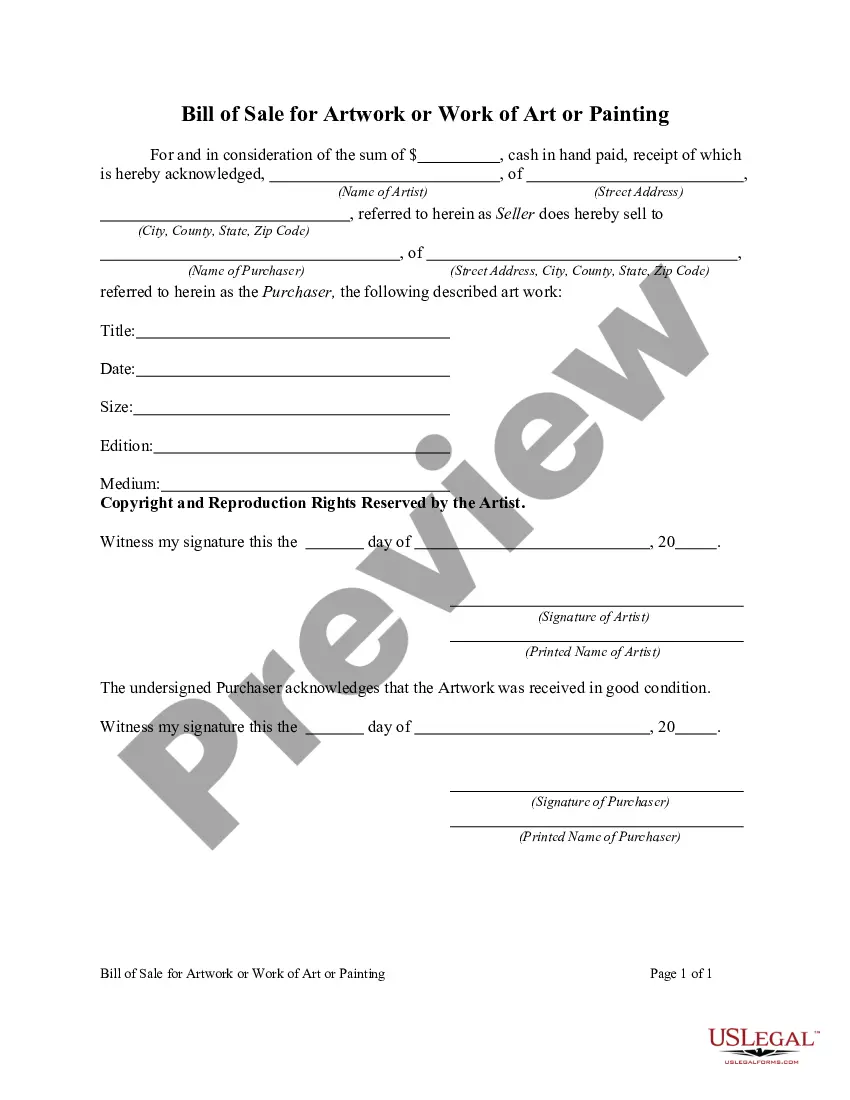
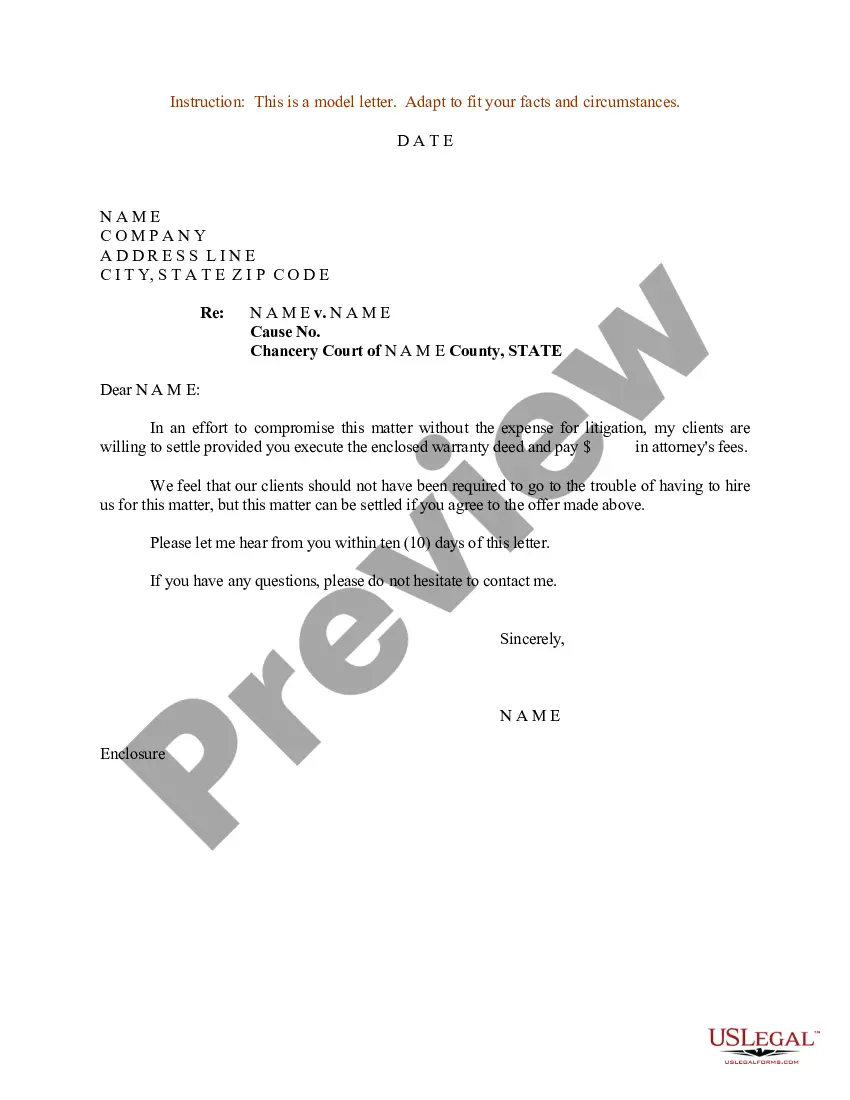
Offer To Sell Land Letter Sample With Price In Travis
Description
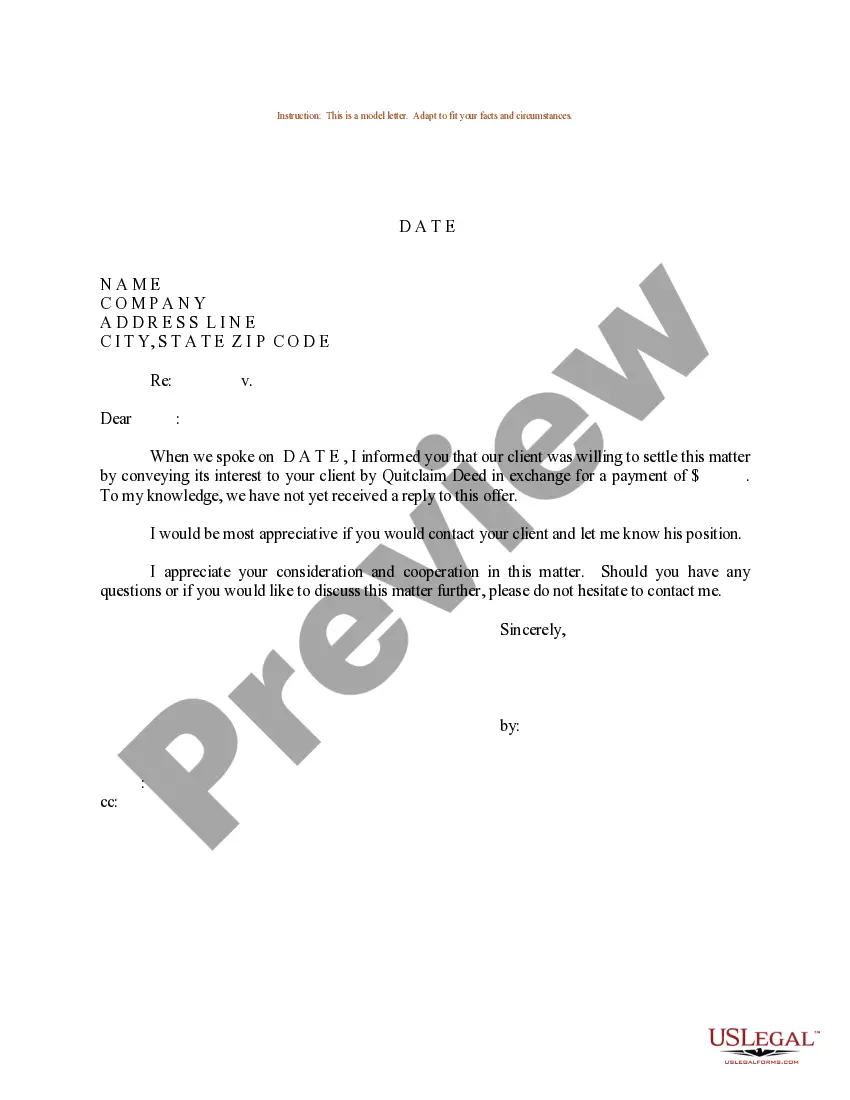
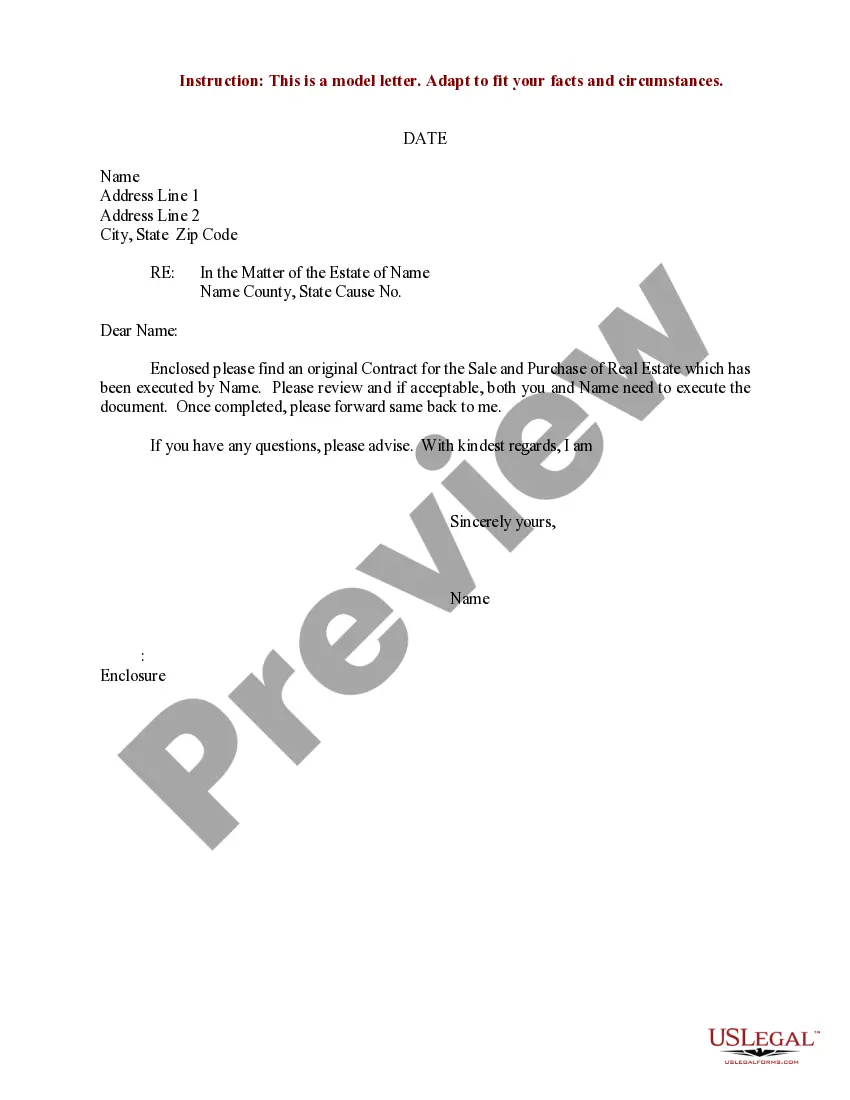
Get your form ready online
Our built-in tools help you complete, sign, share, and store your documents in one place.
Make edits, fill in missing information, and update formatting in US Legal Forms—just like you would in MS Word.
Download a copy, print it, send it by email, or mail it via USPS—whatever works best for your next step.
Sign and collect signatures with our SignNow integration. Send to multiple recipients, set reminders, and more. Go Premium to unlock E-Sign.
If this form requires notarization, complete it online through a secure video call—no need to meet a notary in person or wait for an appointment.
We protect your documents and personal data by following strict security and privacy standards.

Make edits, fill in missing information, and update formatting in US Legal Forms—just like you would in MS Word.

Download a copy, print it, send it by email, or mail it via USPS—whatever works best for your next step.

Sign and collect signatures with our SignNow integration. Send to multiple recipients, set reminders, and more. Go Premium to unlock E-Sign.

If this form requires notarization, complete it online through a secure video call—no need to meet a notary in person or wait for an appointment.

We protect your documents and personal data by following strict security and privacy standards.
Looking for another form?








Form popularity
FAQ
A letter of intent reaches out to a potential employer and lets them know that you're interested in a particular job at their company. The reason for sending this type of letter is usually to try and open up a dialogue, and it will usually be the only thing you send.
A letter of intent (also known as an LOI) is often written to initiate a business transaction and help define expectations with customers, partners, and vendors before creating a binding agreement. They also help with negotiating terms.
Offer Letter: To formally offer a job to a candidate with specific terms and conditions of employment. Letter of Intent: To outline the preliminary agreement and mutual intentions between parties before finalizing a formal contract.
Typically, a job offer letter will include basic information like: Job title. Type of employment (full-time, part-time, contract) Start date. Employment contingencies such as background checks or reference checks. Job responsibilities. Compensation.
Key Differences LOI: Indicates intention; not legally binding unless specified otherwise. LOA: Constitutes a binding agreement upon acceptance of the offer.
Elements: full mailing address of the sender. date on which letter is written. address of person to whom letter is addressed. subject line. salutation. body (the main message) complimentary closing. signature line (be sure to sign your letter)
Write your contact information and date at the top if you're using block style (see below). On a new line write a salutation, such as “Dear Ms. Smith,” or “To Whom It May Concern.” Write the body of your letter in a standard paragraph format. On a new line write a complimentary close, such as “Sincerely,” or “Best,”
Here are 10 tips for building your own successful sales letter. Consider headlines and photos. Use a fitting salutation. Start your letter strong. Introduce your offer on page one. Break your first page mid-sentence. Fill the letter with specific details. Make your letter as long as it needs to be.
“Dear” is the standard opening line for all letters, but it may not be appropriate in some situations. Most business situations allow this opening to be used, but if you feel it may not be appropriate, simply starting off with the recipient's name is a good alternative.