Offer To Sell Sample With Terms And Conditions In Santa Clara
Description
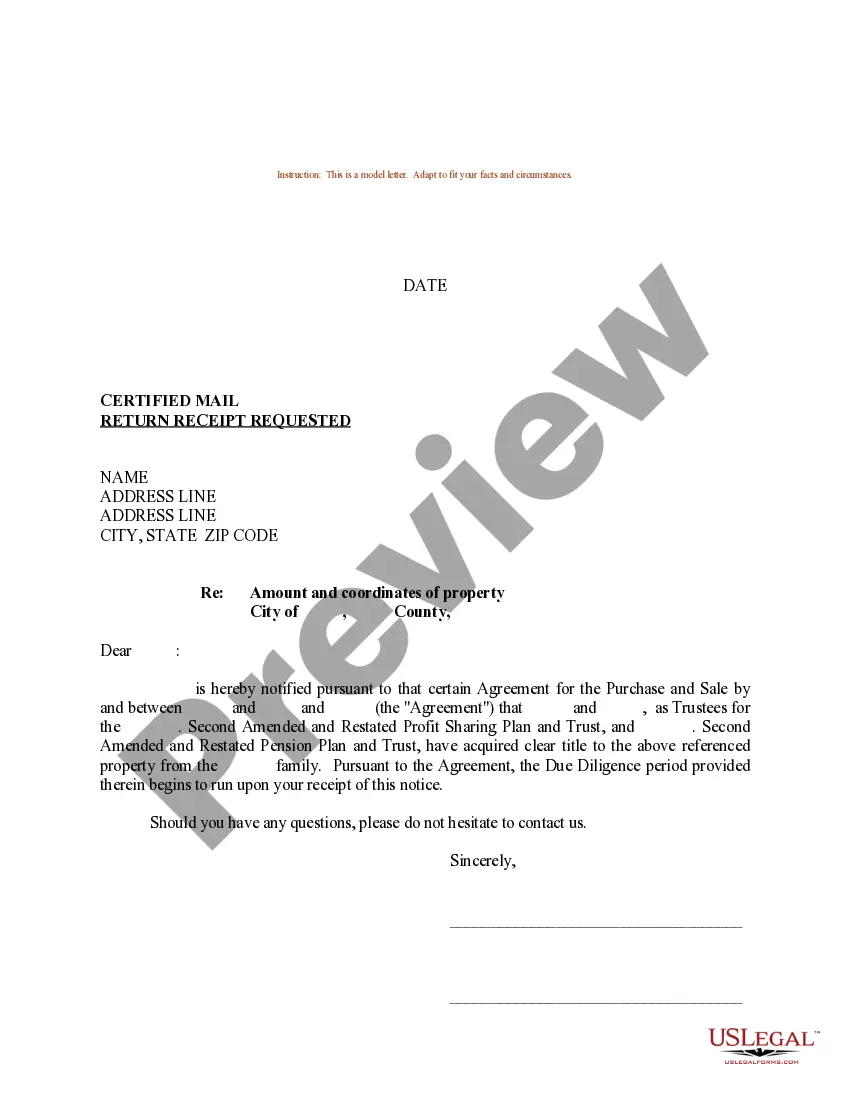
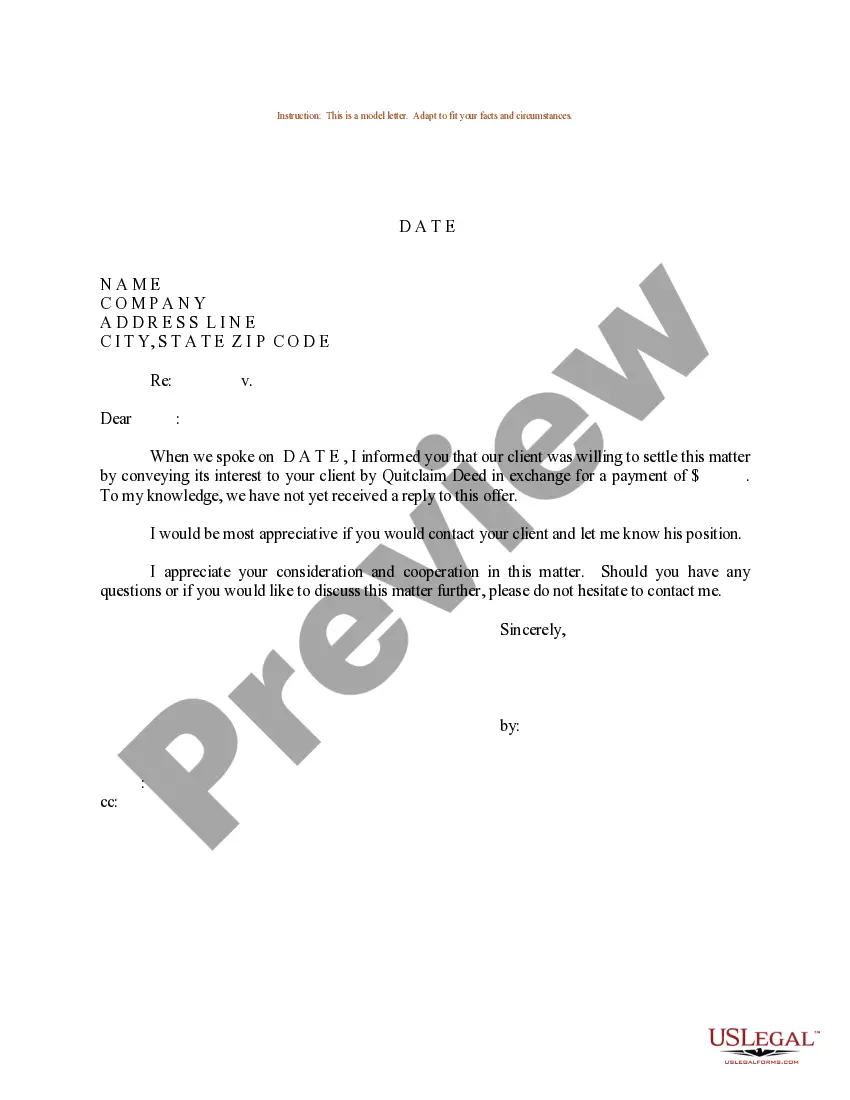
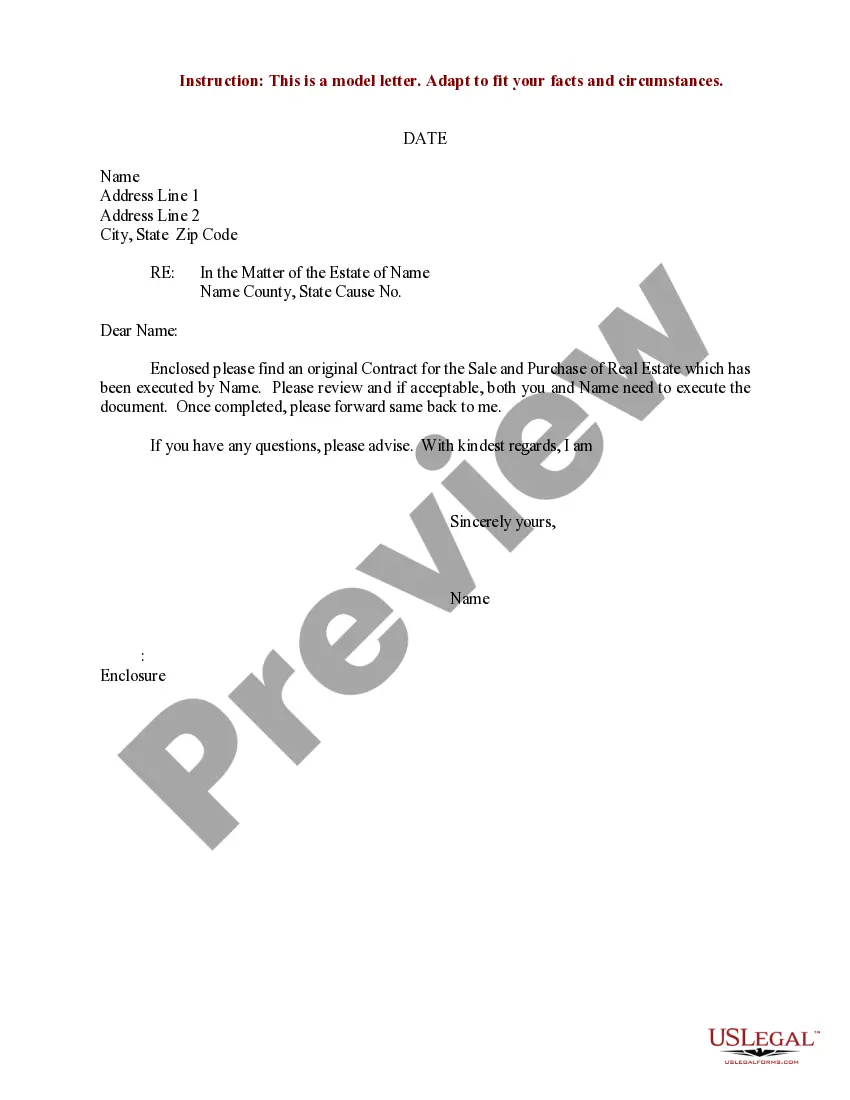
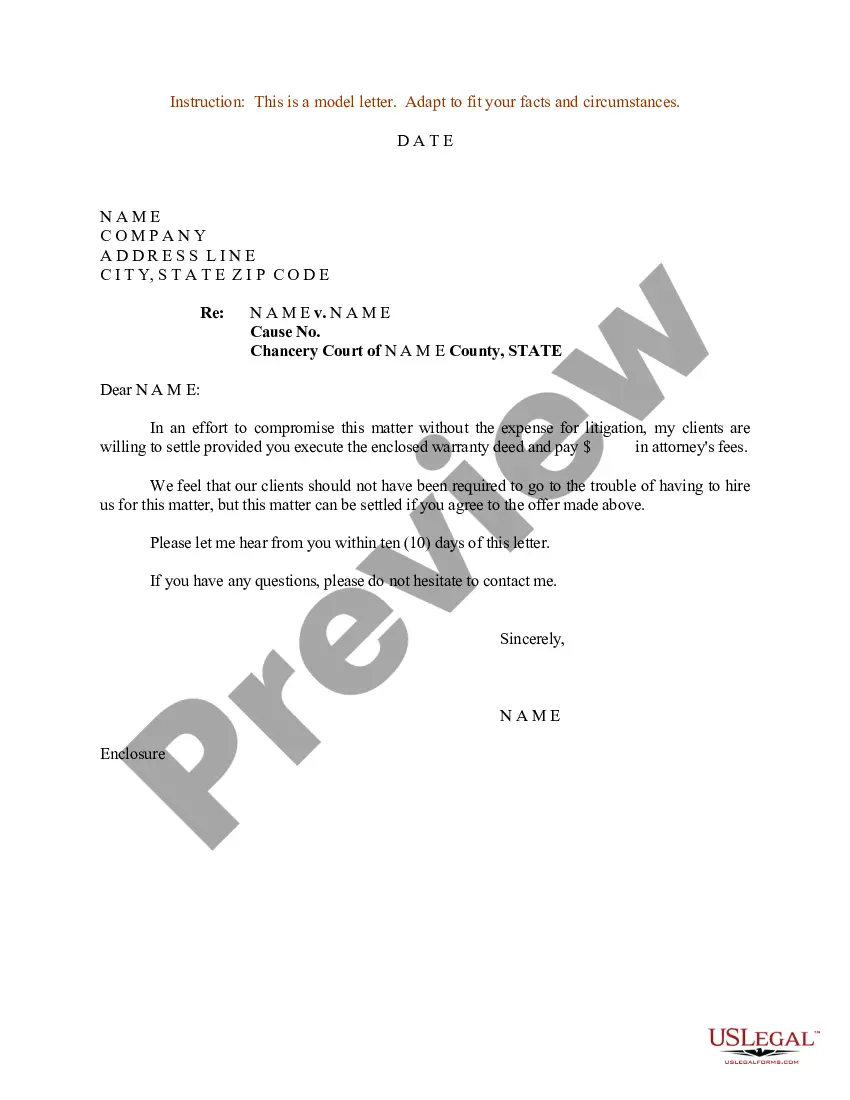
Get your form ready online
Our built-in tools help you complete, sign, share, and store your documents in one place.
Make edits, fill in missing information, and update formatting in US Legal Forms—just like you would in MS Word.
Download a copy, print it, send it by email, or mail it via USPS—whatever works best for your next step.
Sign and collect signatures with our SignNow integration. Send to multiple recipients, set reminders, and more. Go Premium to unlock E-Sign.
If this form requires notarization, complete it online through a secure video call—no need to meet a notary in person or wait for an appointment.
We protect your documents and personal data by following strict security and privacy standards.

Make edits, fill in missing information, and update formatting in US Legal Forms—just like you would in MS Word.

Download a copy, print it, send it by email, or mail it via USPS—whatever works best for your next step.

Sign and collect signatures with our SignNow integration. Send to multiple recipients, set reminders, and more. Go Premium to unlock E-Sign.

If this form requires notarization, complete it online through a secure video call—no need to meet a notary in person or wait for an appointment.

We protect your documents and personal data by following strict security and privacy standards.
Looking for another form?





Form popularity
FAQ
If this happens to you, don't worry. In our experience it often means one of two things; you need to re-negotiate, or it just wasn't the property for you and there is a better one around the corner.
Legally speaking, there isn't a time frame for sellers to respond to your offer. However, it's an unspoken rule in the industry that sellers and/or the listing agents should respond within a few days, with 48 hours as the norm.
Contingencies. As we explained earlier, contingencies are placed in property agreements to indicate that conditions must be met before a sale can be completed. Contracts have contingencies to protect the buyer and the seller in the property agreement.
If you are interested in a home that is listed as a contingent short sale, you can still view the home and make an offer. However, your offer will usually be put in a "back up" position and will only be considered by the bank if the first buyers decide to terminate their contract.
To submit an offer on a FSBO home, you can write up a generic sales contract, go through an attorney, or hire a real estate agent. Generic sales contracts may not contain specific language for your state, and may not have enough protections for you (or the seller).
The general terms and conditions of sale encompass the rules and guidelines governing the sale of a product or service. They outline the rights, responsibilities, and obligations of both the seller and the buyer.
Post-sale statute of limitations for liabilities Here are a few examples of the statute of limitation periods in five states: California: 4 years for written contracts, 3 years for property damage.
In real estate investing, a "Subject To" deal is when you buy a property "subject to" the current mortgage. This means that you take over the payments on the mortgage, but the previous owner is still listed with the lender as the financially responsible party.
Risks to Both You and the Seller This risk affects both parties: – Seller: Faces potential foreclosure, which can severely damage their credit score and financial standing. – Buyer: Risks losing the property and any investments made into it, such as renovation costs or down payments.
While it's not an illegal practice in most states and can sometimes work out for a seller that is in distress, it's becoming a new trend for scammers in Florida. It's called, 'selling your home subject-to' and it's often bad news for sellers, especially when they don't know much about the potential "buyer".

